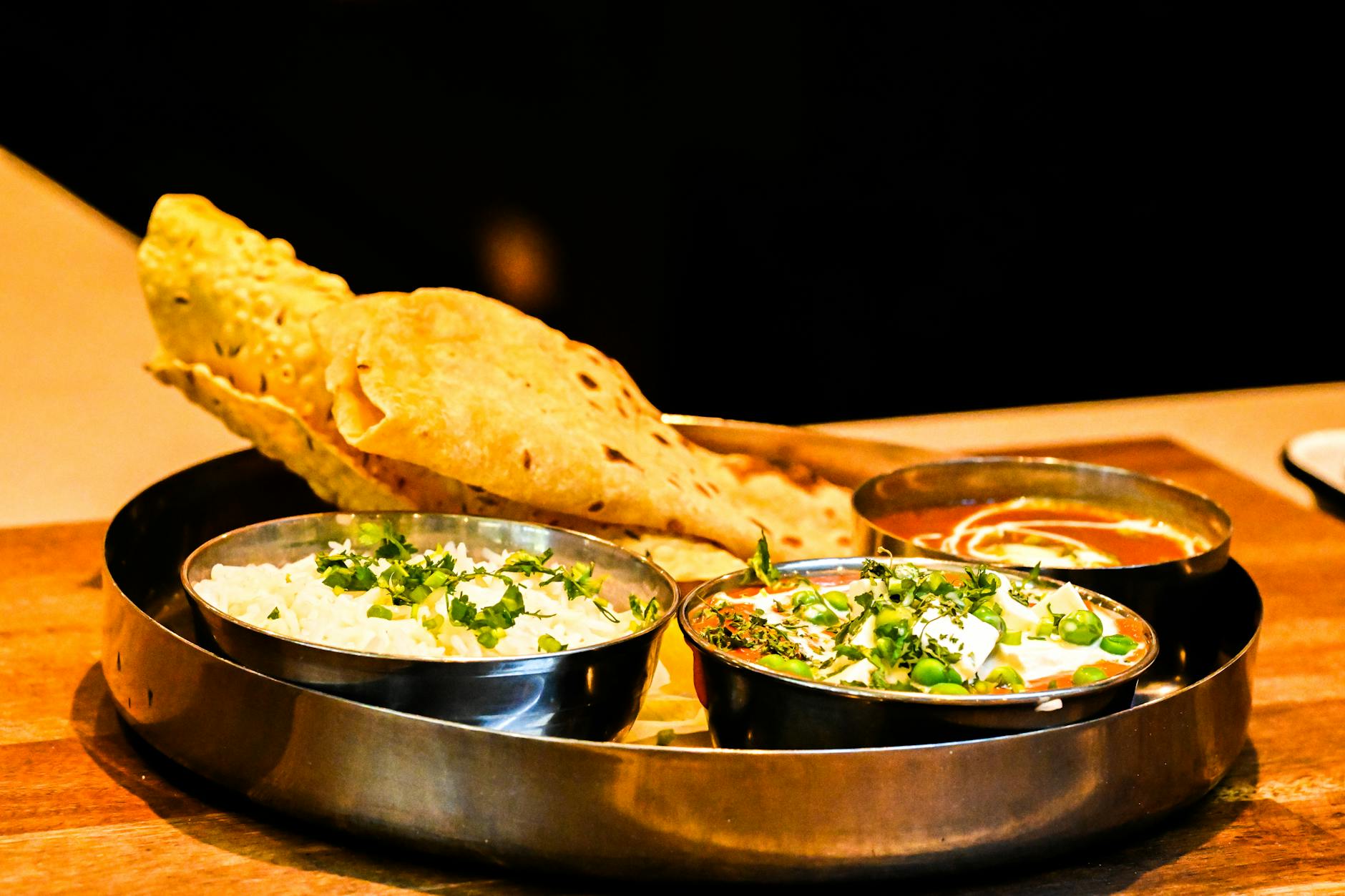
Your heart beats about 100,000 times every single day. What you eat has a direct say in how well it keeps doing that job. The encouraging news? You do not need expensive superfoods or a complicated meal plan. A heart healthy diet built around the wholesome ingredients already found in Indian kitchens — dal, sabzi, whole grains, and spices — is one of the most powerful tools you have to protect your heart for life.
This guide breaks it all down in plain language so you can start making small, meaningful changes from your very next meal.
Why Does Diet Matter So Much for the Heart?
When we regularly eat foods that are high in saturated fats, refined carbohydrates, excess salt, and sugar, a few things begin to happen over time:
- Cholesterol levels rise, leading to fatty deposits (plaque) inside artery walls.
- Blood pressure goes up, forcing the heart to work harder.
- Blood sugar becomes harder to control, increasing the risk of diabetes — a major heart risk factor.
- Inflammation increases quietly in blood vessels, making them stiff and narrow.
Each of these changes nudges the heart closer to trouble. Reversing even one or two of them through diet can make a real difference to your long-term heart health.
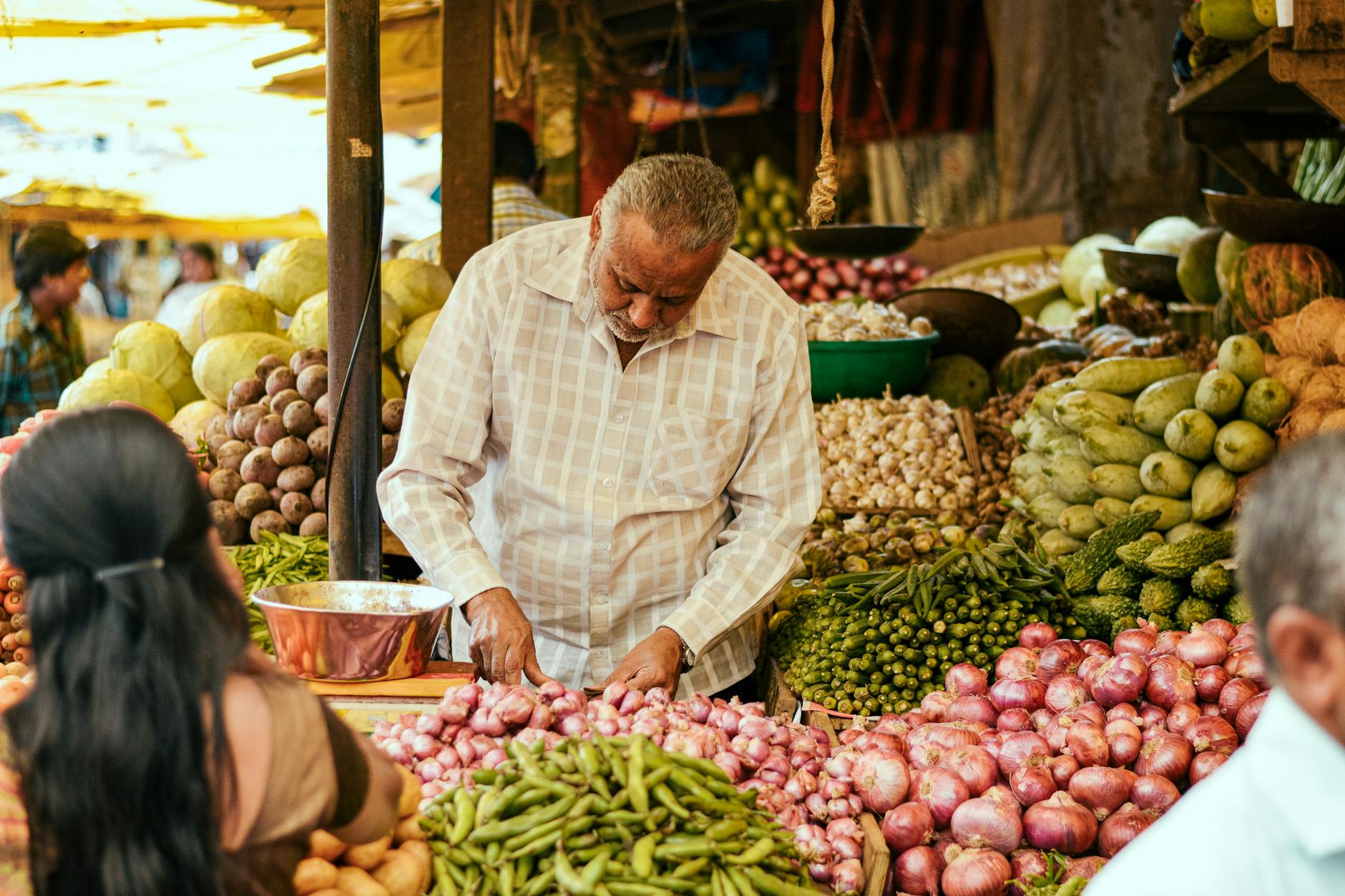
The Building Blocks of a Heart-Healthy Indian Diet
1. Load Up on Vegetables and Fruits
Vegetables and fruits are rich in fibre, potassium, antioxidants, and vitamins — all of which support healthy blood pressure and reduce arterial inflammation. Aim to fill half your plate with vegetables at every main meal.
Excellent choices easily found in Rajkot and across Gujarat:
- Leafy greens: palak (spinach), methi (fenugreek leaves), amaranth
- Seasonal vegetables: tindora, dudhi (bottle gourd), karela (bitter gourd), tomatoes, brinjal
- Fruits: guava, papaya, pomegranate, amla (Indian gooseberry), oranges, banana (in moderation)
Amla, in particular, is a standout — it is exceptionally rich in Vitamin C and antioxidants and has been studied for its potential benefits in supporting healthy cholesterol levels.
2. Choose Whole Grains Over Refined Ones
Swapping white rice and maida-based foods for whole grains is one of the single most effective dietary changes for heart health. Whole grains contain fibre that slows sugar absorption and helps lower LDL ("bad") cholesterol.
Smart swaps:
- White rice → brown rice, or reduce portion size and add more dal/sabzi
- Maida rotis → whole wheat (gehun atta) rotis, bajra rotis, jowar rotis
- White bread → multigrain or whole wheat bread
- Processed snacks → roasted chana, puffed jowar, makhana (fox nuts)
Bajra and jowar rotis, traditionally popular across Gujarat and Saurashtra, are actually excellent heart-healthy choices — something our grandparents instinctively knew.
3. Make Dal and Legumes Your Friends
Dal is a nutritional hero for the heart. Lentils, beans, and legumes are rich in soluble fibre, plant protein, folate, and magnesium — all of which support healthy blood pressure and cholesterol. They are also very low in saturated fat.
Include at least one to two servings of dal or legumes daily:
- Toor dal, moong dal, masoor dal, chana dal
- Rajma, chole (chickpeas), black-eyed peas (chawli)
- Sprouted moong or methi as a light snack or sabzi
Keeping the tadka (tempering) light — minimal oil, avoiding excess ghee — keeps the heart benefits intact.
4. Be Smart About Fats and Cooking Oils
Not all fats are equal. The goal is not to eliminate fat entirely but to choose the right fats in the right amounts.
Fats to reduce:
- Saturated fats: excess ghee, cream, full-fat cheese, dalda/vanaspati (hydrogenated fat)
- Trans fats: found in many packaged biscuits, namkeen, fried snacks, and bakery items
Fats to include (in moderation):
- Unsaturated fats from cold-pressed groundnut oil, mustard oil, or rice bran oil
- Omega-3 fatty acids from walnuts, flaxseeds (alsi), and fatty fish (for non-vegetarians)
- A small amount of pure ghee (one teaspoon per day) is generally acceptable for most people, but discuss your personal limit with your cardiologist
Practical tip: Measure your cooking oil. Many Indian households unintentionally use three to four times the recommended daily amount. Switching to a smaller ladle or a spray bottle can reduce oil use significantly without changing flavour much.

Foods to Limit or Avoid
A heart healthy diet is as much about what to reduce as what to add. Here is a simple list to keep in mind:
- Salt (sodium): Excess salt raises blood pressure. Aim for less than 5 grams (about one teaspoon) per day total — including salt in pickles, papads, processed foods, and chutneys. Go easy on the papad and achaar.
- Sugar and sugary drinks: Excess sugar raises triglycerides and promotes weight gain. Limit mithai, sweetened chai, cold drinks, and packaged juices.
- Refined and fried snacks: Chakli, sev, fried gathiya, biscuits, and namkeen should be occasional treats, not daily staples.
- Red and processed meats: For those who are non-vegetarian, reducing red meat and avoiding processed meats (sausages, salami) is advisable.
- Full-fat dairy in excess: Choose low-fat milk, thin chaas (buttermilk), or plain dahi instead of heavy cream, paneer in large quantities, or thick shrikhand regularly.
Simple Heart-Healthy Meal Ideas for an Indian Day
Here is what a balanced day could look like — no exotic ingredients needed:
Breakfast: Oats upma with vegetables OR moong dal chilla with mint chutney / whole wheat toast with a boiled egg
Mid-morning: A fruit (guava, papaya, or an orange) OR a small handful of roasted mixed nuts (almonds, walnuts)
Lunch: 2 bajra or wheat rotis + a green sabzi + toor dal + a small bowl of dahi + a side salad
Evening snack: A cup of thin, lightly sweetened chaas OR roasted chana OR a handful of makhana
Dinner: 1–2 rotis + moong or masoor dal + a light vegetable sabzi. Keep dinner lighter than lunch.
Key Takeaways
- Half your plate at every meal should be vegetables or fruits.
- Whole grains (bajra, jowar, wheat) are heart-friendlier than refined grains.
- Dal and legumes every day provide soluble fibre and plant protein that support cholesterol management.
- Measure your oil — reducing quantity matters as much as choosing the right type.
- Less salt is one of the most direct ways to protect blood pressure.
- Limit sugar, fried snacks, and processed foods — keep them occasional.
- Hydrate well — plain water and chaas are your heart's friends; sugary drinks are not.
- Small, consistent changes add up to meaningful protection over months and years.

A Word on Portion Size and Eating Habits
Even healthy foods can become unhealthy in very large portions. Eating slowly, stopping when 80% full, and avoiding large meals late at night are habits that complement every good dietary choice.
For illustrative purposes — a 55-year-old with mildly elevated cholesterol who simply reduced their refined grain intake, added a daily bowl of dal, and cut processed snacks reported noticeably improved energy levels and better lipid test results within a few months. Small changes, sustained consistently, carry genuine power.
Diet Is One Part of the Picture
A heart healthy diet works best as part of a broader lifestyle. Regular physical activity (even a 30-minute walk, five days a week), not smoking, managing stress, and attending your regular health check-ups all contribute to a stronger, healthier heart.
If you have been diagnosed with high blood pressure, high cholesterol, diabetes, or any heart condition, your dietary needs may be more specific. What works well for a healthy adult may need to be adjusted for your individual situation.
Have questions about how to tailor your diet to your heart health? Consider booking a consultation with a qualified interventional cardiologist who can review your individual risk profile and guide you with personalised recommendations.
Frequently asked questions
- What is the most important change I can make to my Indian diet for heart health?
- There is no single magic change, but switching from refined grains to whole grains (like bajra, jowar, and whole wheat), adding a daily serving of dal, and reducing salt and fried snacks together make a strong starting point for a heart-healthy diet.
- Is ghee bad for the heart?
- Pure ghee in small amounts (around one teaspoon per day) is generally acceptable for most people. The concern arises when ghee is used in large quantities daily, as it is high in saturated fat. If you have elevated cholesterol or a heart condition, discuss your ideal intake with your cardiologist.
- Can a vegetarian Indian diet be heart-healthy?
- Absolutely. A well-planned vegetarian Indian diet — rich in dal, legumes, whole grains, vegetables, and fruits — can be very supportive of heart health. It naturally tends to be lower in saturated fat. The key is to limit refined foods, excess oil, salt, and sugar.
- How much salt is safe for heart health?
- The World Health Organization recommends less than 5 grams of salt (about one teaspoon) per day in total — including salt added during cooking and the sodium present in pickles, papads, processed foods, and snacks. Reducing salt intake is one of the most direct ways to support healthy blood pressure.