Gujarati cuisine is loved across India for its bold flavours, incredible variety, and the way it brings people together. From the evening chevdo to the festive farsan, snacking is woven deeply into daily life in Gujarat. But if you or a loved one has been advised to take care of your heart, you may be wondering: can I still enjoy my favourite snacks?
The encouraging answer is — yes, with a few smart choices. Heart-healthy eating does not mean bland or joyless food. It means understanding which ingredients to favour, which to limit, and how small everyday swaps can make a meaningful difference over time. This article will walk you through practical, realistic options for the Gujarati kitchen.
Why Snacking Habits Matter for Heart Health
For most people, snacks make up a significant portion of daily calorie and sodium intake. In a typical Gujarati household, tea-time snacks — ganthia, fried puri, sev, deep-fried bhajiya — are everyday staples. While these are delicious and culturally important, eating them frequently and in large portions can contribute to:
- High sodium (salt) intake, which raises blood pressure
- Excess saturated and trans fats, which affect cholesterol levels
- Refined carbohydrates, which can spike blood sugar and triglycerides
- Extra calories, contributing to weight gain — a known risk factor for heart disease
This does not mean these foods are forbidden. It means enjoying them occasionally and in moderate portions, while building a foundation of heart-friendlier snacks for every day.
Key Takeaways
- Choose roasting, steaming, or air-frying over deep-frying whenever possible
- Nuts, seeds, and legumes are excellent heart-friendly snack bases in the Gujarati kitchen
- Limit added salt, sugar, and refined flour (maida) in daily snacks
- Fibre-rich snacks — whole grains, fruits, vegetables — support healthy cholesterol and blood sugar
- Portion size matters as much as food choice
- Small, consistent changes over weeks and months make a lasting difference
Smart, Heart-Friendly Snack Ideas for the Gujarati Kitchen
1. Roasted Chana (Whole Chickpeas)
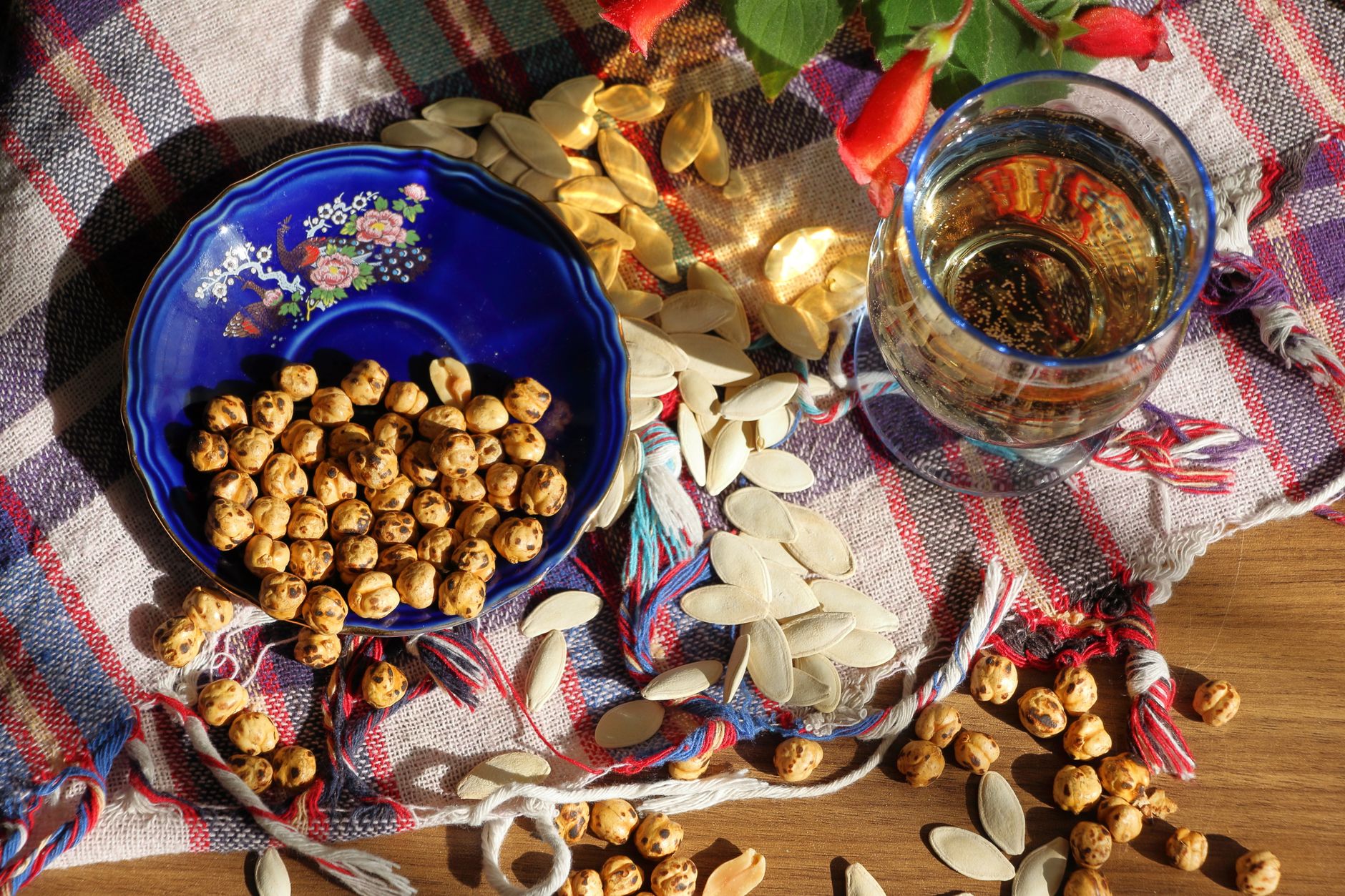
Roasted chana is one of the most accessible and heart-supportive snacks available. It is high in plant protein, dietary fibre, and essential minerals like magnesium and potassium — all of which support healthy blood pressure and cholesterol. A small handful (about 30 g) makes a satisfying mid-morning or evening snack. Choose the lightly salted or unsalted variety instead of heavily masala-coated options.
2. Mixed Nuts — A Small Handful Goes a Long Way
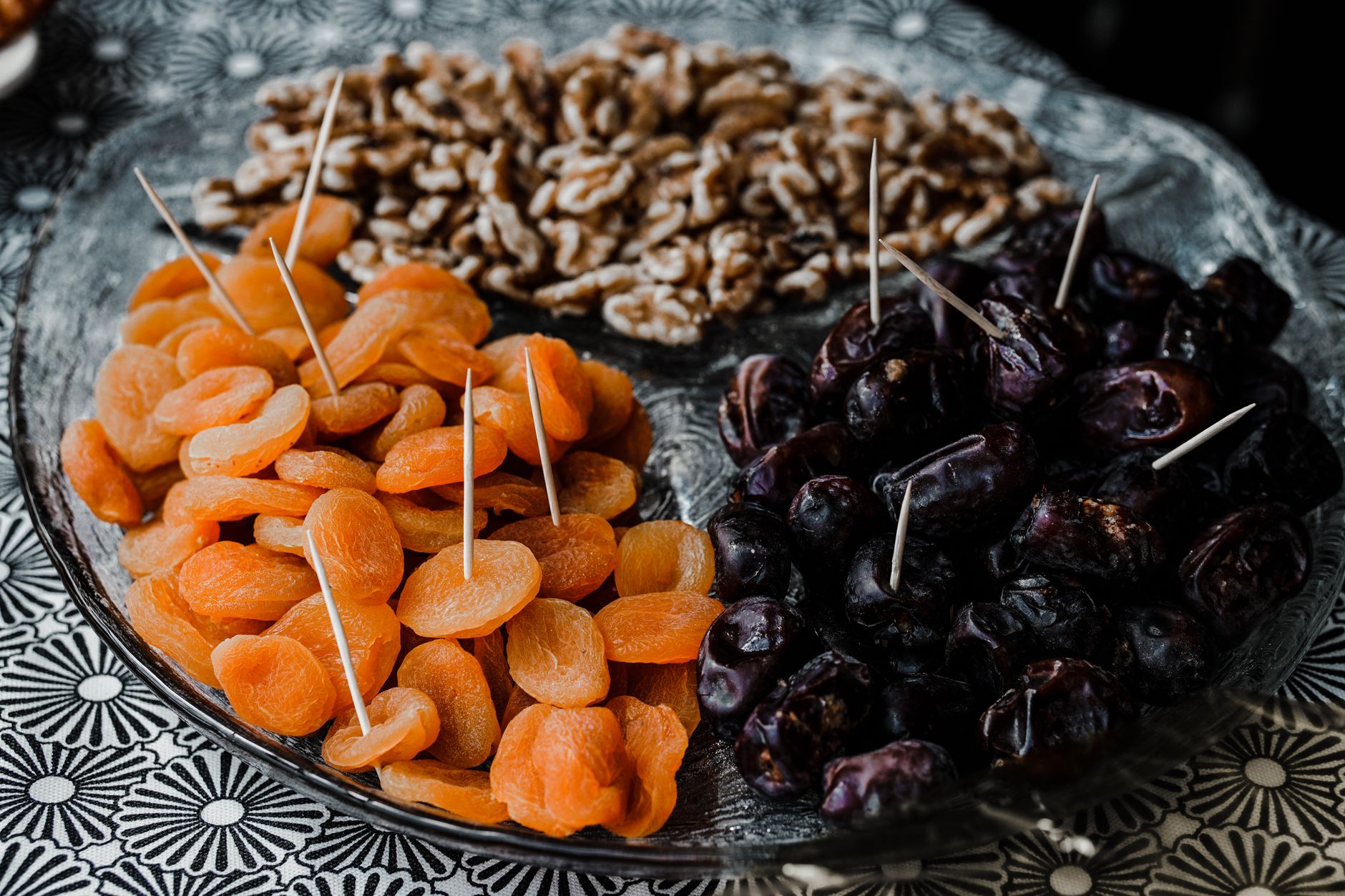
Walnuts, almonds, and pistachios contain healthy unsaturated fats (omega-3 fatty acids and monounsaturated fats) that are associated with better heart health. Research consistently shows that people who include a moderate amount of nuts in their diet tend to have healthier cholesterol profiles. In the Gujarati household, a small katora (bowl) of mixed, unsalted nuts makes a far better daily snack than a packet of fried sev or gathiya.
Tip: Keep the portion to about 20–25 g (a small fistful) per day — nuts are calorie-dense.
3. Dhokla — A Gujarati Classic That's Already Heart-Friendly
Good news: dhokla is genuinely one of the better snack choices for heart health! Made from fermented rice and chickpea flour (besan), it is:
- Steamed, not fried
- Rich in protein and fibre
- Lower in saturated fat than most fried snacks
- Relatively low in calories per serving
The tempering (tadka) uses only a small amount of oil. Just watch the salt — commercial dhokla can be quite salty. When making it at home, you can reduce the salt and still enjoy the full flavour.
4. Sprouted Moong Salad
Sprouted moong (green gram) is a powerhouse of nutrition. Sprouting increases the bioavailability of vitamins and minerals and makes it easier to digest. Toss sprouted moong with finely chopped cucumber, tomato, a squeeze of lemon, and a pinch of chaat masala for a refreshing snack that supports heart health through:
- High fibre content (lowers LDL cholesterol)
- Plant protein (keeps you full, reducing overeating)
- Antioxidants (from fresh vegetables)
This is a snack familiar to many Rajkot families, especially during summer months, and it is easy to prepare in large batches for the week.
5. Roasted Makhana (Fox Nuts / Lotus Seeds)
Makhana has become increasingly popular as a snack, and for good reason. It is low in saturated fat, low in sodium (when prepared at home), and contains magnesium — a mineral important for maintaining a regular heart rhythm. Lightly dry-roast makhana in a pan with a tiny amount of ghee and a pinch of turmeric and black pepper. This creates a crunchy, satisfying snack without the downsides of deep-fried alternatives.
6. Whole-Grain Khakhra
Khakhra is a beloved Gujarati snack that, in its traditional whole-wheat form, is relatively heart-friendly. It is dry-roasted (not fried), low in moisture, and can be made with added fibre from methi (fenugreek) or jeera (cumin). Choose or prepare khakhra with:
- Whole wheat or multigrain flour rather than maida (refined flour)
- Minimal oil on the surface
- Low added salt
Pair it with a small portion of homemade green chutney (coriander, mint, lemon) for extra vitamins without added sugar or preservatives.
7. Fresh Fruit — Nature's Snack
Fruits are among the most underused snack options in Indian households, where savoury snacks tend to dominate. Yet fruits like guava, papaya, apple, and seasonal options like jamun (Indian blackberry) are rich in:
- Soluble fibre (helps lower LDL cholesterol)
- Potassium (supports healthy blood pressure)
- Antioxidants (reduce inflammation in blood vessels)
A seasonal fruit bowl in the evening is a satisfying, natural choice that fits perfectly into a heart-healthy lifestyle. In Gujarat, fruits like ber, chiku, and sitaphal are locally available and affordable.
What to Reduce (and Why)
Deep-Fried Snacks
Ganthia, bhajiya, chakli, and deep-fried puri are cooked in large quantities of oil at high temperatures. This increases saturated fat content and, when oils are reused (a common practice), produces harmful compounds. These snacks are absolutely fine as an occasional treat — just not an everyday staple.
High-Sodium Packaged Snacks
Namkeen mixes, packaged chips, and instant noodles often contain very high levels of sodium (salt). For someone managing blood pressure, excess sodium can directly raise readings. Reading the nutrition label and choosing options with less than 400 mg sodium per serving is a useful habit to build.
Sugary Snacks and Mithai
Traditional Gujarati sweets like mohanthal, halwa, and ladoo are made with refined sugar, ghee, and maida. Enjoyed in small amounts on special occasions, they are part of a rich cultural tradition. As a daily snack, however, their high sugar and saturated fat content can affect triglyceride levels and blood sugar — both relevant to heart risk.
Practical Tips for the Gujarati Kitchen
- Swap deep-frying for air-frying or roasting — you retain the crunch with far less oil
- Use less salt in homemade snacks and add flavour with herbs and spices like turmeric, cumin, coriander, and ajwain
- Cook with healthier oils — mustard oil, groundnut oil, and olive oil in moderation are preferable to vanaspati (partially hydrogenated vegetable fat)
- Make snacks at home when possible — you control the ingredients
- Plan snack time — unplanned hunger often leads to reaching for whatever is nearest, which is usually the less healthy option
A Word About Portions
Even heart-friendly snacks can become a concern when eaten in very large quantities. A 55-year-old with borderline cholesterol, for example, might snack on roasted chana throughout the day without realising they are consuming far more sodium and calories than intended. Portion awareness — not obsessive calorie counting, but a general sense of how much is appropriate — is an important habit.

Putting It All Together
The Gujarati kitchen is full of ingredients and traditions that can easily be shaped into a heart-supportive lifestyle. You do not need to abandon the foods you love — you need to understand how to work with them. Small, steady changes — choosing dhokla over bhajiya on a weekday, adding a fruit to your afternoon snack, swapping packaged namkeen for a handful of mixed nuts — add up significantly over months and years.
Heart disease prevention is not about perfection. It is about consistent, informed choices that fit your real life, your culture, and your taste.
If you have been diagnosed with a heart condition, high blood pressure, diabetes, or high cholesterol, please speak with a qualified cardiologist before making significant dietary changes. Every person's needs are different, and personalised guidance makes all the difference. To discuss your heart health with Dr. Nikhila Pachani, Consultant Interventional Cardiologist in Rajkot, feel free to book a consultation at our clinic.
Frequently asked questions
- Which Gujarati snacks are good for heart patients?
- Steamed dhokla, roasted chana, sprouted moong salad, whole-wheat khakhra, roasted makhana, and mixed unsalted nuts are all heart-friendly options common in Gujarati households. They are lower in saturated fat and higher in fibre and protein compared to deep-fried alternatives.
- Is ghee bad for heart health?
- Ghee in small amounts is not necessarily harmful for most people, but it is high in saturated fat. For those managing cholesterol or heart disease, it is advisable to use ghee sparingly and prefer healthier cooking oils like mustard or groundnut oil for daily cooking. Always consult your cardiologist for personalised advice.
- How much salt is safe in a heart-healthy diet?
- General guidelines recommend less than 5 grams (about one teaspoon) of total salt per day for adults, and even less for those with high blood pressure or heart disease. In a typical Indian diet, salt intake from pickles, namkeen, and packaged foods can add up quickly, so it is important to be mindful of hidden salt sources.
- Can I eat fried snacks if I have a heart condition?
- Fried snacks are best enjoyed occasionally and in small portions rather than as a daily habit. If you have a heart condition, your cardiologist will give you specific dietary guidance. In general, choosing roasted, steamed, or air-fried alternatives on most days is a practical and sustainable approach.