
What Are Heart Palpitations?
Have you ever suddenly felt your heart racing, fluttering, or skipping a beat — even when you were sitting quietly? That sensation is called a heart palpitation. It can feel like a thud in your chest, a rapid flutter, or a brief pause followed by a strong "thump."
Heart palpitations are one of the most common reasons people visit a cardiologist. The good news: most of the time they are harmless and pass on their own. But occasionally, they can signal something that needs medical attention. Knowing the difference is what matters most.
How Does a Normal Heartbeat Work?
Your heart beats about 60–100 times per minute at rest, controlled by a tiny electrical system inside the heart muscle. This system sends signals in a precise order, making your heart chambers squeeze and relax in a smooth, rhythmic pattern.
When anything disrupts that electrical signal — even briefly — you may feel your heartbeat in a way you usually do not. That awareness is a palpitation.
Common Causes of Heart Palpitations
Heart palpitations have a wide range of causes, from everyday lifestyle factors to underlying health conditions. Here is a simple breakdown:
Lifestyle and Everyday Triggers
- Caffeine and tea — Chai lovers in Gujarat, take note! Excess caffeine from tea, coffee, or energy drinks is one of the most frequent triggers.
- Stress and anxiety — Emotional stress releases adrenaline, which speeds up the heart.
- Lack of sleep — Poor rest puts strain on the body's regulatory systems.
- Dehydration — Especially common in Rajkot's hot summers; low fluid levels can cause the heart to beat faster.
- Strenuous exercise — A racing heart during or right after a workout is usually completely normal.
- Heavy meals — A large, rich meal can temporarily shift blood flow and trigger flutter-like sensations.
- Alcohol and tobacco — Both are well-known irritants to heart rhythm.
Medical and Hormonal Causes
- Anaemia — Low haemoglobin means the heart works harder to carry oxygen, often causing a fast heartbeat.
- Thyroid disorders — An overactive thyroid (hyperthyroidism) is a very common and treatable cause of persistent palpitations.
- Low blood sugar (hypoglycaemia) — Especially relevant for people managing diabetes.
- Fever — Any infection with high fever can temporarily speed up the heart.
- Hormonal changes — Pregnancy, menstruation, and menopause can all bring on palpitations.
- Certain medications — Some decongestants, asthma inhalers, and even herbal supplements can trigger them.
Heart-Related Causes
In a smaller number of cases, palpitations arise from the heart itself:
- Premature beats (ectopic beats) — Extra beats that arise from outside the heart's normal pacemaker. These feel like a "skipped" beat and are often harmless.
- Supraventricular tachycardia (SVT) — Sudden bursts of rapid heartbeat, sometimes reaching 180–220 beats per minute.
- Atrial fibrillation (AF) — An irregular, often rapid rhythm that needs proper diagnosis and management.
- Ventricular arrhythmias — Less common but more serious disturbances in heart rhythm.
What Does It Feel Like? Recognising the Sensations
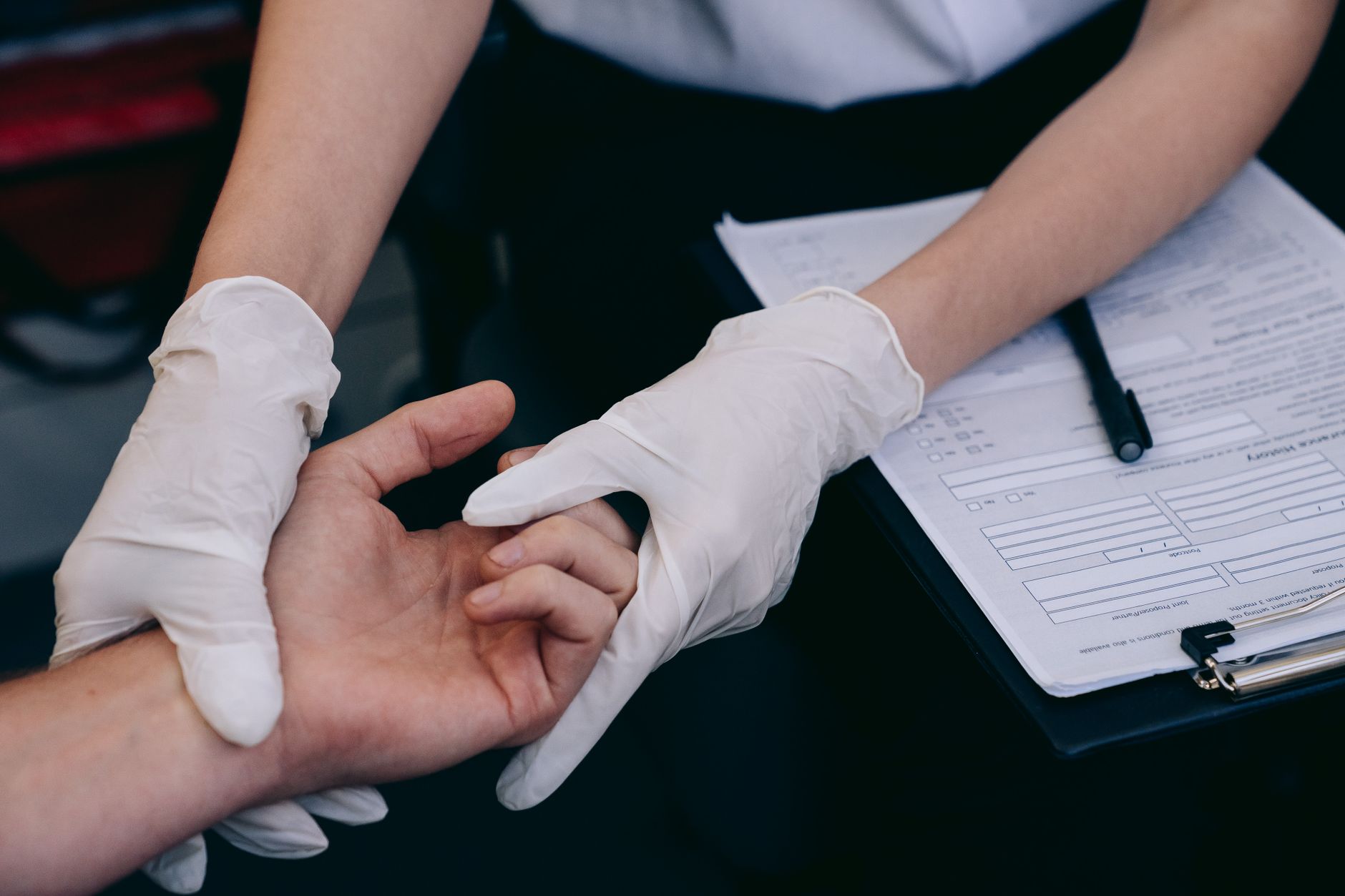
People describe heart palpitations in many different ways. You might notice:
- A fluttering or "butterfly" feeling in the chest
- A heart that seems to be "pounding" loudly
- A brief pause, then a forceful thump
- A racing sensation that comes and goes
- Occasional awareness of the heartbeat in the throat or neck
Most episodes last only a few seconds to a couple of minutes. When they stop as suddenly as they started, and you feel completely fine afterward, that is often a reassuring sign.
Key Takeaways
- Most heart palpitations are harmless and linked to lifestyle triggers like stress, caffeine, or dehydration.
- Thyroid disorders, anaemia, and hormonal changes are common non-cardiac causes that are easy to test for and treat.
- Palpitations that come with chest pain, dizziness, breathlessness, or fainting need prompt medical evaluation.
- A simple ECG (electrocardiogram) is usually the first test a cardiologist will recommend.
- Keeping a symptom diary — noting when palpitations happen, how long they last, and any triggers — helps your doctor greatly.
- Lifestyle changes such as reducing caffeine, managing stress, staying hydrated, and sleeping well can significantly reduce episodes.
When Should You Not Ignore Palpitations?
This is the most important question. While most palpitations are benign, certain warning signs mean you should seek medical care promptly — do not wait.
See a cardiologist soon if your palpitations:
- Last longer than a few minutes and happen frequently
- Come with chest pain or chest tightness
- Are accompanied by breathlessness at rest
- Cause dizziness, lightheadedness, or near-fainting
- Result in an actual blackout or loss of consciousness
- Occur in someone with a known heart condition
- Begin after starting a new medication
As an illustrative example, consider a 52-year-old person who notices sudden rapid heartbeats several evenings a week, each lasting about 10 minutes, and feels briefly dizzy during episodes. This pattern would warrant a cardiologist review and an ECG — it could be something as straightforward as SVT that responds very well to treatment.
How Are Palpitations Diagnosed?
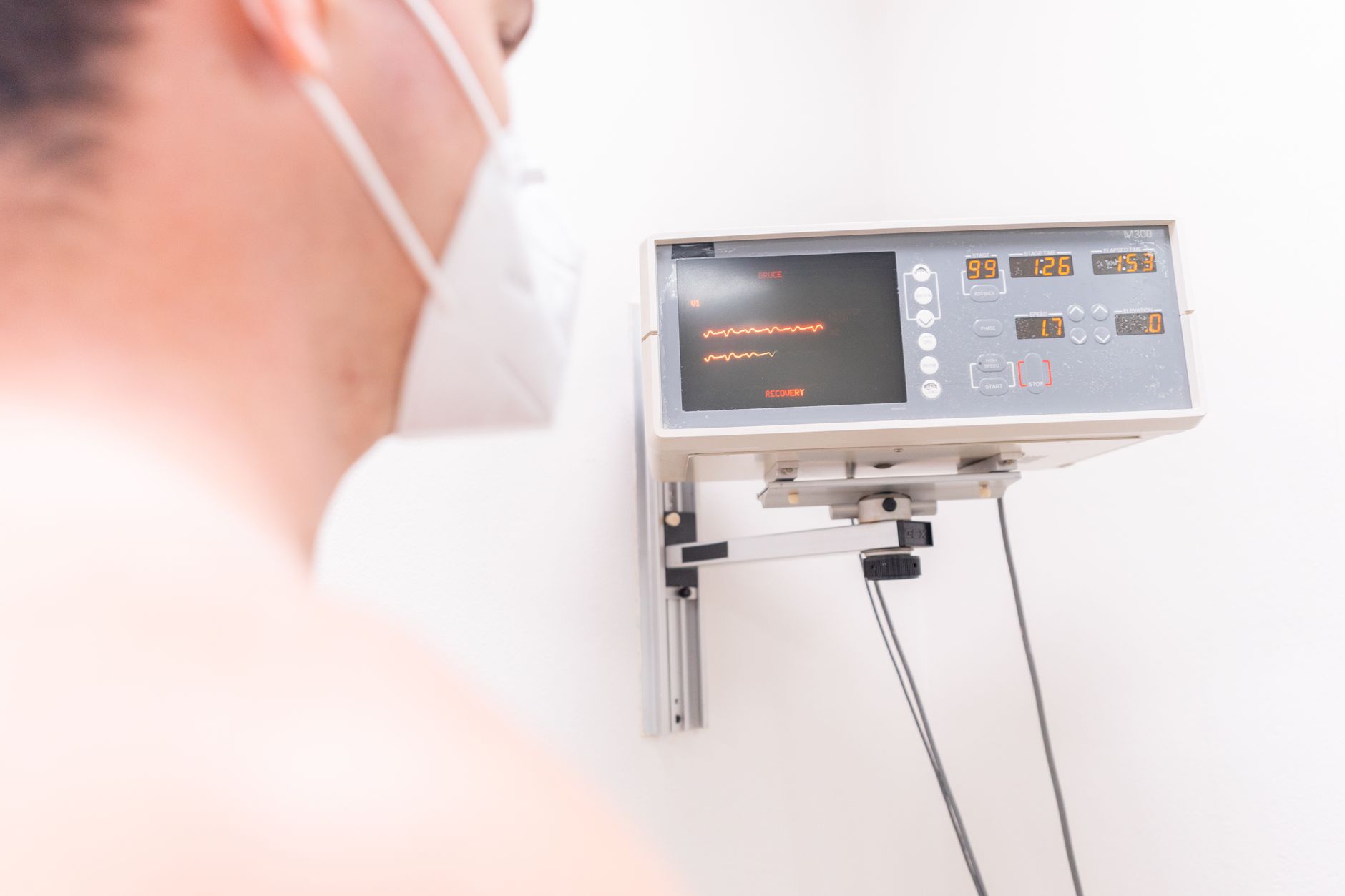
A cardiologist will begin with a detailed conversation about your symptoms, lifestyle, and medical history. From there, common investigations include:
Electrocardiogram (ECG)
A quick, comfortable, non-invasive test that records the heart's electrical activity. It can detect many rhythm disturbances instantly.
Holter Monitor
A small, wearable device you carry for 24–48 hours (or longer) that continuously records your heart rhythm. This is especially useful when palpitations do not occur every day — it helps "catch" an episode in real time.
Echocardiogram
An ultrasound scan of the heart to check its structure and function. Non-invasive and very informative.
Blood Tests
Checking thyroid function, haemoglobin, blood sugar, electrolytes (like potassium and magnesium), and kidney function can rule out many systemic causes quickly.
Event Monitor or Smartwatch ECG
For very infrequent palpitations, a longer-term event monitor or even a consumer smartwatch with ECG capability can help capture the rhythm during a symptomatic episode.
Managing and Reducing Palpitations
Once a serious cause has been ruled out, many people find their palpitations reduce significantly with simple changes:
- Cut back on caffeine — try switching one daily chai for herbal or decaf options
- Stay well hydrated — particularly important in Rajkot's warm climate
- Practice stress management — yoga, deep breathing, and mindfulness all have evidence behind them
- Prioritise sleep — aim for 7–8 hours consistently
- Limit alcohol and avoid tobacco entirely
- Eat smaller, regular meals rather than large heavy ones
- Exercise regularly but moderately — walking, swimming, or yoga are excellent starting points
If an underlying cause like thyroid disease or anaemia is found, treating that condition often resolves the palpitations completely. When a heart rhythm disorder is confirmed, your cardiologist will discuss appropriate options — which today include a range of effective, evidence-based treatments.

A Note on Anxiety and Palpitations
Anxiety and palpitations have a challenging relationship. Anxiety causes palpitations — and palpitations cause anxiety. This cycle can become exhausting. It is important to know that this is very real and very common, and it does not mean your symptoms are "all in your head." Both the physical and psychological aspects deserve proper care. Your cardiologist and, if needed, a mental health professional can work together to help you break this cycle.
Final Thoughts
Heart palpitations can feel alarming in the moment, but in most cases they are your body's way of responding to a trigger — not a sign of danger. The key is to pay attention to how they feel, how long they last, and what else is happening at the same time.
If you are in Rajkot or anywhere across Gujarat and have been experiencing palpitations that concern you, a consultation with a qualified cardiologist is the most reassuring and sensible next step. A few simple tests can provide clarity and peace of mind.
If you are unsure about your heart symptoms, please do not hesitate to consult a qualified cardiologist. Early evaluation is always worthwhile — your heart health deserves attention.
Frequently asked questions
- Are heart palpitations always a sign of a serious heart problem?
- No, most heart palpitations are harmless and caused by everyday factors such as stress, too much caffeine, dehydration, lack of sleep, or hormonal changes. However, palpitations that come with chest pain, dizziness, breathlessness, or fainting should be evaluated by a cardiologist promptly.
- What is the first test a doctor does for heart palpitations?
- An ECG (electrocardiogram) is usually the first test. It is a quick, non-invasive recording of your heart's electrical activity and can detect many rhythm disturbances. If palpitations do not occur every day, a Holter monitor — worn for 24–48 hours — may be used to capture the heart rhythm over a longer period.
- Can thyroid problems cause heart palpitations?
- Yes. An overactive thyroid (hyperthyroidism) is a common and treatable cause of persistent palpitations. A simple blood test checking thyroid hormone levels can confirm or rule this out, and treating the thyroid condition often resolves the palpitations.
- When should I see a cardiologist for palpitations instead of waiting?
- You should see a cardiologist soon if your palpitations last longer than a few minutes, happen frequently, or are accompanied by chest pain, breathlessness, dizziness, near-fainting, or an actual blackout. Also seek prompt review if you have a known heart condition or the palpitations started after a new medication.