
What Happens to Your Heart When You Stop Exercising?
You have just finished a brisk walk, a jog, or a session on the treadmill. You slow down, catch your breath, and within a few minutes your heart rate starts dropping back toward its resting level. That return journey — the speed at which your heart rate falls after exercise stops — is called heart rate recovery (HRR).
Most people focus on how fast their heart beats during a workout. But what your heart does after the workout can be just as revealing — sometimes even more so. Heart rate recovery after exercise meaning, in simple terms, is how quickly your heart can shift gears from "high effort" back to "calm and resting." This single measurement quietly tells your cardiologist a great deal about the health of your heart and its controlling nervous system.
The Science Behind Heart Rate Recovery
Your heart rate during exercise is controlled by two branches of the autonomic nervous system:
- The sympathetic nervous system — the "accelerator," which speeds the heart up during activity.
- The parasympathetic nervous system (mainly the vagus nerve) — the "brake," which slows the heart back down once activity stops.
In a healthy, fit heart, the parasympathetic branch kicks in quickly and efficiently the moment exercise ends. The heart rate drops noticeably within the first minute or two of rest. In a heart that is under stress — whether from poor fitness, blocked arteries, or other cardiovascular conditions — this braking system is slower or weaker, and the heart rate stays elevated for longer.
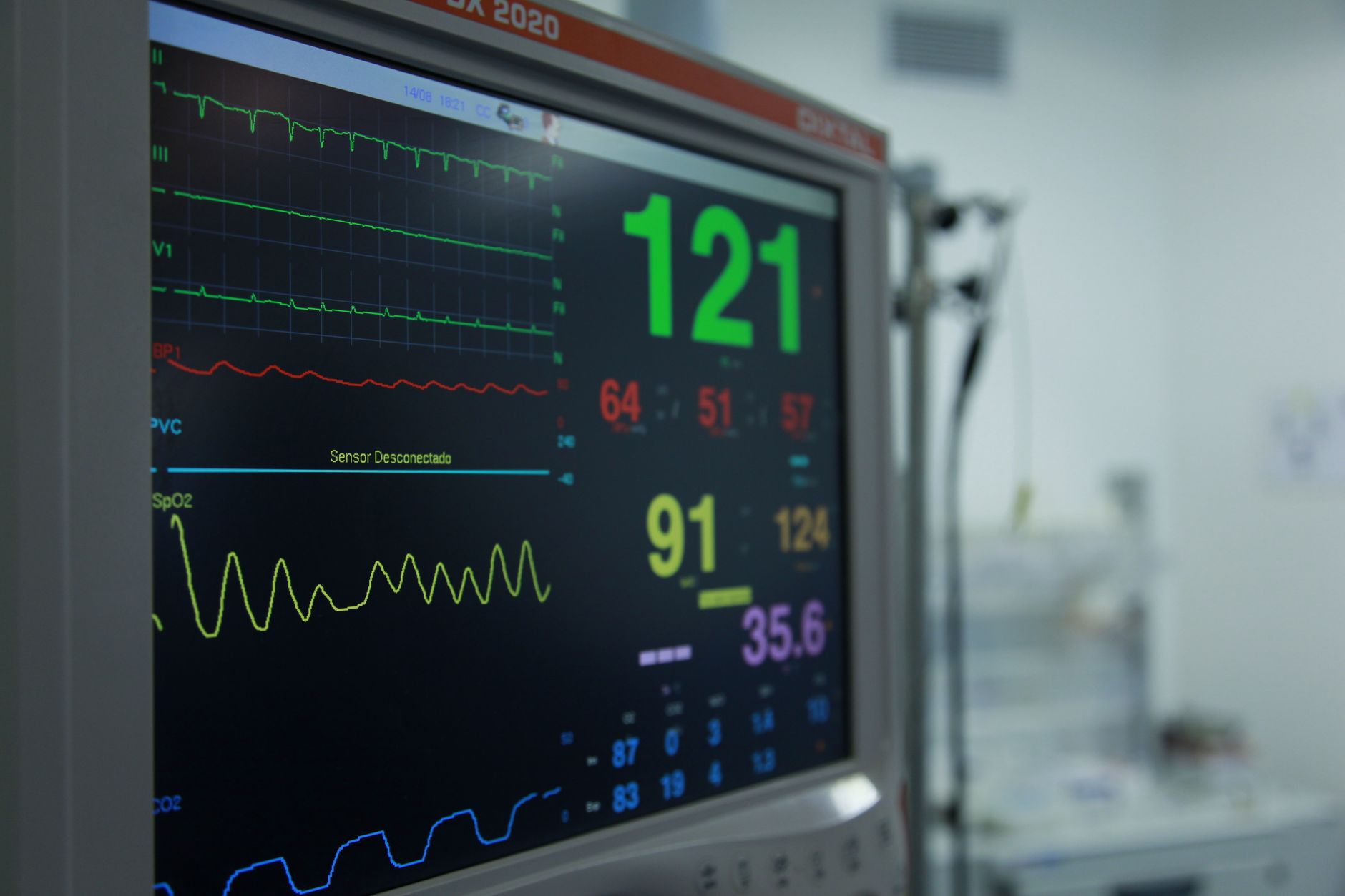
This is why cardiologists pay close attention to HRR: it is a non-invasive, easy-to-measure window into how well your autonomic nervous system and cardiovascular system are functioning together.
How Is Heart Rate Recovery Measured?
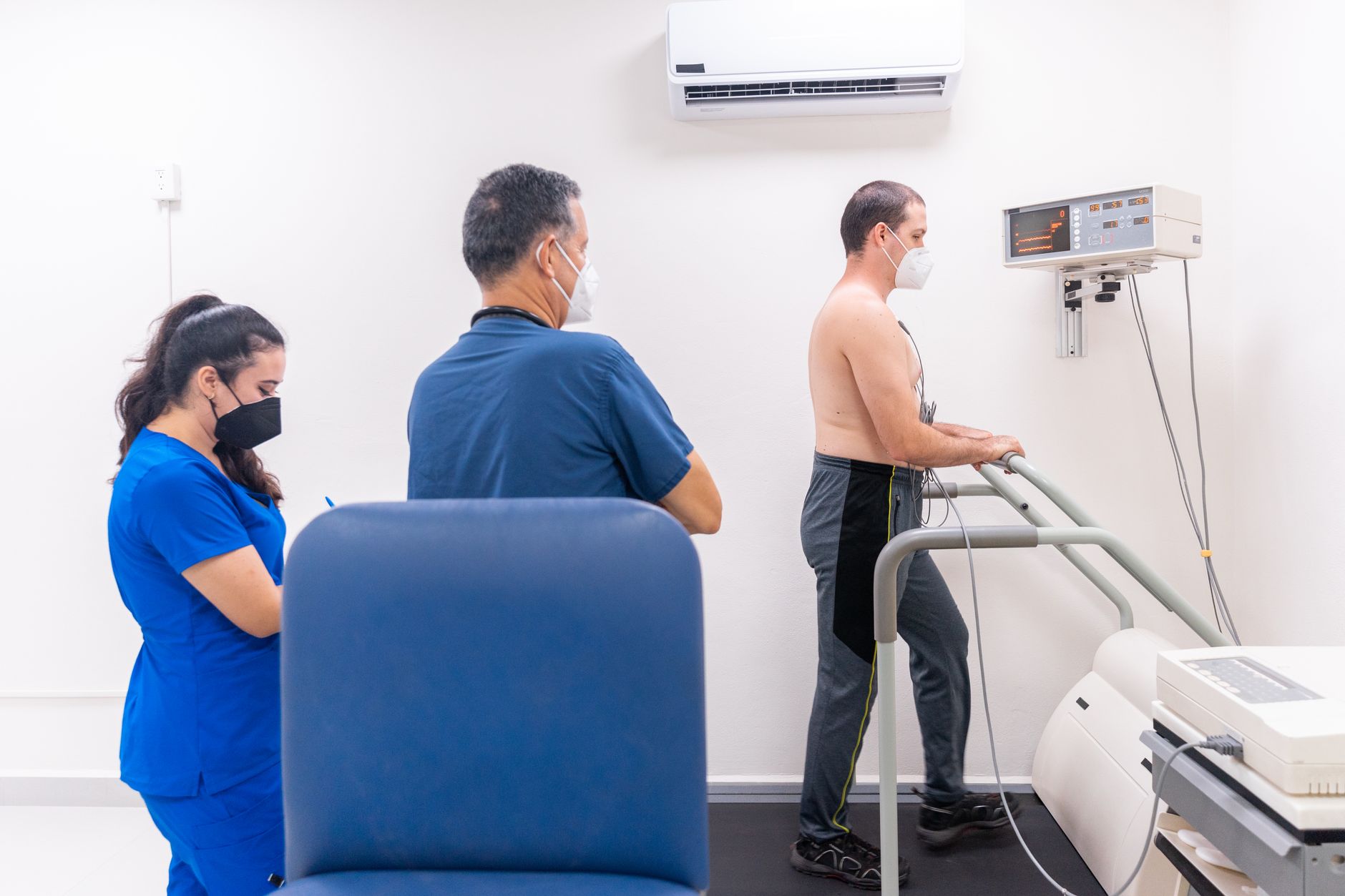
Heart rate recovery is most accurately measured during a treadmill stress test (also called an exercise stress test or TMT — Treadmill Test). Here is how it typically works:
- You walk or jog on a treadmill while your heart rate and ECG are monitored continuously.
- At peak exercise, your heart rate reaches its highest point.
- The treadmill is slowed and you enter a cool-down phase — usually standing or walking slowly.
- The difference between your peak heart rate and your heart rate exactly one minute later is your HRR at 1 minute.
- Some protocols also record HRR at 2 minutes.
What Numbers Are Considered Normal?
Most cardiology guidelines use the following benchmarks:
| Measurement Point | Healthy Recovery |
|---|---|
| HRR at 1 minute | Drop of ≥ 12 beats per minute (active cool-down) or ≥ 18 bpm (passive standing) |
| HRR at 2 minutes | Drop of ≥ 22 beats per minute |
If your heart rate drops by fewer beats than these thresholds, it is considered an abnormal heart rate recovery — a finding your cardiologist will want to investigate further.
A practical example: A 55-year-old might finish a stress test with a peak heart rate of 155 bpm. If their heart rate at the one-minute mark is 130 bpm, that is a drop of 25 bpm — a reassuring result. If it only drops to 148 bpm (a drop of just 7 bpm), further evaluation would be recommended.
Why Does a Slow Heart Rate Recovery Matter?
Research published over the past two decades consistently shows that a slow or blunted HRR is linked to a higher risk of:
- Cardiovascular disease, including coronary artery disease
- Future cardiac events such as heart attack
- All-cause mortality — not just heart-related deaths
- Diabetes and metabolic syndrome, which often co-exist with poor cardiac autonomic function
A landmark study in the New England Journal of Medicine found that patients with abnormal HRR (less than 12 bpm drop at 1 minute) had significantly higher mortality risk over a 6-year follow-up compared to those with normal recovery — independent of other risk factors.
This does not mean a slow HRR is a "death sentence." It is a signal — one that your doctor can act on with lifestyle changes, further tests, or treatment if needed.
Heart Rate Recovery as Part of a Stress Test in Rajkot
At cardiology clinics like that of Dr. Nikhila Pachani in Rajkot, the treadmill stress test (TMT) is one of the most commonly requested investigations — and HRR is a key part of what is analysed during that test. Patients in Rajkot and across Saurashtra are often referred for a TMT when they experience:
- Unexplained breathlessness or fatigue with mild activity
- Chest discomfort or palpitations during exertion
- A family history of early heart disease
- Diabetes, hypertension, or high cholesterol with no prior cardiac workup
The TMT itself is a comfortable, non-invasive test. Your HRR result is interpreted alongside your ECG changes, blood pressure response, and symptoms during the test — giving the cardiologist a complete picture.
What Affects Your Heart Rate Recovery?
Several factors influence how quickly your heart rate recovers:
Factors That Improve HRR
- Regular aerobic exercise — walking, cycling, swimming, yoga, and brisk walking all strengthen the parasympathetic nervous system over time.
- Healthy body weight — excess weight strains the cardiovascular system and slows recovery.
- Good sleep quality — poor sleep impairs autonomic nervous system balance.
- Not smoking — smoking directly damages autonomic function and cardiovascular efficiency.
Factors That Worsen HRR
- Sedentary lifestyle — the single biggest modifiable risk factor.
- Uncontrolled diabetes or hypertension — both damage the autonomic nervous system.
- Obesity — particularly central (abdominal) obesity, very common in the Indian population.
- Chronic stress — keeps the sympathetic system in overdrive, weakening parasympathetic recovery.
- Certain medications — beta-blockers, for example, intentionally slow heart rate and will affect HRR readings (your cardiologist accounts for this).

Can You Improve Your Heart Rate Recovery?
Yes — and this is one of the most empowering messages in cardiac fitness. HRR is not fixed. It responds to lifestyle changes, sometimes within weeks.
Practical Steps to Improve HRR
- Start with 30 minutes of moderate walking, 5 days a week. This is the most evidence-backed recommendation. In Rajkot's warmer months, early morning walks before 7 AM are ideal.
- Include light cool-down periods after every workout. Do not stop abruptly — slow down gradually for 5–10 minutes. This itself trains the parasympathetic system.
- Manage underlying conditions. Keeping blood sugar, blood pressure, and cholesterol well controlled directly benefits your autonomic nervous system.
- Prioritise sleep. Aim for 7–8 hours of quality sleep nightly.
- Practice stress-reduction techniques such as deep breathing (pranayama), meditation, or yoga — all of which have demonstrated benefits for cardiac autonomic function in Indian study populations.
- Quit tobacco in all forms — whether cigarettes, bidis, or smokeless tobacco (gutkha, khaini).
Key Takeaways
- Heart rate recovery (HRR) after exercise measures how quickly your heart rate drops in the first 1–2 minutes after stopping exercise.
- A drop of 12 bpm or more at 1 minute is generally considered a healthy response.
- Slow HRR is a recognised marker of reduced cardiac fitness and higher cardiovascular risk.
- It is most accurately measured during a treadmill stress test (TMT), a routine, non-invasive cardiac investigation.
- Regular aerobic exercise, weight management, good sleep, stress reduction, and controlling diabetes/blood pressure can all meaningfully improve your HRR over time.
- A single abnormal result is not a diagnosis — it is a prompt for further evaluation and positive action.
If you are concerned about your heart rate during or after exercise, or if you have not had a cardiac fitness check-up recently, speaking with a qualified cardiologist is a wise and proactive step. You can book a consultation with Dr. Nikhila Pachani, Interventional Cardiologist in Rajkot, to discuss a personalised cardiac assessment including a treadmill stress test.
Frequently asked questions
- What is a normal heart rate recovery after exercise?
- A healthy heart rate recovery is generally defined as a drop of 12 or more beats per minute (bpm) within the first minute after stopping exercise during an active cool-down. Some protocols using passive standing set the threshold at 18 bpm. A drop smaller than these values may indicate reduced cardiac fitness and warrants further evaluation by a cardiologist.
- How is heart rate recovery measured during a stress test?
- During a treadmill stress test (TMT), your heart rate is recorded at its peak exercise level. After the treadmill slows to a cool-down pace, your heart rate is measured again exactly one minute later. The difference between the two numbers is your heart rate recovery (HRR). The test is non-invasive and is performed with continuous ECG monitoring.
- Can a slow heart rate recovery be improved?
- Yes. Regular aerobic exercise — such as 30 minutes of brisk walking five days a week — is one of the most effective ways to improve heart rate recovery over time. Managing blood pressure, blood sugar, and body weight, getting adequate sleep, reducing stress, and quitting tobacco also contribute to better cardiac autonomic function and faster HRR.
- Is an abnormal heart rate recovery a sign of a heart attack?
- Not necessarily. An abnormal HRR is a marker of reduced cardiac fitness and a higher statistical risk of cardiovascular events, but it is not a diagnosis of heart attack or any specific disease on its own. It is a signal that prompts your cardiologist to look more closely — through additional tests and a review of your risk factors — so that appropriate steps can be taken early.