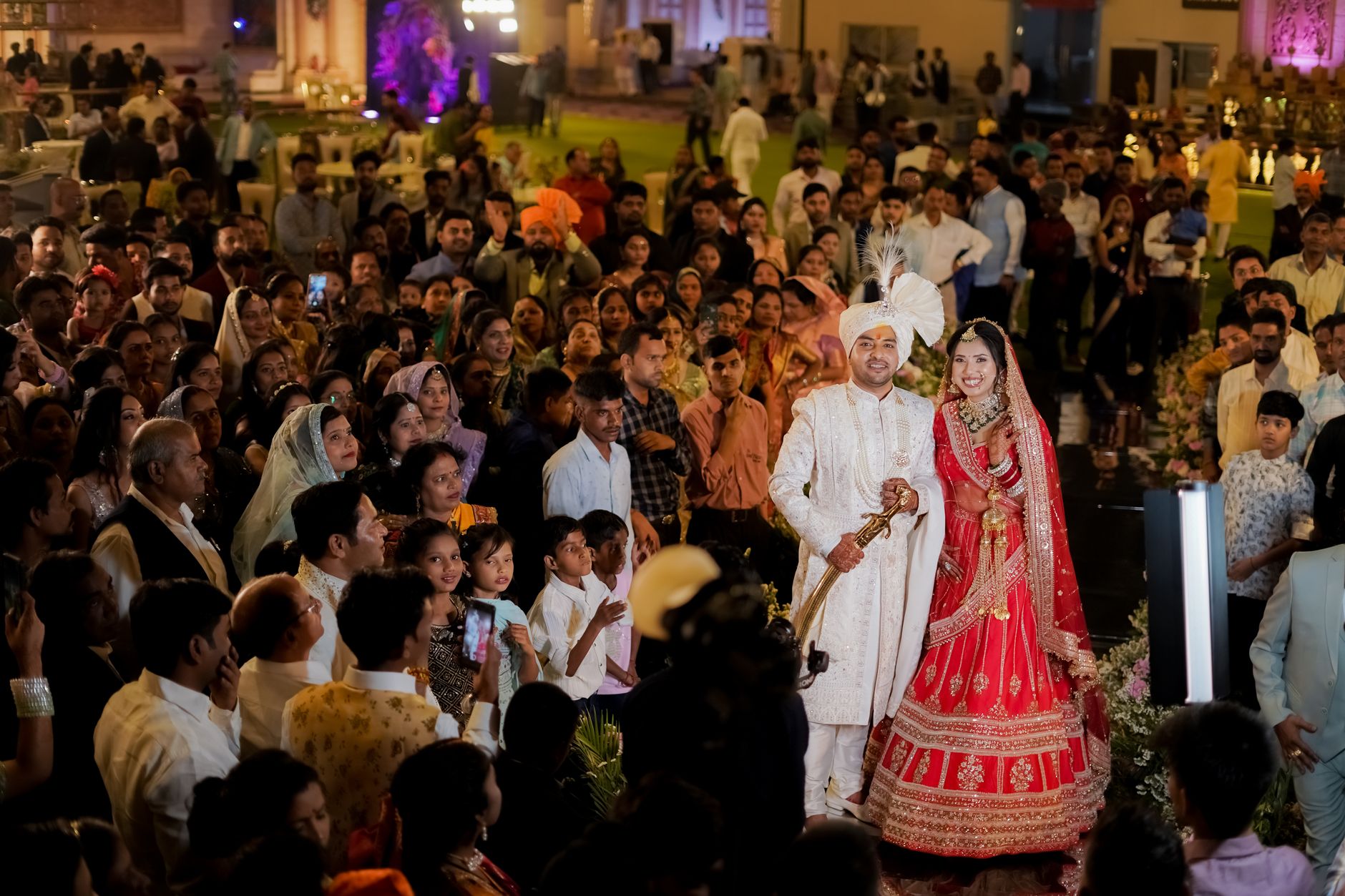
Gujarat's wedding season is a spectacle like no other. From the glittering gharchola sarees to the thundering dhol beats, from multi-day ceremonies at open-air farmhouses in Saurashtra to evening sangeet functions under a starlit sky — these celebrations are deeply woven into who we are. But as temperatures in Rajkot and across Gujarat regularly soar past 40°C between April and June, our hearts quietly face an extra challenge that most of us never think about.
This article explains, in plain language, how summer heat and crowded celebrations affect your heart — and what simple steps can keep you dancing all night (safely).
A quick note: This is general health education. It is not a substitute for advice from your personal doctor or cardiologist.
Why Summer Heat Is Hard Work for Your Heart
Your heart is essentially a pump, and temperature is one of its biggest regulators. On a hot day, your body needs to cool itself down. To do that, it pushes more blood toward your skin so heat can escape. This means your heart has to pump harder and faster — sometimes 30–50% more than on a cool day — just to keep your body temperature stable.
For a young, healthy person with no underlying conditions, the heart usually handles this well. But for anyone with high blood pressure, diabetes, a previous heart attack, or even undiagnosed coronary artery disease (which is surprisingly common in India), this extra workload can tip the balance.
The Hidden Danger in a Crowd
A packed mandap or a packed dance floor adds another layer of stress:
- Body heat multiplies. Hundreds of people in one space push ambient temperatures even higher.
- Carbon dioxide levels rise. Poor ventilation in tents or banquet halls can reduce the oxygen available to breathe.
- Adrenaline spikes. Excitement, music, and joyful energy are wonderful — but they also cause your heart rate and blood pressure to rise.
- Dehydration accelerates. Dancing, talking loudly, and sweating in formal wear can lead to fluid loss much faster than you realise.
Who Is at Higher Risk?
While everyone should take basic precautions, certain groups need to be especially mindful at summer outdoor events in Gujarat:
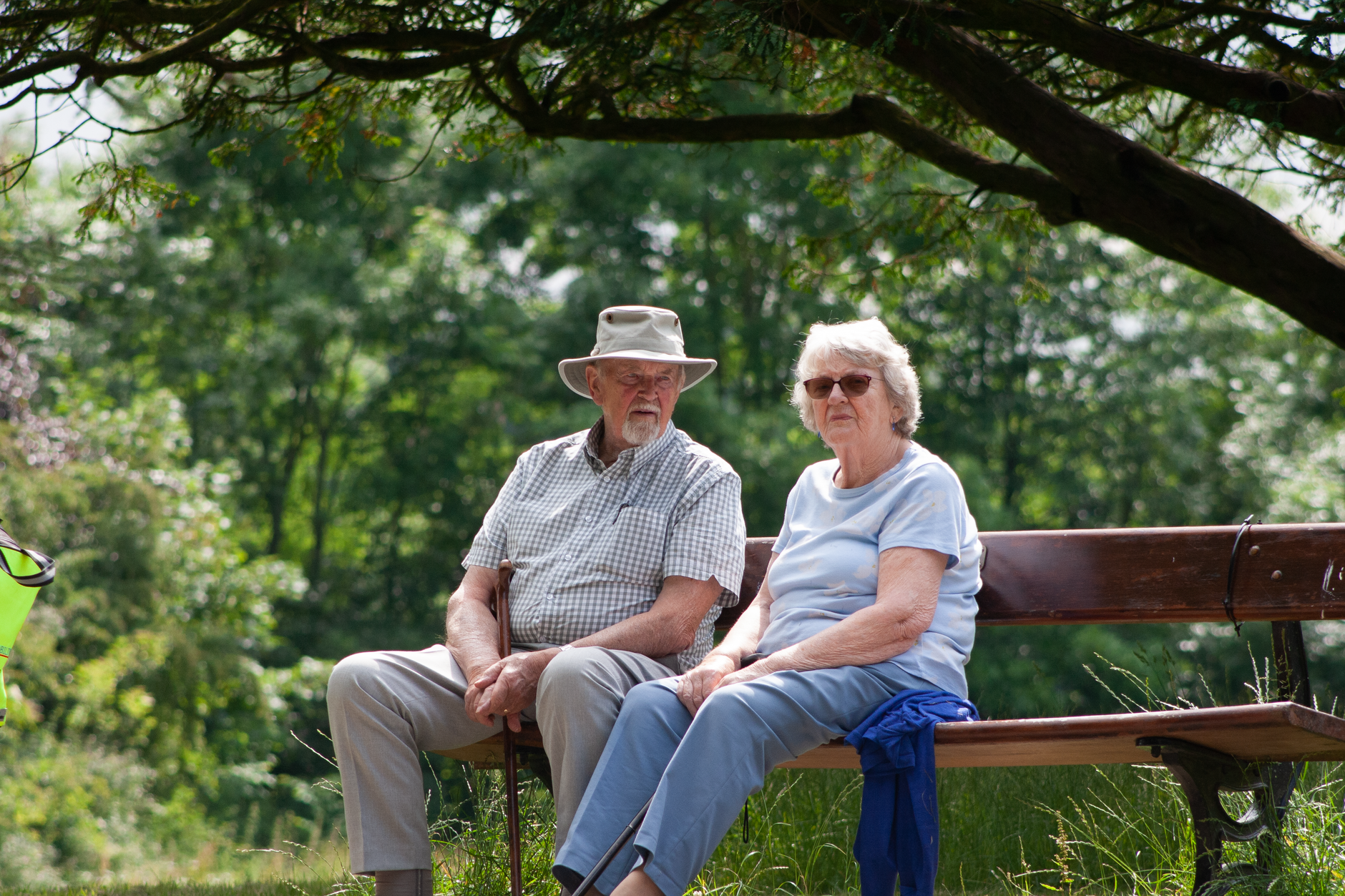
- People over 55 years of age — the heart's ability to adapt to heat stress decreases with age.
- Those with known heart disease, high blood pressure, or diabetes — these conditions already place a baseline load on the heart.
- Anyone on medications — some blood pressure medicines (like diuretics), antihistamines, and even some diabetes drugs can affect how well the body regulates heat.
- People who are overweight or obese — excess body mass traps heat and makes the heart work harder.
- Those recovering from a recent illness or surgery — even a mild viral fever a week before can affect the heart's resilience.
Consider this illustrative example: a 58-year-old man with controlled hypertension might feel perfectly fine at home in his air-conditioned bedroom, but after two hours of standing in an outdoor baarat procession in the May afternoon sun, his blood pressure could fluctuate significantly and trigger symptoms he may not immediately recognise as cardiac.
Warning Signs You Should Never Ignore
At a celebration, it is very tempting to dismiss symptoms as tiredness, too much food, or excitement. Please do not. Seek medical attention promptly if you or someone around you experiences:
- Chest discomfort, pressure, tightness, or pain — even mild, even brief
- Unusual shortness of breath — especially if it comes on suddenly
- Palpitations or a racing heartbeat that feels abnormal
- Dizziness, light-headedness, or fainting
- Sudden sweating that feels cold or clammy (this is different from normal heat sweating)
- Nausea or jaw/arm discomfort alongside any of the above
These symptoms, especially in combination, can signal a cardiac event. In Rajkot, as in any city, calling 108 immediately and getting to a hospital with a cardiac care facility is the right first step.

Practical Heart Safety Tips for Gujarat's Summer Events
The good news: a few thoughtful habits can make an enormous difference. Here is what cardiologists routinely advise for heart safety at outdoor events in Gujarat's summer season.
Before the Event
- Speak to your cardiologist or doctor if you have any known heart condition, high blood pressure, or diabetes before attending a major outdoor event in peak summer. A quick check-up is worth far more than it costs.
- Do not skip your medications on event day because of fasting rituals or because you "feel fine." Missing doses of blood pressure or heart medications on a hot, stressful day is risky.
- Sleep well the night before. Sleep deprivation compounds heat stress on the heart.
Hydration — The Single Most Important Factor
Dehydration thickens your blood, raises your heart rate, and drops your blood pressure — a dangerous combination in the heat. Follow these simple guidelines:
- Drink water consistently throughout the event — aim for a glass (200–250 ml) every 30–45 minutes, even if you do not feel thirsty.
- Coconut water and buttermilk (chaas) are excellent natural choices widely available at Gujarati celebrations.
- Limit alcohol significantly. Alcohol is dehydrating and affects heart rhythm.
- Limit very sweet, sugary drinks — they can cause rapid blood sugar swings that stress the heart.
Dress and Environment
- Choose light-coloured, breathable fabrics wherever possible. Light cotton under formal attire helps.
- Take regular breaks in shaded or air-conditioned areas — even 10 minutes of cool rest every hour helps your heart recover.
- Avoid standing for long periods in direct sunlight, especially between 11 AM and 4 PM.
- If you are organising an event, ensure adequate shade, good ventilation, and cold water stations are accessible to all guests.
Physical Exertion and Dancing
- Pace yourself. It is absolutely fine to enjoy the garba or bhangra — just take breaks.
- Sit down if you feel any sudden breathlessness or palpitations, even briefly.
- Avoid heavy lifting (decorations, chairs, etc.) in the heat if you have a heart condition.
For Family Members and Hosts
- Keep a basic first-aid kit and know the location of the nearest hospital.
- Identify elderly or at-risk guests early and ensure they have a comfortable, cool seat, easy access to water, and someone checking on them periodically.
- If the event has a large gathering, consider whether a first-aid volunteer or trained attendant could be on hand.
A Note on Heat Stroke vs. Heart Attack — Know the Difference
These two emergencies can look similar and can also occur together.
| Heat Stroke | Heart Attack | |
|---|---|---|
| Skin | Hot, dry or minimally sweaty | Often cold and clammy |
| Chest pain | Rarely the main symptom | Very common |
| Consciousness | Confusion, disorientation | Usually conscious initially |
| First step | Move to cool area, apply cool water | Call 108, do NOT move vigorously |
In reality, if you are unsure, treat both as emergencies and call for help immediately. Do not wait and watch.
The Bigger Picture: Your Heart Throughout Gujarat's Festival Calendar
Gujarat's celebrations don't stop at weddings. Navratri in October, Uttarayan in January, and summer fairs like the Tarnetar Mela all carry their own crowd and exertion dynamics. The principles of heart safety at outdoor events remain the same across the seasons — though summer carries the highest heat burden.
Building these habits now means you can participate in every celebration your family shares, for many years to come.
Key Takeaways
- Summer heat forces your heart to work significantly harder; combined with crowd stress, this can be risky.
- Dehydration is one of the most preventable triggers of cardiac stress at outdoor events — hydrate consistently with water, coconut water, or chaas.
- People with heart disease, high blood pressure, diabetes, or those over 55 should take extra precautions and consult their doctor before major outdoor events.
- Know the warning signs: chest discomfort, unusual breathlessness, palpitations, dizziness, and cold sweating. Never dismiss these as "just the heat."
- Rest regularly in cool or shaded areas, do not skip medications, and pace your physical activity.
- When in doubt, call 108 and get to a cardiac care facility promptly.
If you have a heart condition, are on cardiac medications, or simply want peace of mind before the wedding season, consider scheduling a consultation with a qualified interventional cardiologist. Dr. Nikhila Pachani's clinic in Rajkot, Gujarat is available to help you enjoy every celebration — safely and confidently.
Frequently asked questions
- Is it safe to attend a summer outdoor wedding in Gujarat if I have a heart condition?
- Many people with heart conditions safely enjoy outdoor celebrations by taking the right precautions — staying hydrated, resting in cool areas, not skipping medications, and pacing their activity. However, it is always advisable to speak with your cardiologist before attending a major outdoor event during peak summer, especially if your condition has changed recently.
- What are the early warning signs of a heart problem during a summer event?
- Watch for chest discomfort or tightness, unusual shortness of breath, a racing or irregular heartbeat, dizziness, cold or clammy sweating, or nausea. If you or someone around you experiences any of these symptoms — especially in combination — stop activity immediately, move to a cool area, and call 108 for emergency help.
- How much water should I drink at an outdoor summer event in Gujarat?
- A general guideline is to drink approximately 200–250 ml (one glass) of water every 30–45 minutes throughout the event, even if you do not feel thirsty. Natural options like coconut water and buttermilk (chaas) are also excellent for hydration. Limit alcohol and very sugary drinks, as these can worsen dehydration.
- Can excitement and loud music at a wedding affect my heart?
- Yes. The excitement, adrenaline, and noise of a celebration cause a natural rise in heart rate and blood pressure. For most healthy people this is temporary and harmless. For those with underlying heart conditions or high blood pressure, it adds to the overall stress of heat and physical activity. Being aware of this and taking regular calm breaks can significantly reduce the risk.