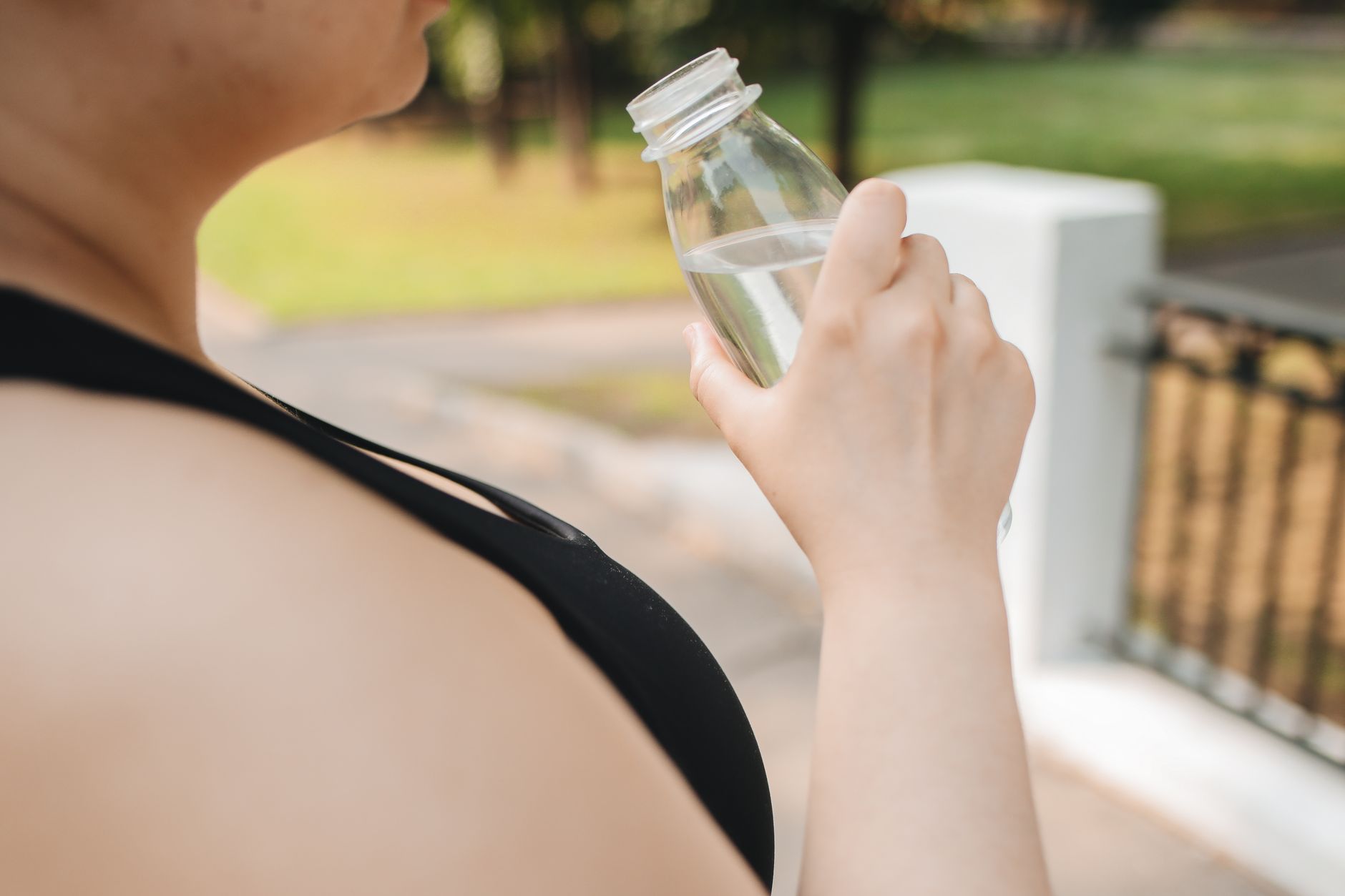
Why Summer in Gujarat Is More Than Just Uncomfortable
Every year, as April rolls into May and June, temperatures across Saurashtra and Gujarat climb well above 40°C — and in recent years, heat waves have become longer, more intense, and more frequent. For most people, this means discomfort, tiredness, and a craving for cool lassi or chhaas. But for the heart, extreme heat is a genuine physiological challenge — and understanding heat wave heart attack risk in Gujarat can literally be life-saving.
This guide is written for residents of Rajkot, Jamnagar, Junagadh, Bhavnagar, Morbi, and the wider Saurashtra-Gujarat region — people who live and work in one of India's hottest summer climates. Whether you have a known heart condition or simply want to be careful, this article will help you understand what happens to your heart in the heat and what you can do about it.
How Extreme Heat Puts Stress on the Heart
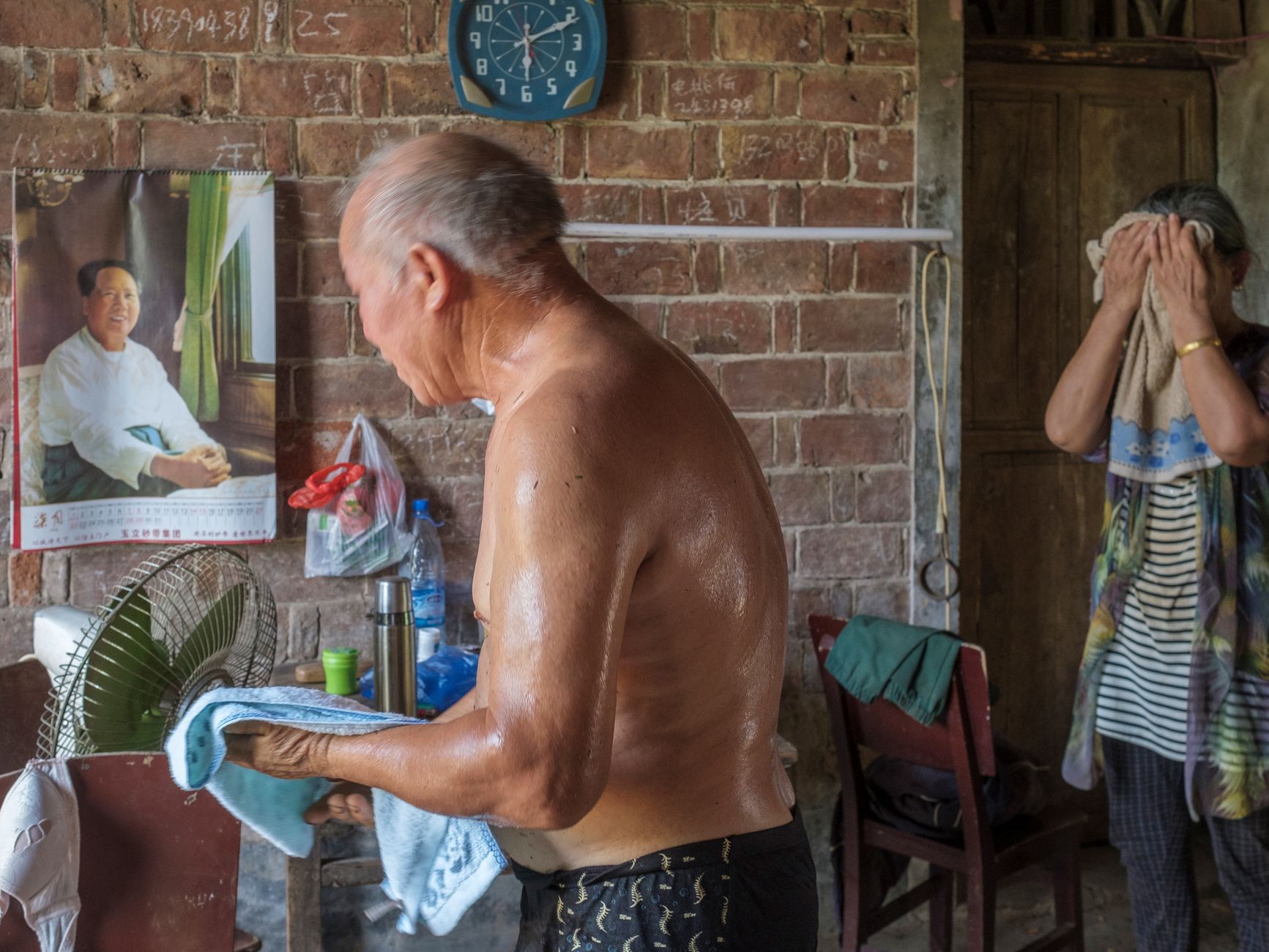
Your heart is at the centre of your body's cooling system. When outside temperatures rise, your skin blood vessels widen (dilate) to release heat. To push blood through these expanded vessels, the heart has to beat faster and work harder — sometimes pumping two to four times more blood per minute than it does on a cool day.
For a healthy heart, this extra load is manageable. But for someone with:
- Coronary artery disease (blocked arteries)
- High blood pressure (hypertension)
- Diabetes
- Heart failure
- A history of heart attack or angioplasty
…this increased demand can tip the balance toward a cardiac event.
Dehydration makes things worse. When you sweat heavily and do not replenish fluids, your blood becomes thicker and more prone to clotting — one of the key triggers of a heart attack. Research has consistently shown a spike in cardiac admissions during heat wave periods across South Asian urban centres, and cities like Rajkot — surrounded by semi-arid plains — are particularly exposed.

Who Is Most at Risk?
Heat wave heart attack risk in Gujarat is not equally distributed. Certain groups need to be especially alert:
- Adults over 60 years of age — the body's ability to regulate temperature declines with age.
- People with existing heart disease — any added strain on a compromised heart is more dangerous.
- Those on heart or blood pressure medications — some medicines (diuretics, beta-blockers, ACE inhibitors) can affect the body's heat response or increase dehydration risk.
- People with diabetes — autonomic nerve damage in diabetics can reduce the ability to sweat normally.
- Outdoor workers and farmers — a significant segment of Saurashtra's working population who cannot simply stay indoors.
- Overweight individuals — extra body fat acts as insulation, making heat dissipation harder.
An Illustrative Example
Consider a 62-year-old farmer from the outskirts of Rajkot who has mild hypertension and takes a daily diuretic tablet. On a 44°C afternoon in May, he spends three hours in the field, skips his afternoon water break, and returns home feeling dizzy and breathless. His symptoms — chest tightness, rapid heartbeat, and lightheadedness — are classic warning signs of both heat stress and a possible cardiac event. This kind of scenario is avoidable with the right precautions.
Warning Signs You Should Never Ignore
During a heat wave, it can be easy to dismiss serious symptoms as "just the heat." Do not wait. Seek medical attention promptly if you or someone near you experiences:
- Chest pain, pressure, or tightness — even mild or brief
- Sudden shortness of breath — especially without heavy exertion
- Rapid or irregular heartbeat (palpitations)
- Fainting or near-fainting
- Unusual sweating combined with cold, clammy skin
- Confusion or extreme sudden weakness
Heat stroke (body temperature rising above 40°C with mental confusion) is a medical emergency that can directly damage heart muscle. Call for emergency help immediately.
Practical Steps to Protect Your Heart This Summer
The good news is that most heat-related cardiac events are preventable. Here are evidence-aligned steps that anyone in Saurashtra and Gujarat can follow:
1. Hydrate Consistently — Not Just When Thirsty
Thirst is a late signal. Aim for 2.5–3.5 litres of water through the day. Natural drinks popular in Gujarat — chhaas (buttermilk), nariyal pani (coconut water), and nimbu pani (lemon water with a pinch of salt) — are excellent choices. They replenish electrolytes naturally. Avoid sugary soft drinks and limit chai and coffee in peak afternoon hours.
2. Time Your Activities Wisely
Avoid physical exertion — including morning walks, outdoor chores, and farm work — between 11 a.m. and 4 p.m., the hottest part of the day. Early morning (before 8 a.m.) or evening (after 6 p.m.) are safer windows for exercise.
3. Dress for the Heat
Loose, light-coloured, breathable cotton clothing (like traditional kurtas) traps less heat than synthetic fabrics. A cotton cap or dupatta and sunglasses when outdoors are simple protective measures.
4. Keep Your Living Space Cool
A cooler or fan pointed at a wet cloth can meaningfully reduce room temperature. If you do not have air conditioning, visit community cooling centres, malls, or well-ventilated temples during peak heat hours — something many Rajkot residents already do instinctively.
5. Never Skip Your Heart Medications
Heat can make people feel unwell and cause them to skip doses. This is dangerous. If you are on heart or blood pressure medicines, continue them as prescribed. If you feel your medication is causing dizziness or excess thirst in summer, talk to your cardiologist about dosage adjustments — do not self-adjust.
6. Eat Light, Eat Right
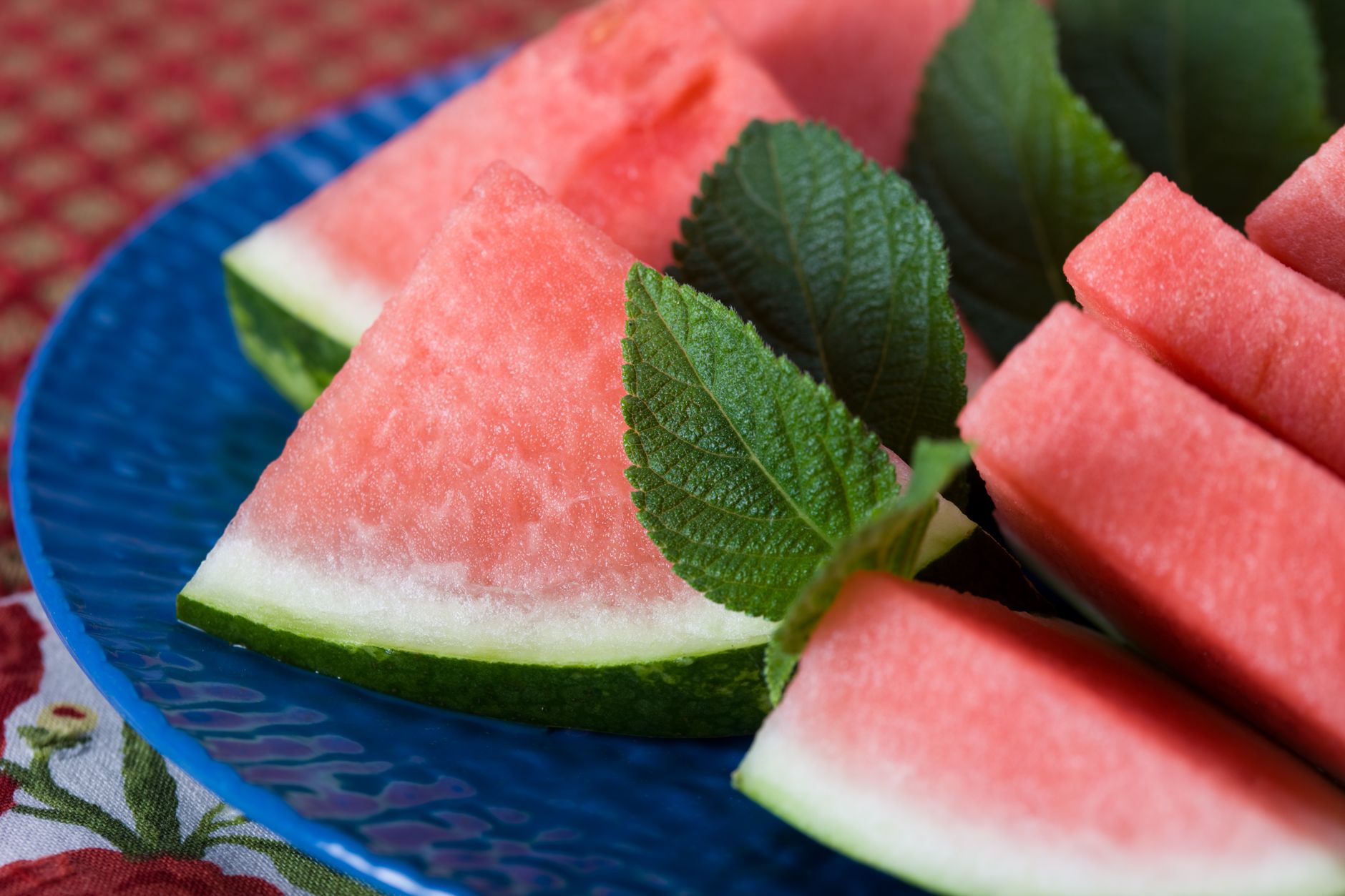
Heavy, oily meals make the body work harder to digest, adding to cardiac load. Summer meals in Gujarat's traditional cuisine are naturally well-suited — dal, khichdi, raita, and fresh sabji are all light and nourishing. Fresh fruits like tarbuch (watermelon), kakdi (cucumber), and musk melon also provide fluids and essential minerals.
7. Monitor Your Blood Pressure and Blood Sugar
Heat can cause temporary changes in both blood pressure and blood glucose levels. If you have a home BP monitor or glucometer, check your readings more frequently during a heat wave. Share any unusual readings with your doctor.
8. Look Out for Those Around You
Elderly parents, neighbours living alone, and outdoor labourers are often the most vulnerable. Check on them regularly. A simple phone call or visit in the afternoon can make a meaningful difference.
A Note on Medications and Heat
Several commonly prescribed cardiac medications deserve a special mention:
| Medication Type | Potential Heat-Related Concern |
|---|---|
| Diuretics ("water pills") | Increase urination, raising dehydration risk |
| Beta-blockers | May reduce the heart's ability to speed up, affecting heat adaptation |
| Vasodilators / Nitrates | Can cause a sharper drop in blood pressure in the heat |
| Antihypertensives (ACE inhibitors, ARBs) | May cause dizziness with excessive sweating |
This table is for general awareness only. Never stop or change cardiac medication without consulting your cardiologist.
Key Takeaways
- Extreme heat forces the heart to work significantly harder, raising the risk of cardiac events — this is especially relevant for Gujarat and Saurashtra residents.
- People with existing heart disease, hypertension, or diabetes face higher heat wave heart attack risk.
- Dehydration thickens the blood and increases clotting risk — stay consistently hydrated with water and natural electrolyte drinks.
- Avoid outdoor activity between 11 a.m. and 4 p.m. during heat wave conditions.
- Never ignore chest pain, breathlessness, palpitations, or fainting during summer — seek medical help promptly.
- Continue all prescribed heart medications; discuss any concerns with your cardiologist rather than stopping them on your own.
- Simple dietary and lifestyle choices rooted in Gujarat's own traditions — chhaas, light meals, cotton clothing, afternoon rest — are powerful protective tools.
If you have a heart condition or are concerned about your cardiac health this summer, consider scheduling a check-up with a qualified cardiologist. Early assessment and a personalised plan can give you confidence to navigate even the hottest Gujarat summer safely. Dr. Nikhila Pachani's clinic in Rajkot is available for consultations — your heart deserves proactive care, not just reactive treatment.
Frequently asked questions
- Does extreme heat actually increase the risk of a heart attack in Gujarat?
- Yes. During extreme heat, the heart must pump significantly more blood to cool the body, increasing its workload. Combined with dehydration — which thickens the blood and promotes clotting — this creates conditions that can trigger a heart attack, particularly in people with existing cardiac conditions. Heat wave periods are associated with a measurable rise in cardiac emergencies across South Asian cities, including those in Gujarat.
- What are the warning signs of a heat-related cardiac event I should not ignore?
- Seek immediate medical help if you experience chest pain or pressure, sudden shortness of breath, rapid or irregular heartbeat, fainting, cold and clammy skin despite the heat, or sudden confusion. These symptoms, especially during a heat wave, should never be dismissed as 'just the heat.'
- Can I continue my heart or blood pressure medications during a heat wave?
- Yes — you should continue all prescribed medications. However, some cardiac medicines such as diuretics, beta-blockers, and vasodilators may interact with the body's heat response. If you notice increased dizziness, unusual thirst, or lightheadedness during summer, speak with your cardiologist about whether any adjustment is appropriate. Never stop or self-adjust cardiac medication.
- What drinks are good for the heart during Gujarat's summer heat?
- Water is the most important — aim for 2.5 to 3.5 litres per day. Natural Gujarati drinks like chhaas (buttermilk), nariyal pani (coconut water), and nimbu pani (lemon water with a pinch of salt) are excellent because they replenish fluids and electrolytes. Avoid excess sugary soft drinks, alcohol, and large amounts of caffeine during peak heat hours.