The Snack You Did Not Think Was Harmful
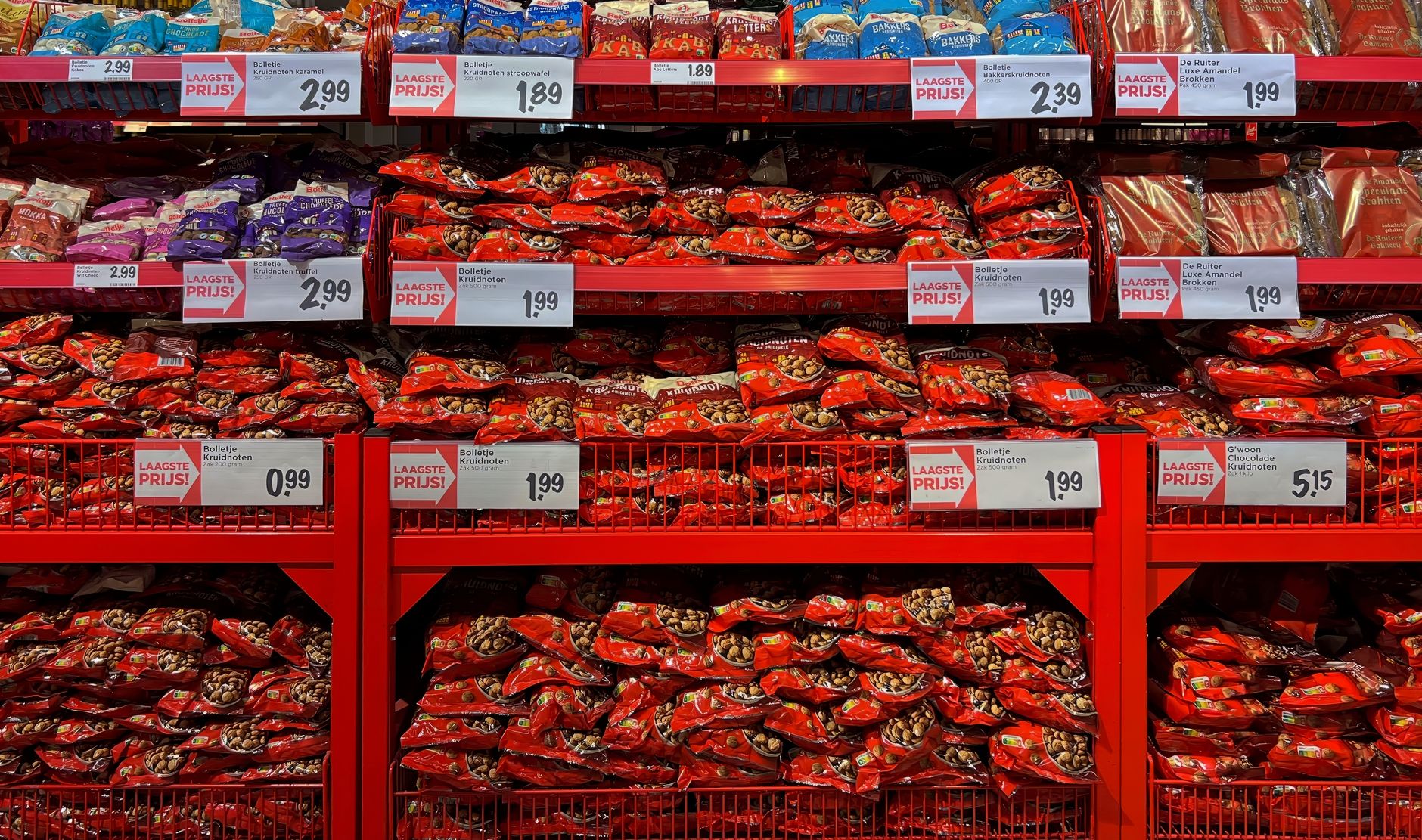
You finish a long day of work, settle onto the sofa, and reach for a packet of namkeen or a few biscuits with your evening chai. It feels harmless — even comforting. But if you have been told your blood pressure is "a little on the higher side," that innocent snack habit could be quietly making things worse.
The culprit is hidden sodium — the salt you never taste directly but that is packed into almost every popular ready-to-eat Indian snack. Understanding where this sodium hides, how much of it is too much, and what you can do about it is one of the most powerful steps you can take for your heart health.
Why Sodium Matters for Your Blood Pressure
Salt is made of two elements: sodium and chloride. It is the sodium part that directly affects blood pressure. When you eat too much sodium, your body holds onto extra water to dilute it. This extra fluid increases the volume of blood flowing through your arteries, which pushes up the pressure on artery walls — the very definition of high blood pressure (hypertension).
Over time, persistently raised blood pressure strains the heart, stiffens blood vessels, and significantly raises the risk of heart attack, stroke, and kidney disease. The World Health Organization recommends that adults consume less than 2,000 mg of sodium per day — roughly one level teaspoon of salt. Most urban Indians, studies suggest, are consuming nearly double that amount, and a growing share of that excess comes not from the salt shaker at the dining table, but from packaged and processed foods.
The Packaged Food Problem in India
India's packaged food market has grown dramatically over the last decade. Chips, namkeen, instant noodles, ready-to-eat curries, flavoured popcorn, biscuits, rusks, and frozen parathas are now everyday staples in kitchens across Rajkot, Ahmedabad, Mumbai, and beyond.
The challenge is that manufacturers use sodium for multiple reasons beyond just taste — it acts as a preservative, enhances texture, and boosts flavour in ways that make products more appealing. This means sodium is added in layers, often disguised under ingredient names that most shoppers do not recognise.
Common Hidden Sodium Ingredients to Watch For
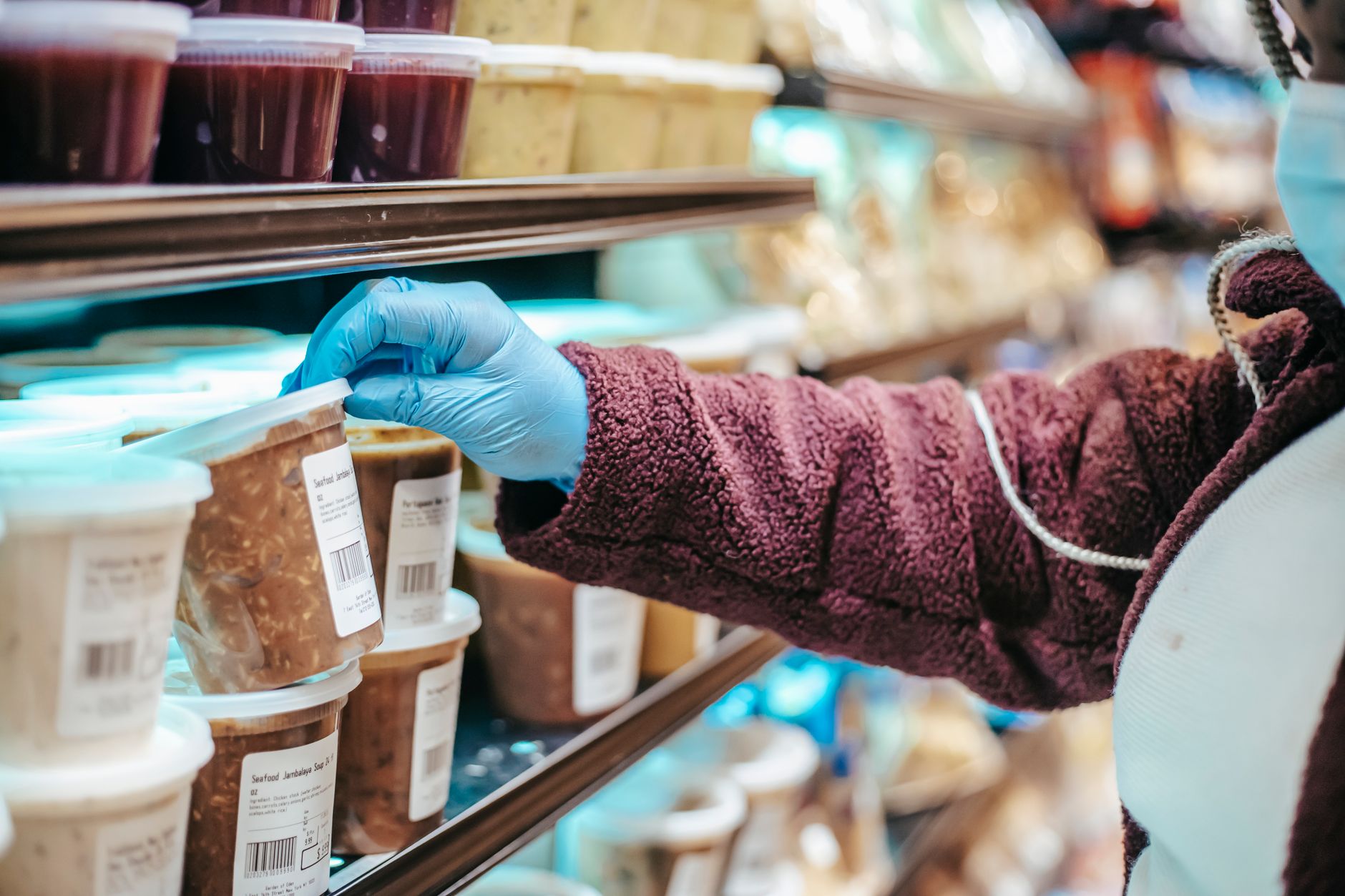
When you scan an ingredients list, sodium does not always appear as "salt." Look out for:
- Monosodium glutamate (MSG) — the flavour enhancer in many namkeens and instant noodles
- Sodium bicarbonate (baking soda) — used in biscuits, rusks, and fried snacks
- Disodium phosphate — common in processed cheese and instant mixes
- Sodium benzoate — a preservative in pickles, sauces, and drinks
- Soy sauce or "soya sauce" — found in Chinese-style snacks and ready-to-eat meals
- Baking powder — another sodium source in baked goods
Each of these contributes to your daily sodium load even when you cannot taste an overtly salty flavour.
How Much Sodium Is Really in Your Favourite Snacks?
The numbers can be surprising. To put everyday portion sizes into perspective:
- A single serving (30 g) of popular potato chips can contain 150–300 mg of sodium — and most people eat two to three servings in one sitting.
- A small packet of masala namkeen (about 50 g) may deliver 500–700 mg of sodium.
- Two plain biscuits from a well-known brand can contain 80–120 mg of sodium — and a typical snacking session involves six to eight biscuits.
- A single serving of instant noodles (one cake, ~70 g) often contains 700–900 mg of sodium — nearly half a day's recommended limit in one bowl.
- Packaged papad or chips served as a starter often add another 200–400 mg before the main meal even begins.
For a 55-year-old with mildly elevated blood pressure, for example, this kind of "incidental" sodium from afternoon snacks alone could easily push their daily intake well past the safe threshold — without them ever adding extra salt to their food.
Reading the Label: A Simple Skill That Protects Your Heart
Learning to read a nutrition label takes less than two minutes and can make a meaningful difference. Here is what to focus on:
Step 1: Check the Serving Size First
Manufacturers often list sodium per a small, unrealistic serving — sometimes just 20 g for a product you would normally eat 60–80 g of. Always multiply accordingly.
Step 2: Find the Sodium Number
Look for "Sodium" or "Salt" in the nutritional information table. In India, FSSAI regulations now require this to be listed on most packaged foods.
Step 3: Use the "Per 100 g" Column
As a general guide:
- Low sodium: less than 120 mg per 100 g ✅
- Medium sodium: 120–600 mg per 100 g ⚠️
- High sodium: more than 600 mg per 100 g ❌
Step 4: Add It Up Across the Day
Your goal is to stay under 2,000 mg of sodium total — from all sources including home-cooked meals, restaurant food, condiments, and snacks.
Smarter Swaps for Indian Snack Lovers
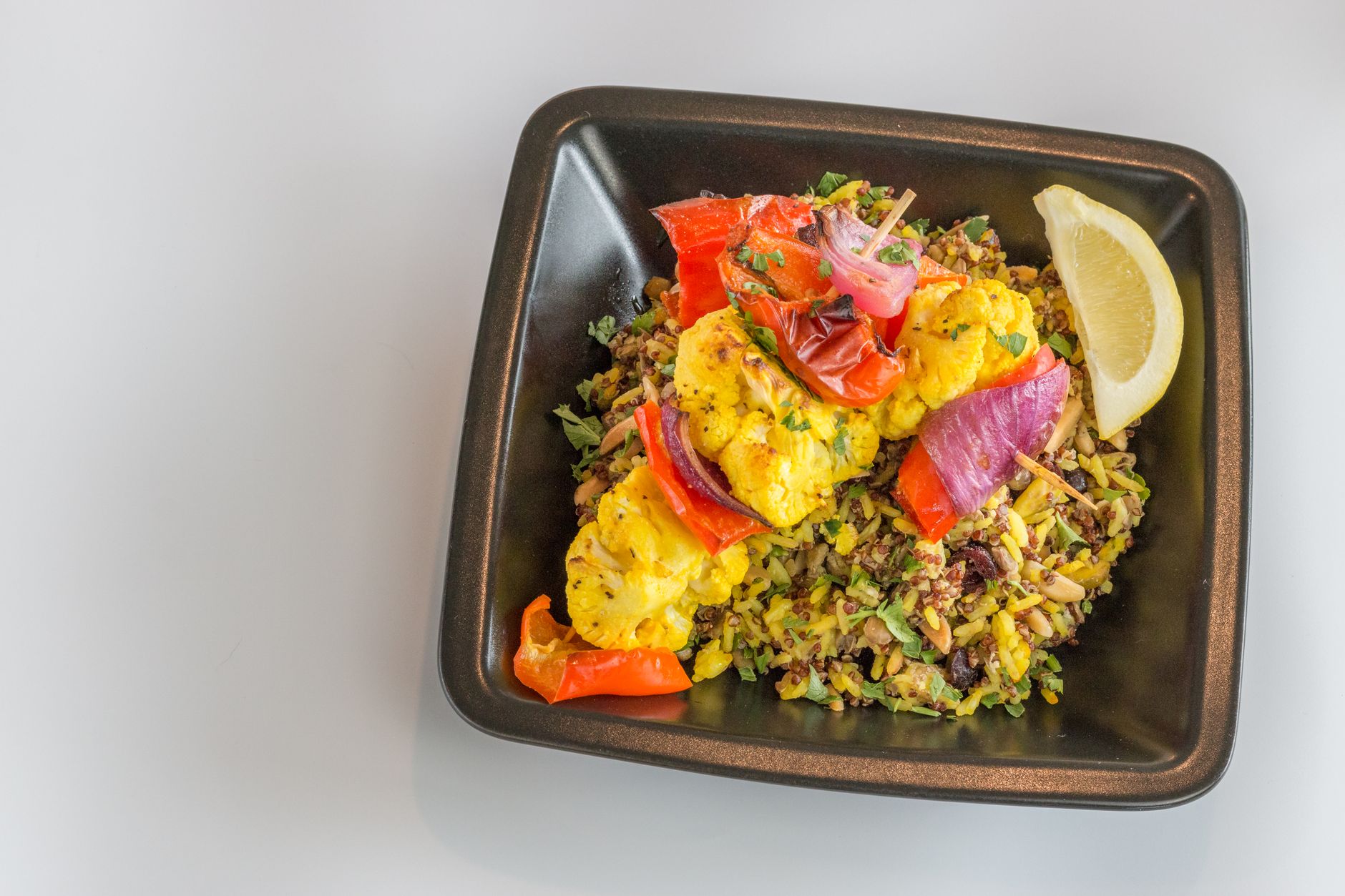
Giving up the pleasure of snacking is not the goal. The goal is making choices that do not silently push your blood pressure up. Here are some practical, enjoyable alternatives:
- Roasted chana (unsalted) — high in protein and fibre, naturally low in sodium
- Fresh fruit chaat — a handful of seasonal fruits with a pinch of chaat masala (use sparingly)
- Homemade makhana (fox nuts) — lightly roasted with a little ghee and cumin, with no added salt
- Plain puffed rice (murmura) — without the packaged masala mix
- A small handful of unsalted nuts — almonds, walnuts, or peanuts (unsalted variety)
- Cucumber, carrot, or radish sticks with a homemade low-salt dip
- Homemade dhokla or steamed snacks where you control the salt
The key principle is simple: the closer a food is to its natural state, the less hidden sodium it contains.
The Rajkot Reality: Why This Matters Locally
In Gujarat, our food culture is wonderfully rich — but it also has some sodium-heavy traditions. Pickles (athanu), papad, farsan, and the beloved gathiya are all high-sodium foods that appear at nearly every meal. Add packaged snacks on top of this traditional dietary sodium load, and it becomes easy to see why hypertension rates are rising even in people who feel they "eat at home" and live a reasonably active life.
If you are managing blood pressure in Rajkot, understanding that your total sodium burden comes from both traditional and packaged sources is an important insight. Small, consistent changes — choosing unsalted gathiya, reducing pickle portions, and cutting back on packaged namkeen — can add up to a meaningful reduction in blood pressure over weeks and months.
Key Takeaways
- Hidden sodium in packaged Indian snacks is a major, often overlooked contributor to high blood pressure.
- Sodium hides under ingredient names like MSG, sodium bicarbonate, and sodium benzoate.
- Most urban Indians consume close to double the recommended sodium limit daily.
- Reading the nutrition label — especially the sodium content per 100 g — is a simple, powerful habit.
- Smarter snack swaps (roasted chana, makhana, fresh fruit) can significantly reduce daily sodium intake without sacrificing enjoyment.
- In Gujarat, traditional high-sodium foods like pickles and farsan add to the packaged food sodium load — awareness of both is essential.
- Reducing sodium is one of the most effective non-invasive lifestyle steps to lower blood pressure alongside medical treatment.
When to Seek Professional Guidance
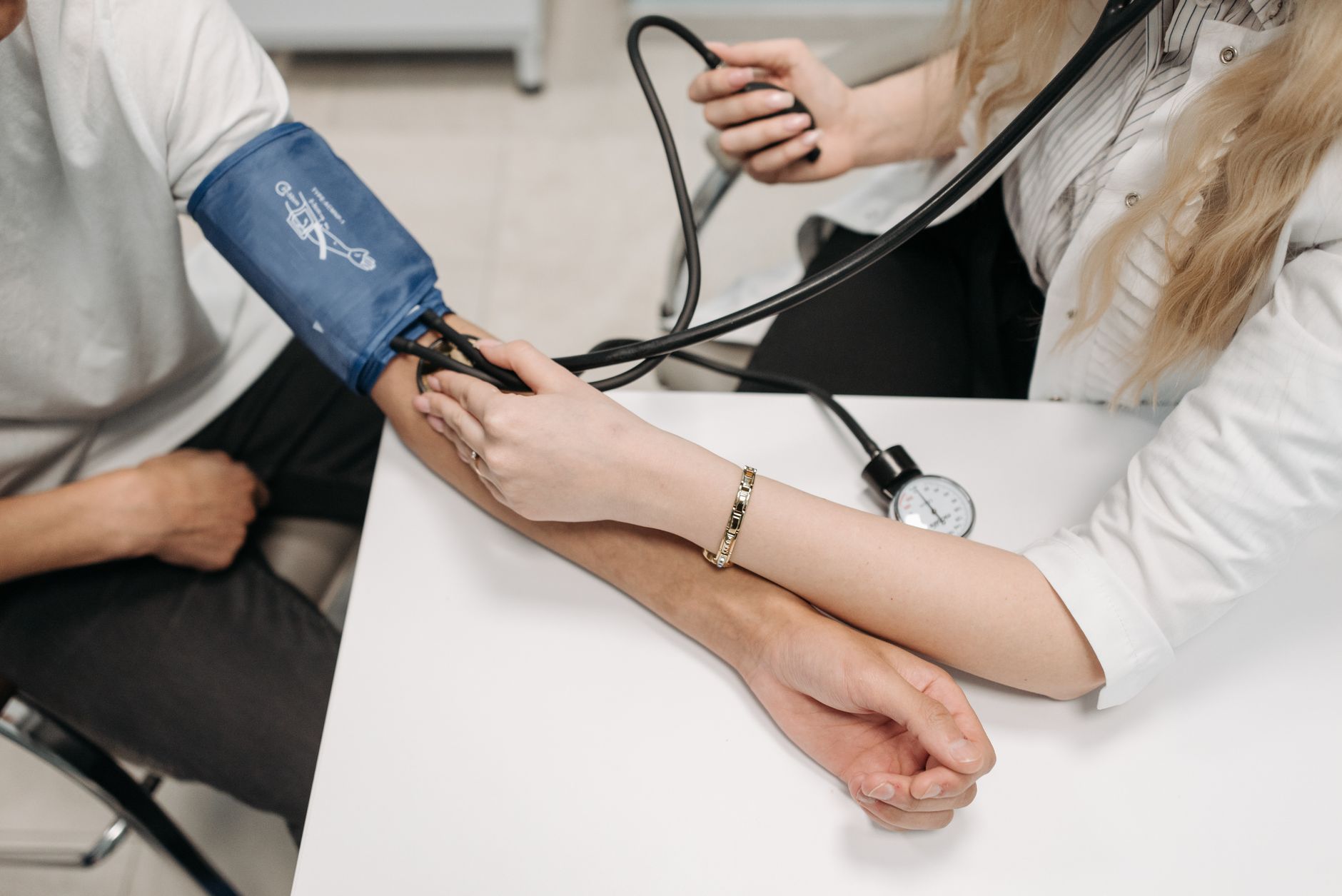
Lifestyle changes like reducing sodium are powerful, but they work alongside — not instead of — proper medical assessment. If your blood pressure readings are consistently above 130/80 mmHg, if you have a family history of heart disease, or if you are already on blood pressure medication, it is important to speak with a qualified cardiologist who can guide your overall heart-health plan.
If you have questions about your blood pressure or heart health, consider booking a consultation with a qualified cardiologist to get advice tailored to your individual needs.
Frequently asked questions
- How much sodium is safe to eat per day for someone with high blood pressure in India?
- The World Health Organization recommends less than 2,000 mg of sodium per day for adults. For people already diagnosed with high blood pressure, many cardiologists advise keeping intake even lower — around 1,500 mg per day. It is best to discuss a personalised target with your doctor.
- Which common Indian packaged snacks are highest in hidden sodium?
- Instant noodles, masala namkeen, flavoured chips, packaged papad, ready-to-eat curries, and certain biscuit varieties tend to be among the highest in sodium. Even foods that do not taste very salty — like rusks or cream crackers — can contain significant amounts of sodium from baking agents and preservatives.
- Can reducing sodium in my diet actually lower my blood pressure without medication?
- For people with mildly elevated blood pressure, reducing sodium intake — combined with other lifestyle changes like regular exercise, a healthy weight, and limiting alcohol — can produce a meaningful reduction in blood pressure. However, this is a lifestyle measure that supports, not replaces, medical treatment. Always consult your cardiologist before making changes to any prescribed medication.
- What is the difference between 'salt' and 'sodium' on a food label?
- Salt is a compound made of sodium and chloride. When a label lists 'sodium,' it refers to the sodium component only. To roughly convert sodium to salt, multiply the sodium figure by 2.5. So 400 mg of sodium equals approximately 1 gram of salt. Some Indian food labels list both figures — always check which one is being shown so you can track your intake accurately.