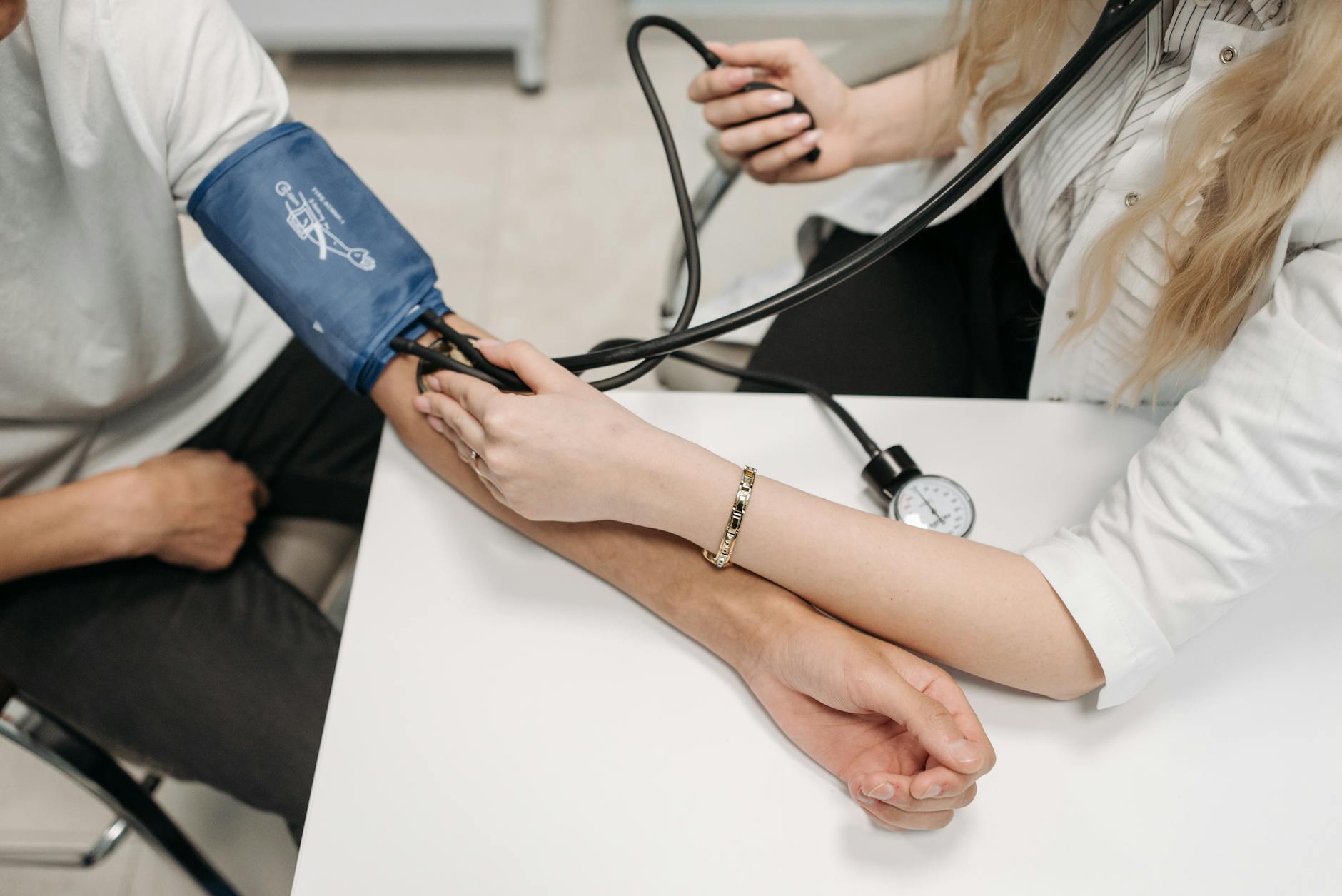
What Is High Blood Pressure — and Why Should You Care?
High blood pressure, known medically as hypertension, is a condition in which the force of blood pushing against your artery walls stays too high for too long. Think of your arteries like a garden hose. When the water pressure inside is consistently too strong, the hose starts to weaken, crack, and eventually fail. The same happens to your blood vessels and, over time, your heart.
What makes high blood pressure especially concerning is its silence. Most people feel absolutely nothing — no headaches, no dizziness, no warning signs. You can have it for years without knowing. That is exactly why it has earned the nickname "the silent killer."
In India, hypertension affects roughly 1 in 3 adults, and a large number of those people are unaware of their condition. In cities like Rajkot, where lifestyle changes, dietary habits, and work-related stress are part of everyday life, high blood pressure has become increasingly common — even among younger adults in their 30s and 40s.
Understanding the Numbers
Blood pressure is measured in two numbers, written as one over the other — for example, 120/80 mmHg.
- The top number (systolic) measures the pressure when your heart beats.
- The bottom number (diastolic) measures the pressure when your heart rests between beats.
Here is a simple guide to understanding your reading:
| Category | Systolic | Diastolic |
|---|---|---|
| Normal | Less than 120 | Less than 80 |
| Elevated | 120–129 | Less than 80 |
| High (Stage 1) | 130–139 | 80–89 |
| High (Stage 2) | 140 or above | 90 or above |
| Crisis (seek help) | Above 180 | Above 120 |
A single high reading does not necessarily mean you have hypertension. But if your blood pressure is consistently above 130/80 mmHg over multiple readings, your doctor will want to take action.
How High Blood Pressure Harms Your Heart
Your heart works harder than it should when it has to pump blood against raised pressure. Over months and years, this extra strain causes serious damage in several ways:
1. It Thickens and Weakens the Heart Muscle
When the heart is forced to work too hard, the walls of the left ventricle — the main pumping chamber — grow thicker. This is called left ventricular hypertrophy. A thicker, stiffer heart does not pump efficiently and is more prone to heart failure.
2. It Damages Artery Walls
Constant high pressure injures the inner lining of arteries. This makes it easier for cholesterol and fats to build up, forming plaques. This process, known as atherosclerosis, narrows the arteries and reduces blood flow to the heart — raising the risk of a heart attack.
3. It Raises the Risk of Stroke
Narrowed or weakened blood vessels in the brain can block or burst, causing a stroke. High blood pressure is the single most important risk factor for stroke.
4. It Affects the Kidneys and Eyes
The kidneys filter your blood using tiny, delicate vessels. High pressure damages these vessels, slowly reducing kidney function. Similarly, the small blood vessels in the eyes can be damaged, affecting your vision over time.

Who Is at Risk?
High blood pressure does not discriminate, but certain factors make it more likely:
- Family history — if a parent or sibling has hypertension, your risk is higher
- Age — risk increases after 40, though younger adults are increasingly affected
- Excess weight or obesity
- High-salt diet — a common concern in Indian cooking, including many popular Gujarati snacks and pickles
- Physical inactivity
- Chronic stress — work pressure, financial stress, or poor sleep
- Diabetes or high cholesterol — these often travel together with hypertension
- Tobacco and alcohol use
- Excess caffeine
Illustratively, consider a 52-year-old office worker who eats meals high in salt, rarely exercises, and manages significant work stress. Such a person may develop Stage 2 hypertension without ever feeling unwell — only to discover it during a routine check-up.
Recognising the Rare Warning Signs
Most of the time, high blood pressure produces no symptoms at all. However, when blood pressure rises to very high levels — a hypertensive crisis — some people may experience:
- Severe headache
- Blurred or double vision
- Nausea or vomiting
- Shortness of breath
- Chest pain
- Confusion or difficulty speaking
If you or someone around you experiences these symptoms along with a very high blood pressure reading (above 180/120 mmHg), seek emergency care immediately.
Key Takeaways
- High blood pressure usually has no symptoms — the only way to know is to check it regularly.
- It is a leading cause of heart attack, stroke, and heart failure.
- Lifestyle changes — diet, exercise, stress management — are the foundation of treatment.
- Medication, when prescribed, is safe, effective, and often necessary for long-term protection.
- Regular monitoring at home and at your doctor's clinic is essential.
- Early detection and consistent management can significantly reduce your risk of serious complications.
Managing High Blood Pressure: What You Can Do
The encouraging news is that high blood pressure is one of the most manageable conditions in medicine. A combination of lifestyle changes and, when needed, medication can bring blood pressure under control and keep it there.
Eat Smarter
Reducing salt (sodium) intake is the single most impactful dietary change. The goal is less than 5 grams of salt per day — roughly one teaspoon. In practice, this means:
- Cooking with less salt and avoiding extra salt at the table
- Cutting back on processed foods, papad, pickles, and packaged snacks
- Eating more fruits, vegetables, whole grains, and pulses — the foundation of a heart-healthy diet
- Reducing saturated fats (found in red meat, fried foods, and full-fat dairy)
Move Your Body
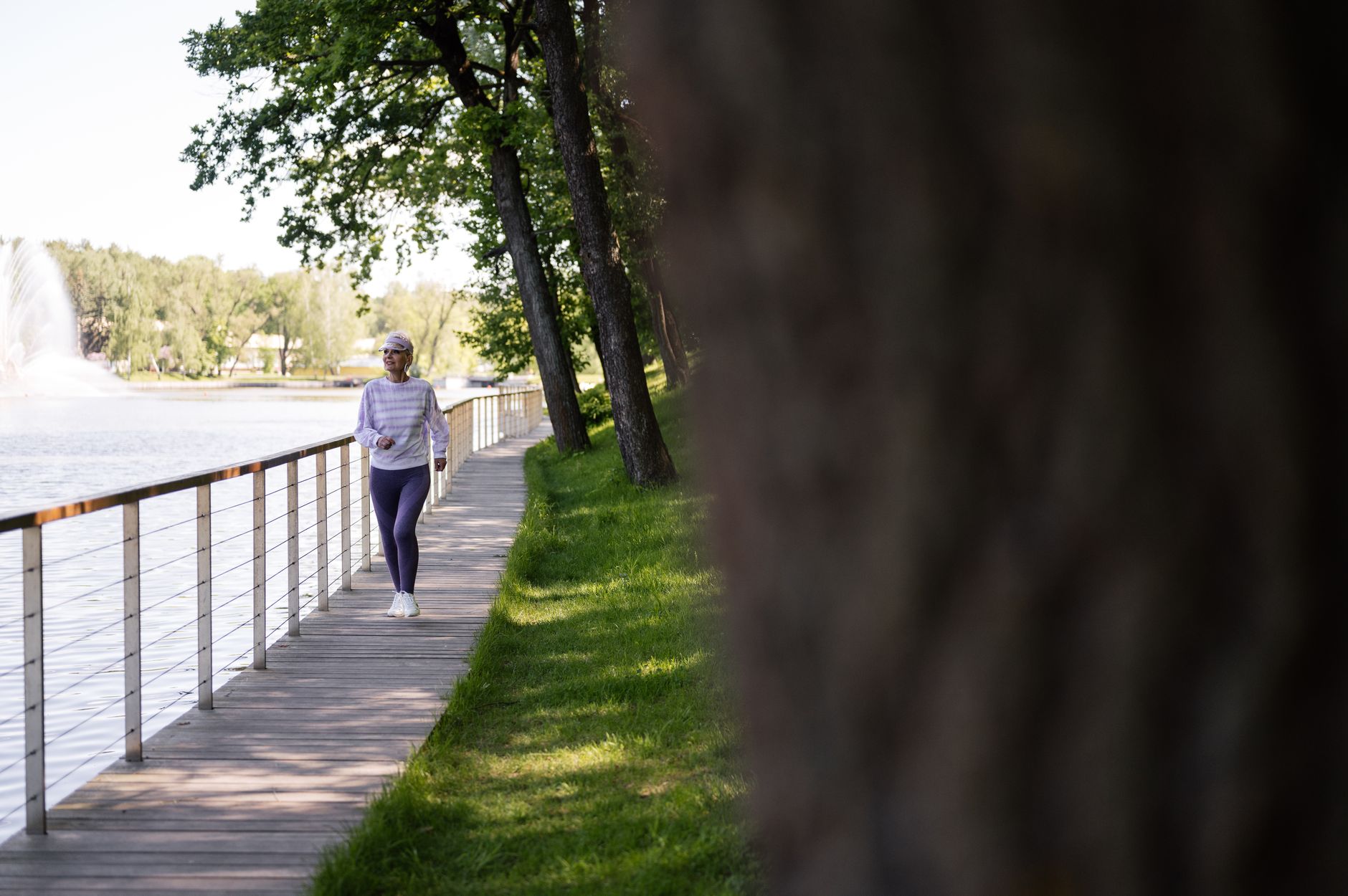
Just 30 minutes of moderate activity on most days — brisk walking, cycling, swimming, or yoga — can lower systolic blood pressure by 5 to 8 mmHg. This is comparable to the effect of some blood pressure medications.
Manage Stress
Chronic stress raises blood pressure directly and also leads to habits like overeating, poor sleep, and smoking that worsen it. Techniques such as deep breathing, meditation, yoga, and adequate sleep (7–8 hours) all help.
Quit Smoking and Limit Alcohol
Every cigarette you smoke causes a temporary spike in blood pressure and damages blood vessel walls. Quitting smoking reduces cardiovascular risk significantly within the first year. Alcohol, consumed in excess, also raises blood pressure and reduces the effectiveness of medications.
Take Your Medication as Prescribed
If your doctor prescribes blood pressure medication, it is important to take it consistently — even when you feel well. High blood pressure is a long-term condition, and stopping medication without medical advice can cause dangerous rebound effects. There are several classes of effective, well-tolerated medications, and your cardiologist will choose the right one for you based on your individual profile.
Monitoring: Your Most Powerful Tool
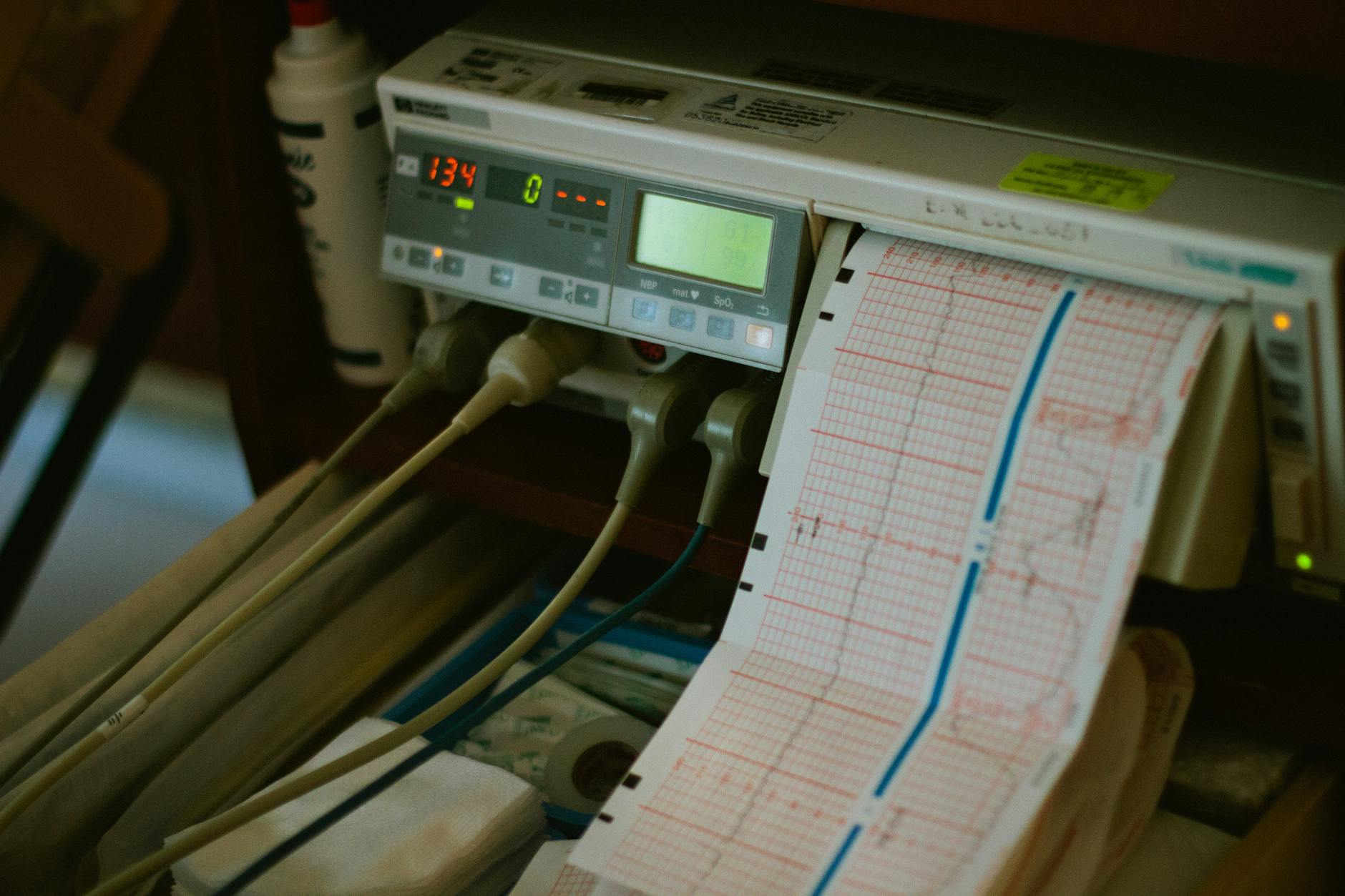
One of the simplest habits you can build is checking your blood pressure regularly. Home blood pressure monitors are affordable and easy to use. Keep a log of your readings and share it with your doctor. This gives a much clearer picture than occasional clinic readings alone.
Aim to check your blood pressure:
- At the same time each day (morning is ideal)
- After sitting quietly for five minutes
- On both arms initially, then the arm with the higher reading
If you are above 40, have a family history of heart disease, or have diabetes — get your blood pressure checked at least once a year, even if you feel perfectly healthy.
A Note From Our Clinic in Rajkot
At Dr. Nikhila Pachani's cardiology practice in Rajkot, we regularly see patients who are surprised to learn that their blood pressure has been elevated for years without any obvious signs. A routine check, a clear conversation, and a personalised plan — that is often all it takes to get things moving in the right direction.
Hypertension is not a life sentence. With the right support and consistent effort, most people can manage their blood pressure well and go on to live full, active lives.
This article is for general educational purposes only and is not a substitute for personalised medical advice. If you have concerns about your blood pressure or heart health, we warmly encourage you to book a consultation with a qualified cardiologist.
Frequently asked questions
- What is considered a dangerous blood pressure reading?
- A blood pressure reading above 180/120 mmHg is considered a hypertensive crisis and requires immediate medical attention, especially if accompanied by symptoms such as chest pain, severe headache, or shortness of breath. Consistently elevated readings above 140/90 mmHg also need prompt evaluation by a doctor.
- Can high blood pressure be managed without medication?
- In mild cases (Stage 1 hypertension), lifestyle changes such as reducing salt intake, exercising regularly, managing stress, quitting smoking, and maintaining a healthy weight may be enough to bring blood pressure down to a safe range. However, many people — especially those with higher readings or additional risk factors — will also need medication prescribed by their doctor for adequate long-term protection.
- How often should I check my blood pressure at home?
- If you have been diagnosed with high blood pressure or are at risk, checking once daily — preferably in the morning after sitting quietly for five minutes — is a good habit. Keep a record of your readings to share with your cardiologist at follow-up visits.
- Does high blood pressure always cause symptoms?
- In the vast majority of cases, high blood pressure causes no noticeable symptoms at all, which is why it is often called the 'silent killer.' The only reliable way to detect it is through regular blood pressure checks. Symptoms such as headache or dizziness may occur during a hypertensive crisis, but these are uncommon in everyday elevated blood pressure.