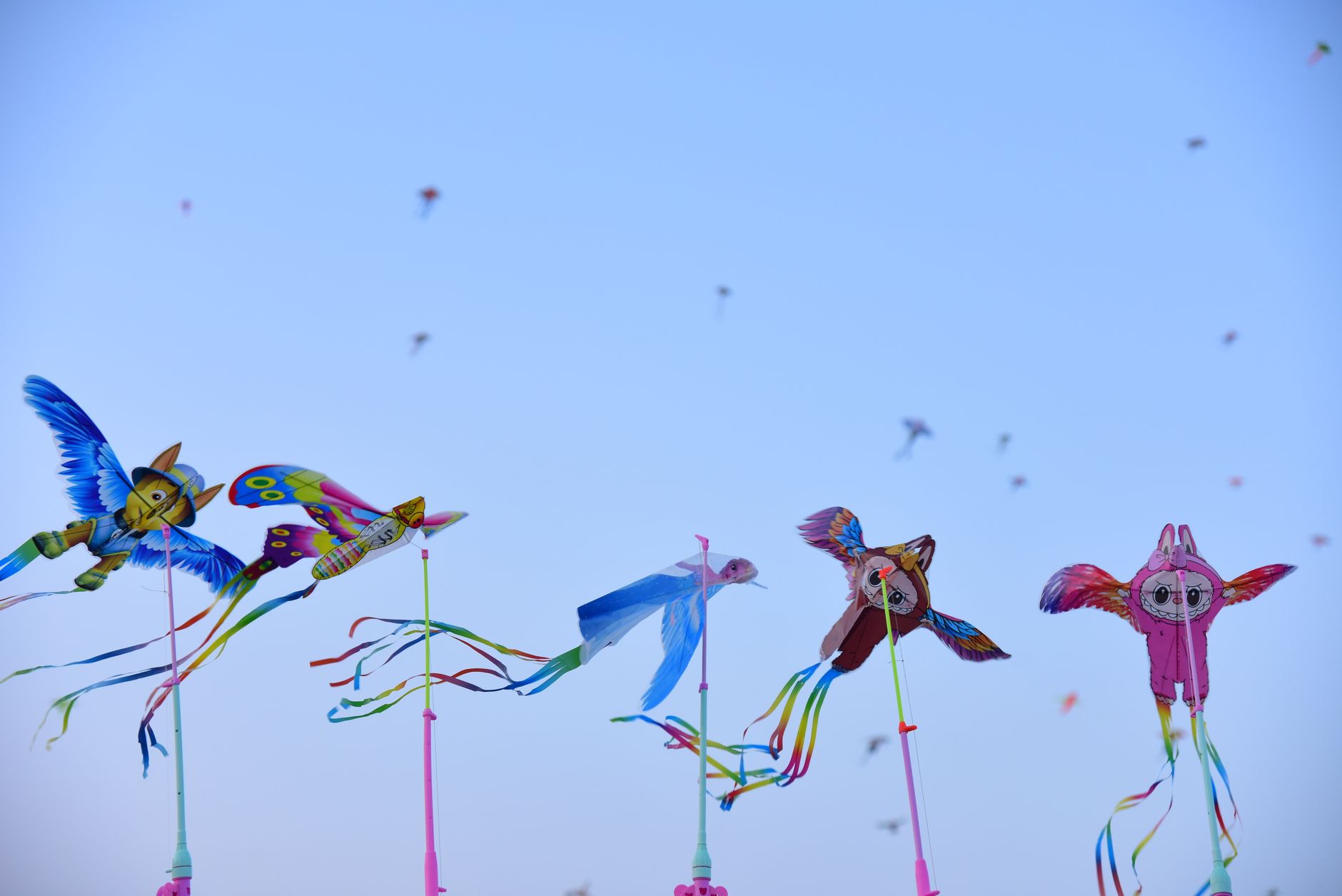
Gujarat knows how to celebrate. The sky above Rajkot turns into a canvas of colour and kites every Uttarayan, and the streets burst into joyful clouds of gulal every Holi. These festivals bring families together, fill neighbourhoods with laughter, and remind us why life is worth living fully.
But if you — or someone you love — has a heart condition, high blood pressure, or is simply over the age of 45, it is worth pausing for a moment before you run up to the terrace or dive into a water-colour fight. Excitement, physical exertion, dehydration, and temperature changes can all place extra demand on the heart. With a little awareness, though, you can enjoy every moment of both festivals without worry.
This article walks you through the key holi uttarayan heart health precautions so that the celebration stays joyful from the first kite to the last splash of colour.
Why Festivals Can Be a Surprising Stress on the Heart
It might seem odd to think of a festival as a cardiac event. Yet cardiologists across India — including those of us practising in Rajkot — notice a real pattern: hospital visits for chest discomfort, palpitations, and blood-pressure spikes tend to rise around major outdoor celebrations.
Here is why:
- Sudden physical exertion: Running across terraces, pulling kite strings for hours, dancing, and chasing friends in a Holi crowd are all forms of moderate-to-vigorous exercise. For someone who is otherwise sedentary, this is an abrupt jump in activity.
- Emotional excitement: Joy, competition, and even mild anxiety (will my kite cut the other?) trigger adrenaline release. Adrenaline raises heart rate and blood pressure quickly.
- Dehydration: Uttarayan means standing in the January sun for hours. Holi often means wet clothes, wind, and forgetting to drink water. Even mild dehydration thickens the blood and forces the heart to work harder.
- Erratic meals and medication timing: Festivities disrupt eating and sleeping schedules. Missing a blood-pressure or heart medication dose — even once — can destabilise a well-controlled condition.
- Cold morning air (Uttarayan): Makar Sankranti falls in mid-January. Early mornings on open terraces can be quite cool in North Gujarat. Cold air causes blood vessels to constrict, temporarily raising blood pressure and the workload on the heart.
Uttarayan & Your Heart: Terrace Safety Tips
Uttarayan is a festival of the sky — and, for most Rajkot families, it means a full day on the rooftop. Here is how to make that day heart-friendly.
Start Slowly and Warm Up
Avoid sprinting up flights of stairs the moment you wake up. Walk up at a comfortable pace, do a few gentle stretches, and let your body adjust. Think of it as warming up before a sport — because, for your heart, it is exactly that.
Dress for the Temperature
Layer up in the early morning when temperatures dip. As the afternoon sun strengthens, remove layers gradually. Sudden changes in body temperature cause blood vessels to expand and contract rapidly, which can trigger irregular heartbeats in susceptible individuals.
Stay Hydrated — Even If You Don't Feel Thirsty
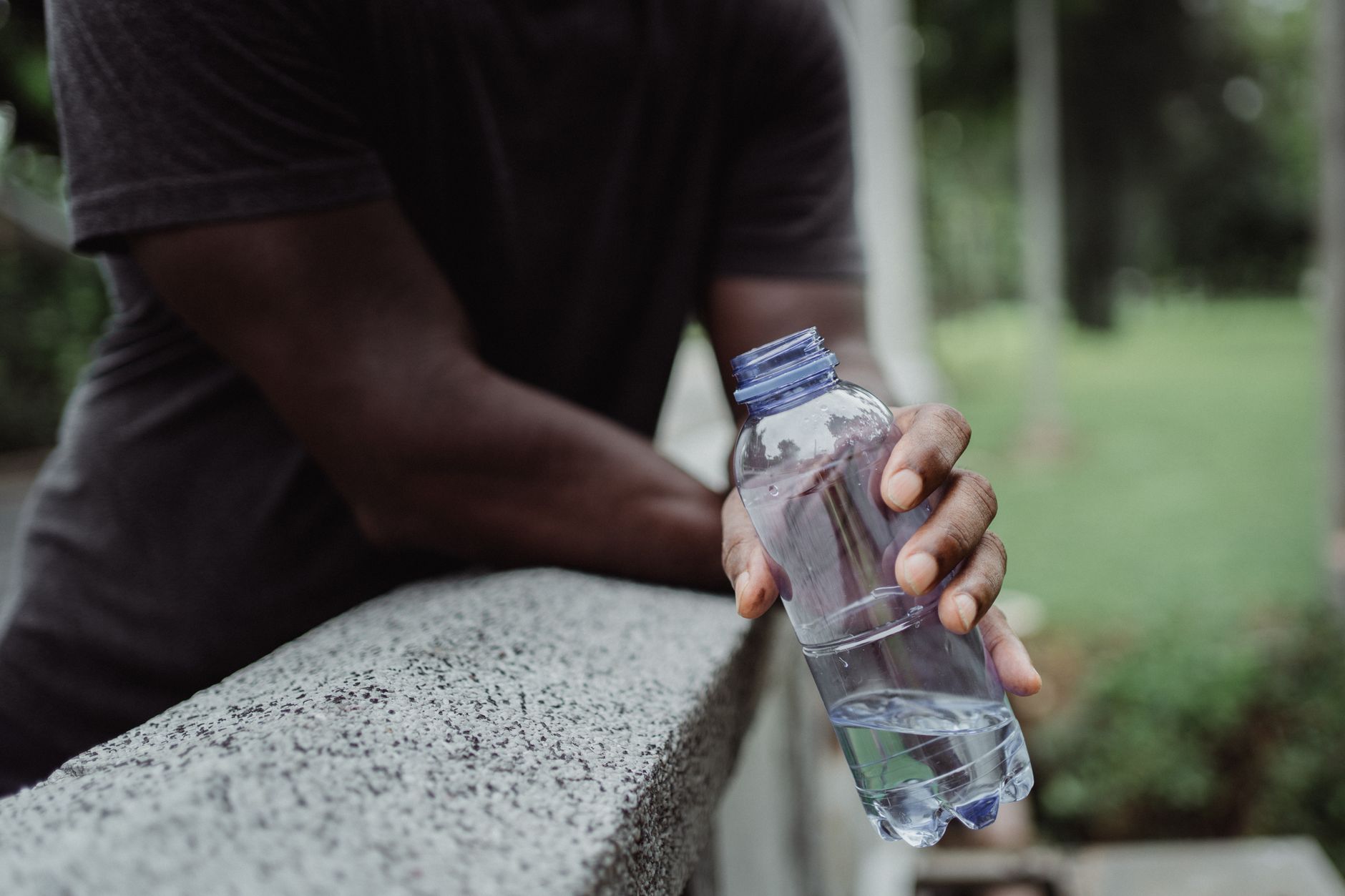
A simple, practical rule: drink a glass of water every 60–90 minutes regardless of thirst. Thirst is a late signal, especially in older adults. Coconut water, diluted chaas (buttermilk), or plain water all work well. Avoid excessive caffeine (chai refills all day) and limit alcohol entirely if you have a heart condition.
Eat Light and at Regular Intervals
Undhiyu, chikki, and til laddoo are wonderful — enjoy them in moderate portions. A very heavy meal diverts blood flow to the digestive system and can make the heart feel strained, sometimes causing discomfort that mimics cardiac symptoms. Eat smaller amounts, more frequently, throughout the day.
Protect Yourself from Manja (Kite Thread)
This is a safety point that goes beyond the heart: sharp synthetic thread (Chinese manja) causes dangerous cuts. A sudden shock or pain can spike adrenaline and blood pressure. Use only safe, traditional cotton thread and wear light cotton gloves if you are handling the line for long periods.
Holi & Your Heart: Playing Safely with Colour
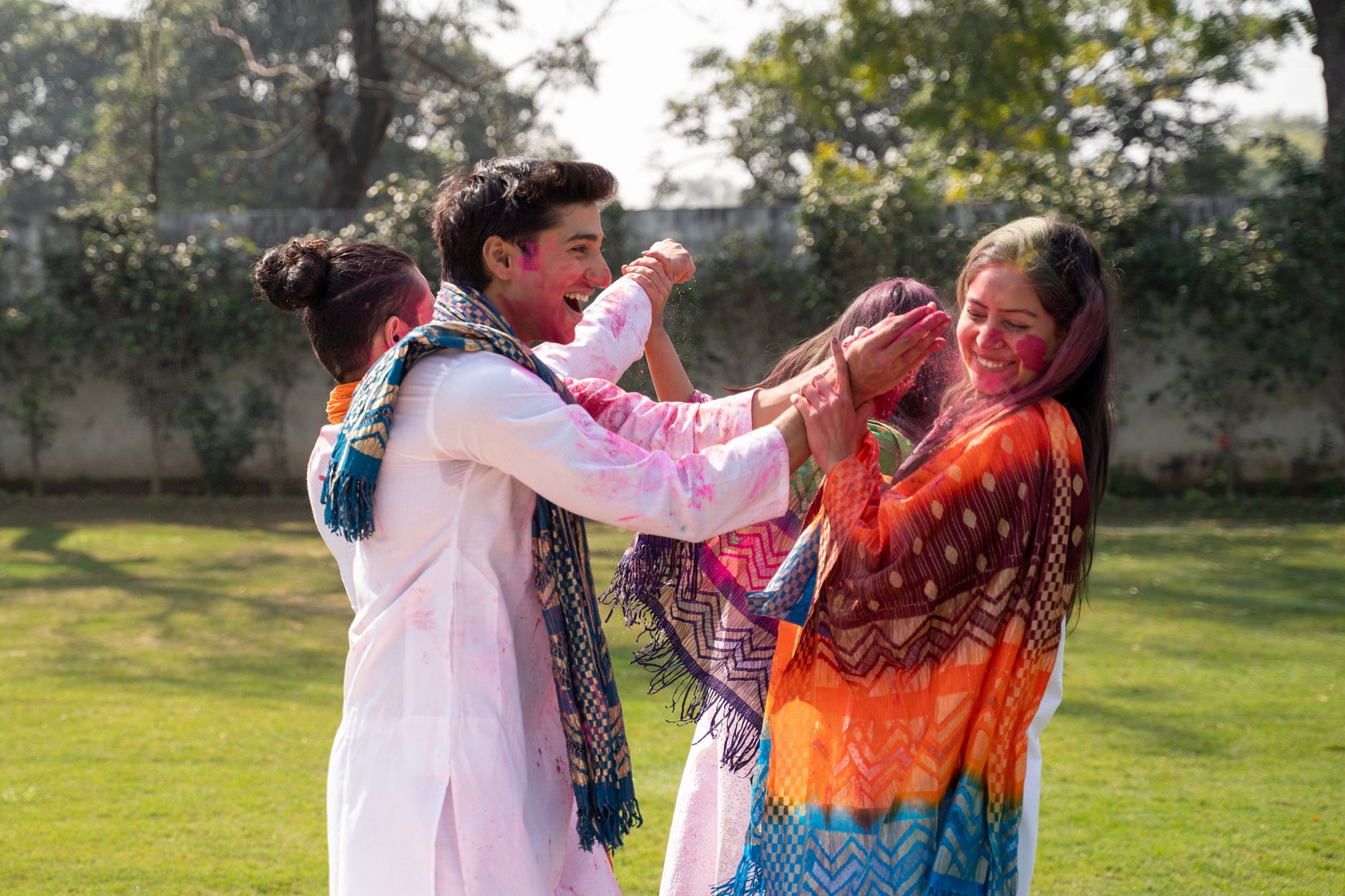
Holi is energetic, social, and wonderfully unpredictable. For most healthy people it is a safe and fun celebration. For those with heart conditions — or risk factors like diabetes, obesity, or a family history of heart disease — a few extra steps matter.
Know Your Exertion Limits
A 55-year-old with mild hypertension, for example, might enjoy Holi by participating in the social and musical aspects rather than the high-energy running and drenching. There is no rule that says you must be in the centre of the biggest water fight to have a good time. Celebrate at the level that feels comfortable for your body.
Be Careful with Cold Water
Buckets of cold water poured suddenly on the body — especially on the head and chest — can cause an involuntary gasp reflex and a spike in blood pressure. If you have a known heart condition, choose lukewarm or room-temperature water. Even for healthy adults, avoiding ice-cold water dousing is a sensible precaution on a cool morning.
Watch for Warning Signs
The excitement of a festival can mask early warning signs that something is wrong. Stop activity and rest immediately if you notice:
- Chest tightness, pressure, or pain — even mild
- Unusual shortness of breath that does not settle in a minute or two of rest
- Palpitations — a fluttering, racing, or irregular heartbeat
- Dizziness or light-headedness
- Sudden sweating that feels disproportionate to your activity level
Any of these symptoms warrant stepping away from the celebration and seeking medical attention promptly. Do not dismiss them as "just excitement."
Do Not Skip Your Medications
This cannot be emphasised enough. Set an alarm on your phone the night before a festival day. Take your blood-pressure tablets, antiplatelet medications, or any other prescribed cardiac drugs at the usual time, even if breakfast is late. Skipping even one dose of certain medications — especially beta-blockers or antihypertensives — can have measurable effects on heart rate and blood pressure.
A Special Note for Heart Patients in Rajkot
Living in a vibrant city like Rajkot means your calendar is full of celebrations — from Uttarayan and Holi to Navratri and Diwali. That is something to be grateful for. Having a heart condition does not mean sitting out these moments; it means participating wisely.
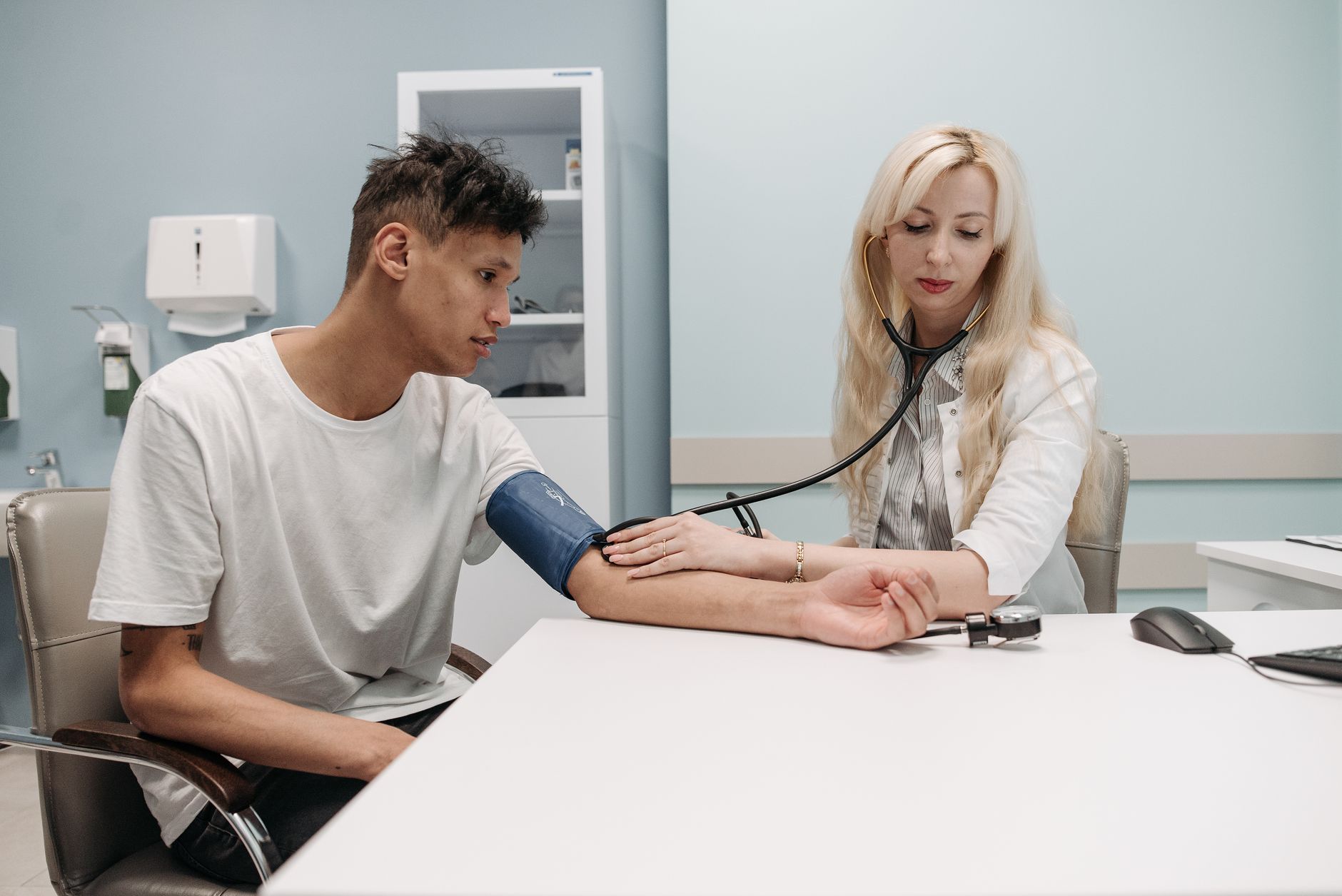
If you have had a recent angioplasty, heart surgery, or a heart attack, or if your doctor has advised limiting physical exertion, please have a brief conversation with your cardiologist before the festival season. A quick check of your current blood pressure, heart rate, and medication plan can give you — and your family — genuine peace of mind.
Key Takeaways
- Outdoor festivals = physical and emotional exertion. Even joyful stress raises heart rate and blood pressure.
- Hydration is non-negotiable. Drink water regularly throughout the day, especially during Uttarayan on the terrace.
- Never skip cardiac medications — set an alarm and take them on time, even on festival days.
- Cold water and cold morning air can briefly spike blood pressure; dress in layers and avoid sudden cold-water dousing if you have a heart condition.
- Know your warning signs — chest discomfort, breathlessness, palpitations, or dizziness during activity are signals to stop and seek help immediately.
- Eat light, eat often. Festival sweets are fine in moderation; a single large heavy meal can be harder on the heart than several small ones.
- Enjoy the celebration. Heart-healthy living is about making informed choices, not missing out on life's most joyful moments.
Celebrate With Confidence
Gujarat's festivals are a treasure. With a little planning, even those with heart conditions can fly a kite, share a plate of chikki, and splash a little gulal — safely and joyfully. The goal is not to add anxiety to your festive season but to give you the knowledge that lets you relax and truly enjoy it.
If you have any concerns about your heart health this festival season, we warmly invite you to book a consultation with Dr. Nikhila Pachani at her cardiology clinic in Rajkot — so you can celebrate with full confidence in your heart's wellbeing.
Frequently asked questions
- Is it safe for heart patients to celebrate Uttarayan and Holi?
- Yes, in most cases heart patients can participate in festival celebrations with appropriate precautions. This includes staying hydrated, avoiding extreme physical exertion, not skipping medications, dressing for the weather, and being aware of warning signs like chest pain or breathlessness. Always consult your cardiologist beforehand if you have had a recent cardiac event.
- Why do heart problems increase during festivals like Holi and Uttarayan?
- Festivals involve a combination of sudden physical exertion, emotional excitement, dehydration, disrupted meal and medication schedules, and temperature changes. Together, these factors can raise blood pressure and heart rate significantly, increasing the risk of cardiac symptoms in vulnerable individuals.
- What warning signs during Holi or Uttarayan should prompt me to seek immediate medical help?
- Stop activity immediately and seek medical attention if you experience chest tightness or pressure, unusual shortness of breath, palpitations (a racing or irregular heartbeat), dizziness, or disproportionate sweating. Do not attribute these symptoms to excitement alone — they could indicate a cardiac issue requiring prompt evaluation.
- Can cold water during Holi affect the heart?
- Yes. Sudden exposure to cold water — particularly on the chest or head — can trigger a reflex spike in blood pressure and heart rate. People with known heart conditions, high blood pressure, or those who are older are advised to use room-temperature or lukewarm water during Holi celebrations as a sensible precaution.