
What Is Homocysteine — and Why Should You Care?
Most of us have heard of cholesterol and blood pressure as heart disease risk factors. But there is another blood marker that deserves equal attention, yet rarely gets discussed at routine check-ups: homocysteine.
Homocysteine is a naturally occurring amino acid — a building block of protein — produced in your body as it breaks down another amino acid called methionine, found in meat, eggs, and dairy. In small amounts, homocysteine is perfectly normal. The problem begins when levels build up in the blood instead of being cleared away efficiently.
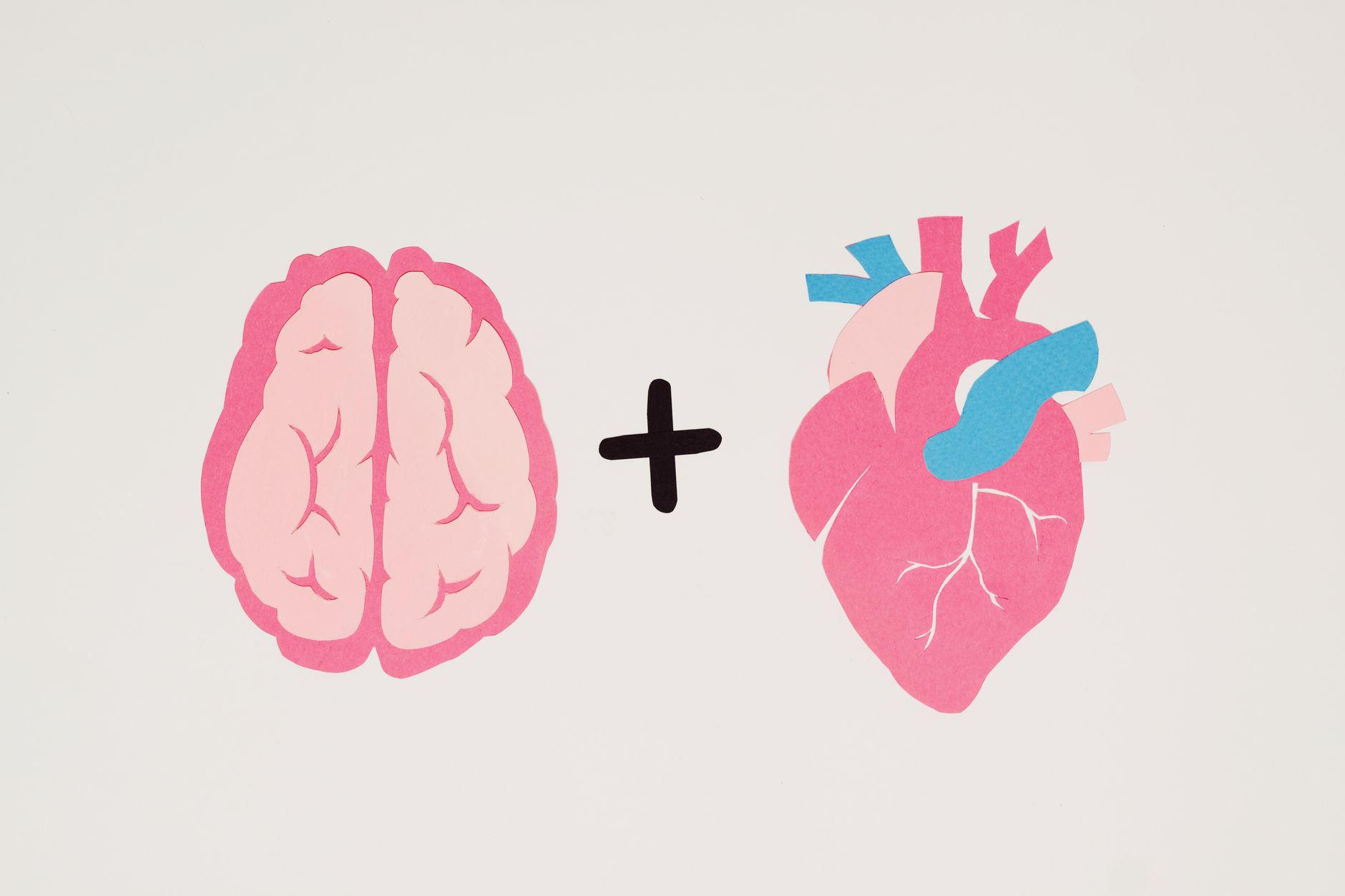
When homocysteine accumulates, it can damage the inner lining of blood vessels (the endothelium), promote inflammation, increase the tendency of blood to clot, and contribute to the build-up of fatty plaques in the arteries. Over time, this raises the risk of heart attack, stroke, and peripheral artery disease — even in people whose cholesterol numbers look reassuringly normal.
Understanding your homocysteine levels and heart disease risk is a key part of comprehensive preventive cardiology, and it is something that cardiologists in Rajkot and across India are paying closer attention to.
What Do "Normal" and "High" Homocysteine Mean?
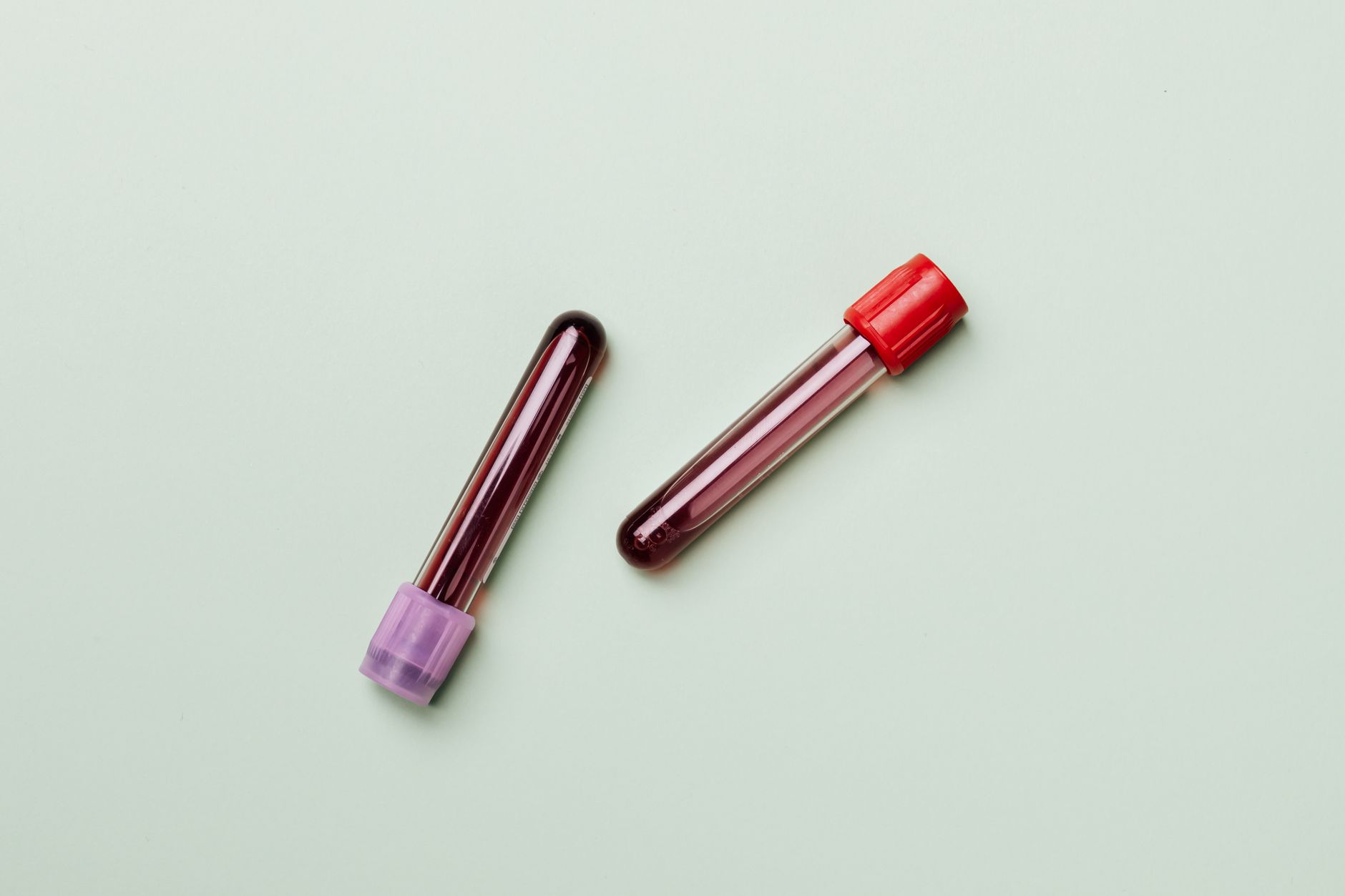
Homocysteine is measured with a simple fasting blood test. The results are reported in micromoles per litre (µmol/L). Here is a general guide:
- Normal: Below 15 µmol/L (many experts prefer below 10 µmol/L)
- Mildly elevated (mild hyperhomocysteinemia): 15–30 µmol/L
- Moderately elevated: 30–100 µmol/L
- Severely elevated: Above 100 µmol/L
Even a mild elevation — something that might look "borderline" on a report — is associated with a meaningfully higher risk of cardiovascular events. Research published in major cardiology journals has shown that for every 5 µmol/L rise above normal, the relative risk of coronary artery disease increases noticeably, particularly when other risk factors like diabetes, smoking, or hypertension are also present.
It is worth noting that reference ranges can vary slightly between laboratories, so always discuss your results with your doctor rather than interpreting them in isolation.
Why Do Homocysteine Levels Rise?
Several factors can push homocysteine levels above the healthy range:
Nutritional Deficiencies
The body needs vitamin B6, vitamin B12, and folate (vitamin B9) to convert homocysteine into harmless substances. When these vitamins are low, homocysteine accumulates. This is one of the most common and correctable causes.
Vegetarian and vegan diets — very common in Gujarat — can sometimes lead to lower B12 intake, since B12 is found almost exclusively in animal products. If you follow a plant-based diet, checking your B12 and homocysteine levels regularly is especially sensible.
Genetics
A gene variant called MTHFR (methylenetetrahydrofolate reductase) affects how efficiently your body processes folate and clears homocysteine. People with certain MTHFR variants may have persistently elevated homocysteine even with an otherwise healthy diet.
Age and Hormones
Homocysteine levels tend to rise with age. Women often see a rise after menopause, which may partly explain the increased cardiovascular risk in that period of life.
Kidney Function
The kidneys help clear homocysteine from the blood. Chronic kidney disease can therefore lead to elevated levels — another reason why heart and kidney health are closely linked.
Lifestyle Factors
- Smoking raises homocysteine levels
- Excessive alcohol consumption interferes with folate metabolism
- A sedentary lifestyle is associated with higher levels
- Certain medications (such as methotrexate, some anti-epileptics, and prolonged use of proton pump inhibitors) can also affect homocysteine
How Does High Homocysteine Damage the Heart?
Think of your arteries as smooth pipes carrying blood. The inner surface — the endothelium — is delicate and responds to chemical signals. High homocysteine acts like a corrosive agent on this lining. Here is what happens step by step:
- Endothelial injury: Homocysteine causes oxidative stress and direct damage to endothelial cells, making the artery wall rough and "sticky."
- Inflammation: Damaged walls trigger an inflammatory response, drawing immune cells to the area.
- Plaque formation: LDL cholesterol (the "bad" kind) is more easily oxidised and deposits at injured sites, gradually forming atherosclerotic plaques.
- Clotting tendency: Homocysteine promotes the activity of clotting factors, making blood more likely to form dangerous clots that can block an artery suddenly — causing a heart attack or stroke.
To use an illustrative example: a 52-year-old person with mildly elevated cholesterol and a homocysteine of 22 µmol/L has a meaningfully higher combined risk than someone with the same cholesterol level but a normal homocysteine. Treating both markers together gives a more complete picture — and a more effective prevention strategy.
Who Should Get a Homocysteine Test?
A homocysteine test is not yet part of standard annual check-ups in most Indian hospitals, but it is readily available, affordable, and can be requested as part of a cardiac risk assessment. Consider asking your cardiologist about it if you:
- Have a family history of early heart disease or stroke
- Follow a strict vegetarian or vegan diet
- Have been diagnosed with diabetes, hypertension, or chronic kidney disease
- Are a post-menopausal woman
- Smoke or have smoked in the past
- Have had an unexplained heart attack or stroke at a young age
- Take medications known to affect B vitamin metabolism
- Have already been told you carry the MTHFR gene variant
The test requires a fasting blood sample — usually the same blood draw as a lipid profile — so it can conveniently be added to an existing check-up.
How to Lower High Homocysteine Levels
The good news is that elevated homocysteine is one of the more modifiable cardiovascular risk factors. Here are evidence-based steps that may help:
1. Optimise Your B Vitamin Intake
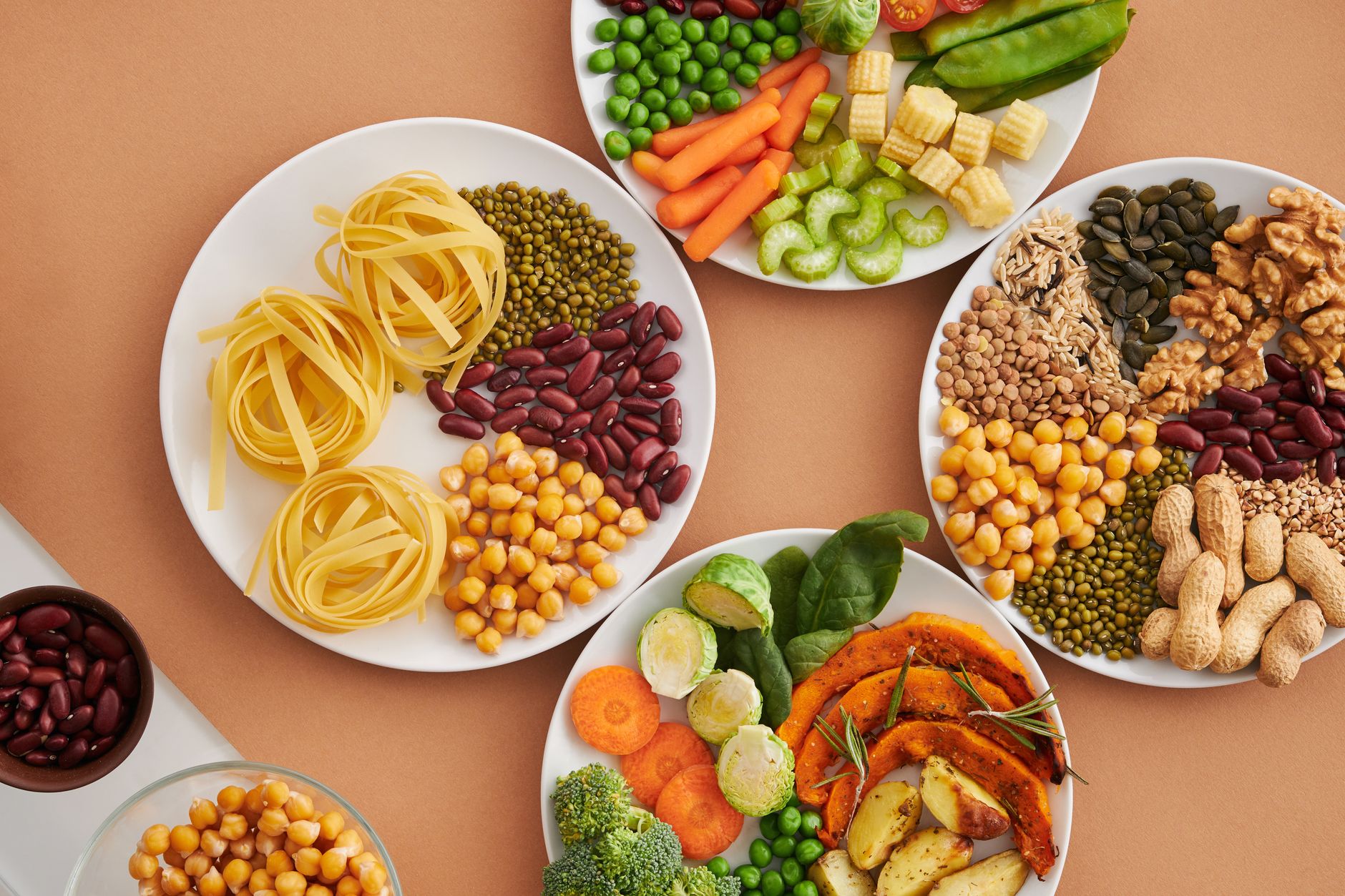
- Folate: Found in green leafy vegetables (methi, palak, spinach), lentils (dal), legumes, and citrus fruits. These are staples in Gujarati cooking — a natural advantage!
- Vitamin B12: Found in dairy, eggs, fish, and meat. For strict vegetarians, supplementation or fortified foods are often necessary.
- Vitamin B6: Found in chickpeas (chana), bananas, potatoes, and whole grains.
If blood tests confirm a deficiency, your doctor may recommend a targeted supplement rather than a general multivitamin.
2. Quit Smoking
Smoking is independently harmful to arteries, and it also raises homocysteine — so quitting helps on both counts.
3. Limit Alcohol
Moderate or no alcohol intake helps preserve folate levels and supports healthier homocysteine metabolism.
4. Stay Physically Active
Regular moderate exercise — even a 30-minute brisk walk through your neighbourhood — has been associated with lower homocysteine levels and better overall cardiovascular health.
5. Manage Underlying Conditions
Keeping diabetes, blood pressure, and kidney disease well controlled can also help keep homocysteine in a healthier range.
6. Work With Your Doctor on Supplements
Your cardiologist may recommend a B-complex supplement containing methylfolate (the active form, which is better absorbed by people with MTHFR variants), B12, and B6. Do not self-prescribe high-dose supplements without guidance — your doctor will tailor recommendations based on your actual levels.
Key Takeaways
- Homocysteine is an amino acid that, at elevated levels, can damage blood vessels and raise heart disease risk — even when cholesterol is normal.
- A simple fasting blood test can measure your homocysteine level; a result below 15 µmol/L (ideally below 10 µmol/L) is generally considered healthy.
- Deficiencies in vitamins B6, B12, and folate are among the most common and correctable causes of high homocysteine.
- Vegetarians and vegans — common in Gujarat — should pay particular attention to B12 status.
- Lifestyle changes (diet, exercise, quitting smoking) and targeted supplementation can significantly lower elevated levels.
- Homocysteine is best assessed as part of a broader cardiovascular risk profile alongside cholesterol, blood pressure, blood sugar, and other markers.
- Always discuss your results with a qualified cardiologist for personalised guidance.
A Final Word
Preventive cardiology is about looking at the full picture — not just the familiar numbers. Homocysteine is one piece of that picture: a marker that is easy to test, often straightforward to treat, and genuinely meaningful for long-term heart health. If you have not had yours checked yet, it is a conversation worth having at your next appointment.
If you have concerns about your cardiovascular risk or would like a comprehensive cardiac check-up, consider consulting a qualified interventional cardiologist who can guide you with a personalised, evidence-based plan.
Frequently asked questions
- What is a normal homocysteine level for heart health?
- Most guidelines consider homocysteine below 15 µmol/L to be within a normal range, though many cardiologists prefer a level below 10 µmol/L for optimal cardiovascular health. Always discuss your specific result with your doctor, as interpretation depends on your overall health profile.
- Can high homocysteine cause a heart attack even if cholesterol is normal?
- Yes. Elevated homocysteine can damage artery walls, promote inflammation, and increase clotting risk independently of cholesterol levels. This is why it is considered a separate and important cardiovascular risk marker, particularly when other risk factors are also present.
- How can I lower my homocysteine levels naturally?
- Increasing your intake of folate (leafy greens, lentils), vitamin B12 (dairy, eggs, or supplements for vegetarians), and vitamin B6 (chickpeas, bananas) can help lower homocysteine. Quitting smoking, limiting alcohol, and staying physically active also support healthier levels. Your doctor may recommend targeted B vitamin supplements based on your blood test results.
- Who should get a homocysteine blood test?
- People with a family history of early heart disease, those following a strict vegetarian or vegan diet, individuals with diabetes, hypertension, or kidney disease, post-menopausal women, and smokers are among those who may particularly benefit from having their homocysteine levels checked. Ask your cardiologist whether it should be part of your cardiac risk assessment.