What Are Blocked Arteries?
Your arteries are like highways that carry oxygen-rich blood from your heart to every organ and tissue in your body. When those highways become narrow or blocked, the traffic — your blood — cannot flow freely. This is what doctors mean when they talk about blocked arteries, and it is one of the most common reasons people develop serious heart problems.
The medical term for this process is atherosclerosis — a gradual hardening and narrowing of the arteries due to a build-up of fatty deposits called plaque. Understanding how this happens, and why it matters, is one of the most powerful steps you can take for your heart health.
How Does Plaque Build Up Inside an Artery?
Think of a healthy artery as a smooth, flexible tube. The inner wall of this tube — called the endothelium — is normally very sleek, allowing blood to glide through without resistance.
The trouble begins when this inner lining gets damaged. Several everyday factors can cause this kind of damage:
- High LDL ("bad") cholesterol in the blood
- High blood pressure pressing against artery walls
- Cigarette smoking, which introduces harmful chemicals into the bloodstream
- High blood sugar (as seen in diabetes or pre-diabetes)
- Chronic inflammation triggered by poor diet, stress, or lifestyle habits
Once the lining is irritated, LDL cholesterol particles start to seep into the artery wall. The body's immune system sends white blood cells to deal with them, but instead of solving the problem, those cells get trapped and turn into "foam cells" — tiny fat-filled blobs that accumulate over time.
This accumulation forms a plaque. Over months and years, plaque grows larger, hardens with calcium, and starts to bulge into the artery — slowly narrowing the space through which blood can flow.

Partial Blockage vs. Complete Blockage
Not all blockages are the same, and understanding the difference helps explain the range of symptoms people experience.
Partial (Gradual) Blockage
When an artery is partially narrowed, the body often manages at rest. But during physical activity or emotional stress — when the heart needs more blood — the reduced flow causes a squeezing chest discomfort called angina. A 55-year-old, for example, might notice chest tightness only when climbing stairs, which eases once they sit down. This is a classic sign of a partial blockage that deserves prompt medical attention.
Sudden (Complete) Blockage — A Heart Attack
Plaques can sometimes become unstable and rupture. When a plaque tears open, the body reacts as if there is a wound — it forms a blood clot on the spot. This clot can rapidly and completely block the artery. Blood flow to a section of the heart muscle stops. Without oxygen, heart muscle cells begin to die within minutes. This is a heart attack (myocardial infarction).
This is why blocked arteries are not just a "future worry" — they can lead to a medical emergency with little warning.
Which Arteries Are Most Commonly Affected?
While atherosclerosis can affect arteries throughout the body, the most critical ones are:
- Coronary arteries — the vessels that supply the heart muscle itself. Blockages here lead to angina or heart attacks.
- Carotid arteries — in the neck, supplying the brain. Blockages here can cause strokes.
- Peripheral arteries — in the legs and feet. Blockages here cause pain while walking, known as peripheral artery disease (PAD).
In day-to-day cardiology practice — including in Rajkot, where lifestyle habits like high-salt diets, sedentary work, and stress are common — coronary artery disease remains the most frequently encountered condition.
Warning Signs You Should Not Ignore
Blocked arteries often develop silently for years. By the time symptoms appear, significant narrowing may already be present. Here are the key warning signs:
In the chest and heart:
- Pressure, tightness, or heaviness in the chest — especially during activity
- Chest pain that spreads to the jaw, left arm, or back
- Shortness of breath with mild exertion
- Unexplained fatigue or feeling unusually tired
In the brain and head:
- Sudden weakness or numbness on one side of the body
- Sudden difficulty speaking or understanding speech
- Sudden blurred or lost vision
In the legs:
- Pain or cramping in the calves while walking that improves with rest
- Cold or numb feet
Important: If you or someone near you experiences sudden chest pain, breathlessness, or any stroke-like symptom, call for emergency help immediately. Time is critical.
Who Is at Higher Risk?
Certain factors increase the likelihood of developing blocked arteries. Some you cannot change — but many you can manage:
Non-modifiable risk factors:
- Older age (risk rises after 45 in men, after 55 in women)
- Family history of early heart disease
- Male sex (though women's risk rises sharply after menopause)
Modifiable risk factors (things you can work on):
- High LDL cholesterol and low HDL ("good") cholesterol
- High blood pressure (hypertension)
- Type 2 diabetes or pre-diabetes
- Smoking or tobacco use (including gutka and tobacco pan, which are common in Gujarat)
- Physical inactivity
- Being overweight or obese
- High-stress lifestyle with poor sleep
The encouraging news is that addressing even two or three modifiable risk factors can significantly slow down — and in some cases partially reverse — plaque progression.
How Are Blocked Arteries Diagnosed?
Modern cardiology offers several non-invasive and minimally invasive tools to detect blockages before they become dangerous:
- ECG (Electrocardiogram): Records the heart's electrical activity; can show signs of reduced blood flow.
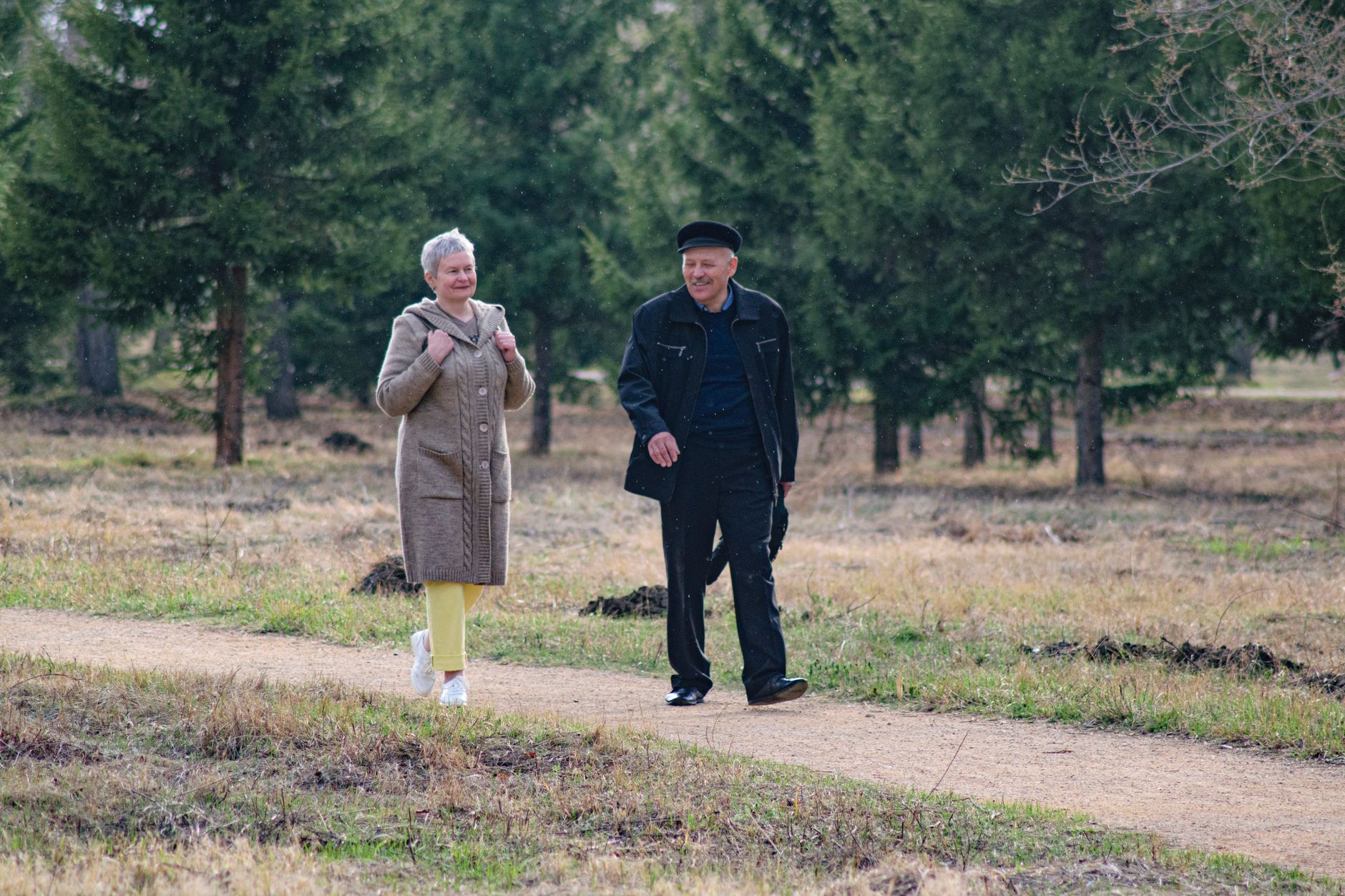
- Stress Test (TMT/Treadmill Test): Checks how the heart responds to physical exertion.
- Echocardiogram: An ultrasound of the heart that reveals how well the heart muscle is pumping.
- CT Coronary Angiography (CTCA): A detailed scan that produces images of the coronary arteries without any incisions.
- Conventional Coronary Angiography: A procedure where a thin tube (catheter) is guided into the coronary arteries to directly visualise blockages — the gold standard when intervention may be needed.
The right test depends on your symptoms, risk factors, and clinical picture — something your cardiologist will assess carefully.
Treatment: What Can Be Done?
The approach to treating blocked arteries depends on the severity of the blockage and the overall health of the patient.
Lifestyle and Medication
For many patients, especially those with partial blockages and manageable symptoms, a combination of lifestyle changes and medications is effective:
- Cholesterol-lowering medicines (statins)
- Blood pressure medications
- Blood-thinning agents (like aspirin or newer antiplatelet drugs)
- Medicines to reduce angina symptoms
- A heart-healthy diet — rich in vegetables, whole grains, and healthy fats
- Regular, moderate physical activity
Interventional Procedures
When blockages are more severe, a cardiologist may recommend:
- Angioplasty and Stenting: A small balloon is used to open the blocked artery, and a tiny mesh tube (stent) is placed to keep it open. This is performed through a small puncture, usually at the wrist or groin.
- Bypass Surgery (CABG): For complex, multi-vessel blockages, a cardiac surgeon creates new pathways around the blocked arteries.
Key Takeaways
- Blocked arteries develop gradually through a process called atherosclerosis — plaque builds up inside artery walls over years.
- High cholesterol, high blood pressure, diabetes, smoking, and an inactive lifestyle are the leading drivers.
- Symptoms can range from chest tightness during exertion all the way to a sudden heart attack.
- Early detection through regular check-ups and the right tests can make an enormous difference.
- Many risk factors are within your control — small, consistent lifestyle changes add up powerfully over time.
- Effective treatments exist, from medications to minimally invasive procedures, tailored to each person's needs.
Your heart works every minute of every day — it deserves attention before symptoms appear. If you have any of the risk factors mentioned above, or if you have been experiencing any of the warning signs, consider booking a consultation with a qualified interventional cardiologist to get a clear picture of your heart health.
Frequently asked questions
- Can blocked arteries be reversed naturally?
- Significant blockages cannot be fully reversed by lifestyle changes alone, but research shows that a heart-healthy diet, regular exercise, quitting smoking, and appropriate medications can slow plaque progression and in some cases reduce mild plaque build-up. For moderate to severe blockages, medical or interventional treatment is usually needed alongside lifestyle changes.
- What does a blocked artery feel like?
- Many people feel nothing for years. When symptoms do appear, they often include chest pressure or tightness — especially during physical activity or stress — shortness of breath, unusual fatigue, or pain that spreads to the jaw or left arm. Some blockages are only discovered during a routine check-up or test.
- At what age should I start getting checked for blocked arteries?
- If you have risk factors such as high cholesterol, high blood pressure, diabetes, a family history of heart disease, or a long history of smoking, it is wise to discuss screening with your doctor from your 30s or 40s onward. Even without obvious risk factors, a general heart health check is reasonable from age 40.
- Is angioplasty a major operation?
- No. Angioplasty (also called PCI or stenting) is a minimally invasive procedure performed through a small puncture — usually at the wrist. Most patients are awake throughout, experience only mild discomfort, and are able to return home within one to two days. It is very different from open-heart bypass surgery.