When Every Second Counts: Understanding AEDs
Imagine you are at a shopping mall in Rajkot and the person standing next to you suddenly collapses. Their heart has stopped beating in a normal rhythm. In that moment, two things can make the difference between life and death: CPR (cardiopulmonary resuscitation) and an AED — an Automated External Defibrillator.
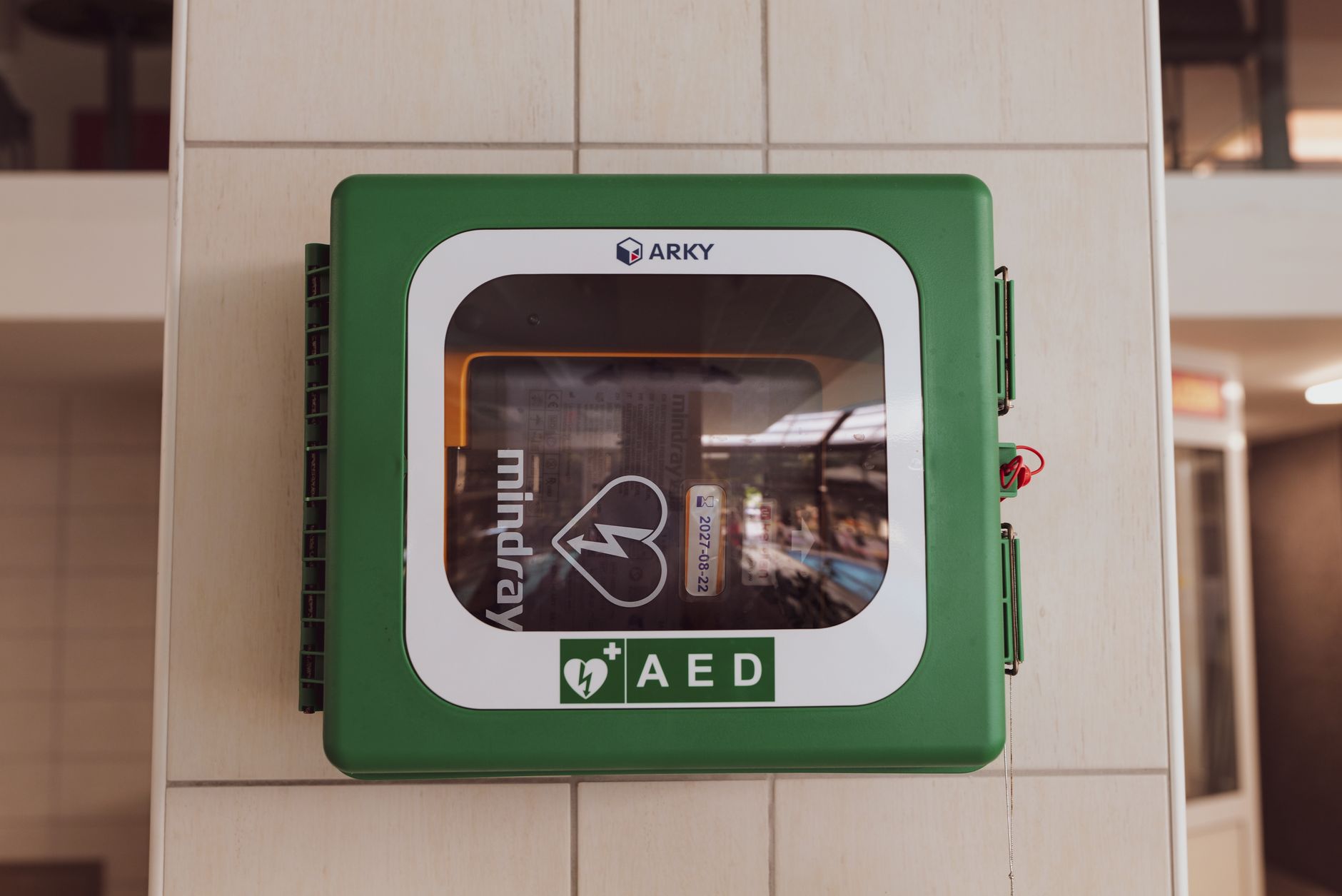
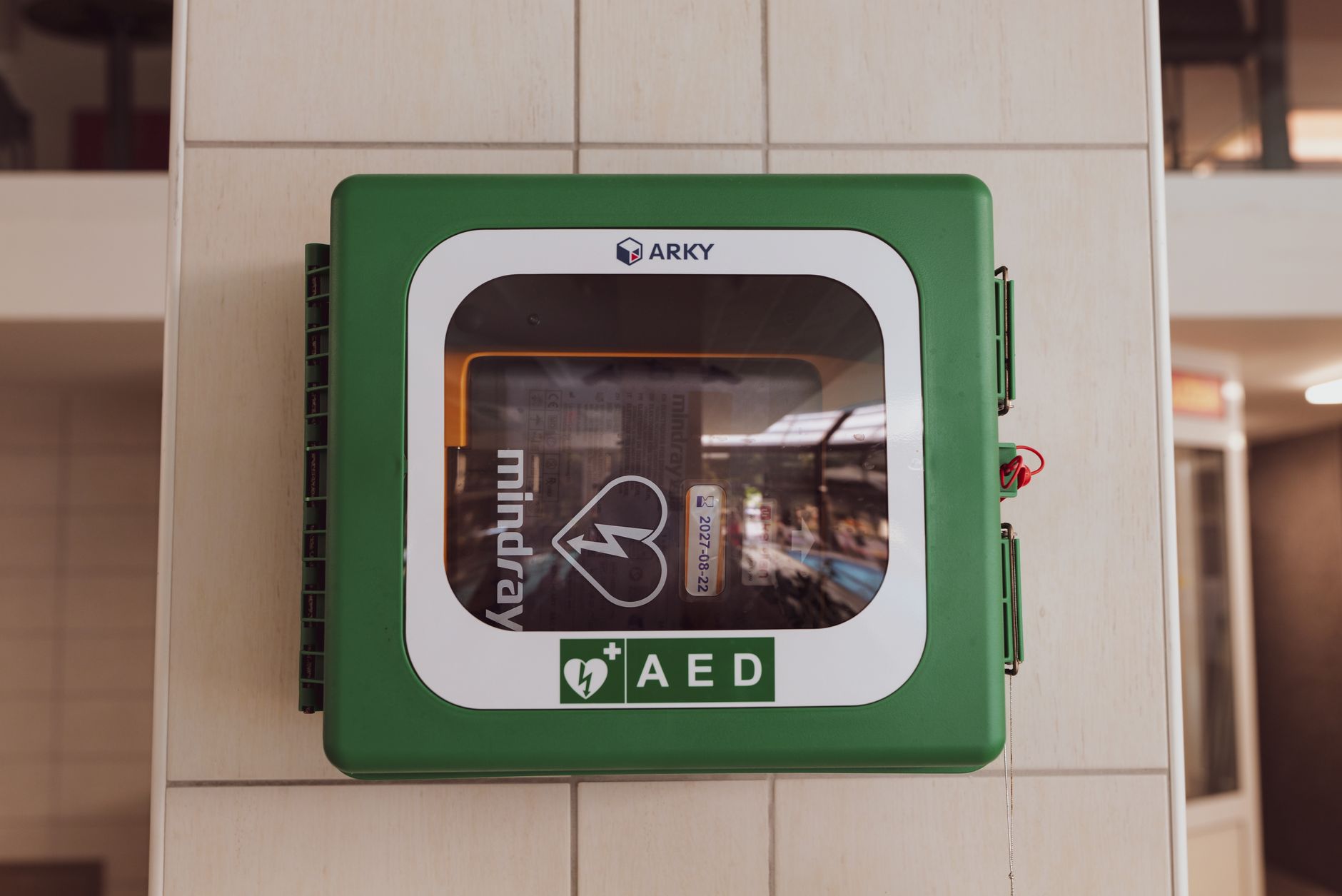
Most people have seen the boxy yellow or green cabinets on the walls of airports, gyms, and offices. But far fewer know what is inside or how to use it. This article will change that. Understanding how to use an AED defibrillator during cardiac arrest is a skill that every adult should have — and the good news is, it is much simpler than you think.
What Is an AED and What Does It Do?
An Automated External Defibrillator (AED) is a lightweight, portable device that analyses the heart's electrical rhythm and, if needed, delivers a controlled electric shock — called defibrillation — to help the heart reset to a normal beat.
Sudden cardiac arrest (SCA) often happens because the heart's electrical system goes haywire, causing a dangerous rhythm called ventricular fibrillation (VF). During VF, the heart quivers instead of pumping blood. An AED detects this rhythm and delivers a shock to interrupt it, giving the heart a chance to restart normally.
Here is the key fact: for every minute without defibrillation, survival chances drop by roughly 7–10%. An AED used within the first 3–5 minutes of collapse can bring survival rates to over 50%. That is why having AEDs in public places — and people who know how to use them — matters so much.
Key Takeaways
- An AED is a safe, easy-to-use device that can restart the heart during sudden cardiac arrest.
- You do not need to be a doctor or nurse to use one — the device guides you with voice instructions.
- Speed is critical: use an AED as quickly as possible while waiting for emergency services.
- AEDs will NOT shock a normal or healthy heart — they are designed to only fire when a dangerous rhythm is detected.
- Combining CPR with AED use gives the person the strongest chance of survival.
Where Can You Find an AED?
AEDs are increasingly common in public spaces across India, including in cities like Rajkot. Here is where to look:
- Airports and railway stations — typically near information desks or security counters
- Shopping malls and multiplexes — often at the entrance or near security offices
- Gyms and sports complexes — near reception or the first-aid station
- Corporate offices and IT parks — at reception desks or pantry areas on each floor
- Schools, colleges, and universities
- Hotels and large restaurants
- Government buildings and hospitals
When you enter a new public building, make it a habit to look for the green or yellow AED sign — a small heart with a lightning bolt. Many AED cabinets are bright red or yellow and wall-mounted at eye level.
Tip: Several mobile apps (such as the PulsePoint app and others) and Google Maps listings now allow users to locate the nearest AED in real time. Encourage your workplace or housing society to register their AED on such platforms.
Step-by-Step: How to Use an AED Defibrillator During Cardiac Arrest
Modern AEDs are designed for ordinary bystanders. Once you open the case, the device talks you through every step with clear voice prompts. Here is what to expect:
Step 1: Make Sure the Scene Is Safe
Before rushing in, quickly check that there is no water on the floor, exposed wires, or other hazards around the person. Your safety matters too.
Step 2: Check the Person and Call for Help
- Tap their shoulders firmly and shout, "Are you okay?"
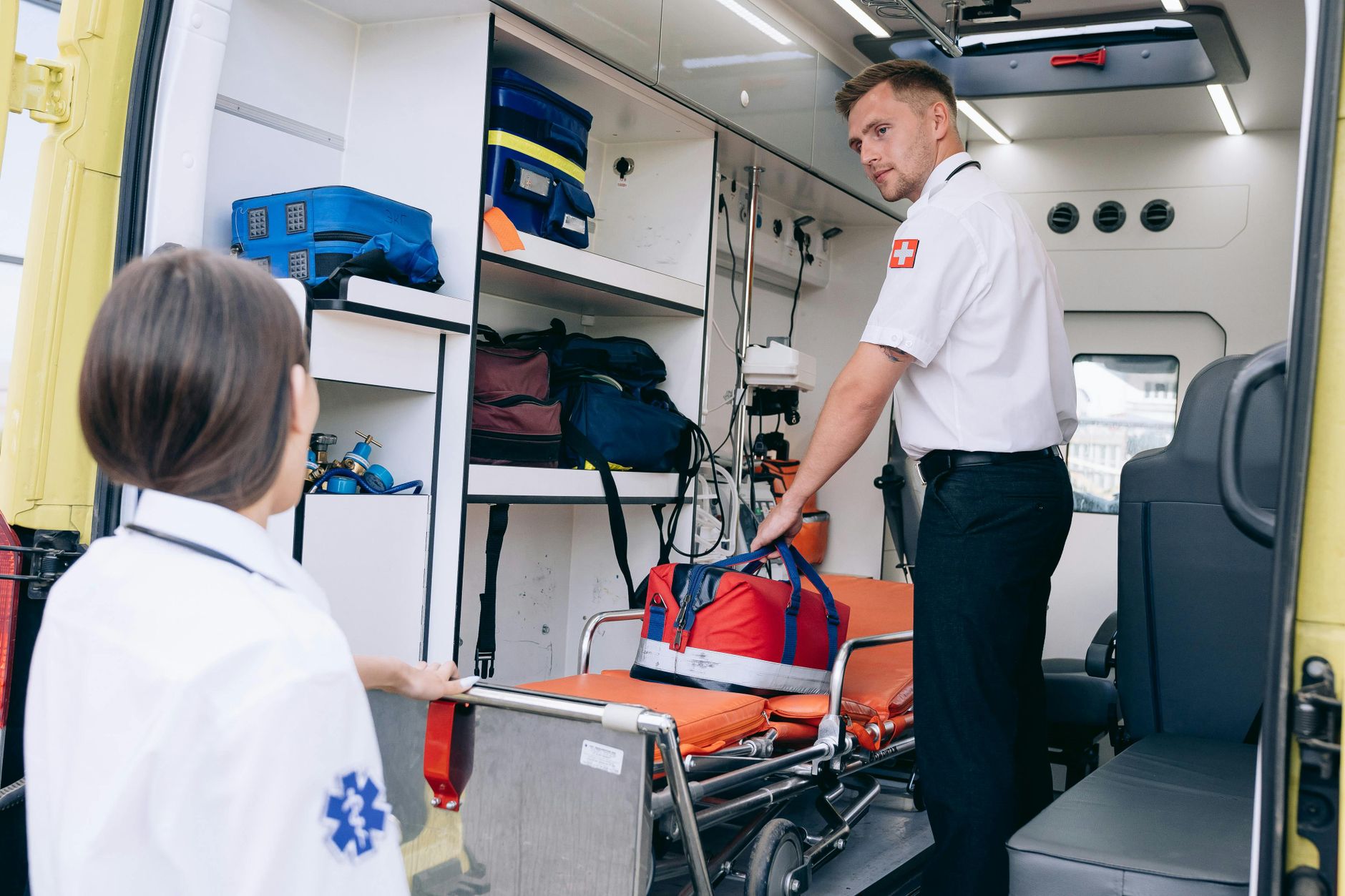
- If there is no response and they are not breathing normally, call 108 (emergency services) immediately or ask a bystander to call while you act.
- If someone else is nearby, send one person to fetch the AED and another to call for help — do both simultaneously.
Step 3: Start CPR Right Away
Do not wait for the AED. Begin hands-only CPR:
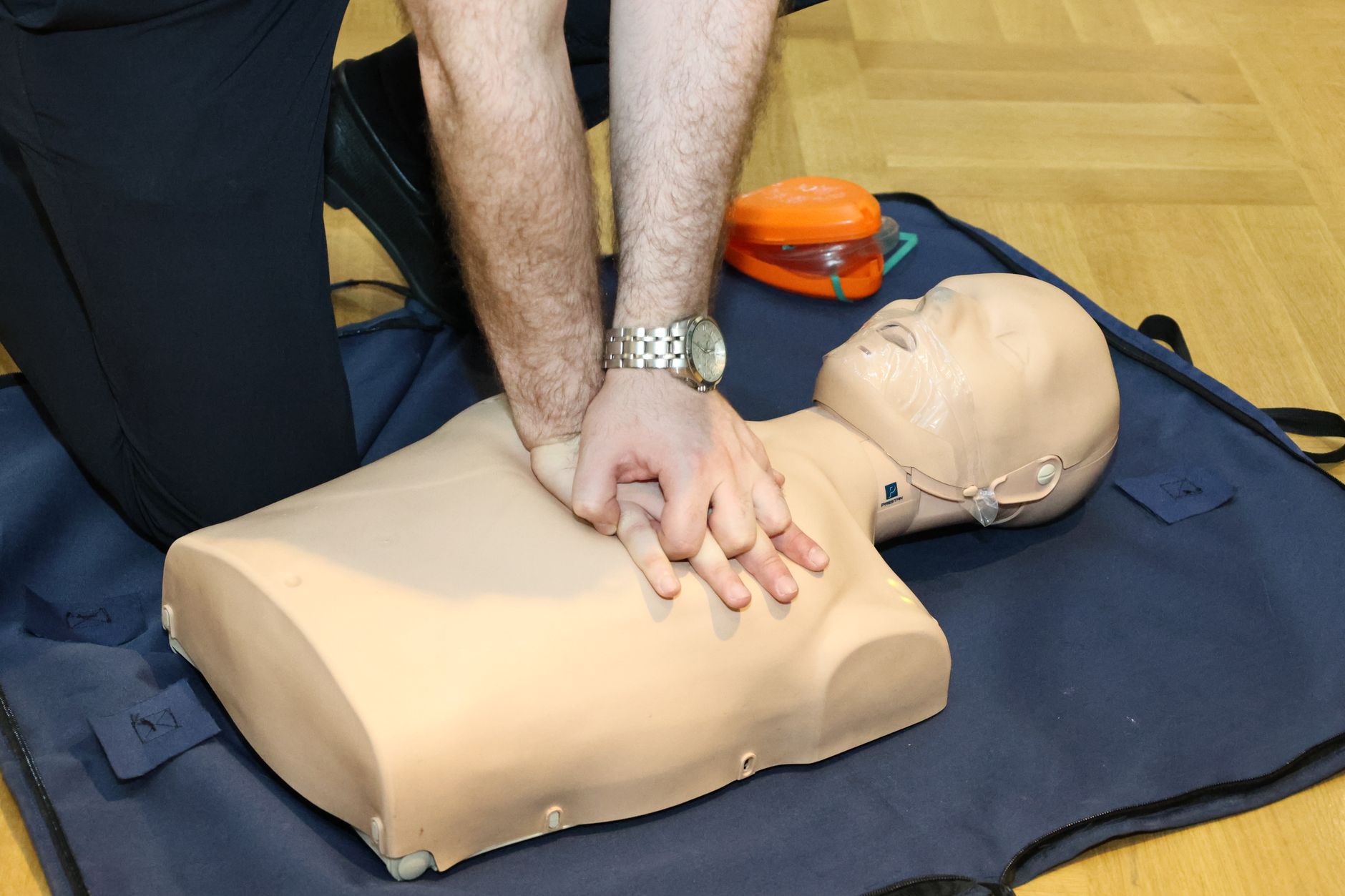
- Place the heel of one hand on the centre of the chest (lower half of the breastbone).
- Place your other hand on top, fingers interlaced.
- Push down hard and fast — at least 5 cm deep, at a rate of 100–120 compressions per minute (roughly the beat of the song "Stayin' Alive").
- Allow the chest to fully rise between compressions.
Keep doing CPR until the AED arrives.
Step 4: Turn On the AED
Open the AED case — the device will turn on automatically in most models, or you may press a green power button. From this point, listen to the voice prompts and follow them exactly.
Step 5: Attach the Electrode Pads
The AED kit contains two sticky electrode pads with pictures showing exactly where to place them:
- Pad 1: On the upper right chest, just below the collarbone.
- Pad 2: On the lower left side of the chest, below the armpit.
Make sure the chest is dry. If there is a lot of chest hair, a razor may be in the AED kit — use it quickly, or press the pads down firmly. Remove any medication patches from the skin first.
Step 6: Let the AED Analyse the Heart Rhythm
Once the pads are attached, the AED will say: "Analysing heart rhythm — do not touch the patient."
Stand clear and make sure nobody is touching the person. The AED will analyse the rhythm in a few seconds.
- If a shock is needed: The AED will charge automatically and say, "Shock advised — stand clear." Make sure no one is touching the patient, then press the flashing orange or red shock button.
- If no shock is needed: The AED will say, "No shock advised — continue CPR." Resume chest compressions immediately.
Step 7: Resume CPR
After delivering the shock (or if no shock is advised), immediately restart CPR — 30 chest compressions followed by 2 rescue breaths, or continue hands-only compressions if you are not trained in rescue breathing. The AED will prompt you every 2 minutes to stop and re-analyse.
Continue this cycle until:
- Emergency medical services (EMS) arrive and take over.
- The person begins breathing normally and moving.
- You are physically unable to continue.
Common Fears — and Why They Should Not Stop You
"What if I do it wrong?" The AED will not let you. It analyses the rhythm itself and will only advise a shock when truly needed. It will not shock a healthy heart.
"What if I hurt the person?" You cannot make cardiac arrest worse by using an AED. Without intervention, the outcome is certain. With it, there is a real chance of survival.
"Am I legally protected?" In India, the Good Samaritan guidelines (issued by the Supreme Court and reinforced by the Ministry of Road Transport) protect bystanders who render emergency help in good faith. You should not hesitate to act.
"I have never been trained." That is exactly why AEDs use voice prompts and pictures. They are specifically engineered for untrained bystanders. That said, taking a basic CPR + AED training session — many hospitals and community organisations in Rajkot offer these — will build your confidence significantly.
AEDs and Children: What You Should Know
AEDs can be used on children aged 1 year and above. Most AED kits include a set of smaller paediatric pads or a paediatric mode switch. If paediatric pads are not available and the child is in cardiac arrest, use adult pads — just make sure the two pads do not touch each other.
For infants under 1 year, a manual defibrillator is preferred, but if an AED is the only option, it is still better to use it than not.
The Bigger Picture: Building a Heart-Safe Community
A single AED on the wall means little if no one knows it is there or how to use it. Here is how you can help your community:
- Advocate for AED installation in your apartment building, school, or workplace.
- Learn CPR and AED use — ask your local hospital or the Rajkot Municipal Corporation about community training programmes.
- Share this article with family and friends — knowledge shared is lives saved.
Cardiologists, including interventional cardiologists who work every day with heart emergencies, consistently emphasise that the chain of survival begins long before an ambulance arrives. You — the bystander — are the most important first link in that chain.
If you or a loved one has risk factors for heart disease such as high blood pressure, diabetes, high cholesterol, or a family history of cardiac events, please do not wait for an emergency. Consult a qualified cardiologist to discuss your heart health, prevention strategies, and whether an AED at home may be appropriate for your family. Early assessment and personalised care are your strongest tools. You are welcome to book a consultation with Dr. Nikhila Pachani, Consultant Interventional Cardiologist in Rajkot, to take that first step toward a heart-healthy future.
Frequently asked questions
- Can anyone use an AED, or do you need medical training?
- Anyone can use an AED — no medical training is required. The device guides you through every step with clear voice prompts and pictures on the pads. Simply turning it on and following its instructions is enough. That said, taking a short CPR and AED training course will help you feel more confident in a real emergency.
- Will an AED shock someone whose heart is beating normally?
- No. An AED is designed to analyse the heart's rhythm before doing anything. It will only advise and deliver a shock if it detects a dangerous rhythm such as ventricular fibrillation or ventricular tachycardia. It will never shock a normal, healthy heartbeat, making it very safe for bystanders to use.
- Where can I find an AED in a public place in India?
- AEDs are commonly found in airports, railway stations, shopping malls, corporate offices, gyms, hotels, and large government buildings. Look for a green or yellow sign showing a heart with a lightning bolt. Some smartphone apps and Google Maps listings can also help you locate the nearest AED in real time.
- What should I do if the AED says 'no shock advised'?
- If the AED analyses the rhythm and says 'no shock advised,' this means the heart is either in a rhythm that does not respond to defibrillation, or it may have already returned to a normal beat. In either case, immediately resume CPR (chest compressions) and continue until emergency medical services arrive. Keep following the AED's voice prompts every 2 minutes.