
What Is Hypertrophic Cardiomyopathy?
Your heart is a muscle — and like any muscle, it can sometimes grow too thick. Hypertrophic cardiomyopathy (HCM) is a condition where the walls of the heart muscle become abnormally thickened (hypertrophied), making it harder for the heart to pump blood efficiently.
The word sounds complicated, but let us break it down:
- Hypertrophic = abnormal thickening or overgrowth
- Cardio = heart
- Myopathy = disease of the muscle
HCM is actually one of the most common inherited heart conditions, affecting roughly 1 in every 500 people worldwide. Many people live with it for years without knowing — and with the right care, the vast majority lead full, active lives.
How Does It Happen?
In HCM, the muscle cells of the heart (called cardiomyocytes) are genetically "programmed" to grow in a disorganised and excessive way. This usually affects the left ventricle — the main pumping chamber — and the thick wall (septum) that separates the two lower chambers.
When the wall becomes too thick, two problems can arise:
- Obstruction — The thickened muscle can block the outflow of blood from the heart. About two-thirds of people with HCM have this type, called obstructive HCM.
- Stiffness — Even without a blockage, the stiff, thickened muscle does not relax properly between beats, making it harder for the heart to fill with blood.
Is It Genetic?
Yes, in most cases. HCM is caused by a mutation (change) in one of the genes that controls how heart muscle proteins are built. It follows an autosomal dominant pattern — meaning if one parent carries the gene, there is roughly a 50% chance of passing it to a child.
This is why, if you are diagnosed with HCM, your doctor will often recommend that close family members (parents, siblings, children) also get screened.
Recognising the Symptoms
One of the challenges with HCM is that symptoms can vary widely. Some people have no symptoms at all. Others may notice problems during physical activity or even at rest.

Common Hypertrophic Cardiomyopathy Symptoms
- Breathlessness (dyspnoea) — especially during exercise or when lying flat
- Chest pain or tightness — often triggered by exertion
- Palpitations — a fluttering, pounding, or racing heartbeat
- Dizziness or light-headedness — particularly after standing quickly or during activity
- Fainting (syncope) — a sudden, brief loss of consciousness, which should always be taken seriously
- Fatigue — feeling unusually tired even after mild activity
Illustrative example: A 35-year-old might notice that they become unusually breathless while climbing stairs, or feel a rapid heartbeat during a morning walk — symptoms that were previously easy to dismiss as being "out of shape."
Some people only discover HCM after a routine ECG or echocardiogram done for an unrelated reason. This is why regular health check-ups matter, particularly in a busy city like Rajkot where lifestyle demands can sometimes put cardiovascular health on the back burner.
When to See a Doctor Immediately
Certain symptoms require prompt medical attention:
- Sudden fainting, especially during exercise
- Severe chest pain
- A very fast or irregular heartbeat that does not settle
- Sudden breathlessness at rest
If you or someone near you experiences these, seek emergency care without delay.
How Is HCM Diagnosed?
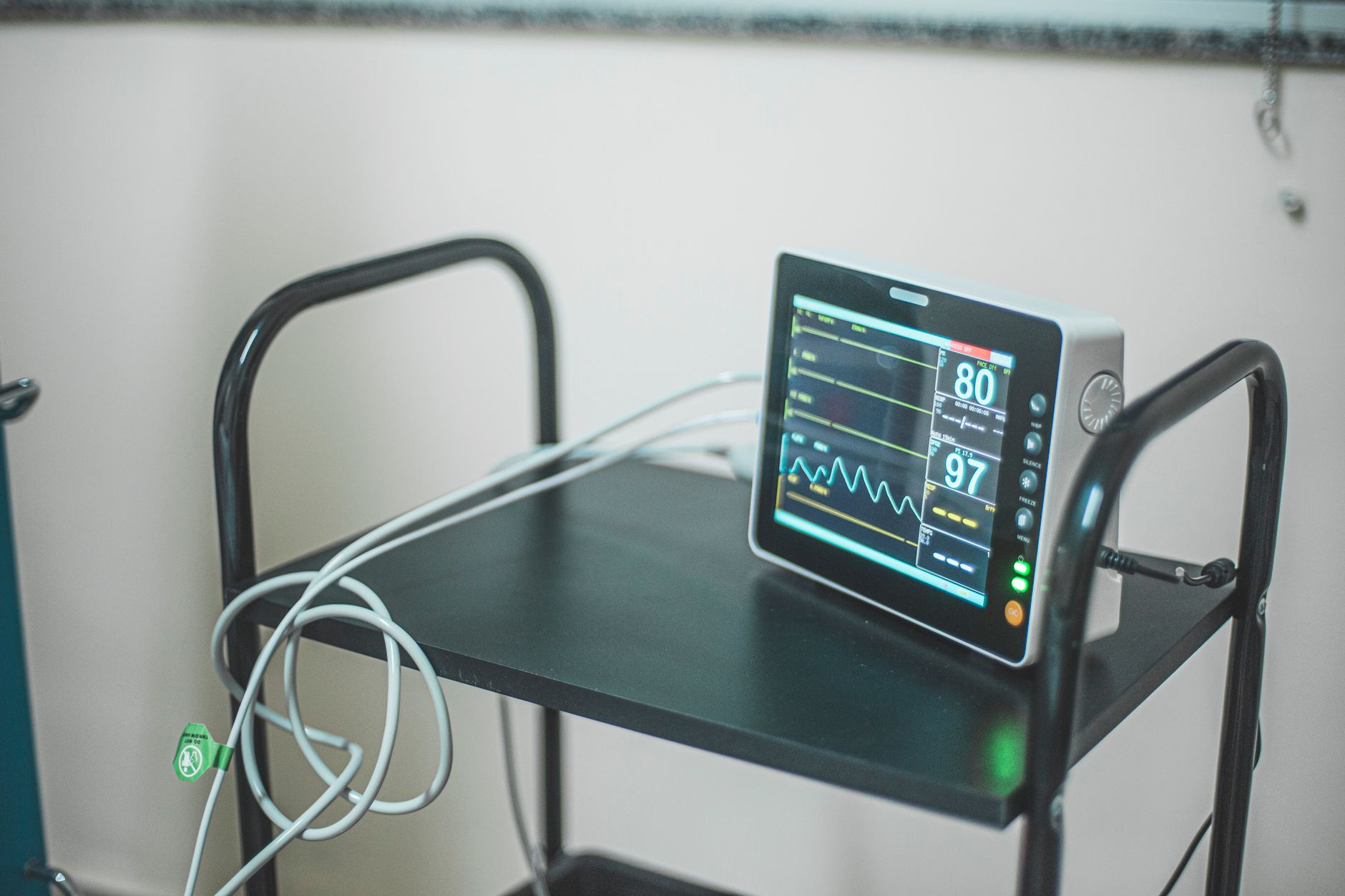
Diagnosis typically involves a combination of:
1. Detailed Medical History & Family History
Your cardiologist will ask about your symptoms, any family members with heart disease, and any history of unexplained fainting in the family.
2. Electrocardiogram (ECG)
A simple, non-invasive test that records the electrical activity of your heart. In HCM, the ECG often shows characteristic changes that prompt further investigation.
3. Echocardiogram (Heart Ultrasound)
This is the key diagnostic test for HCM. It uses sound waves to create real-time images of your heart, allowing the cardiologist to measure the thickness of the heart walls and assess how blood flows through the chambers. At a cardiology practice in Rajkot, this is routinely available and very well-tolerated.
4. Cardiac MRI
When more detailed images are needed — for example, to assess the extent of muscle involvement or detect scarring (fibrosis) — a cardiac MRI may be recommended.
5. Genetic Testing
If HCM is confirmed, genetic testing can identify the specific mutation involved, which is especially useful for family screening.
6. Holter Monitor / Event Monitor
A portable ECG device worn for 24–48 hours (or longer) to detect abnormal heart rhythms that may not show up during a brief clinic ECG.
Treatment Options for Hypertrophic Cardiomyopathy
The good news: HCM is very manageable with modern treatment. The goals are to relieve symptoms, reduce the risk of complications, and improve quality of life.
Treatment is tailored to each individual based on symptoms, degree of obstruction, heart rhythm, and overall risk profile.
Medications
- Beta-blockers (e.g., metoprolol) — slow the heart rate and help the heart relax, reducing obstruction and breathlessness
- Calcium channel blockers (e.g., verapamil) — an alternative for those who cannot tolerate beta-blockers
- Disopyramide — may be added to further reduce obstruction in some patients
- Mavacamten — a newer, targeted cardiac myosin inhibitor that directly reduces the excessive heart muscle contraction in obstructive HCM; a significant advance in treatment
Procedures for Obstructive HCM
When medications do not provide enough relief, there are effective procedures to reduce the obstruction:
- Septal myectomy — A cardiac surgical procedure to remove a small portion of the thickened septal muscle, restoring better blood flow
- Alcohol septal ablation — A catheter-based, non-surgical procedure where a tiny amount of alcohol is carefully delivered through a thin tube (catheter) into a small artery supplying the thickened muscle. This causes a controlled reduction in muscle thickness, relieving the obstruction. This is an area where interventional cardiologists play a key role.
Managing Heart Rhythm Problems
Some patients with HCM develop abnormal heart rhythms (arrhythmias), particularly atrial fibrillation (AF) or, less commonly, serious ventricular arrhythmias. These are managed with:
- Anti-arrhythmic medications
- Blood thinners (anticoagulants) to reduce stroke risk in AF
- Implantable Cardioverter Defibrillator (ICD) — a small device implanted under the skin that monitors heart rhythm and delivers a life-saving shock if a dangerous rhythm occurs. This is recommended for patients assessed to be at higher risk.

Living Well With HCM
A diagnosis of HCM is not a full stop on an active life. With the right guidance, most people with HCM can:
- Continue gentle-to-moderate physical activity (your cardiologist will advise what level is right for you)
- Manage symptoms effectively with medication
- Attend regular follow-up appointments to monitor their condition
- Protect family members through screening
Key Takeaways
- HCM is a genetic condition where the heart muscle wall grows too thick, affecting how the heart pumps blood
- Symptoms include breathlessness, chest pain, palpitations, dizziness, and fainting — but many people have no symptoms at all
- Diagnosis involves an ECG, echocardiogram, and sometimes cardiac MRI or genetic testing
- Treatment ranges from medications to catheter-based procedures and device implantation, depending on the individual
- Family screening is important, as HCM can be inherited
- Regular follow-up with a cardiologist is essential to stay safe and well
A Note on Regular Screening
In Gujarat, awareness of inherited heart conditions like HCM is growing — and rightly so. If you have a family history of unexplained heart problems, early fainting, or sudden cardiac events in young relatives, do not wait for symptoms to appear. A simple echocardiogram can provide enormous peace of mind, or catch a condition early when it is easiest to manage.
If you are experiencing any of the symptoms described above, or have a family history of heart muscle disease, we warmly encourage you to book a consultation with a qualified cardiologist. Early assessment can make a meaningful difference to your long-term heart health.
Frequently asked questions
- Can people with hypertrophic cardiomyopathy live a normal life?
- Yes, the majority of people with HCM live full, active lives with appropriate medical management. Regular follow-up with a cardiologist, the right medications, and sensible lifestyle adjustments allow most individuals to manage their symptoms well and reduce their risk of complications.
- Is hypertrophic cardiomyopathy the same as a heart attack?
- No. A heart attack occurs when blood supply to the heart is suddenly blocked, usually due to a clot in a coronary artery. HCM is a genetic condition involving abnormal thickening of the heart muscle itself. The two are different conditions, though both require prompt medical attention.
- Should my family members be tested if I have HCM?
- Yes, this is strongly recommended. HCM is usually inherited in an autosomal dominant pattern, meaning first-degree relatives — parents, siblings, and children — have a roughly 50% chance of carrying the same genetic variant. Screening with an echocardiogram and, in some cases, genetic testing is advised for close family members.
- What activities should I avoid if I have hypertrophic cardiomyopathy?
- Guidance varies depending on the severity of your HCM and whether obstruction or arrhythmias are present. Generally, high-intensity competitive sports and very strenuous exertion may be restricted. However, gentle-to-moderate activity such as walking is often encouraged. Your cardiologist will give you personalised advice based on your specific condition.