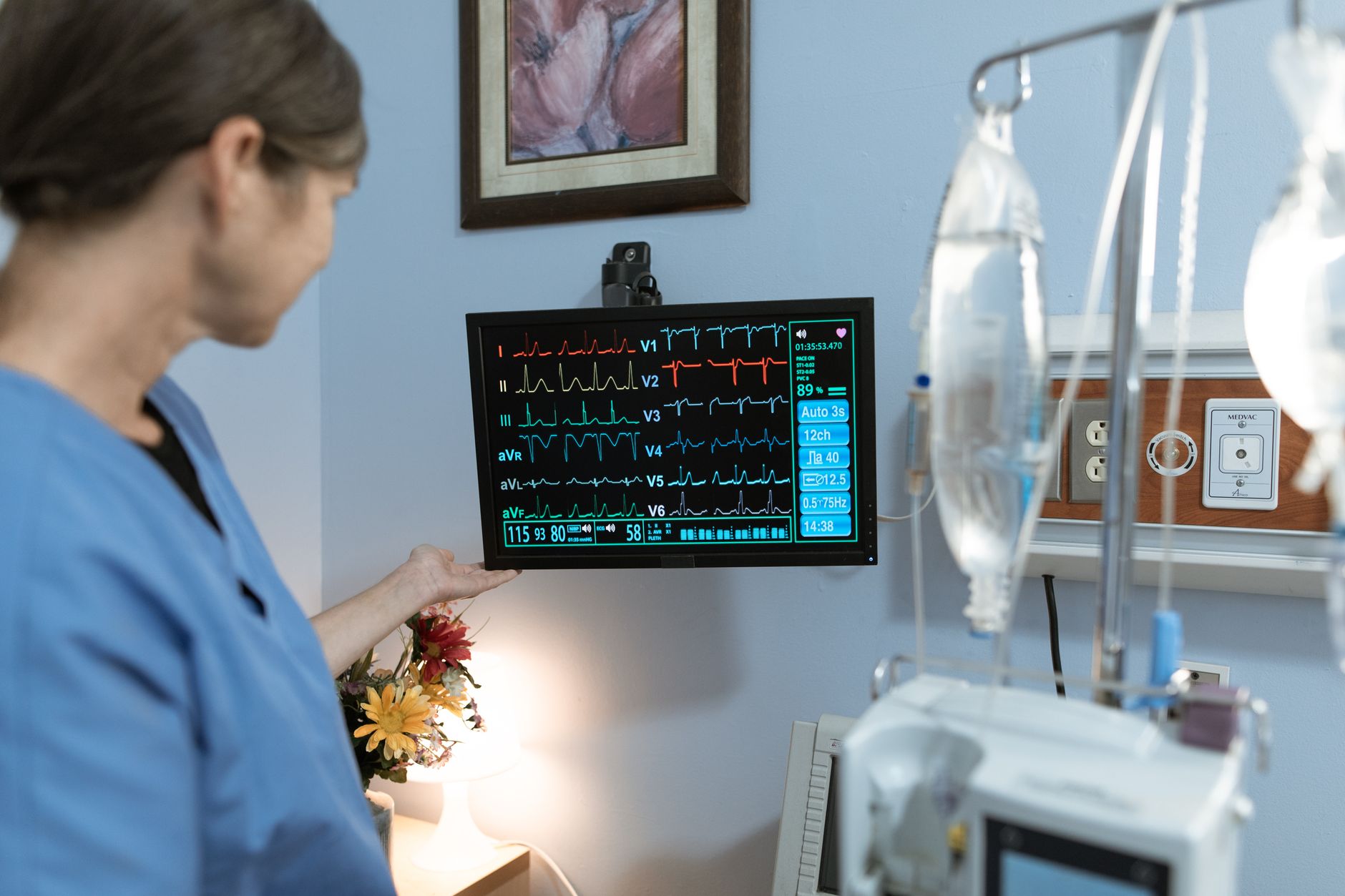
What Is an ICD Device for Heart Patients?
Your heart beats in a steady rhythm because of tiny electrical signals that travel through it in perfect sequence. Sometimes, however, this electrical system misfires — producing dangerously fast or chaotic rhythms that can stop the heart from pumping blood effectively. When that happens, every second counts.
An Implantable Cardioverter Defibrillator (ICD) is a small, battery-powered device placed under the skin near the collarbone. It watches your heart rhythm around the clock. If it detects a life-threatening rhythm, it delivers a precisely calibrated electrical shock — or a series of rapid, gentle pulses — to reset the heart back to normal. Think of it as a personal emergency response system that works even while you sleep.
The ICD device for heart patients has transformed the management of serious heart rhythm disorders over the past three decades, giving people the confidence to live active, fulfilling lives.
How Does an ICD Work?
An ICD has two main parts:
- The generator — a slim metal case (roughly the size of a matchbox) housing the battery and computer circuitry, implanted just under the skin below the collarbone.
- Leads (wires) — one or two thin, insulated wires that thread through a vein into the heart chambers and sense electrical activity.
The device continuously monitors every heartbeat. When it detects a problem, it responds in steps:
- Anti-tachycardia pacing (ATP): For certain fast rhythms, the ICD delivers a burst of rapid, low-energy pulses to interrupt the abnormal circuit — often without the patient even feeling it.
- Low-energy cardioversion: A small shock for rhythms that do not respond to pacing.
- High-energy defibrillation: A stronger shock reserved for ventricular fibrillation — the most life-threatening rhythm. Patients usually feel this as a sharp thump in the chest, lasting only a fraction of a second.
Modern ICDs also function as pacemakers, providing backup pacing if the heart beats too slowly.
Who Needs an ICD?
Not everyone with a heart condition requires an ICD. Cardiologists recommend it for patients who are at significant risk of sudden cardiac arrest (SCA). The two broad groups are:
1. Secondary Prevention — After a Life-Threatening Event
If you have already survived:
- Sudden cardiac arrest (your heart stopped and was restarted)
- Ventricular fibrillation (VF) — chaotic, disorganised electrical activity
- Sustained ventricular tachycardia (VT) with fainting or haemodynamic collapse
…you are at high risk of another episode. An ICD is strongly recommended in these situations because it acts as a reliable safety net.
2. Primary Prevention — Before an Event Occurs
Certain conditions substantially raise the risk of a future life-threatening rhythm even if one has never happened:
- Heart failure with reduced ejection fraction (HFrEF): When the heart's pumping function (EF) falls below 35%, the risk of sudden cardiac death rises considerably. This is one of the most common reasons an ICD is advised in India today.
- Hypertrophic cardiomyopathy (HCM): A genetic condition where the heart muscle is abnormally thick.
- Arrhythmogenic right ventricular cardiomyopathy (ARVC)
- Long QT syndrome, Brugada syndrome, and other inherited channelopathies
- Survivors of a large heart attack with significantly reduced heart function
A 55-year-old, for example, who experienced a heart attack two years ago and now has an ejection fraction of 30% despite optimal medications would typically be a strong candidate for an ICD as part of a comprehensive management plan.
Important: The decision is always personalised. Your cardiologist will consider your overall health, the type of rhythm disorder, results of tests such as an ECG, echocardiogram, and Holter monitor, and your own preferences before recommending an ICD.
The ICD Implant Procedure: A Step-by-Step Overview
Before the Procedure
- Blood tests, ECG, echocardiogram, and chest X-ray are usually done.
- You will be asked to fast for several hours beforehand.
- Any blood-thinning medications may need to be adjusted — your cardiologist will guide you.
During the Procedure
The implantation is performed in a specialised cardiac catheterisation laboratory (cath lab). At our facility in Rajkot, the procedure typically takes 1–2 hours.
- Local anaesthesia and sedation are given so you are comfortable and relaxed — you are not under general anaesthesia in most cases.
- A small incision (around 4–5 cm) is made just below the collarbone.
- The lead wire(s) are guided through a vein and positioned precisely in the heart under X-ray guidance (fluoroscopy).
- The generator is connected to the leads and placed in a small pocket created under the skin.
- The device is tested to confirm it senses and delivers therapy correctly.
- The incision is closed with dissolvable stitches.
After the Procedure
- Most patients stay in hospital for 1–2 nights for monitoring.
- The arm on the side of the implant should be kept relatively still for 4–6 weeks while the lead settles into position.
- A follow-up appointment is scheduled within 1–2 weeks to check the wound and the device.
Life After an ICD: What to Expect
Returning to Normal Activities
Most people return to light daily activities — walking, cooking, light office work — within 1–2 weeks. Driving restrictions vary; your cardiologist will advise based on your condition and local guidelines. Many patients in Gujarat and across India find that having an ICD actually gives them more confidence to be active, knowing protection is always with them.
Device Check-Ups
Your ICD needs regular remote or in-clinic monitoring, typically every 3–6 months. At each check, the cardiologist reviews stored data on your heart rhythm, verifies battery life, and ensures settings remain appropriate for your needs.
Battery Life and Generator Replacement
ICD batteries last approximately 7–10 years depending on how often the device delivers therapy. When the battery nears its end, the generator is replaced through a minor procedure — the existing leads are usually reused.
Everyday Precautions
- Mobile phones: Keep them at least 15 cm away from the device. Using the opposite ear is a sensible habit.
- Airport security: Carry your ICD identification card — security wands should not be held over the device. Walk through standard airport scanners; brief exposure is generally considered safe, but inform staff.
- Household appliances: Microwave ovens, televisions, computers, and most home appliances are safe to use.
- MRI scans: Many newer ICDs are MRI-conditional, meaning MRI can be performed safely under specific conditions. Always inform the radiologist and the ICD clinic before any MRI.
- High-voltage or industrial machinery: Avoid direct contact with arc welders, large industrial motors, or similar high-electromagnetic-field equipment.

Emotional Well-Being
Receiving an ICD is a significant event. Some patients feel anxious about the possibility of receiving a shock, while others feel relieved knowing they have protection. Both reactions are completely understandable. Talking openly with your cardiologist, joining a cardiac support group, or speaking with a counsellor can make a real difference. In cities like Rajkot, cardiac rehabilitation programmes are increasingly available and are strongly encouraged.
Frequently Asked Questions (Quick Answers)
Will I feel the ICD working? Many rhythm corrections are done through gentle pacing — completely unfelt. If a full shock is delivered, most people describe it as a sudden, brief thump or jolt in the chest, lasting less than a second.
Can I exercise with an ICD? Yes, in most cases. Your cardiologist will give you specific guidelines. Regular, moderate exercise is beneficial for the heart conditions that require an ICD. Always follow a tailored cardiac rehabilitation plan.
Is an ICD the same as a pacemaker? They are related but different. A pacemaker primarily treats a heart that beats too slowly. An ICD is designed to treat life-threatening fast rhythms; most modern ICDs also include pacing capability.
Key Takeaways
- An ICD device for heart patients monitors the heart 24/7 and delivers therapy automatically if a dangerous rhythm is detected.
- It is recommended for people who have survived sudden cardiac arrest or who are at significant risk due to conditions like heart failure with low ejection fraction, HCM, or inherited rhythm disorders.
- The implant procedure is performed under local anaesthesia and sedation and typically takes 1–2 hours.
- Most people resume light activities within 1–2 weeks and lead full, active lives with an ICD.
- Regular follow-up, simple everyday precautions, and emotional support are key parts of living well with an ICD.
If you or a loved one has been told you may benefit from an ICD, or if you have questions about a heart rhythm condition, we warmly encourage you to consult a qualified interventional cardiologist. Book a consultation with Dr. Nikhila Pachani in Rajkot to discuss your individual situation and get the clarity and care you deserve.
Frequently asked questions
- Who is a candidate for an ICD device for heart patients?
- Candidates include people who have survived sudden cardiac arrest or a life-threatening ventricular arrhythmia (secondary prevention), as well as those with conditions like heart failure with an ejection fraction below 35%, hypertrophic cardiomyopathy, or inherited rhythm disorders who are at high risk of a future event (primary prevention). Your cardiologist will assess your specific situation before recommending an ICD.
- Is the ICD implant procedure risky or complicated?
- The procedure is well-established and performed under local anaesthesia with sedation in a specialised cath lab. Most patients experience minimal discomfort and stay in hospital for only 1–2 nights. As with any procedure, there are small risks such as bleeding, infection, or lead displacement, which your cardiologist will discuss with you beforehand.
- Can I live a normal life after getting an ICD?
- Yes. The vast majority of ICD recipients return to normal daily activities, light exercise, and even travel within a few weeks. Simple precautions — such as keeping mobile phones 15 cm away from the device and carrying an ICD ID card — become second nature quickly. Regular device check-ups every 3–6 months ensure everything continues to work correctly.
- How long does an ICD battery last, and what happens when it runs out?
- ICD batteries typically last between 7 and 10 years, depending on how often the device delivers therapy. When the battery approaches its end, the generator (the battery unit) is replaced through a minor surgical procedure. In most cases, the existing leads in the heart can be reused, making the replacement simpler than the original implant.