
What Is Endocarditis?
Your heart is a remarkably tough organ — but like any part of the body, it can become infected. Infective endocarditis is an infection of the inner lining of the heart, particularly the heart valves. Bacteria (and, less commonly, fungi) enter the bloodstream, travel to the heart, and attach to damaged or abnormal valve tissue, forming clumps called vegetations.
Left untreated, these vegetations can destroy the heart valves, break off into the bloodstream, and block blood supply to the brain, kidneys, or other organs — making endocarditis a true cardiac emergency.
The good news? When caught early and treated promptly, most people recover well. Understanding the warning signs is the single most important step you can take.
Who Is at Risk?
Infective endocarditis does not affect everyone equally. Certain conditions make the heart valves more vulnerable to infection.
You may be at higher risk if you have:
- A congenital (present-from-birth) heart defect
- Damaged or diseased heart valves (including rheumatic heart disease, which remains more common in parts of India including Gujarat)
- An artificial (prosthetic) heart valve
- A history of endocarditis
- An implanted cardiac device such as a pacemaker or ICD
Lifestyle and procedural factors that raise risk include:
- Injecting drugs with non-sterile needles
- Poor dental hygiene or recent invasive dental procedures without antibiotic cover
- Certain medical procedures involving catheters or devices placed in blood vessels
- A weakened immune system (e.g., due to diabetes, kidney disease, or cancer treatment)
Consider this illustrative example: a 48-year-old with a known bicuspid aortic valve who has a dental extraction without antibiotic prophylaxis might — in some circumstances — be at a higher risk of developing infective endocarditis in the weeks that follow. This is why cardiologists and dentists work together to protect at-risk patients.
Infective Endocarditis Symptoms: What to Watch For
The tricky thing about endocarditis is that its symptoms often look deceptively "ordinary" at first — a low-grade fever, some tiredness, maybe joint aches. This can lead to delays in diagnosis if the condition is not kept in mind.
Early Symptoms (Often Mistaken for Flu)
- Persistent fever — often low-grade (37.5–38.5 °C), lasting days or weeks
- Chills and night sweats
- Fatigue and general weakness
- Loss of appetite and unintended weight loss
- Muscle and joint aches
More Specific Warning Signs
As the infection progresses, more distinctive signs may appear:
- A new or changed heart murmur — one of the most important clues for doctors
- Shortness of breath, especially on exertion or when lying flat
- Swelling in the legs, ankles, or feet
- Small, painful red nodules on the fingertips or toes (called Osler's nodes)
- Tiny, painless red spots under the fingernails (splinter haemorrhages)
- Red, painless spots on the palms or soles (Janeway lesions)
- Spots of blood in the whites of the eyes (Roth spots — a doctor looks for these)
Emergency Red Flags — Seek Immediate Care
Call for emergency help or head straight to a cardiac centre if you or someone near you experiences:
- Sudden severe chest pain
- A stroke-like episode (sudden weakness on one side, slurred speech, face drooping)
- Sudden confusion or loss of consciousness
- Coughing up blood
These may indicate that a vegetation has broken away and blocked a major blood vessel — a life-threatening complication.
How Is Infective Endocarditis Diagnosed?
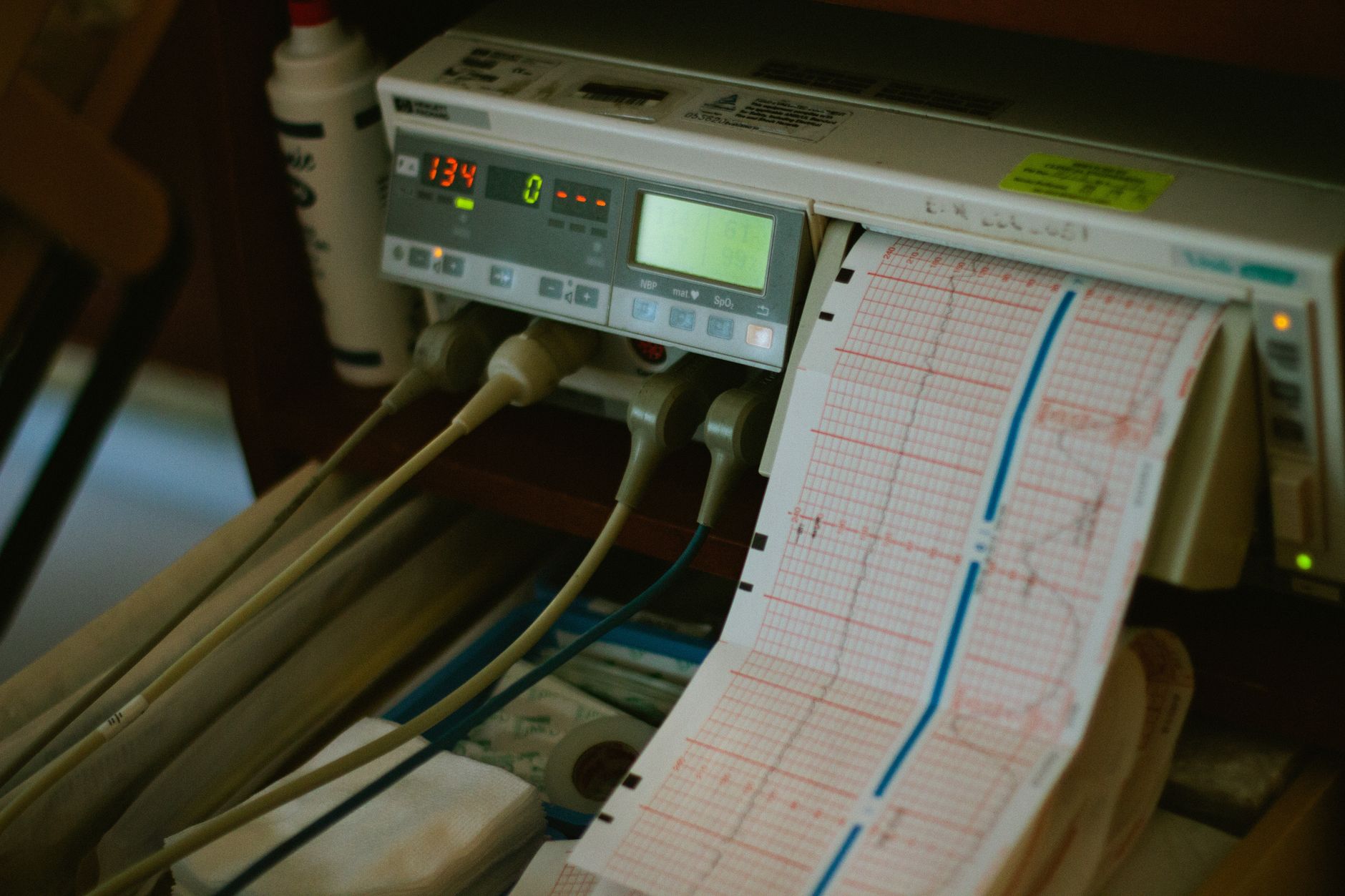
If a doctor suspects endocarditis based on your symptoms and history, several investigations will be arranged — often urgently.
Blood Cultures
This is the cornerstone of diagnosis. Multiple blood samples are taken at different times to identify the exact bacteria or fungus causing the infection. Identifying the germ is essential for choosing the right antibiotic.
Echocardiogram (Heart Ultrasound)
An echocardiogram uses sound waves to create a moving image of the heart. It can show:
- Vegetations (clumps of infected material) on the valves
- Valve damage or leakage
- Abscess formation around the heart
Two types may be used:
- Transthoracic echocardiogram (TTE): A probe is gently placed on the chest — comfortable and non-invasive.
- Transoesophageal echocardiogram (TOE): A small probe is passed into the food pipe (oesophagus) for a much clearer, closer view of the valves. This is often recommended when the TTE is inconclusive or in high-risk cases.
Additional Tests
- Full blood count and inflammatory markers (CRP, ESR) to assess the severity of infection
- CT or MRI scans to check if vegetations have broken off and affected the brain, kidneys, or spleen
- Dental X-rays to find a hidden oral source of infection
Infective Endocarditis Treatment: The Two Main Pillars
1. Prolonged Antibiotic Therapy
The foundation of endocarditis treatment is a long course of intravenous (IV) antibiotics — typically four to six weeks, administered in hospital. This extended duration is necessary because bacteria can hide deep within the vegetations, protected from the immune system.
The choice of antibiotic depends entirely on the specific germ identified in blood cultures. Common culprits include Staphylococcus aureus, Streptococcus species, and Enterococcus. Your care team will tailor the treatment precisely to the organism and its antibiotic sensitivities.
During this period, the heart is monitored regularly with repeat echocardiograms and blood tests to ensure the infection is responding.
2. Cardiac Surgery — When Is It Needed?
Roughly one in three to one in two people with infective endocarditis will require surgery during their treatment. Surgery is generally recommended when:
- The valve is severely damaged and causing heart failure
- The infection is not responding to antibiotics
- Very large vegetations are present with a high risk of breaking off (embolism)
- An abscess has formed around the valve
- Infection involves a prosthetic (artificial) valve
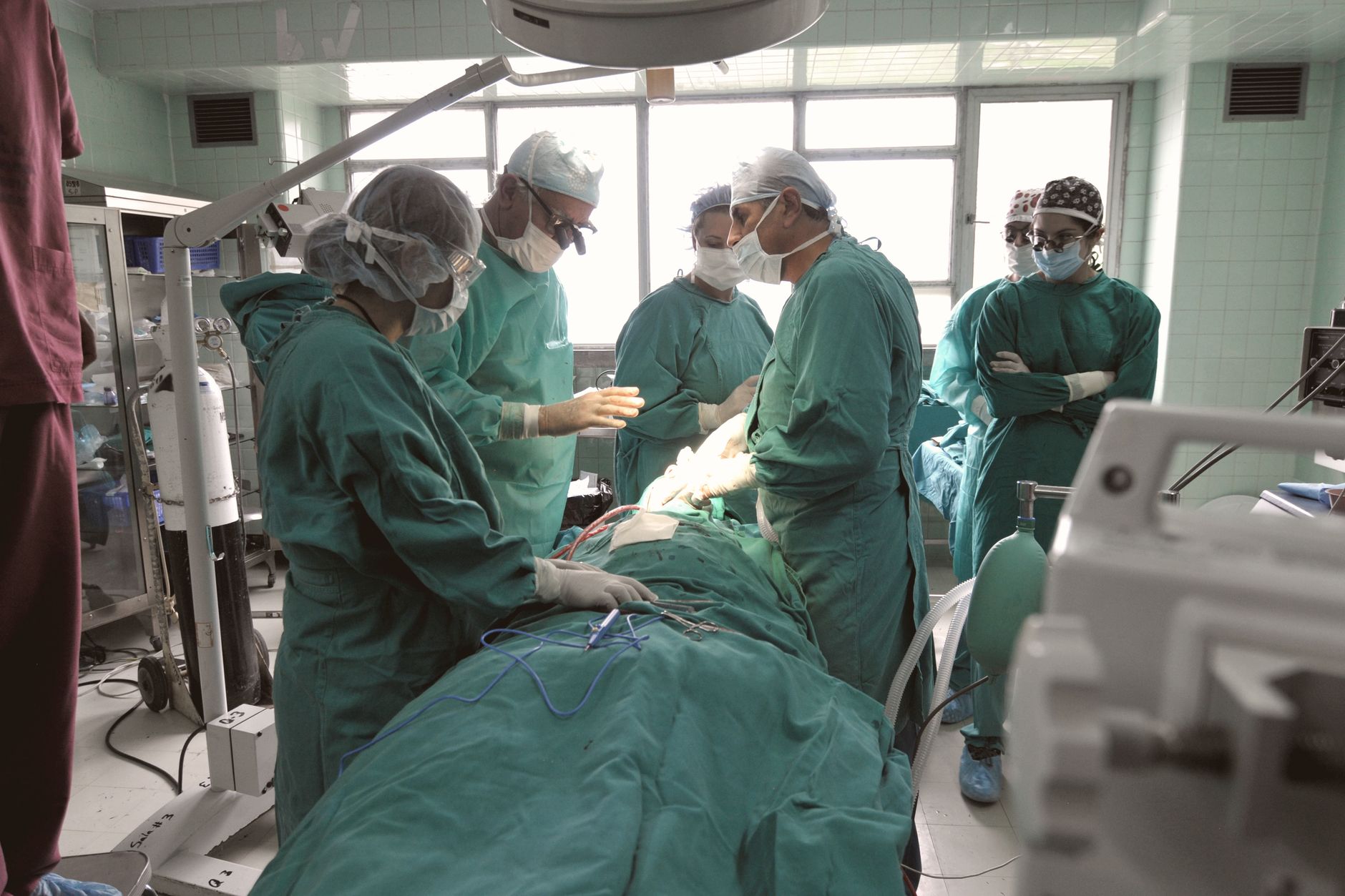
The most common procedure is valve repair or valve replacement — removing the infected tissue and either repairing the native valve or replacing it with a new one (mechanical or biological). While this is significant surgery, in the right hands and at the right time it can be life-saving.
Prevention: Small Steps That Matter
Preventing infective endocarditis is far simpler than treating it. For people in the higher-risk groups listed earlier, the following steps are strongly recommended:
- Maintain excellent dental hygiene — brush and floss daily; attend regular dental check-ups. The mouth is one of the commonest entry points for bacteria into the bloodstream.
- Antibiotic prophylaxis before dental procedures: If you have a high-risk heart condition, your cardiologist will advise you — and inform your dentist — about taking a single antibiotic dose before certain dental work.
- Never use non-sterile needles for injections of any kind.
- Treat skin infections promptly — do not ignore boils, cellulitis, or infected wounds.
- Carry a heart condition card if you have a prosthetic valve or device, so any healthcare provider knows your risk status.
- Tell every doctor and dentist about your heart condition before any procedure.
Living in Rajkot and Recognising the Risk
In Gujarat, rheumatic heart disease — a condition that can scar and weaken heart valves after a streptococcal throat infection in childhood — still affects a significant number of people. Scarred valves are more vulnerable to infective endocarditis. If you or a family member has been told they have a heart murmur or valve disease, understanding infective endocarditis symptoms and treatment is especially relevant.
Awareness and timely action make all the difference. A fever that does not settle in one to two weeks, particularly in someone with a known heart condition, deserves prompt medical evaluation — not just a repeat course of paracetamol.
Key Takeaways
- Infective endocarditis is a serious bacterial infection of the heart valves that can rapidly become life-threatening.
- Early symptoms (prolonged fever, fatigue, night sweats) are easy to overlook — stay alert if you have a known heart condition.
- Blood cultures and echocardiography are the cornerstones of diagnosis.
- Treatment requires four to six weeks of IV antibiotics and surgery in one-third to one-half of cases.
- Prevention — particularly good dental hygiene and antibiotic prophylaxis in high-risk individuals — is highly effective.
- Any sudden neurological symptoms or severe chest pain in a person with suspected endocarditis is a medical emergency.
If you have a heart valve condition, a prosthetic valve, or a congenital heart defect, and you are experiencing unexplained fever or any of the symptoms described above, please do not wait — speak with a qualified cardiologist promptly. Early evaluation can be the difference between a smooth recovery and a cardiac emergency. To book a consultation with Dr. Nikhila Pachani, Consultant Interventional Cardiologist in Rajkot, reach out to our clinic today.
Frequently asked questions
- What are the most common early symptoms of infective endocarditis?
- The most common early symptoms are a persistent low-grade fever lasting more than a week or two, chills, night sweats, unexplained fatigue, and muscle or joint aches. These can easily be mistaken for flu. If you have a known heart condition and these symptoms do not settle within a week or two, seek medical evaluation promptly.
- How long does treatment for infective endocarditis take?
- Treatment typically involves four to six weeks of intravenous (IV) antibiotics given in hospital. The exact antibiotic used depends on the specific bacteria identified in blood culture tests. Some patients — roughly one in three to one in two — also require heart valve surgery if the valve is severely damaged or the infection does not respond to antibiotics alone.
- Can infective endocarditis be prevented?
- Yes, in many high-risk individuals it can be prevented. Key steps include maintaining excellent dental hygiene, informing your dentist and all doctors about any heart valve condition or prosthetic valve you have, and taking a preventive antibiotic dose before certain dental procedures if your cardiologist recommends it. Avoiding non-sterile injections and treating skin infections promptly are also important.
- Who is most at risk of developing infective endocarditis?
- People with pre-existing heart valve disease (including rheumatic heart disease), congenital heart defects, prosthetic (artificial) heart valves, or implanted cardiac devices such as pacemakers face a higher risk. A previous episode of endocarditis also raises the risk. In Gujarat, rheumatic valve disease is a particularly relevant risk factor for this condition.