
When Blood Pressure Just Won't Come Down
High blood pressure — known medically as hypertension — is one of the most common health concerns cardiologists see every day, including here in Rajkot. For most people, a combination of lifestyle changes and one or two medications keeps blood pressure well under control. But for a smaller group of patients, blood pressure remains stubbornly high even after trying three or more medications at their full doses. This is called resistant hypertension, and it can be deeply frustrating — for patients and doctors alike.
If you or a loved one are in this situation, you may have heard about a newer approach called renal denervation. In this article, we will explain what renal denervation is, how it works, who might benefit, and what current research says about its safety and effectiveness. Think of this as a friendly, clear introduction — not a replacement for a conversation with your cardiologist.
What Is Resistant Hypertension?
Before we talk about the procedure, it helps to understand the problem it is designed to address.
Resistant hypertension is generally defined as blood pressure that stays above the target level (usually 130/80 mmHg or 140/90 mmHg depending on your individual risk) even when a person is taking three or more blood pressure-lowering medications, including a diuretic (water tablet), at optimal doses. Some estimates suggest that up to 10–15% of people with hypertension may fall into this category.
Living with uncontrolled high blood pressure significantly raises the risk of:
- Heart attack and heart failure
- Stroke
- Kidney damage
- Vision problems
Doctors first rule out causes like poor medication adherence, secondary hypertension (e.g., due to kidney artery narrowing or a hormonal condition), or white-coat effect before labelling someone as truly resistant. Once those are addressed and blood pressure still does not respond, exploring newer options — like renal denervation — becomes a meaningful conversation.
The Kidney–Brain Connection: Why Nerves Matter
To understand renal denervation, you need to know a little about how the kidneys and the nervous system work together to control blood pressure.
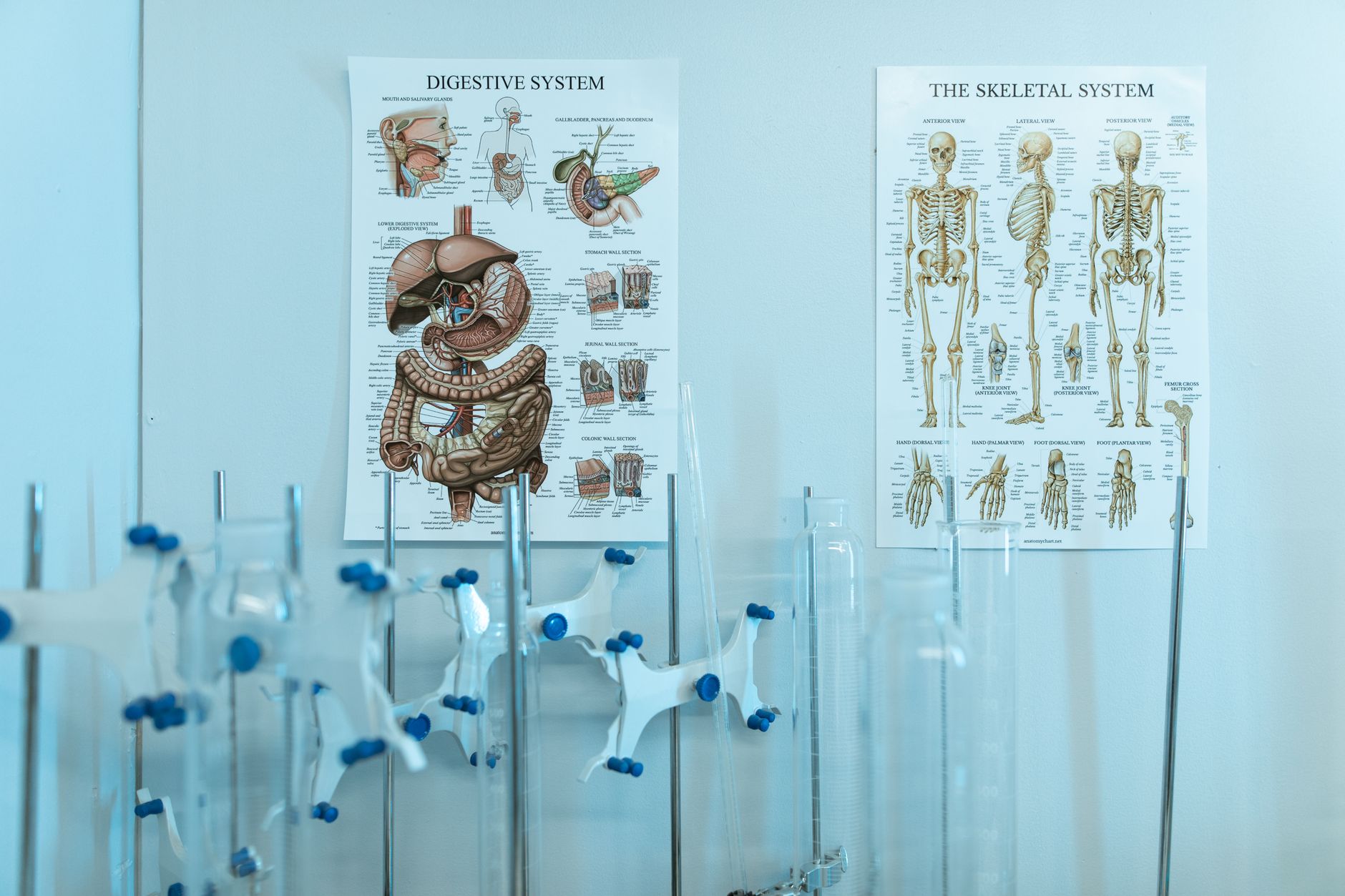
The kidneys are not just filters. They play a major role in regulating how much fluid and salt the body retains, and therefore how high blood pressure is. A network of tiny nerve fibres called the renal sympathetic nerves runs along the outside of the kidney arteries (renal arteries). These nerves carry signals back and forth between the kidneys and the brain.
In people with resistant hypertension, these nerves are often overactive. They keep sending "raise the pressure" signals to the kidneys, which respond by retaining more sodium and water, constricting blood vessels, and releasing hormones that push blood pressure even higher. It becomes a self-reinforcing cycle.
Renal denervation is designed to break this cycle by selectively disrupting these overactive nerve signals — without removing the kidneys or causing major damage to surrounding tissue.
How Does the Renal Denervation Procedure Work?
Renal denervation is a catheter-based, minimally invasive procedure performed by an interventional cardiologist or vascular specialist. Here is a step-by-step overview of what typically happens:
Before the Procedure
The patient undergoes a thorough evaluation — blood tests, kidney function tests, imaging of the renal arteries, and a detailed review of all medications. The goal is to make sure the patient is a suitable candidate and that all reversible causes of high blood pressure have been addressed.
During the Procedure
- Access: A thin, flexible tube (catheter) is inserted — usually through the femoral artery in the groin or the radial artery in the wrist — under local anaesthesia and mild sedation.
- Navigation: Using X-ray guidance (fluoroscopy), the cardiologist carefully steers the catheter up into the renal arteries — the blood vessels supplying the kidneys.
- Energy delivery: The tip of the catheter delivers low-level radiofrequency (RF) energy or ultrasound energy to the inner wall of the renal artery. This gently disrupts the sympathetic nerve fibres that run along the outside of the artery wall without blocking blood flow.
- Both sides: The procedure is usually performed on both the left and right renal arteries.
The procedure typically takes 30 to 60 minutes. Most patients go home within 24 hours.
After the Procedure
Patients are monitored for a short period, then discharged with instructions for follow-up blood pressure checks. Medications are usually continued and then carefully reviewed by the cardiologist over the following weeks and months as blood pressure readings change.
What Does the Evidence Say?
Renal denervation has been studied extensively over the past decade and a half, with results that have evolved as the technology and trial designs have improved.
Early Studies and a Setback
Initial studies in the early 2010s (the SYMPLICITY trials) showed very promising results. However, a landmark randomised controlled trial — SYMPLICITY HTN-3 — published in 2014 did not show a significant difference between renal denervation and a sham (placebo) procedure in patients on medications. This caused the field to pause and re-examine its approach.
A More Promising New Chapter
Later, more carefully designed trials addressed earlier shortcomings (such as studying patients off medications to remove variability). Key trials include:
- SPYRAL HTN-OFF MED and SPYRAL HTN-ON MED: These randomised, sham-controlled trials showed meaningful reductions in both 24-hour ambulatory blood pressure and office blood pressure readings in patients who underwent renal denervation, compared with those who received a sham procedure.
- RADIANCE-HTN SOLO and RADIANCE II: These trials using ultrasound-based renal denervation also showed significant reductions in daytime ambulatory blood pressure.
The general finding across modern trials is a reduction of approximately 4–10 mmHg in systolic blood pressure on average — modest, but clinically meaningful, especially for people who have exhausted medication options. Regulatory agencies in Europe and the United States have now approved specific renal denervation systems for clinical use, reflecting the growing evidence base.
Safety Profile
Renal denervation has shown a reassuring safety profile in trials. Serious complications are uncommon. The renal arteries and kidney function have generally been preserved in follow-up studies. As with any catheter-based procedure, there are small risks related to the access site (bruising or bleeding) and contrast dye use, which your cardiologist will discuss in detail.
Who Is a Good Candidate?
Renal denervation is not for everyone with high blood pressure. It is considered for a carefully selected group. A good candidate is typically someone who:
- Has confirmed resistant hypertension despite three or more optimised medications
- Has adequate renal artery anatomy (the arteries must be of a suitable size and without significant narrowing)
- Has preserved kidney function
- Has been evaluated and cleared by a specialist team
Illustratively, consider a 55-year-old person from Rajkot who has been on four blood pressure medications for several years, follows a low-salt diet, walks regularly, and still has a systolic blood pressure consistently above 160 mmHg. After thorough evaluation rules out secondary causes, renal denervation might be a reasonable option to discuss as part of their care plan.
Key Takeaways:
- Resistant hypertension means blood pressure remains high despite three or more optimised medications
- Overactive renal sympathetic nerves contribute significantly to resistant hypertension
- Renal denervation uses catheter-based energy delivery to calm these overactive nerves
- Modern trials show meaningful blood pressure reductions with a good safety profile
- The procedure is not a replacement for medications but may work alongside them
- Patient selection by an experienced specialist team is essential
- Renal denervation is an emerging, approved option — not an experimental last resort
Renal Denervation vs. Continuing Medications: Not an Either/Or
It is important to understand that renal denervation is not a replacement for medications in most cases. Most patients will still need to continue some blood pressure medicines after the procedure. The goal is to make those medications work more effectively, potentially reduce the number needed, or bring blood pressure into a safer range where medications alone were failing.
Think of it as adding a powerful ally to an existing treatment plan — not starting from scratch.
Lifestyle measures remain equally important: a low-sodium diet, regular physical activity, avoiding tobacco and excess alcohol, managing stress, and maintaining a healthy weight all continue to play a vital role in blood pressure control.
What to Expect Going Forward
The field of renal denervation is still evolving. Longer-term follow-up data is being collected, newer catheter systems are being refined, and cardiologists are getting better at identifying which patients respond most reliably. In India, awareness and availability of this procedure are growing, and centres with expertise in complex interventional procedures — including those serving patients across Gujarat — are increasingly able to offer this option to suitable candidates.
Take the Next Step
If you have been living with difficult-to-control blood pressure despite multiple medications, you deserve a thorough, up-to-date evaluation of all available options. Renal denervation may or may not be right for your specific situation, but understanding it is the first step.
We encourage you to speak with a qualified interventional cardiologist who can review your full medical history and guide you towards the most appropriate path. To book a consultation with Dr. Nikhila Pachani in Rajkot, please reach out to our clinic — we are here to help you take control of your heart health.
Frequently asked questions
- What is renal denervation and how does it lower blood pressure?
- Renal denervation is a minimally invasive, catheter-based procedure that delivers low-level radiofrequency or ultrasound energy to the walls of the renal (kidney) arteries. This disrupts overactive sympathetic nerve fibres that send 'raise the pressure' signals between the kidneys and the brain, helping to reduce blood pressure over time.
- Is renal denervation safe for the kidneys?
- Clinical trials have shown that renal denervation does not cause significant harm to kidney function or the renal arteries when performed by an experienced specialist. Follow-up studies have found kidney function to be well preserved. Your cardiologist will assess your kidney function thoroughly before recommending the procedure.
- Will I be able to stop my blood pressure medications after renal denervation?
- In most cases, renal denervation is used alongside medications, not instead of them. The procedure may help your existing medications work more effectively or allow your doctor to reduce the number of tablets you need. A complete replacement of medications is not typically expected, though your medication plan will be reviewed regularly after the procedure.
- Who is not a suitable candidate for renal denervation?
- Renal denervation is not suitable for everyone. People with significant narrowing of the renal arteries, severely reduced kidney function, or blood pressure that is not truly resistant (i.e., it can be controlled with medication adjustments) may not be good candidates. A thorough evaluation by an interventional cardiologist is essential to determine suitability.