When a Blood Clot Suddenly Blocks a Heart Artery
Your heart beats about 100,000 times a day, and it needs a steady, uninterrupted supply of oxygen-rich blood to keep going. That blood travels through three main coronary arteries that wrap around the heart like a network of small rivers. When a clot — called an intracoronary thrombus — forms suddenly inside one of these arteries, it can block the flow of blood completely. Within minutes, heart muscle begins to suffer. This is the medical emergency most people know as a heart attack.
Understanding what causes this clot, how doctors detect it, and — most importantly — how modern intracoronary thrombus treatment using angioplasty can restore blood flow quickly can help you and your loved ones recognise the urgency and act fast when every minute counts.
What Exactly Is an Intracoronary Thrombus?
The word "intracoronary thrombus" simply means a blood clot inside (intra) a coronary (heart) artery. Blood normally flows smoothly through healthy arteries. However, when the inner lining of an artery (called the endothelium) is damaged or disrupted — most often because of a build-up of fatty plaques — the body's clotting system jumps into action to "repair" the injury.
Platelets (tiny blood cells) rush to the site, clump together, and trigger a cascade of chemical reactions that form a firm clot. In a coronary artery, even a relatively small clot can partially or completely cut off blood flow, because these arteries are narrow — often just 2–4 mm in diameter.
Two Common Scenarios
- Plaque rupture: A cholesterol-rich plaque that has been quietly building up in the artery wall cracks open. This is the most common trigger. The soft, lipid-rich core is exposed to flowing blood, which sets off rapid clot formation.
- Plaque erosion: The surface of the plaque wears thin without fully rupturing, but enough of the lining is damaged to attract platelets and start clotting.
In both cases, the result can be a partial blockage (causing unstable angina or a non-ST-elevation heart attack, known as NSTEMI) or a complete blockage (causing an ST-elevation heart attack, known as STEMI) — the most serious type.
Who Is at Higher Risk?
An intracoronary thrombus does not appear out of nowhere. Certain conditions make the coronary arteries more vulnerable:
- High LDL ("bad") cholesterol — promotes fatty plaque build-up
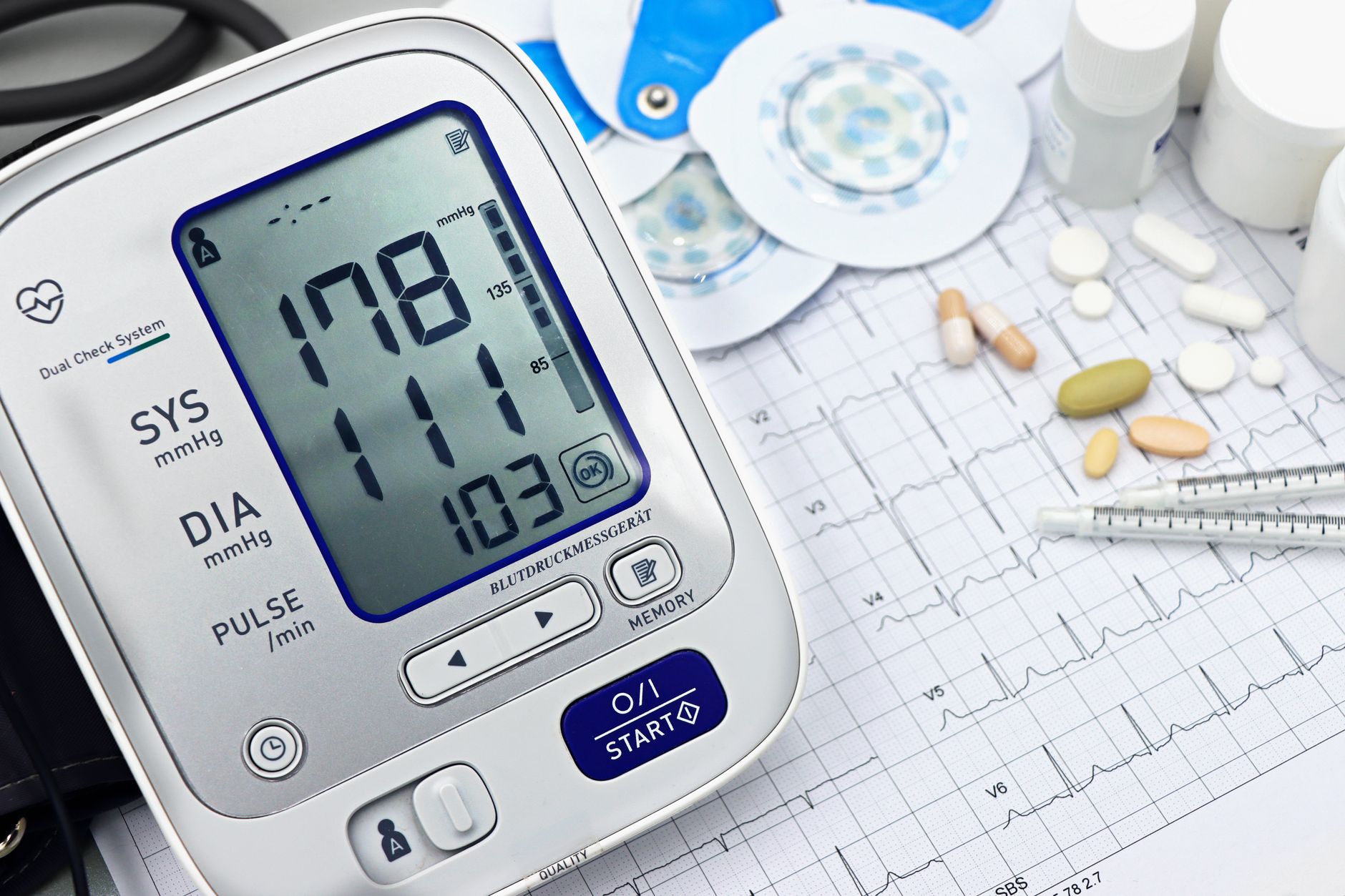
- High blood pressure — strains the artery wall, making plaques more likely to rupture
- Diabetes — damages the inner lining of blood vessels
- Smoking — makes blood more "sticky" and reduces oxygen in the blood
- Obesity and physical inactivity — contribute to all of the above
- A family history of early heart disease — some people have a genetic tendency toward plaque build-up or clotting
- Stress and sudden emotional strain — can trigger a spike in blood pressure that destabilises a plaque
In Rajkot and across Gujarat, cardiologists see many patients who carry two or three of these risk factors simultaneously — often without realising it until an acute event occurs. Regular check-ups are one of the simplest ways to stay ahead of the risk.
Recognising the Warning Signs
Time is heart muscle. The faster treatment begins, the more of the heart can be saved. Watch for these symptoms — in yourself or a family member:
- Chest pain or pressure — often described as a squeezing, heaviness, or tightness in the centre or left side of the chest
- Pain radiating to the arm, jaw, neck, or back
- Sweating, nausea, or vomiting alongside chest discomfort
- Sudden breathlessness, even at rest
- Feeling faint or light-headed
- A sense of impending doom — patients often describe an unusual feeling that "something is very wrong"
Important: Some people — particularly women, people with diabetes, and older adults — may experience atypical symptoms such as mild discomfort, fatigue, or indigestion-like pain. When in doubt, seek emergency care immediately.

How Is an Intracoronary Thrombus Diagnosed?
When a patient arrives at the hospital with suspected heart attack symptoms, the medical team works rapidly:
ECG (Electrocardiogram)
A 12-lead ECG is the first tool. In a STEMI, it shows characteristic changes that tell the cardiologist which artery is likely blocked.
Blood Tests (Cardiac Biomarkers)
Proteins such as Troponin I or T leak from damaged heart muscle into the bloodstream. Elevated levels confirm that heart muscle cells are being injured.
Coronary Angiography
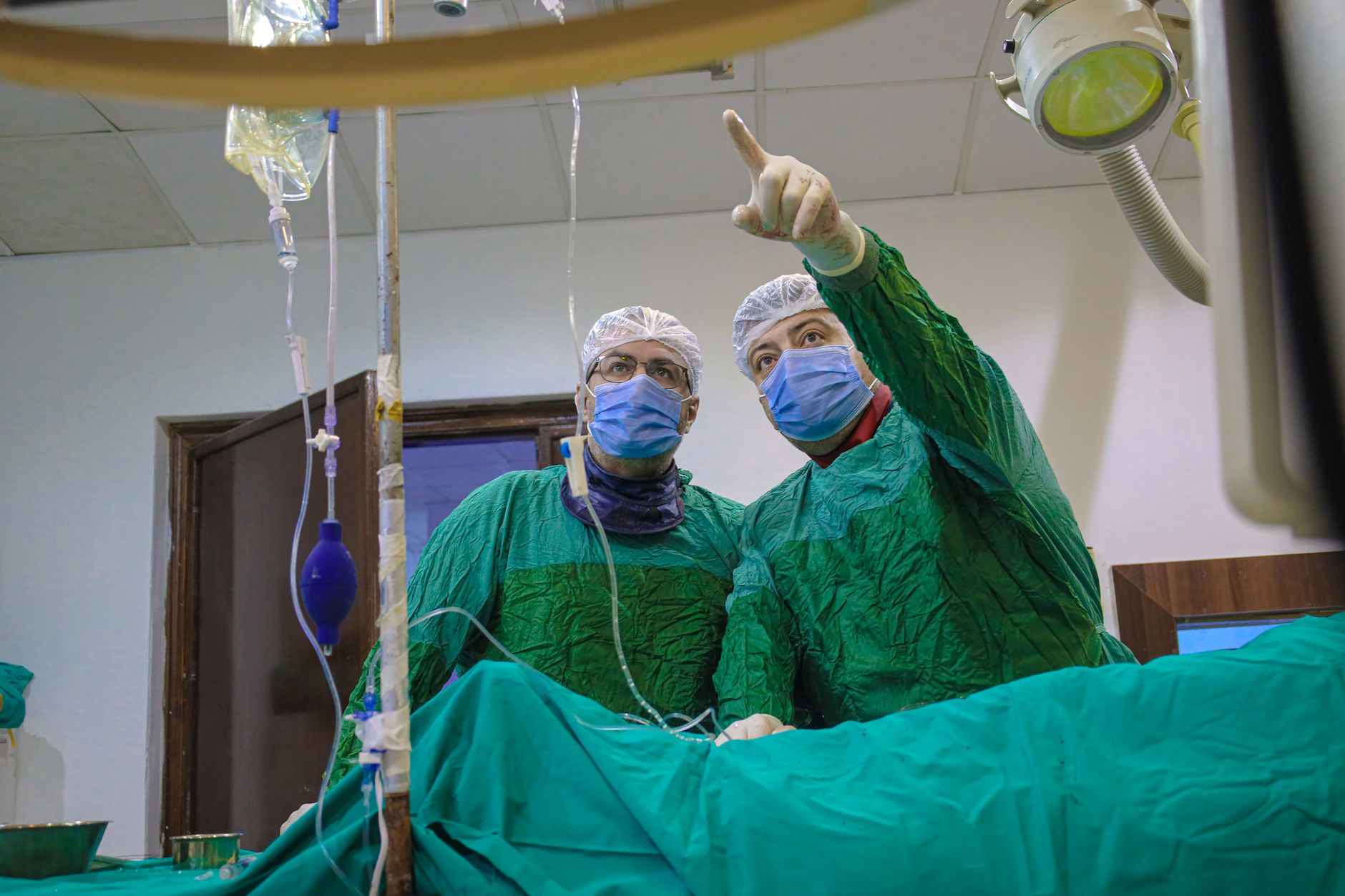
This is the definitive imaging step — a thin, flexible tube (catheter) is guided through the wrist or groin artery to inject a contrast dye into the coronary arteries. Live X-ray images (fluoroscopy) then clearly show the location, size, and extent of the clot and blockage.
Intracoronary Thrombus Treatment: The Role of Angioplasty
Once the clot and blockage are confirmed, the interventional cardiologist moves quickly to restore blood flow. Primary percutaneous coronary intervention (Primary PCI) — commonly known as primary angioplasty — is the most effective and time-sensitive treatment available today.
Here is how intracoronary thrombus treatment with angioplasty typically unfolds:
Step 1 – Antiplatelet and Anticoagulant Medications
Before and during the procedure, medications such as aspirin, P2Y12 inhibitors (e.g., clopidogrel or ticagrelor), and heparin are given to prevent the clot from growing and to reduce the risk of new clots forming.
Step 2 – Crossing the Blockage with a Guidewire
A hair-thin guidewire is carefully steered through the coronary artery and past the clot under X-ray guidance.
Step 3 – Thrombus Aspiration (if needed)
In cases where the clot is large, the cardiologist may use a thrombus aspiration catheter — a specialised device that gently suctions out the clot material before the next step. This reduces the risk of clot fragments breaking off and blocking smaller downstream vessels (a complication called "no-reflow").
Step 4 – Balloon Angioplasty
A tiny balloon is inflated at the site of blockage to compress the plaque and open the artery. This immediately restores blood flow.
Step 5 – Stent Placement
A small metal mesh tube called a stent is deployed at the site to keep the artery open. Modern drug-eluting stents are coated with medication that prevents scar tissue from building up and narrowing the artery again (a process called restenosis).
Why Speed Matters: "Time Is Muscle"
Cardiologists use the phrase "door-to-balloon time" — the time from when a patient arrives at the hospital to when the balloon is inflated and the artery is opened. Guidelines recommend this should be under 90 minutes. Every 30 minutes of additional delay increases the risk of permanent heart damage. This is why calling emergency services immediately, rather than waiting to "see if the pain passes", is so critical.
After the Procedure: Recovery and Long-Term Care
Successful angioplasty for an intracoronary thrombus is not the end of the story — it is the beginning of a lifelong commitment to heart health.
- Dual antiplatelet therapy (DAPT): Most patients are prescribed two antiplatelet medicines for a period of 6–12 months (sometimes longer) to prevent new clots from forming around the stent.
- Statins: To lower LDL cholesterol and stabilise remaining plaques.
- Beta-blockers and ACE inhibitors: To protect heart function and control blood pressure.
- Cardiac rehabilitation: A structured programme of supervised exercise, diet counselling, and stress management that significantly reduces the risk of a second event.
- Lifestyle changes: Quitting smoking, choosing a heart-healthy diet (the traditional Indian diet — rich in vegetables, whole grains, and legumes — can be an excellent foundation), achieving a healthy weight, and managing diabetes and blood pressure meticulously.
Key Takeaways
- An intracoronary thrombus is a blood clot inside a coronary (heart) artery, most often triggered by the rupture of a cholesterol-rich plaque.
- It is the direct cause of most heart attacks, particularly the severe STEMI type.
- Risk factors include high cholesterol, high blood pressure, diabetes, smoking, and a family history of heart disease.
- Symptoms — especially chest pain, jaw or arm pain, and breathlessness — demand immediate emergency attention.
- Primary angioplasty (Primary PCI) is the most effective intracoronary thrombus treatment, restoring blood flow by opening the blocked artery with a balloon and stent, often combined with thrombus aspiration for large clots.
- Speed is everything: the sooner the artery is opened, the more heart muscle is preserved.
- Long-term medication, cardiac rehabilitation, and lifestyle changes are essential after treatment.
If you or a loved one has risk factors for heart disease, or if you have already experienced a cardiac event and want guidance on the right treatment path, consider speaking with a qualified interventional cardiologist. Early evaluation and personalised care can make a meaningful difference. You are welcome to book a consultation with Dr. Nikhila Pachani at her clinic in Rajkot, Gujarat.
Frequently asked questions
- What is an intracoronary thrombus?
- An intracoronary thrombus is a blood clot that forms inside one of the coronary arteries — the blood vessels that supply oxygen-rich blood to the heart muscle. It most commonly develops when a fatty plaque in the artery wall ruptures, triggering the body's clotting response. A large clot can partially or completely block blood flow, causing a heart attack.
- How is an intracoronary thrombus treated with angioplasty?
- The standard treatment is primary percutaneous coronary intervention (primary angioplasty or Primary PCI). The interventional cardiologist threads a thin guidewire past the clot, may use a thrombus aspiration catheter to remove clot material, then inflates a small balloon to open the artery and places a stent to keep it open. Antiplatelet and anticoagulant medications are given alongside the procedure to prevent further clotting.
- How quickly must an intracoronary thrombus be treated?
- Time is critically important. Medical guidelines recommend that the blocked artery should be opened within 90 minutes of the patient arriving at hospital — a measure called 'door-to-balloon time'. Every additional 30 minutes of delay increases the risk of permanent heart muscle damage. If you suspect a heart attack, call emergency services immediately rather than waiting.
- Can lifestyle changes prevent an intracoronary thrombus from forming?
- Yes, significantly. Controlling LDL cholesterol through diet and medication, managing blood pressure and diabetes, quitting smoking, maintaining a healthy weight, and staying physically active all reduce the likelihood of plaque build-up and rupture that leads to clot formation. After a treated heart attack, cardiac rehabilitation and long-term medications such as antiplatelet agents and statins are essential to lower the risk of a second event.