
What Is an Arrhythmia?
Your heart beats around 60 to 100 times every minute when you are at rest. Each beat follows a carefully timed electrical signal that starts in a small region of the heart called the sinus node. When something disrupts this electrical system — making the heart beat too fast, too slow, or in an uneven pattern — the condition is called an arrhythmia.
The word sounds alarming, but arrhythmias range widely in seriousness. Some are completely harmless and pass on their own. Others need medical attention. Understanding the difference is what this article is all about.
What Does an Irregular Heartbeat Feel Like?
Many people describe an arrhythmia as a "fluttering" or "flip-flopping" feeling in the chest. Others notice a sudden pounding, a brief pause, or a racing sensation. These feelings are often called palpitations.
Common descriptions include:
- A heart that "skips a beat"
- A sudden rapid thumping in the chest or throat
- A feeling that the heart is "quivering" rather than beating strongly
- Occasional dizziness or light-headedness along with the unusual rhythm
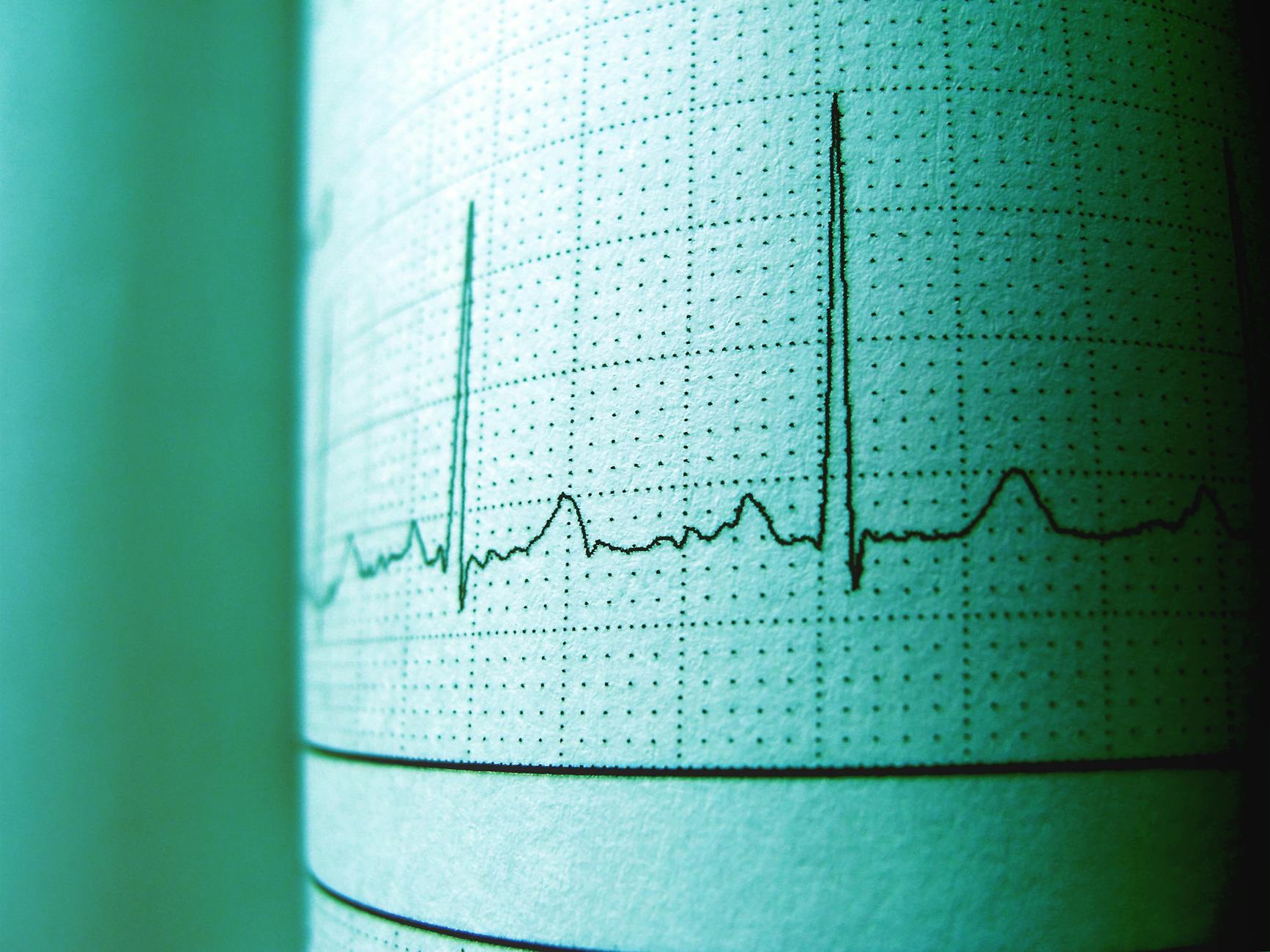
It is worth knowing that some people have arrhythmias without feeling anything at all — the condition is picked up only during a routine check-up or an ECG (electrocardiogram).
Types of Arrhythmia You May Hear About
There are several common types, each with a different pattern and level of concern.
Premature Beats (Ectopic Beats)
These are the most common type. The heart fires an extra electrical signal slightly early, which creates that familiar "skipped beat" sensation. Most premature beats are harmless, especially in people with no underlying heart disease. Stress, caffeine, and lack of sleep are frequent triggers.
Atrial Fibrillation (AF)
Atrial fibrillation — often called AF or AFib — is one of the most talked-about arrhythmias. In AF, the upper chambers of the heart (the atria) fire chaotically instead of in a coordinated rhythm. The result is an irregular, sometimes rapid heartbeat that can last minutes, hours, or even become permanent. AF is more common after age 60 and is associated with a higher risk of stroke, which is why it needs careful medical management.
Supraventricular Tachycardia (SVT)
SVT causes sudden episodes of very fast heartbeat — sometimes 150–220 beats per minute — that start and stop abruptly. Episodes can feel frightening but are rarely life-threatening in an otherwise healthy heart.
Ventricular Arrhythmias
Ventricular tachycardia (VT) and ventricular fibrillation (VF) originate in the lower chambers of the heart. These are the more serious arrhythmias that require prompt medical evaluation and treatment.
Bradycardia (Slow Heartbeat)
When the heart beats fewer than 60 times per minute, it is called bradycardia. In trained athletes, a slow resting heart rate is completely normal. However, in others, a very slow or irregular slow rhythm can cause fatigue, fainting, or breathlessness.
What Causes an Arrhythmia?
Arrhythmias can develop for many reasons. Some causes are lifestyle-related and easily addressed, while others are linked to underlying medical conditions.
Lifestyle-related triggers:
- Too much caffeine or alcohol
- Smoking
- High levels of stress or anxiety
- Poor sleep or sleep apnoea
- Dehydration or electrolyte imbalances
Medical conditions that can contribute:
- High blood pressure (hypertension)
- Coronary artery disease or previous heart attack
- Heart valve problems
- Thyroid disorders (especially an overactive thyroid)
- Diabetes
In Rajkot and across Gujarat, where diets can be high in salt and refined carbohydrates, conditions like high blood pressure and diabetes are increasingly common — and both are known risk factors for developing an arrhythmia over time.
Warning Signs: When Should You See a Doctor?
Not every flutter needs an emergency visit, but some symptoms should never be ignored.
See a cardiologist promptly if you experience:
- Palpitations that last more than a few minutes, or that happen frequently
- Palpitations accompanied by chest pain, pressure, or tightness
- Dizziness, light-headedness, or actual fainting (syncope)
- Shortness of breath that is unusual for you
- A feeling of extreme weakness or fatigue during an episode
Go to an emergency department immediately if:
- You feel your heart racing uncontrollably and you also feel faint or are about to lose consciousness
- You have chest pain alongside a very rapid or very slow heartbeat
The key message: when in doubt, get checked. A simple, non-invasive ECG takes only a few minutes and provides your doctor with a great deal of information about your heart's electrical activity.
How Is Arrhythmia Diagnosed?
A cardiologist will begin with a detailed history and physical examination. Several comfortable, non-invasive tests may then be recommended.
- ECG (Electrocardiogram): Records the heart's electrical activity in real time. Quick and comfortable.
- Holter Monitor: A small, wearable device you carry for 24–48 hours (or longer) to record your heart rhythm during normal daily activities — ideal for catching arrhythmias that come and go.
- Echocardiogram: An ultrasound of the heart to check its structure and function.
- Event Recorder: Similar to a Holter monitor but worn for weeks; you press a button when you feel symptoms.
- Electrophysiology (EP) Study: A more detailed investigation for complex or high-risk arrhythmias, performed by an interventional cardiologist.
How Is Arrhythmia Treated?
Treatment depends entirely on the type of arrhythmia, its cause, and how it is affecting your quality of life and health. Not all arrhythmias need treatment.
Lifestyle Changes
For many people with mild arrhythmias, the first step is addressing triggers: reducing caffeine, quitting smoking, managing stress, improving sleep, and keeping blood pressure and blood sugar well controlled. These changes can make a real difference.
Medicines
Several medications can help regulate the heart's rhythm or rate. Your cardiologist will choose the most appropriate option based on your individual situation.
Cardioversion
For some types of arrhythmia like AF, a controlled electrical impulse (cardioversion) can reset the heart to a normal rhythm. This is done in a hospital under sedation.
Catheter Ablation
This is a minimally invasive procedure where a cardiologist uses thin, flexible tubes (catheters) to locate and carefully eliminate the small area of heart tissue causing the abnormal electrical signals. It is a well-established treatment for SVT and AF, and is performed by interventional cardiologists.
Pacemakers and ICDs
A permanent pacemaker may be recommended for bradycardia (very slow heart rate). An implantable cardioverter-defibrillator (ICD) may be considered for patients at risk of life-threatening ventricular arrhythmias.

Living Well With an Arrhythmia
Many people with an arrhythmia live full, active lives. A few practical habits go a long way:
Key takeaways:
- ✅ Know your triggers and work with your doctor to manage them
- ✅ Take any prescribed medications regularly and do not stop without medical advice
- ✅ Keep your blood pressure, blood sugar, and cholesterol in a healthy range
- ✅ Stay physically active — regular, moderate exercise like brisk walking is generally beneficial
- ✅ Limit alcohol and avoid smoking
- ✅ Attend your scheduled follow-up appointments — ongoing monitoring is important
- ✅ Learn to recognise the warning signs that need urgent attention
A Note on Anxiety and Palpitations
It is very common for people with anxiety to feel palpitations. The relationship between the heart and mind is close — stress and anxiety can genuinely cause the heart to beat faster or irregularly, and worrying about your heart can itself create more palpitations. If tests show no serious arrhythmia, managing stress, practising relaxation techniques, and speaking with a counsellor can be very helpful.
The Bottom Line
An irregular heartbeat can feel unsettling, and it is natural to worry. However, many arrhythmias are benign and manageable. The important thing is not to ignore persistent or severe symptoms — getting a proper evaluation gives you clarity, peace of mind, and, if needed, access to effective treatments.
If you are experiencing palpitations, a racing heart, dizziness, or any of the symptoms described above, we encourage you to speak with a qualified cardiologist. Early evaluation is always worthwhile. You are welcome to book a consultation with Dr. Nikhila Pachani, Consultant Interventional Cardiologist, Rajkot, for a thorough and personalised assessment of your heart health.
Frequently asked questions
- Is an irregular heartbeat always dangerous?
- Not always. Many arrhythmias — such as occasional premature beats — are harmless and require no treatment. However, some types, like atrial fibrillation or ventricular arrhythmias, do need medical management. A cardiologist can evaluate your specific situation and advise you accordingly.
- What does an arrhythmia feel like?
- People describe it in different ways — a fluttering in the chest, a skipped beat, a sudden rapid pounding, or a quivering sensation. Some people also feel dizzy, short of breath, or unusually fatigued. Importantly, some arrhythmias cause no symptoms at all and are detected only on an ECG.
- Can lifestyle changes help control arrhythmia?
- Yes, in many cases. Reducing caffeine and alcohol, quitting smoking, managing stress, improving sleep, and keeping conditions like high blood pressure and diabetes under control can all reduce the frequency and severity of certain arrhythmias. Your cardiologist will guide you on the right approach for your type of arrhythmia.
- When should I go to the emergency department for a heart rhythm problem?
- Seek emergency care immediately if you experience a very rapid or very slow heartbeat along with chest pain, severe shortness of breath, fainting, or near-fainting. For palpitations without these severe symptoms, schedule a prompt appointment with a cardiologist rather than waiting for a routine check-up.