
Your heart and kidneys may seem like very different organs — one pumps blood, the other filters it. But in reality, they are deeply connected. When one struggles, the other almost always feels it too. Understanding the kidney disease and heart health connection is not just medical knowledge — it is something every person living with diabetes, high blood pressure, or early kidney disease in Rajkot and across India truly needs to know.
How Are the Heart and Kidneys Connected?
Think of your heart and kidneys as close teammates. The heart pumps oxygen-rich blood to the kidneys. The kidneys then clean that blood, remove waste, balance fluid levels, and send the filtered blood back. This cycle runs continuously, every minute of every day.
When the heart is weak, it pumps less blood to the kidneys, so the kidneys cannot do their job well. When the kidneys are damaged, they cannot regulate fluid and blood pressure properly — which puts enormous extra strain on the heart. This two-way relationship is so well-recognized in medicine that it has its own name: cardiorenal syndrome.
In simple terms:
- Sick kidneys → Stressed heart
- Stressed heart → Sicker kidneys
This loop can spiral if not managed early and carefully.
Why Is This Connection So Important in India?
India carries one of the highest burdens of both chronic kidney disease (CKD) and cardiovascular disease in the world. Two of the biggest root causes — Type 2 diabetes and high blood pressure (hypertension) — are extremely common in Gujarat and across the country.
Consider this: a person with diabetes who also develops CKD is significantly more likely to have a heart attack or stroke than someone with diabetes alone. Likewise, someone who has already had a heart attack faces a higher risk of kidney function decline over time.
In a busy city like Rajkot, where lifestyle habits, dietary salt intake, and physical activity levels vary widely, this dual risk is very real. Recognising it early makes all the difference.
How Does Kidney Disease Harm the Heart?
When the kidneys are not working well, a chain of harmful changes begins in the body:
1. Fluid Overload
Damaged kidneys struggle to remove excess fluid. This fluid builds up in the body, raises blood pressure, and forces the heart to work harder. Over time, this can cause the heart muscle to thicken and weaken — a condition called hypertensive heart disease.
2. Toxin Build-Up
Healthy kidneys remove waste products like urea and creatinine from the blood. In CKD, these toxins accumulate and can directly damage blood vessels and the heart muscle.
3. Anaemia
Kidneys produce a hormone called erythropoietin, which signals the body to make red blood cells. Damaged kidneys make less of this hormone, leading to anaemia. A anaemic heart has to beat faster and harder to supply enough oxygen to the body — another form of stress.
4. Mineral Imbalances
CKD causes abnormal levels of phosphorus, calcium, and potassium in the blood. High phosphorus, in particular, promotes the hardening of arteries (a process called vascular calcification), which significantly raises the risk of heart attack and stroke.
5. Chronic Inflammation
Kidney disease triggers a low-grade, ongoing inflammatory state in the body. This inflammation accelerates the build-up of plaques inside blood vessels — a core driver of heart disease.
How Does Heart Disease Harm the Kidneys?
The damage flows in the other direction too.
Reduced Blood Flow
When the heart is weakened (as in heart failure), it cannot pump enough blood forward. The kidneys receive less blood, which causes them to retain more salt and water — making the heart's job even harder and eventually damaging the delicate kidney filters.
Venous Congestion
In heart failure, blood can back up into the veins, raising pressure inside the kidneys. This congestion physically damages kidney tissue over time.
Medications and Contrast Dyes
Some treatments for heart disease — such as certain blood pressure medications used at high doses, or contrast dyes used during procedures — must be used very carefully in people with kidney disease. This is something your cardiologist will always keep in mind when planning your care.

What Are the Warning Signs to Watch For?
Many people with early CKD or early heart disease have no obvious symptoms at all — which is exactly why regular check-ups matter so much. However, when both conditions are present together, you may notice:
- Swelling in the legs, ankles, or feet (oedema)
- Shortness of breath, especially when lying flat or climbing stairs
- Fatigue that feels out of proportion to your activity level
- Reduced urine output or unusually foamy urine
- Persistent high blood pressure that is difficult to control
- Chest discomfort or irregular heartbeat
Key takeaways:
- The kidney disease and heart health connection is a two-way street — each organ can damage the other.
- Diabetes and high blood pressure are the most common root causes of both conditions in India.
- Fluid overload, anaemia, toxin build-up, and inflammation are the main bridges between kidney and heart damage.
- Many people have no symptoms in the early stages; routine blood and urine tests can catch problems early.
- Managing blood pressure, blood sugar, diet, and physical activity protects both organs simultaneously.
- If you have CKD, your cardiologist and nephrologist should work together as a team.
Who Is at Highest Risk?
You have a higher chance of developing both kidney and heart problems if you:
- Have diabetes (especially if poorly controlled for many years)
- Have high blood pressure
- Are over the age of 55
- Have a family history of kidney or heart disease
- Are overweight or obese
- Smoke or use tobacco products
- Have a diet high in salt, refined carbohydrates, or processed foods
If several of these apply to you, it is worth having a conversation with your doctor about a combined screening plan.
How Can You Protect Both Your Heart and Kidneys?
The encouraging news is that many of the steps that protect your heart also protect your kidneys — and vice versa. You do not need two entirely separate strategies.
Control Blood Pressure
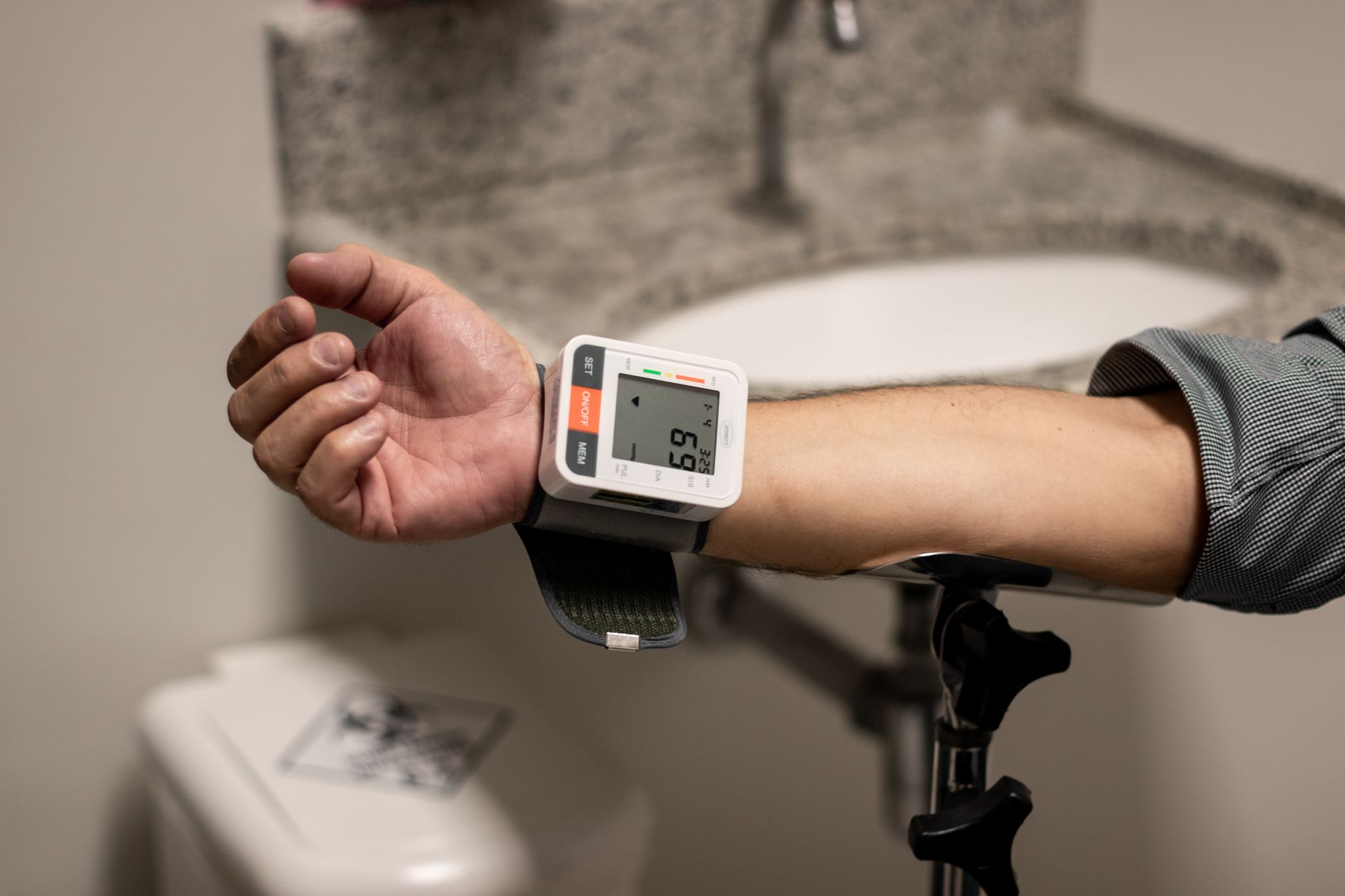
A blood pressure target below 130/80 mmHg is generally recommended for people with CKD. Even a modest reduction in blood pressure can slow kidney damage and significantly reduce cardiovascular risk. Home monitoring is a simple, affordable habit.
Manage Blood Sugar Carefully
For people with diabetes, keeping HbA1c in the target range recommended by your doctor is one of the most powerful things you can do. Newer diabetes medications — such as SGLT2 inhibitors — have been shown in large clinical trials to protect both the heart and kidneys. Discuss with your doctor whether these are suitable for you.
Eat a Heart- and Kidney-Friendly Diet
This means reducing salt (sodium), limiting processed and packaged foods, eating more vegetables, whole grains, and legumes, and moderating protein intake if your kidneys are already affected. In Gujarat, where food is often naturally flavourful, small adjustments — like reducing added salt and using fresh spices instead — can go a long way.
Stay Physically Active
Even a 30-minute brisk walk, five days a week, improves heart function, lowers blood pressure, helps with weight management, and reduces inflammation. It is one of the most accessible interventions available, whether you live in the heart of Rajkot or on its outskirts.

Avoid Medicines That Can Harm the Kidneys
Painkillers such as ibuprofen and diclofenac (NSAIDs), taken regularly, can quietly damage kidney function. Always check with your doctor before taking these medications long-term.
Get Regular Tests Done
Simple tests — a blood creatinine test, a urine albumin-to-creatinine ratio (ACR), and a blood pressure check — can reveal kidney stress before it becomes a serious problem. An ECG or echocardiogram can detect early changes in heart structure and function.
The Role of a Cardiologist in Kidney Disease
If you have been diagnosed with CKD, you may already be seeing a kidney specialist (nephrologist). But involving a cardiologist in your care is equally important. A cardiologist will assess your cardiovascular risk, help optimise your blood pressure medications, and screen for any early signs of heart disease — all while being mindful of your kidney function.
In Rajkot, this kind of coordinated, team-based approach to care is becoming increasingly available, and it makes a meaningful difference in long-term outcomes.
A Final Word
The kidney disease and heart health connection is not something to be feared — it is something to be understood and acted upon. When you know the link exists, you can take steps that protect both organs at the same time. Small, consistent changes in lifestyle, combined with the right medical care, can help you live well for many years to come.
If you have any concerns about your heart or kidney health, consider booking a consultation with a qualified cardiologist. Early assessment, honest conversation, and a clear plan are always the first steps toward better health.
Frequently asked questions
- Can kidney disease directly cause a heart attack?
- Yes, kidney disease significantly raises the risk of heart attack and other cardiovascular events. The build-up of toxins, fluid overload, anaemia, and hardening of the arteries that occur in chronic kidney disease all put extra strain on the heart and blood vessels. This is why people with CKD are considered to be at high cardiovascular risk and benefit from regular cardiac monitoring.
- What tests can show if my kidneys are affecting my heart?
- Your doctor may recommend a combination of blood tests (creatinine, eGFR, potassium, haemoglobin), a urine test (albumin-to-creatinine ratio), blood pressure monitoring, an ECG, and an echocardiogram. Together, these give a clear picture of how both organs are functioning and how they may be affecting each other.
- Are there medicines that protect both the heart and kidneys at the same time?
- Yes. Certain medications — including SGLT2 inhibitors (commonly used for diabetes), ACE inhibitors, and ARBs — have been shown in clinical trials to protect both the heart and kidneys. Which medicines are appropriate for you depends on your individual health profile, so always discuss options with your cardiologist or treating doctor.
- If I have high blood pressure and diabetes, how often should I get my kidneys and heart checked?
- Generally, at least once a year — or more frequently if your doctor recommends it. This typically includes a urine test for protein, a blood test for kidney function, a blood pressure check, and an ECG. Early detection of any changes allows your care team to adjust your treatment before significant damage occurs.