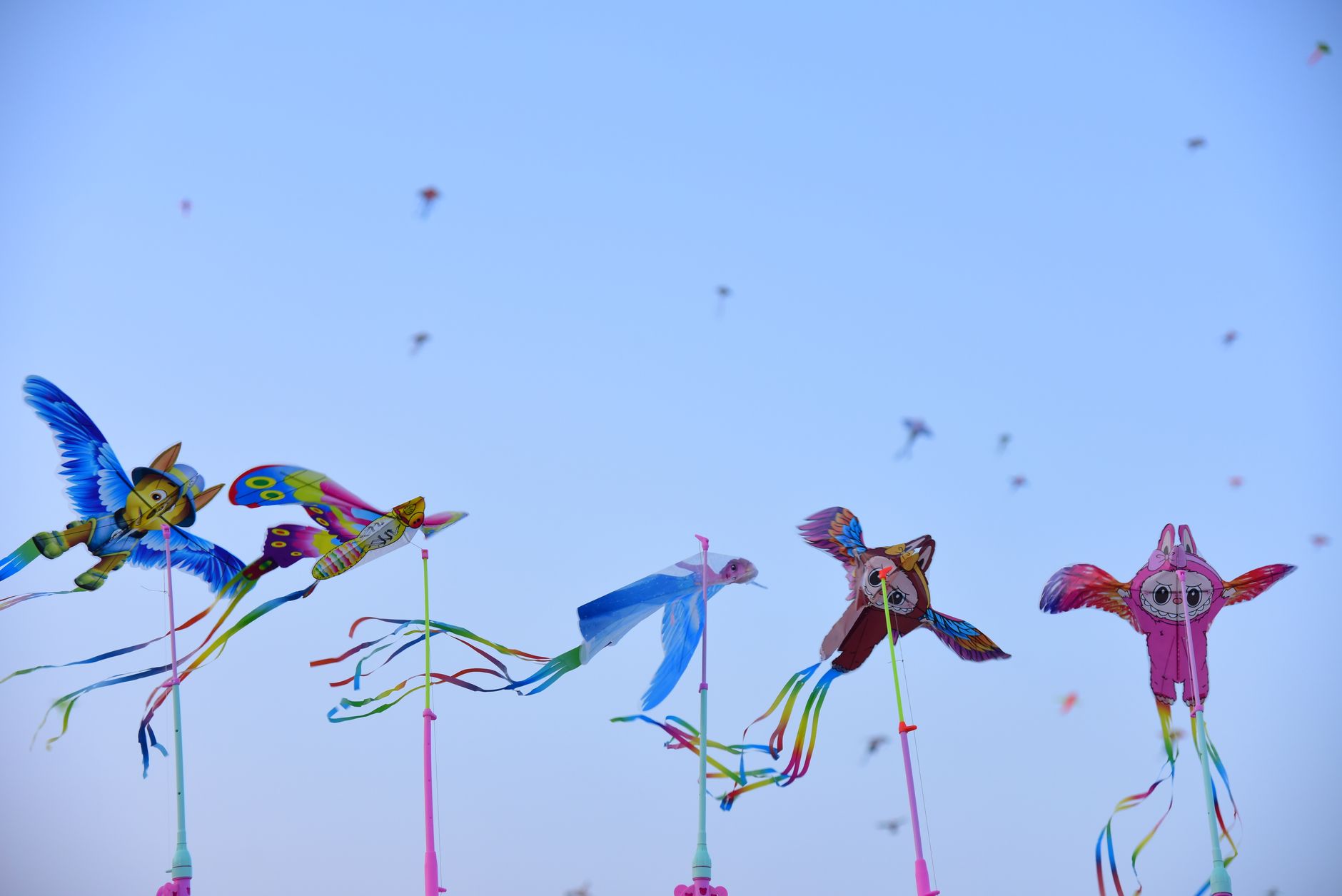
Makar Sankranti — known as Uttarayan here in Gujarat — is one of the most eagerly awaited festivals of the year. The skies above Rajkot fill with thousands of colourful kites, rooftops buzz with laughter, and the air smells of til-gul and undhiyu. It is pure joy.
But beneath all the excitement, something else is quietly happening in your body. Your arms are pulling and tugging for hours. You are standing on a hard rooftop in the January sun, craning your neck, running a few steps, spinning rapidly. Your heart is working harder than you may realise. For most healthy people, this is perfectly fine. For people with existing heart conditions — or even those with undetected risk factors — the combination of sudden physical exertion, emotional excitement, cold morning air, and dehydration can place real demands on the heart.
This article is not meant to stop you from flying kites. It is meant to help you do it safely, joyfully, and with your heart well looked after.
Why Kite Flying Is More Demanding Than It Looks
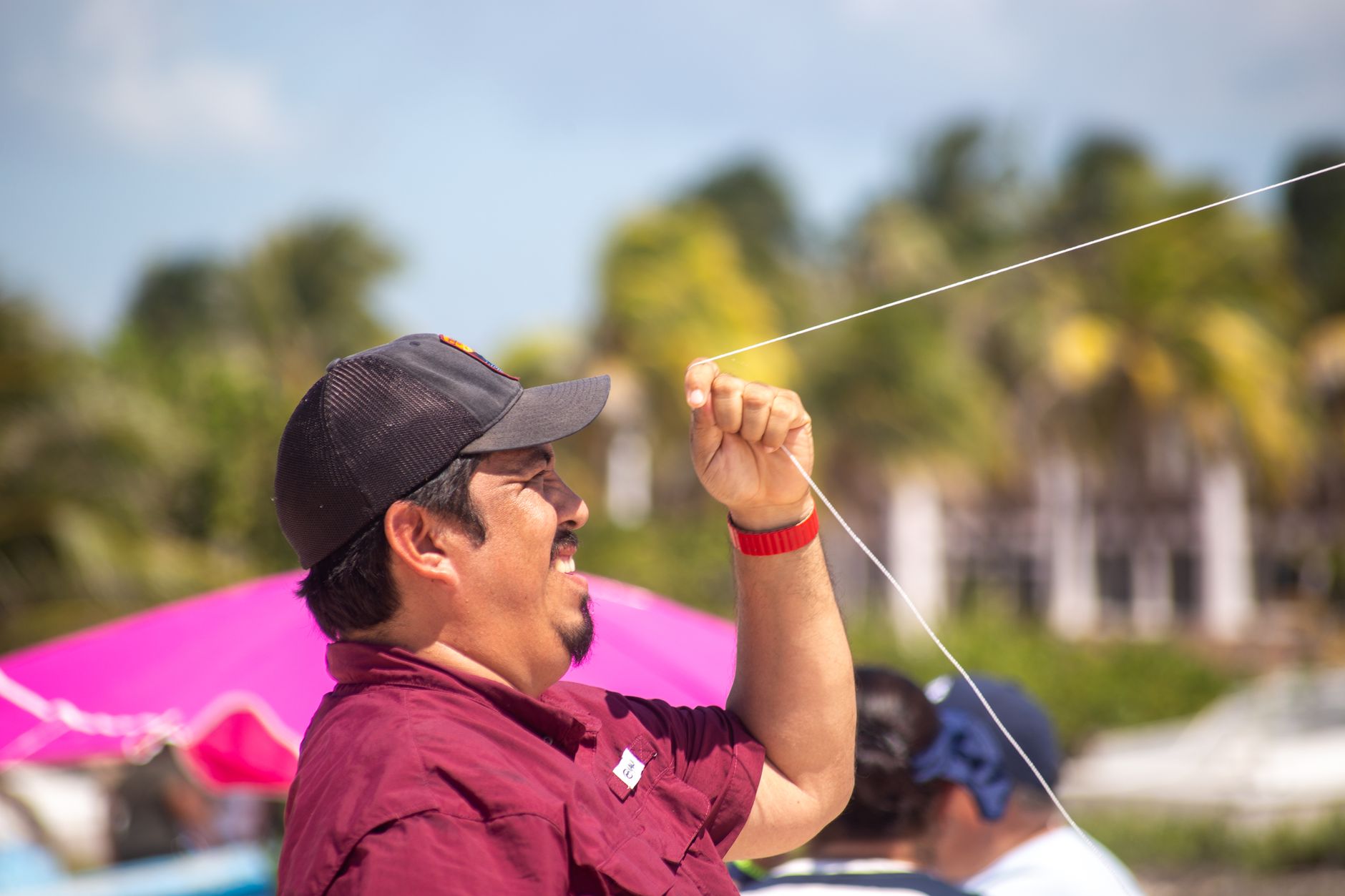
People often think of kite flying as a gentle, leisurely activity. In reality, a few hours on the rooftop during Uttarayan can feel closer to a moderate workout:
- Sustained arm and shoulder effort: Pulling the maanja (thread), releasing it, and manoeuvring the kite works the upper body continuously.
- Isometric muscle tension: Holding the thread taut creates muscle strain without obvious movement — this is particularly taxing on the cardiovascular system.
- Sudden bursts of activity: Chasing a falling kite, dodging threads, or running across the terrace creates abrupt spikes in heart rate.
- Standing for long periods: Hours on hard concrete in one position reduces circulation in the legs.
- Excitement and adrenaline: The thrill of a pech (kite battle) triggers a surge of stress hormones that temporarily raise blood pressure and heart rate.
A 55-year-old might spend six to eight hours on the rooftop, barely noticing how much physical work they are doing — until later in the day, when fatigue and discomfort set in.
The Role of January Cold and Dehydration
January mornings in Rajkot can be surprisingly cool — often dropping to 10–14°C. Cold air causes blood vessels to constrict (narrow), which makes the heart work harder to pump blood through them. This is one reason cardiac events tend to rise slightly in winter months globally, and it is worth keeping in mind as you head up to the terrace at dawn.
At the same time, festival enthusiasm means many people forget to drink water regularly. You may not feel sweaty in cooler weather, but your body still loses fluid. Dehydration thickens the blood slightly, increases heart rate, and can trigger irregular heartbeats in vulnerable individuals.
The fix is simple: keep a water bottle on the rooftop and sip steadily throughout the day, even if you do not feel thirsty.
Who Should Be Especially Careful?
Uttarayan is for everyone — but some people need to be a little more mindful:
- People with known coronary artery disease (CAD) or previous heart attack
- Those with high blood pressure (hypertension), especially if poorly controlled
- People with diabetes, particularly if it is longstanding
- Individuals with heart failure or valve disease
- Anyone who has recently undergone a cardiac procedure (angioplasty, bypass surgery, etc.)
- Older adults (60+) who are generally sedentary — even without a diagnosed heart condition, sudden vigorous activity after months of inactivity carries a higher risk
- People with a strong family history of early heart disease
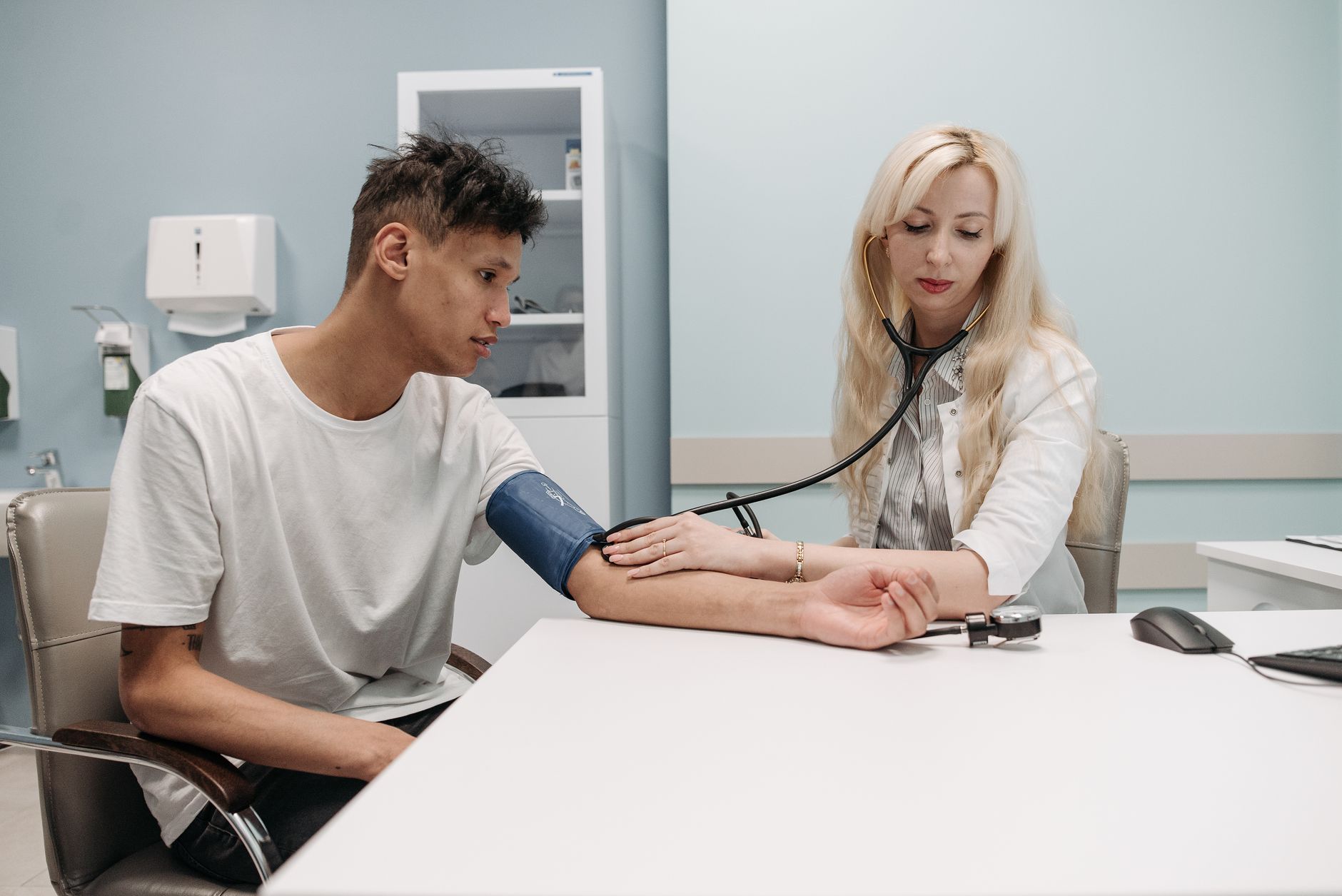
If you fall into any of these groups, this is not a reason to sit indoors and watch from the window. It simply means a quick conversation with your cardiologist before the festival can go a long way. A doctor familiar with your history can advise you on safe activity levels, any medication adjustments, and warning signs to watch for.
Warning Signs to Never Ignore on the Rooftop
Excitement has a way of making us push through discomfort. But during physical activity, the body sends clear signals when something is wrong. Do not dismiss any of the following:
- Chest pain, pressure, tightness, or heaviness — even if mild
- Pain radiating to the jaw, left arm, or back
- Sudden shortness of breath that seems out of proportion to your activity
- Feeling dizzy, lightheaded, or faint
- Heart palpitations — a rapid, fluttering, or irregular heartbeat that does not settle quickly
- Unusual and excessive sweating, especially if accompanied by nausea
If you or someone near you experiences any of these symptoms, stop the activity immediately, move to a shaded and comfortable area, and seek medical attention without delay. Do not wait to see if it passes. In Rajkot, emergency cardiac care is accessible — use it promptly.
Practical Tips for a Heart-Safe Uttarayan
Before the Festival
- See your cardiologist in advance if you have any heart condition or significant risk factors. This is especially important if you have not had a check-up in the past year.
- Do not stop your regular medications. Festival days are not a reason to skip blood pressure tablets, blood thinners, or other prescribed medicines. Take them on schedule.
- Get adequate sleep the night before. Sleep deprivation worsens blood pressure and heart rate regulation.
On the Day
- Warm up gently. A 5–10 minute slow walk and some light shoulder rotations before you start flying can ease your cardiovascular system into activity.
- Dress in layers. Wear a light jacket in the morning when it is cool; remove a layer as the afternoon warms up.
- Eat sensibly. Undhiyu, chikki, and til laddoo are delicious, but heavy meals before or during physical activity can divert blood from the heart to the digestive system. Eat moderate portions and allow time to rest after eating.
- Hydrate consistently. Aim for at least 2–2.5 litres of water across the day. Avoid excessive chai or caffeinated drinks, which can raise heart rate.
- Take breaks every 45–60 minutes. Sit down, breathe slowly, and let your heart rate settle.
- Share the thread. Take turns with family members rather than holding the kite solo for hours.
- Avoid alcohol. It dehydrates, disrupts heart rhythm, and can mask warning signs.
For Children and Elderly Family Members
Keep a close eye on elderly relatives on the rooftop. Make sure they have a comfortable chair to sit on, are drinking water, and are not over-exerting themselves in the excitement. Children are generally resilient, but should also be protected from prolonged sun exposure and dehydration.
The Bigger Picture: Festivals and Your Heart
Festivals like Makar Sankranti are essential to our well-being — the joy, togetherness, and sense of tradition they bring are genuinely good for mental and emotional health. And a happy mind supports a healthier heart. The goal is not to medicalise every celebration, but to be aware that your heart is quietly doing extra work during these high-energy days.
At Dr. Pachani's cardiology practice in Rajkot, patients are encouraged to enjoy Gujarat's vibrant festival calendar fully — with just a little extra care and awareness during the festive season.
Key Takeaways
- Kite flying during Uttarayan involves sustained physical effort, sudden bursts of activity, and emotional excitement — all of which raise demand on the heart.
- Cold January air and dehydration add to cardiovascular strain.
- People with heart disease, hypertension, diabetes, or significant risk factors should consult their cardiologist before the festival.
- Never ignore chest pain, breathlessness, dizziness, or palpitations during activity.
- Keep taking your regular medications, stay hydrated, eat in moderation, and take regular breaks.
- With a little planning, Uttarayan can be enjoyed safely and joyfully by almost everyone.
If you have any concerns about your heart health, or if it has been a while since your last cardiac check-up, consider booking a consultation with a qualified interventional cardiologist before the festivities begin — your heart will thank you for it.
Frequently asked questions
- Is kite flying safe if I have a heart condition?
- It depends on the nature and severity of your condition. Kite flying involves sustained arm effort, sudden physical bursts, and emotional excitement — all of which increase the heart's workload. If you have a known heart condition such as coronary artery disease, heart failure, or uncontrolled blood pressure, speak with your cardiologist before the festival. They can advise you on safe levels of activity and any precautions specific to your situation.
- Why do cardiac events increase during festivals like Makar Sankranti?
- Several factors combine during festive days: sudden physical exertion after a period of inactivity, emotional excitement causing adrenaline surges, cold morning air causing blood vessels to constrict, skipped medications, disrupted sleep, heavy meals, and dehydration. Together, these place extra demand on the heart and can trigger events in vulnerable individuals. Being aware of these triggers and planning ahead significantly reduces the risk.
- What are the warning signs of a heart problem during kite flying?
- Watch for chest pain, pressure, or tightness; pain in the jaw, left arm, or back; sudden breathlessness; dizziness or fainting; heart palpitations (rapid or irregular heartbeat); and unusual sweating with nausea. If you or someone nearby experiences any of these symptoms, stop the activity immediately, rest in a cool and comfortable place, and seek emergency medical care without delay.
- How can I enjoy Uttarayan safely if I am at high cardiac risk?
- Visit your cardiologist for a check-up before the festival. Continue all prescribed medications without skipping. Dress in layers to handle the January morning cold. Drink water consistently throughout the day. Take seated breaks every 45–60 minutes, eat moderate portions, share kite-flying duties with family members, and avoid alcohol. With these precautions, most people — even those with managed heart conditions — can participate in the celebrations comfortably.