
What Is the Left Atrial Appendage — and Why Does It Matter?
Your heart is made up of four chambers. The upper-left chamber is called the left atrium. Tucked into its wall is a small, ear-shaped pouch called the left atrial appendage (LAA). In a healthy heart that beats in a steady rhythm, blood flows in and out of this pouch without any trouble.
But when someone has atrial fibrillation (AF) — an irregular, often rapid heartbeat — blood can pool inside the LAA instead of moving forward properly. Pooled blood can clot. If a clot breaks loose and travels to the brain, it causes a stroke. In fact, studies consistently show that more than 90% of stroke-causing clots in people with AF originate in the LAA.
This is why cardiologists worldwide — including interventional cardiologists in cities like Rajkot — pay close attention to this small but significant structure.
The Traditional Approach: Blood Thinners (Anticoagulants)
For decades, the standard way to prevent AF-related stroke has been long-term anticoagulation therapy — commonly known as blood thinners. Medicines like warfarin or newer oral anticoagulants (NOACs) reduce the blood's ability to clot, which lowers stroke risk substantially.
Blood thinners work well for many patients. However, they are not suitable or safe for everyone. Some common challenges include:
- Bleeding complications — from minor issues like easy bruising to serious internal bleeding in the stomach, kidneys, or even the brain
- Frequent monitoring — older blood thinners like warfarin require regular blood tests to keep levels in the right range
- Drug and food interactions — certain foods (especially green leafy vegetables) and other medicines can affect how blood thinners work
- Non-compliance — taking a tablet every single day, indefinitely, is difficult for many patients, especially older adults managing multiple conditions
- Comorbidities — conditions like a history of falls, stomach ulcers, kidney disease, or recent surgery may make blood thinners risky
For patients in these situations, doctors needed an alternative — and that alternative is left atrial appendage closure (LAAC).
What Is the Left Atrial Appendage Closure Procedure?
The left atrial appendage closure procedure is a minimally invasive, catheter-based intervention that seals off the LAA permanently. By closing this pouch, clots cannot form inside it — and therefore cannot travel to the brain and cause a stroke.
Think of it like plugging a small pocket in your heart where trouble starts.
How Is the Procedure Performed?
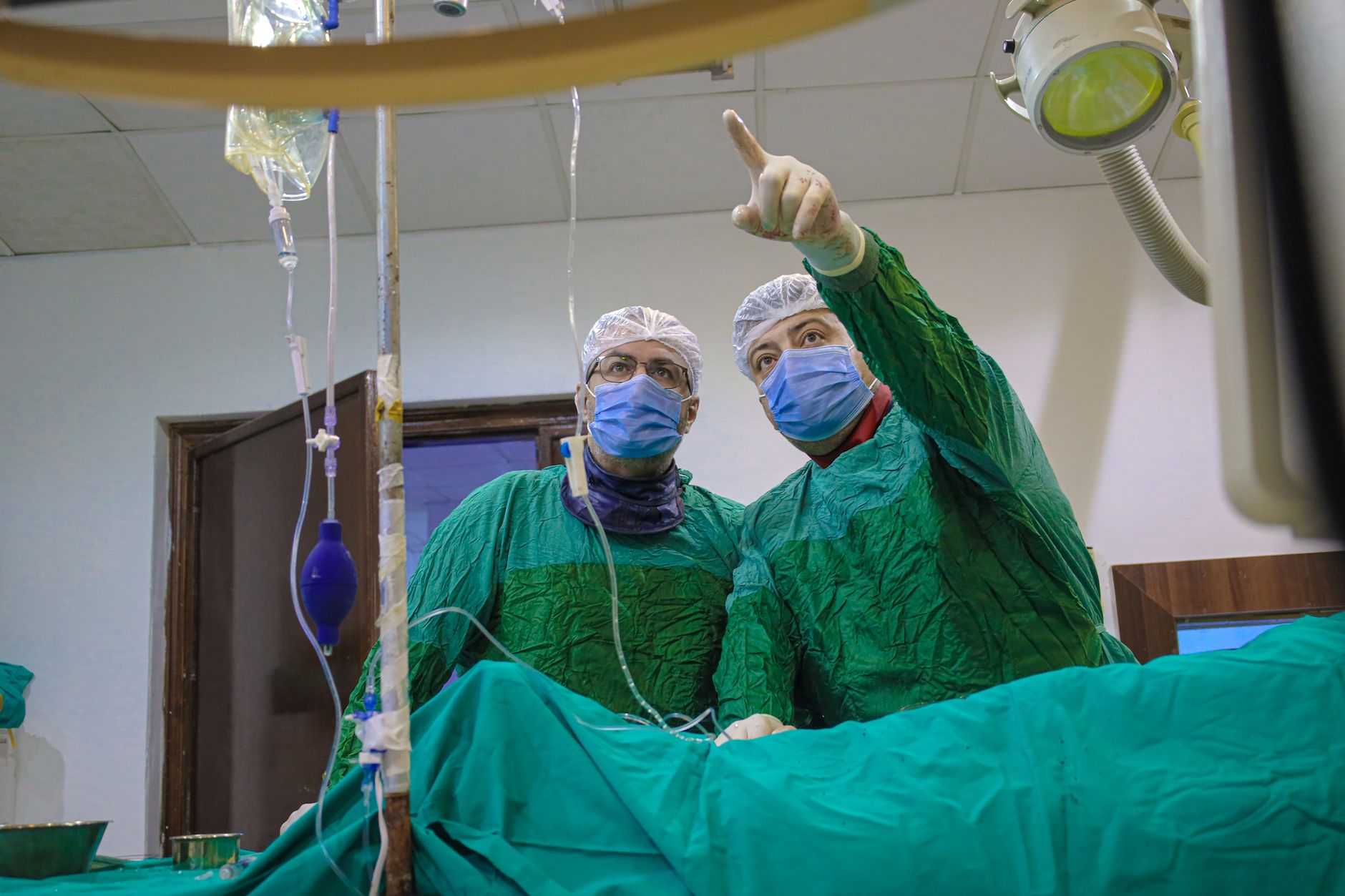
The LAAC procedure is typically performed under general anaesthesia or deep sedation, and it usually takes about 60–90 minutes. Here is what the procedure generally involves:
- Catheter insertion: A thin, flexible tube (catheter) is inserted through a vein in the groin — no large incisions are needed.
- Trans-septal puncture: The catheter is guided into the right side of the heart and then carefully crosses the wall (septum) between the two upper chambers to reach the left atrium.
- Device deployment: A small plug-like device — such as the Watchman or Amulet device — is carefully positioned at the opening of the LAA and released.
- Sealing: Over the following weeks, the heart's own tissue grows over the device, sealing the LAA shut permanently.
The patient is usually monitored in the hospital for 1–2 days before going home. This is a structured, carefully planned procedure — not an emergency operation — so there is ample time for preparation and discussion with your cardiologist.
Is It Available in India?
Yes. The left atrial appendage closure procedure in India has been available at select advanced cardiac centres for several years. The devices used are CE-marked and clinically validated through large international trials. As interventional cardiology infrastructure grows across Gujarat and other states, more patients across the region — including those in Rajkot and surrounding areas — are now able to access this technology closer to home.
Who Is a Good Candidate for LAAC?
LAAC is not for everyone. Your cardiologist will carefully evaluate whether this procedure suits your individual situation. Generally, candidates include patients who:
- Have non-valvular atrial fibrillation (AF not caused by a damaged heart valve)
- Have a moderate to high stroke risk (often measured using a score called CHA₂DS₂-VASc)
- Are unable to take long-term blood thinners safely due to bleeding risk, past bleeding events, or lifestyle factors
- Have had poor tolerance or compliance with anticoagulation therapy
- Are looking for a one-time procedural solution rather than lifelong daily medication
An illustrative example: a 65-year-old person with AF, a history of stomach bleeding, and high stroke risk may not be a suitable candidate for long-term anticoagulants. After a thorough evaluation, their cardiologist might recommend LAAC as a safer long-term strategy.
What to Expect After the Procedure
Recovery from LAAC is generally smooth for most patients. Here is a general overview of the post-procedure period:
Short-Term (First Few Weeks)
- You may be prescribed a short course of blood thinners or antiplatelet medicines while the device seals itself — this typically lasts 45–90 days
- A follow-up imaging test (usually a transoesophageal echocardiogram or cardiac CT) is done to confirm the device is sealed properly
- Light activities are encouraged; strenuous physical effort should be avoided initially
Medium to Long-Term
- Once the device is confirmed as fully sealed, most patients are able to discontinue long-term anticoagulants under their doctor's guidance
- Regular cardiac follow-ups are still important — AF itself still needs to be managed, and heart health monitoring continues
- Many patients report a sense of relief and improved confidence in daily life, knowing their stroke risk is being managed without a daily pill
Benefits and Limitations: A Balanced View
Potential Benefits
- Reduces stroke risk in high-risk AF patients who cannot tolerate blood thinners
- One-time procedure with lasting effect
- Avoids long-term bleeding risks associated with anticoagulation
- Clinically studied in large randomised trials (PROTECT AF, PREVAIL, and others)
Important Limitations
- Not suitable for all AF patients — a thorough evaluation is essential
- A short course of blood thinners may still be needed after the procedure
- As with any cardiac procedure, there are small procedural risks (e.g., pericardial effusion, device embolisation) — these are uncommon but real, and your cardiologist will explain them clearly
- LAAC does not cure AF; the irregular heart rhythm still requires ongoing management
Key Takeaways
- The LAA is a small pouch in the heart that is responsible for the majority of stroke-causing clots in AF patients
- Blood thinners effectively reduce this risk but are not suitable for every patient
- The LAAC procedure seals the LAA shut using a small device delivered through a catheter — no open surgery required
- It is now available in India at experienced cardiac centres, including in the Gujarat region
- LAAC is most beneficial for AF patients with a high stroke risk who have genuine reasons to avoid lifelong anticoagulation
- The procedure is followed by a short period of medication and regular monitoring — it is not completely "medicine-free" from day one
- Always have an in-depth discussion with your interventional cardiologist to understand whether LAAC is the right choice for you
If you or a family member has atrial fibrillation and concerns about long-term blood thinners, a consultation with a qualified interventional cardiologist is the most important next step. Dr. Nikhila Pachani's clinic in Rajkot offers personalised evaluation and evidence-based guidance — reach out to book an appointment and take the first step towards informed, confident heart care.
Frequently asked questions
- What is the left atrial appendage closure procedure and how does it prevent stroke?
- Left atrial appendage closure (LAAC) is a minimally invasive catheter-based procedure that seals off the left atrial appendage — a small pouch in the heart where over 90% of stroke-causing blood clots form in atrial fibrillation patients. By permanently closing this pouch with a small plug-like device, clots cannot form or escape to the brain, reducing stroke risk significantly.
- Is the left atrial appendage closure procedure available in India?
- Yes, the LAAC procedure is available at select advanced cardiac centres in India, including in Gujarat. The devices used are internationally validated and the procedure is performed by trained interventional cardiologists. Patients in Rajkot and surrounding regions can discuss eligibility with a local specialist.
- Can I stop taking blood thinners completely after the LAAC procedure?
- Most patients are able to discontinue long-term anticoagulants after a short post-procedure period (typically 45–90 days), once imaging confirms the device has fully sealed the LAA. However, this decision is always made by your cardiologist based on your individual health profile and follow-up results.
- Who is not a suitable candidate for left atrial appendage closure?
- LAAC may not be suitable for patients with valvular atrial fibrillation, certain structural heart conditions, or those who can safely and comfortably continue blood thinners long-term. A detailed assessment including echocardiography and clinical history is necessary to determine eligibility. Your cardiologist will guide you through this evaluation.