What Is Low Blood Pressure (Hypotension)?
Most of us have heard that high blood pressure is dangerous. But low blood pressure — medically called hypotension — is a topic that often gets less attention, even though it can sometimes point to a serious underlying heart concern.
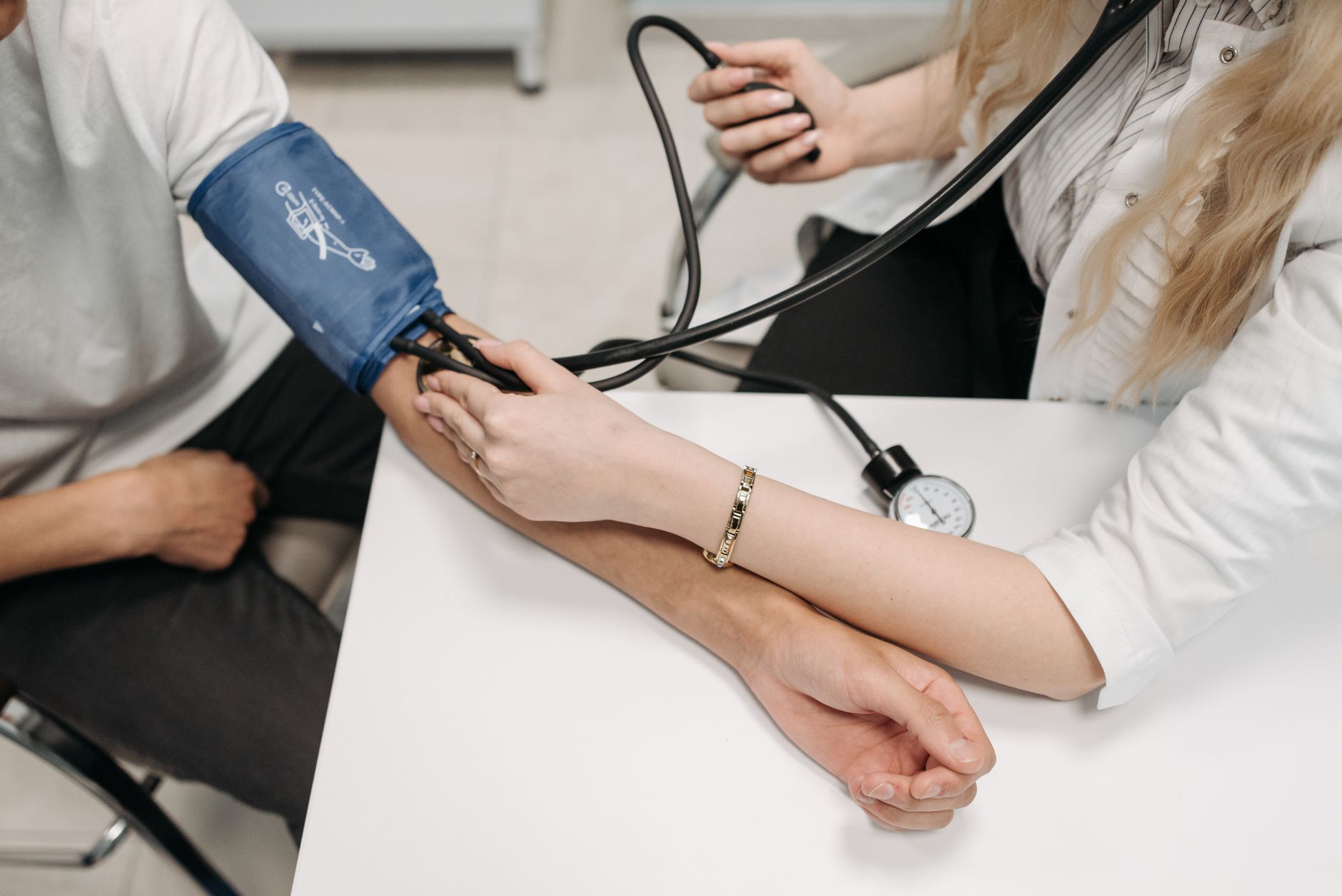
Blood pressure is the force your heart uses to push blood through your arteries. It is recorded as two numbers: systolic (the pressure when the heart beats) over diastolic (the pressure when the heart rests between beats). A reading below 90/60 mmHg is generally considered low.
For some people, low blood pressure is perfectly normal. Athletes and younger adults, for example, often have naturally lower readings with no ill effects. But when low blood pressure causes symptoms — or when it appears suddenly — it deserves careful attention, especially from a cardiac point of view.
Is Low Blood Pressure Always Harmful?
Not always. Many people live with readings slightly under 90/60 mmHg and feel completely well. In these cases, low blood pressure is more of a constitutional trait than a medical problem.
However, low blood pressure becomes a concern when:
- It drops suddenly without an obvious reason
- It causes symptoms that affect your daily life
- It is linked to a known or suspected heart condition
- It occurs after starting a new medication
The key is not just the number on the blood pressure monitor — it is how your body responds to that number.
Common Symptoms of Low Blood Pressure

Symptoms can range from mildly uncomfortable to potentially dangerous. Watch out for:
- Dizziness or lightheadedness, especially when you stand up quickly
- Fainting (syncope) or near-fainting episodes
- Blurred vision that comes and goes
- Nausea or an unsettled stomach feeling
- Unusual fatigue or weakness
- Rapid or shallow breathing
- Cold, clammy, or pale skin
- Difficulty concentrating — sometimes called "brain fog"
A 55-year-old might, for example, report feeling dizzy every morning when getting out of bed, only to find that their blood pressure was dropping significantly on standing. This pattern — called orthostatic hypotension — is one of the most common presentations seen in a cardiology clinic.
The Link Between Low Blood Pressure and Heart Problems
This is where low blood pressure and heart problems are directly connected. The heart is both a cause and a consequence of abnormal blood pressure. Here is how:
1. Heart Failure
When the heart muscle weakens and cannot pump blood efficiently, blood pressure can fall. This is one of the more serious causes of chronic low blood pressure. Patients may feel tired, breathless, and lightheaded — symptoms that are often mistaken for general fatigue or anaemia.
2. Heart Valve Problems
Conditions such as aortic stenosis (narrowing of the aortic valve) or mitral regurgitation (leaking of the mitral valve) can reduce the amount of blood pumped out with each heartbeat, leading to lower systolic pressure and reduced blood flow to vital organs.
3. Slow or Irregular Heartbeat (Bradycardia / Arrhythmia)
If the heart beats too slowly or irregularly, it may not pump enough blood to maintain adequate pressure. Patients sometimes feel palpitations alongside dizziness — a combination that should always prompt a cardiac evaluation.
4. Heart Attack
A sudden, severe drop in blood pressure can be an early warning sign of a heart attack, particularly one affecting the right side of the heart. This is a medical emergency. If someone collapses with chest discomfort, breathlessness, and a very low blood pressure reading, they need immediate care.
5. Pericardial Effusion (Fluid Around the Heart)
Fluid collecting around the heart can compress it, preventing normal filling and pumping — a condition called cardiac tamponade. One of its hallmark signs is a sharp fall in blood pressure.
Other Common (Non-Heart) Causes of Hypotension
Not every case of low blood pressure is cardiac in origin. Other frequent causes include:
- Dehydration — particularly relevant during hot Gujarat summers, when fluid loss through sweating is high
- Nutritional deficiencies — low iron (anaemia), low vitamin B12, or poor overall nutrition
- Medications — blood pressure tablets, diuretics, antidepressants, and some medications for Parkinson's disease can all lower blood pressure as a side effect
- Prolonged bed rest or illness
- Hormonal conditions — such as an underactive thyroid or adrenal insufficiency (Addison's disease)
- Pregnancy — blood pressure naturally tends to be lower during the first and second trimesters
Even when the cause is non-cardiac, it is still important to investigate and address it, because sustained low blood pressure can put additional strain on the heart over time.
Who Is at Higher Risk?
Certain groups are more likely to experience symptomatic hypotension:
- Older adults, whose blood vessel flexibility decreases with age, making pressure regulation less efficient
- People on multiple medications (polypharmacy), which is common in those managing diabetes, kidney disease, or heart conditions
- Individuals with diabetes, who can develop autonomic neuropathy — nerve damage that affects blood pressure control
- People who have recently recovered from a serious illness or surgery
- Those who stand for long periods without movement, which can cause blood to pool in the legs
In Rajkot and across Gujarat, the combination of high temperatures and a tendency toward salt-heavy or dehydrating diets can make blood pressure fluctuations more common during summer months.
When Should You See a Cardiologist?

See a cardiologist promptly if you experience:
- Repeated fainting or blackout episodes
- Chest pain or tightness alongside low blood pressure readings
- Breathlessness at rest or on mild exertion
- Palpitations combined with dizziness
- A sudden unexplained drop in your usual blood pressure readings
- Low blood pressure that does not improve with simple measures like hydration
A cardiologist will typically recommend an ECG (electrocardiogram), echocardiogram (echo), and basic blood tests to rule out or identify any underlying cardiac cause. In some cases, a 24-hour ambulatory blood pressure monitor or a Holter monitor (to track heart rhythm over a day) may be advised.
Practical Steps to Manage Mild Low Blood Pressure
If your cardiologist has confirmed that your low blood pressure is not due to a serious heart condition, the following lifestyle measures can help:
- Stay well hydrated — aim for 8–10 glasses of water per day, more during hot weather
- Rise slowly from sitting or lying positions, especially in the morning
- Eat smaller, more frequent meals to avoid post-meal blood pressure dips
- Reduce alcohol consumption, which can lower blood pressure further
- Wear compression stockings if you have orthostatic hypotension, as advised by your doctor
- Increase salt intake slightly only if your doctor recommends it — this is not suitable for everyone
- Avoid standing for long periods without moving; gentle leg exercises help blood return to the heart
- Exercise regularly under medical guidance — walking, yoga, and light strength training all support healthy cardiovascular tone
Key Takeaways
- A blood pressure reading below 90/60 mmHg is considered low, but symptoms matter as much as the number.
- Low blood pressure and heart problems are closely linked — heart failure, valve disease, arrhythmias, and even heart attacks can all present with a drop in blood pressure.
- Common symptoms include dizziness, fainting, fatigue, and cold, clammy skin.
- Dehydration, medications, and nutritional deficiencies are frequent non-cardiac triggers, especially in a warm climate like Rajkot's.
- Repeated fainting, chest pain, breathlessness, or palpitations alongside low BP should prompt a prompt cardiac evaluation.
- Simple lifestyle adjustments can manage mild hypotension, but treatment of any underlying heart condition is essential.
If you have been experiencing dizziness, fainting spells, or unusually low blood pressure readings, do not wait for the symptoms to worsen. Consulting a qualified cardiologist is the surest way to understand the cause and get the right guidance for your heart's health.
Frequently asked questions
- What blood pressure reading is considered too low?
- A blood pressure reading below 90/60 mmHg is generally considered low (hypotension). However, whether it is a concern depends on your symptoms and overall health. Some people naturally have lower readings and feel perfectly well, while others may experience dizziness or fainting even at slightly higher readings. Always discuss your specific numbers with your doctor.
- Can low blood pressure cause a heart attack?
- Low blood pressure itself does not directly cause a heart attack, but a sudden severe drop in blood pressure can be a warning sign of one — particularly if accompanied by chest pain, breathlessness, or collapse. Low BP reduces blood flow to the heart muscle, which can worsen an existing cardiac event. This is why sudden hypotension should always be evaluated urgently.
- What are the most common causes of low blood pressure in India?
- In India, common causes include dehydration (especially during hot summers), nutritional deficiencies such as anaemia or low vitamin B12, certain medications, prolonged illness, and underlying heart conditions. In older adults, orthostatic hypotension — a drop in BP on standing — is also very common and can increase the risk of falls.
- When should I see a cardiologist for low blood pressure?
- You should consult a cardiologist if you experience repeated fainting or blackouts, chest pain alongside low BP, breathlessness at rest, palpitations with dizziness, or a sudden unexplained drop in your usual readings. A cardiologist can perform an ECG, echocardiogram, and other tests to rule out any underlying heart cause.