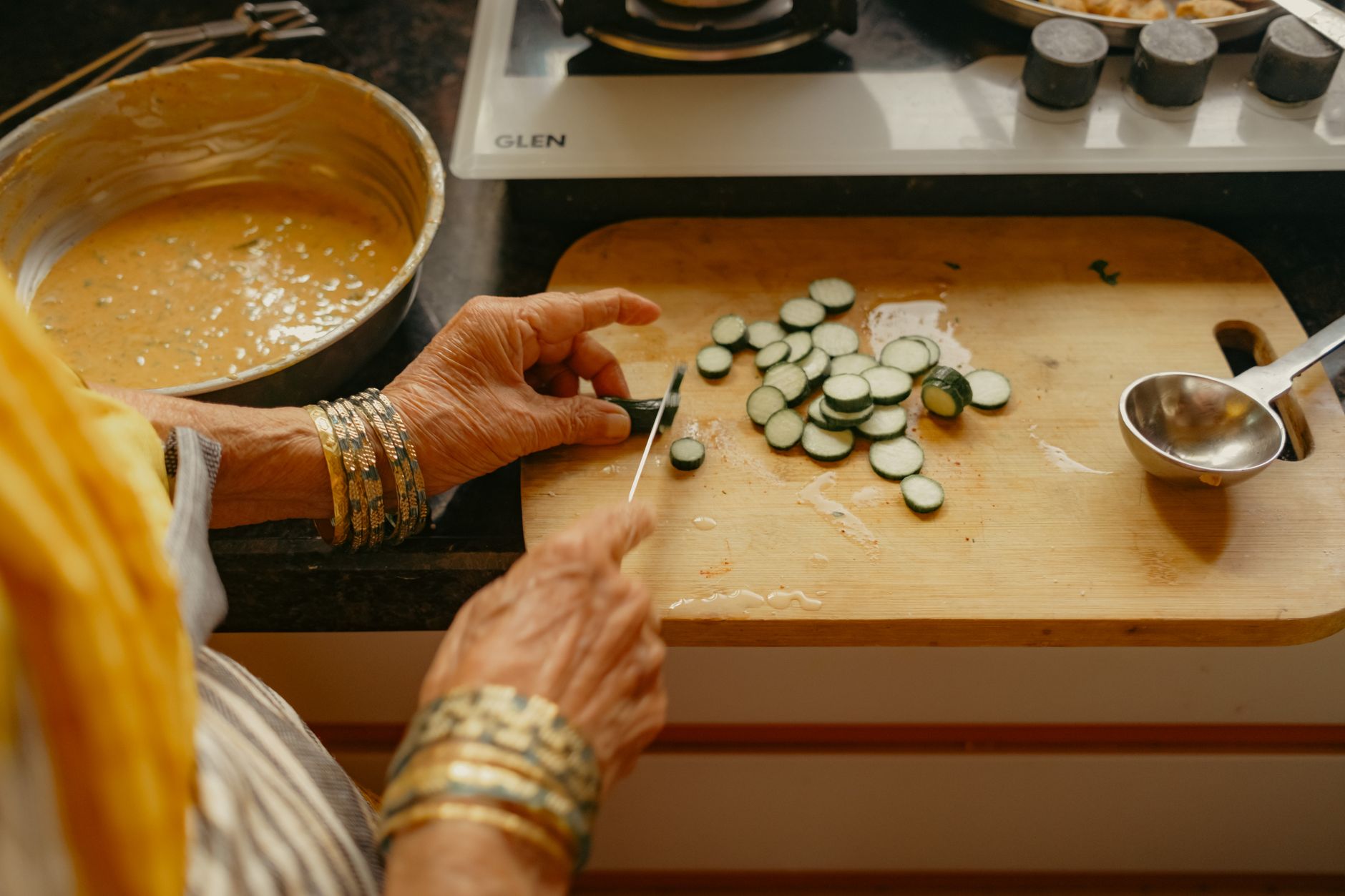
Gujarati food is a celebration — sweet, tangy, warming, and deeply comforting. From a steaming bowl of dal to crispy methi theplas and the festive pop of a good chhaas, our cuisine is built on layers of flavour. But for the many people in Rajkot and across Gujarat who are managing high blood pressure, heart disease, or simply trying to protect their cardiovascular health, one ingredient often gets called out by the doctor: salt.
The good news? Eating less sodium does not mean eating bland food. With a few thoughtful swaps and a little curiosity in the kitchen, you can keep all the heart and soul of Gujarati cooking while giving your heart exactly what it needs.
Why Sodium Matters for Your Heart
Sodium is a mineral your body needs — but only in small amounts. The World Health Organization recommends less than 2,000 mg of sodium per day (about one teaspoon of table salt). Most of us consume significantly more than that without realising it.
When you take in too much sodium, your body retains extra fluid to dilute it. This raises the volume of blood your heart has to pump, which in turn raises blood pressure. Over time, persistently high blood pressure strains the heart muscle, stiffens arteries, and increases the risk of heart attacks, strokes, and heart failure.
For patients Dr. Nikhila Pachani sees at her interventional cardiology practice in Rajkot, dietary sodium reduction is often one of the first and most impactful lifestyle changes recommended alongside medication and exercise — because it is something you can act on at every single meal.
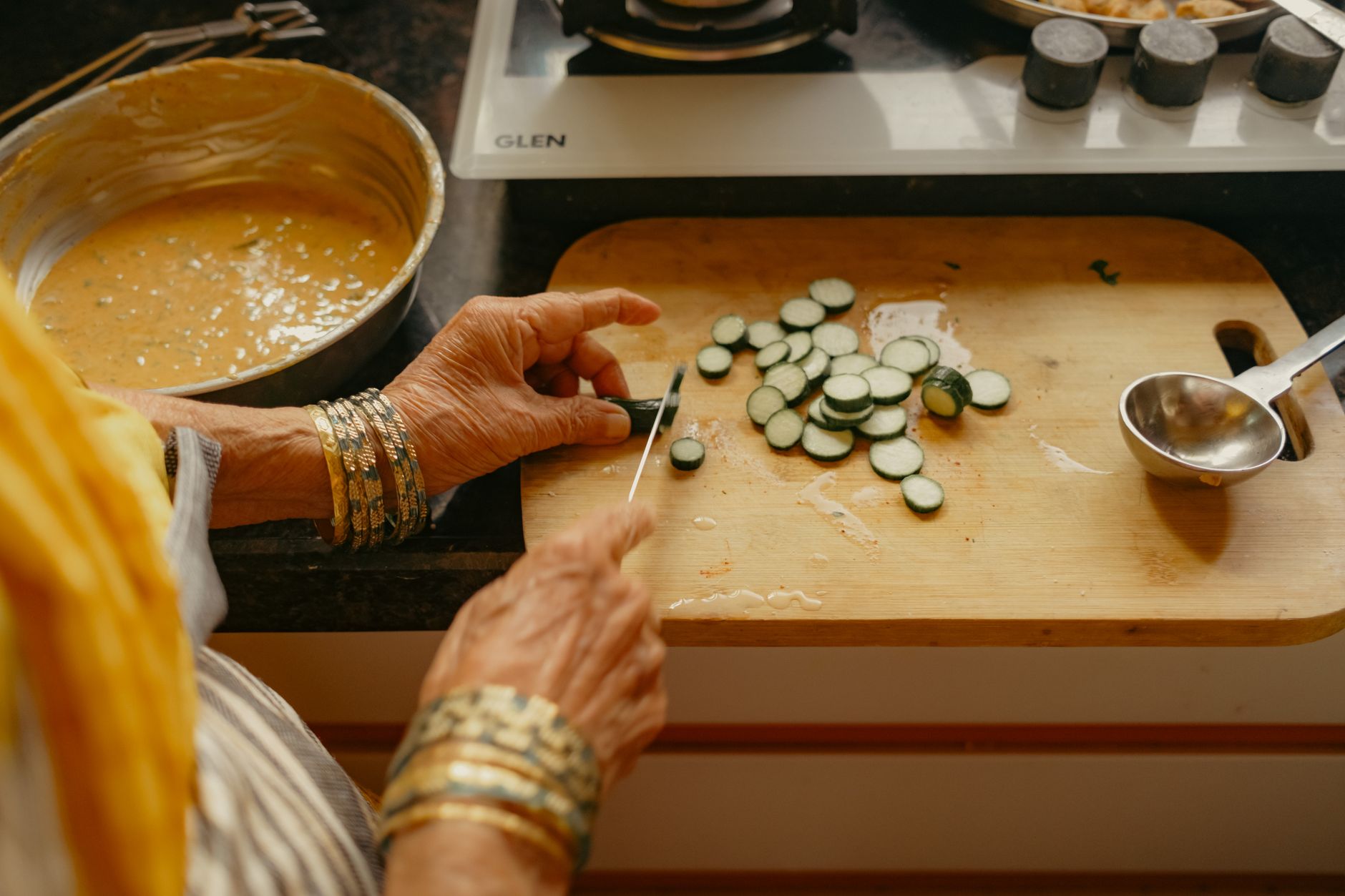
The Hidden Salt in a Gujarati Kitchen
Before we talk about swaps, it helps to know where sodium is quietly slipping into your day:
- Pickles (athanu/achar): A single tablespoon of lime or mango pickle can contain 400–600 mg of sodium.
- Papad: One roasted papad carries roughly 200–350 mg.
- Namkeen and farsan: Sev, chivda, ganthia, and chakli are delicious but sodium-dense snacks.
- Processed chutneys and sauces: Bottled tamarind chutney, ketchup, and soya sauce add up fast.
- Packaged dal mixes and masalas: Many carry added salt alongside the spices.
- Cheese (paneer substitutes) and salted butter: Often overlooked sources.
- Buttermilk (chhaas) made from salted curd: The salt in the curd transfers straight to your glass.
A 55-year-old person with early hypertension, for example, might feel they "barely use salt" — yet their daily intake from farsan at tea-time, papad at lunch, and a spoonful of athanu at dinner could easily push them well over the recommended limit before they even reach for the salt shaker.
Practical Low-Sodium Gujarati Cooking Tips
1. Rethink Your Salt Habit at the Stove
Start by simply measuring rather than pouring. Use a quarter-teaspoon measure and notice how little actually disappears into a full pot of dal. Gradually reduce the amount you use by 25% each week — your taste buds adapt faster than you think, usually within two to four weeks.
Tip: Add salt toward the end of cooking rather than at the start. Food tastes saltier when salt sits on the surface rather than being absorbed deep inside.
2. Let Spices Do the Heavy Lifting
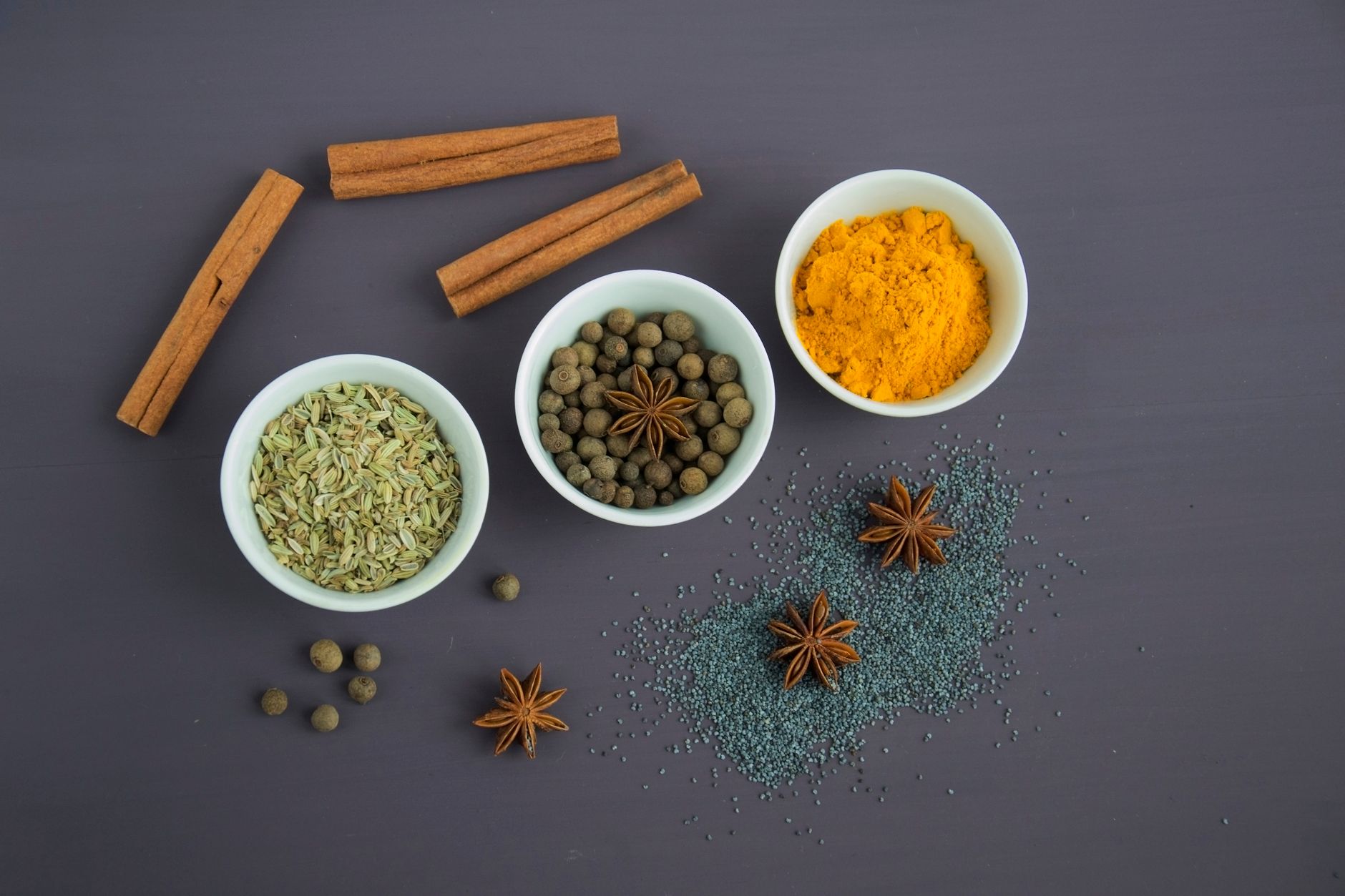
This is where Gujarati cooking has a genuine advantage. Our spice box (masala dabba) is already full of flavour-builders that need zero sodium:
- Cumin (jeera): Earthy, warm — amplifies savoury depth in dals and sabzis.
- Mustard seeds (rai): A proper tadka with rai, curry leaves, and asafoetida (hing) makes a dish taste "complete" without extra salt.
- Asafoetida (hing): Use it carefully — a tiny pinch adds an umami-like savoriness that tricks the palate into needing less salt.
- Turmeric (haldi), coriander (dhania), fennel (saunf): These round out flavour and reduce the perception of "missing" salt.
- Dry mango powder (amchur) and kokum: Natural acidity brightens a dish the same way salt does.
- Fresh ginger and green chillies: A small amount of heat and sharpness makes food feel bolder.
- Lemon juice and tamarind: Squeeze a little fresh lemon over a finished dish — it instantly makes flavours pop without a milligram of sodium.
3. Smarter Swaps for Everyday Gujarati Staples
| Everyday Item | High-Sodium Version | Lower-Sodium Swap |
|---|---|---|
| Papad | Regular salted papad | Homemade moong dal papad with 50% less salt, or thin roasted khakhra |
| Chhaas | Made from salted curd | Use unsalted homemade curd; add roasted jeera, mint, and a tiny pinch of salt yourself |
| Pickle/Athanu | 1 tbsp daily | Limit to ½ tsp or make fresh kachumbar (onion, tomato, lemon) as a side instead |
| Dal | Packaged ready-mix | Cook from scratch with whole toor or moong dal — you control every ingredient |
| Farsan at tea-time | Store-bought sev or ganthia | Roasted chana, unsalted makhana (fox nuts), or homemade baked methi puri with less salt |
| Bread/Roti | White bread (high sodium) | Homemade whole-wheat rotli with no added salt |
| Paneer dishes | Salted store paneer | Home-made paneer from unsalted milk — firmer, fresher, and sodium-free |
4. Reimagine the Tadka (Tempering)
A good tadka is the backbone of Gujarati cooking, and it is almost entirely sodium-free by nature. Lean into it:
- Use fresh curry leaves generously — they add a fragrant, savoury note.
- Try sesame seeds (til) in your tempering for a nutty undertone that adds depth.
- A small piece of cinnamon or a clove in the oil before adding vegetables gives a warm aromatic base.
- Tomatoes and onions, cooked down slowly, create a natural savoury richness.
5. Cook More, Process Less
The single most powerful low-sodium gujarati cooking tip is also the simplest: cook from scratch. Processed and packaged foods — even "healthy-seeming" ones like instant upma mixes, ready-made khichdi packets, or bottled masala pastes — are formulated with much higher sodium levels than home cooking. When you cook from whole ingredients, you are always in control.
6. Smart Snacking, Gujarati Style
Gujarat is a snacking culture, and that is something to embrace rather than fight. The goal is to shift toward snacks that are naturally lower in sodium:
- Roasted chana with lemon and chaat masala (used sparingly)
- Fresh fruit chaat with amchur instead of salt
- Cucumber or carrot sticks with unsalted homemade hummus or curd dip
- Boiled sweet corn with lemon and pepper (skip the salt)
- Unsalted dry-roasted peanuts in small portions

Reading Labels: A New Kitchen Skill
If you do buy packaged foods, learn to read the Nutrition Facts label. Look for the sodium content per serving, not just per 100 g, and check how many servings are in the pack. As a guide:
- Low sodium: ≤ 140 mg per serving
- Moderate: 140–400 mg per serving
- High: > 400 mg per serving
Watch out for ingredients listed as sodium chloride, baking soda (sodium bicarbonate), monosodium glutamate (MSG), or sodium benzoate — they all count toward your daily sodium total.
A Word on Salt Substitutes
Some people ask about potassium-based salt substitutes (often sold as "low-sodium salt"). These can be helpful, but they are not right for everyone — particularly people with kidney disease or those on certain heart medications like ACE inhibitors or potassium-sparing diuretics. Always check with your cardiologist before switching to a salt substitute.
Key Takeaways
- Aim for less than 2,000 mg of sodium per day — roughly one teaspoon of table salt total.
- Hidden sodium in pickles, papad, farsan, and packaged masalas adds up quickly.
- Spices, lemon, tamarind, amchur, and a well-made tadka can replace much of the flavour work that salt does.
- Cooking from scratch gives you complete control over sodium.
- Gradually reducing salt over two to four weeks lets your palate adapt without a sense of deprivation.
- Salt substitutes require medical guidance — ask your cardiologist first.
- Small, consistent changes in the kitchen can make a meaningful difference to your blood pressure and heart health over time.
If you are managing high blood pressure, heart disease, or have been advised to follow a low-sodium diet, speaking with a qualified cardiologist can help you build a personalised plan. Feel free to book a consultation with Dr. Nikhila Pachani at her cardiology practice in Rajkot — small changes, guided well, can make a lasting difference to your heart health.
Frequently asked questions
- How much sodium should a heart patient consume per day?
- The World Health Organization recommends less than 2,000 mg of sodium per day for the general population. For people with high blood pressure or heart disease, a cardiologist may advise an even lower target. One teaspoon of table salt contains approximately 2,300 mg of sodium, so the goal is to stay at or below that level from all sources combined — including cooking, pickles, packaged foods, and snacks.
- Which common Gujarati foods are highest in sodium?
- Some of the highest-sodium items in a typical Gujarati diet include pickles (athanu/achar), papad, store-bought farsan like sev and ganthia, packaged dal and masala mixes, salted chhaas, and processed chutneys or sauces. Being mindful of portion sizes for these items — or making lower-salt versions at home — can significantly reduce your daily sodium intake.
- Can I still enjoy Gujarati food on a low-sodium diet?
- Absolutely. Gujarati cuisine is naturally rich in spices, herbs, lemon, tamarind, and aromatic tempering (tadka) — all of which are sodium-free and can provide a great deal of flavour on their own. With gradual salt reduction, smart swaps (such as fresh kachumbar instead of pickle, or homemade chhaas from unsalted curd), and cooking from scratch, you can enjoy a wide variety of delicious Gujarati dishes while keeping your sodium intake in a healthy range.
- Are low-sodium salt substitutes safe for heart patients?
- Potassium-based salt substitutes can be a useful tool for some people, but they are not appropriate for everyone. People with kidney disease or those taking certain heart medications — such as ACE inhibitors, ARBs, or potassium-sparing diuretics — may not be able to handle the extra potassium safely. Always consult your cardiologist or doctor before switching to a salt substitute to make sure it is the right choice for your specific health situation.