Why Small Nutrients Make a Big Difference for Your Heart
When we think about heart health, we often focus on big lifestyle habits — quitting smoking, managing weight, or controlling blood pressure. These things absolutely matter. But there is a quieter group of players working behind the scenes every single day: micronutrients.
Three micronutrients in particular — magnesium, potassium, and vitamin D — have earned growing attention in cardiology research for their role in keeping the heart muscle, blood vessels, and electrical system functioning smoothly. Yet surveys across India, including in Gujarat, consistently show that many adults fall short of adequate levels of all three.
This article explains what each nutrient does for your heart, where to find it in everyday food, and when it might be worth discussing supplementation with your doctor.
Key Takeaways
- Magnesium, potassium, and vitamin D each play distinct and important roles in supporting heart health.
- Deficiencies in these nutrients are common in India and can quietly raise cardiovascular risk.
- Most people can improve their levels through everyday food choices.
- Supplementation should always be guided by a qualified doctor after appropriate testing.
- If you have an existing heart condition, discuss your micronutrient status at your next cardiology review.
Magnesium: The Heart's Natural Rhythm-Keeper
What Does Magnesium Do?
Magnesium is involved in over 300 biochemical reactions in the body — but its role in the heart is particularly important. It helps regulate the electrical signals that control your heartbeat, supports healthy blood pressure by relaxing the smooth muscle in blood vessel walls, and reduces excessive calcium activity inside heart cells that can otherwise trigger irregular rhythms.
Research consistently links low magnesium levels with a higher risk of:
- Irregular heartbeats (arrhythmias), including atrial fibrillation
- Elevated blood pressure (hypertension)
- Higher levels of systemic inflammation, which contributes to artery disease
Think of magnesium as a natural "steadying hand" on the heart's electrical system. When levels are low, the system becomes more excitable and less stable.
Who Is at Risk of Low Magnesium?
In India, diets high in refined grains and low in green vegetables and nuts can leave many people with insufficient magnesium. People with type 2 diabetes, those taking certain diuretic medications ("water pills"), and older adults are especially prone to deficiency.
Best Food Sources of Magnesium
The good news is that magnesium is found in a wide variety of affordable, everyday foods:
- Dark leafy greens — spinach (palak), methi (fenugreek leaves)
- Nuts and seeds — almonds, cashews, pumpkin seeds (kaddu ke beej)
- Whole grains — brown rice, whole wheat, jowar, bajra
- Legumes — rajma, chana, moong dal
- Dark chocolate (in moderation!)
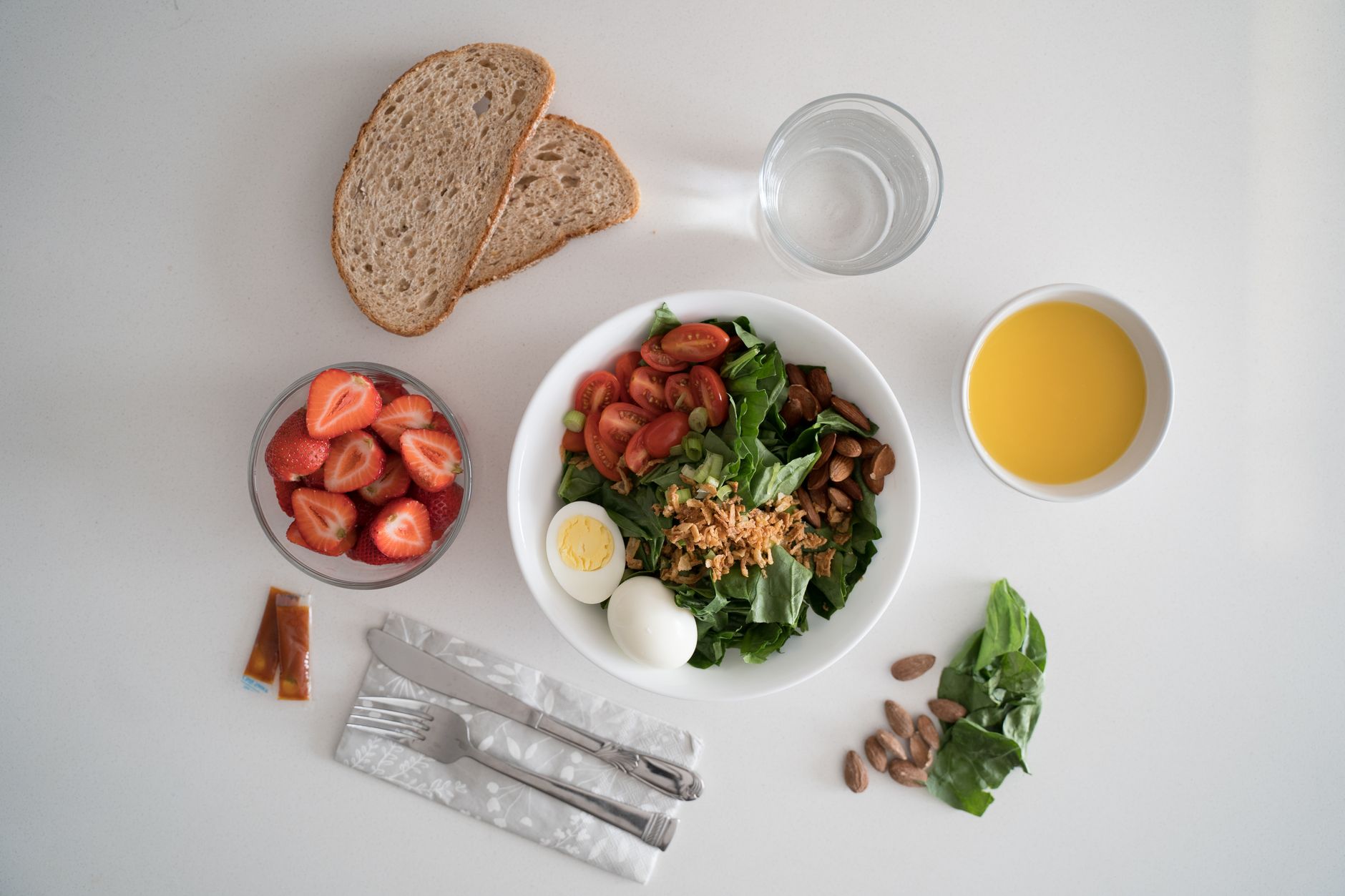
A 55-year-old patient with mild hypertension, for example, might find that simply switching from refined white bread to whole-grain roti and adding a small handful of almonds daily is enough to meaningfully improve their dietary magnesium intake over time.
Potassium: Your Blood Pressure's Best Friend
What Does Potassium Do for the Heart?
Potassium and sodium work as a pair — like a see-saw — to control fluid balance in and around your body's cells. When potassium is adequate, it helps counteract the blood-pressure-raising effects of dietary sodium (salt). It also supports normal electrical conduction in the heart, helping to keep each beat regular.
Evidence from large population studies shows that higher potassium intake is associated with:
- Lower blood pressure, especially in people who already have hypertension
- Reduced risk of stroke by up to 24% in some analyses
- Lower risk of fatal heart disease
The modern Indian diet — with its generous use of table salt, processed snacks, pickles, and papads — tends to tilt the potassium-sodium balance firmly toward sodium. Gently shifting this balance back toward potassium is one of the simplest dietary steps you can take for your heart.
Best Food Sources of Potassium
Potassium is abundant in fresh, whole foods:
- Fruits — bananas, chikoo (sapodilla), guava, oranges, pomegranate
- Vegetables — potatoes (with skin), sweet potato, tomatoes, drumstick (moringa)
- Dairy — low-fat yogurt (dahi), buttermilk (chaas)
- Pulses — all dals and legumes
- Coconut water — a traditional favourite in Gujarat and across India, and naturally rich in potassium
A Note on Potassium Supplements
Unlike dietary potassium from food, potassium supplements must be taken only under medical supervision. Very high potassium levels in the blood (hyperkalaemia) — particularly in people with kidney problems or those on certain heart medications — can be dangerous. Always speak to your cardiologist or physician before starting any potassium supplement.
Vitamin D: Beyond Bone Health
The Surprising Heart Connection
Most people know vitamin D for its role in building strong bones. But vitamin D receptors are found throughout the body — including in heart muscle cells, blood vessel walls, and tissues that regulate blood pressure. This has led researchers to study vitamin D's influence on cardiovascular health closely.
Low vitamin D levels have been linked to:
- Higher blood pressure through activation of the renin-angiotensin system (a key blood pressure regulator)
- Increased arterial stiffness, which raises the workload on the heart
- Greater risk of heart failure and adverse outcomes in people with established heart disease
- Higher levels of inflammation, a driver of coronary artery disease
Why Vitamin D Deficiency Is Surprisingly Common in a Sunny Country
India receives abundant sunlight — and yet vitamin D deficiency is remarkably widespread, including in sunny cities like Rajkot. This paradox has a few explanations:
- Skin coverage — traditional clothing styles and cultural preferences limit skin exposure to sunlight
- Indoor lifestyles — office work, air-conditioned environments, and reduced outdoor activity
- Air pollution — urban haze filters out the UVB rays that trigger vitamin D production in the skin
- Dietary gaps — very few traditional Indian foods are naturally high in vitamin D (mainly fatty fish, egg yolks, and fortified products)

Getting 15–30 minutes of morning sunlight on the arms and legs (before 10 AM or after 4 PM to avoid peak UV intensity) several times a week can support vitamin D production. However, individuals with darker skin tones may need longer exposure, and many people — particularly the elderly or those with limited outdoor access — may still need supplementation.
Testing and Supplementation
A simple blood test (serum 25-OH Vitamin D) can tell you and your doctor where your levels stand. Supplementation dosage should always be tailored individually. Self-prescribing high-dose vitamin D without monitoring can lead to toxicity, so professional guidance is important.
Putting It All Together: A Heart-Smart Plate
You do not need expensive supplements or dramatic dietary overhauls to start supporting your heart with these three micronutrients. Here is what a balanced, heart-smart day of eating might look like in a typical Gujarati household:
- Breakfast: Bajra rotla with methi sabzi + a glass of chaas
- Mid-morning: A banana or a handful of almonds
- Lunch: Dal with brown rice or whole-wheat rotis, a green salad, and dahi
- Evening: Coconut water or a small portion of roasted chana
- Dinner: A sabzi with plenty of tomatoes, potatoes, or drumstick, with whole-grain roti
This kind of everyday eating naturally covers a wide range of magnesium, potassium, and — to the extent food allows — vitamin D.

When Should You Get Your Levels Checked?
Consider asking your doctor to check your micronutrient levels if you:
- Have high blood pressure, diabetes, or an existing heart condition
- Experience frequent muscle cramps, fatigue, or heart palpitations
- Take diuretics, certain diabetes medications, or blood pressure tablets
- Are over 50, or spend most of your time indoors
- Follow a very restrictive diet (e.g., vegan or very low-calorie)
Routine blood tests for magnesium, potassium, and vitamin D are straightforward, widely available, and affordable at most diagnostic labs in Rajkot and across Gujarat.
A Final Word
Magnesium, potassium, and vitamin D are not miracle nutrients — but they are genuinely important ones. Think of them as part of the foundation upon which good heart health is built, alongside regular physical activity, stress management, not smoking, and appropriate medical care. The heart works hard for you every single day; giving it the nutritional support it needs is one of the kindest things you can do.
If you have concerns about your micronutrient levels or your heart health, please do not hesitate to reach out and book a consultation with a qualified cardiologist who can give you personalised, evidence-based guidance.
Frequently asked questions
- Can low magnesium cause heart palpitations?
- Yes, magnesium plays a key role in regulating the heart's electrical signals. Low magnesium levels can make the heart's electrical system more excitable, which may contribute to palpitations or irregular heartbeats (arrhythmias). If you experience frequent palpitations, consult a cardiologist for a proper evaluation.
- Is it safe to take potassium supplements for heart health?
- Potassium from whole foods is generally safe and beneficial. However, potassium supplements should only be taken under medical supervision. Very high potassium levels in the blood can be dangerous, especially for people with kidney disease or those on certain heart or blood pressure medications. Always consult your doctor before starting any supplement.
- Why are vitamin D levels low in India despite so much sunshine?
- Despite abundant sunlight, vitamin D deficiency is common in India because of factors like traditional clothing that limits skin exposure, indoor and sedentary lifestyles, urban air pollution filtering UVB rays, and limited dietary sources of vitamin D. A simple blood test can confirm your levels, and your doctor can advise on safe supplementation if needed.
- Which foods are good for all three nutrients — magnesium, potassium, and vitamin D?
- Few single foods are rich in all three, but a varied diet goes a long way. Leafy greens, nuts, whole grains, and legumes are excellent for magnesium and potassium. Fatty fish (like salmon or mackerel) and egg yolks provide some vitamin D. For most Indians, regular moderate sun exposure combined with a balanced diet covering the other two nutrients is a practical approach.