
When Your Stomach Sends a Warning from Your Heart
Most of us picture a heart attack as someone clutching their chest in dramatic pain. But the reality is often far quieter — and far more confusing. Many people who experience a heart attack first notice something much more ordinary: an upset stomach, a wave of nausea, or the urge to vomit.
These digestive-seeming symptoms are among the most overlooked heart attack warning signs. Every year, people in Rajkot and across Gujarat delay seeking help because they assume they have eaten something wrong or developed acidity. That delay can be dangerous.
This article will help you understand why the heart can cause stomach symptoms, how to tell the difference between a "tummy problem" and a cardiac emergency, and what to do if you are ever unsure.
Why Does a Heart Attack Cause Nausea and Vomiting?
Your heart and your stomach share a neighbourhood in your body — and they share nerve pathways too.
When heart muscle is starved of oxygen during a heart attack, it triggers the vagus nerve, one of the body's largest nerves. This nerve runs from the brain all the way down through the chest and into the abdomen. Stimulating it causes nausea, vomiting, sweating, and a drop in heart rate — sensations that feel very much like a stomach illness.
In addition, the lower part of the heart (the inferior wall) sits close to the diaphragm and the stomach. A blockage in the right coronary artery — which supplies this area — very commonly produces digestive symptoms rather than the "classic" chest pain we all expect.
Think of it this way: your body is using the closest alarm it has, and sometimes that alarm sounds like indigestion.
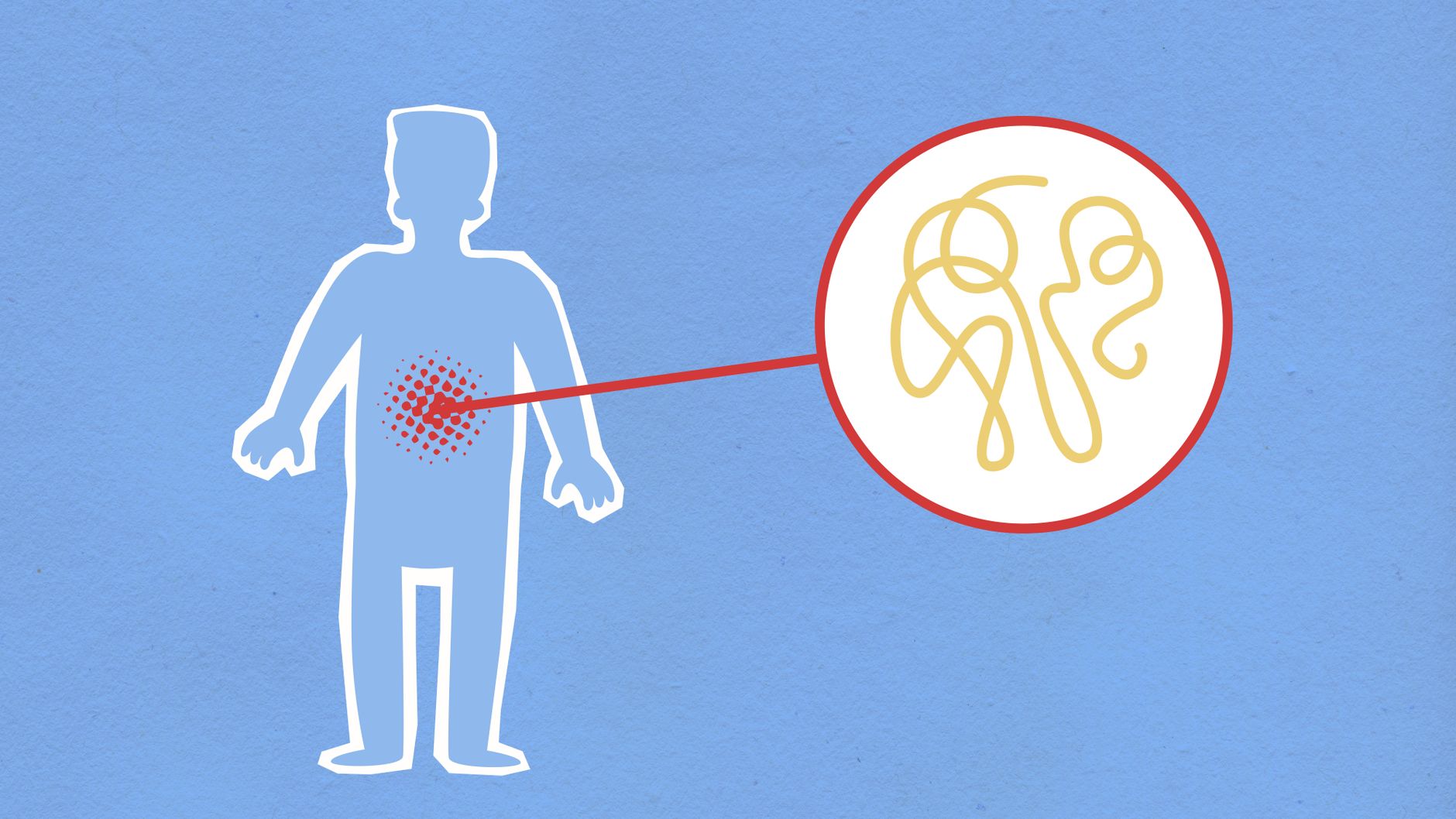
Nausea and Vomiting Heart Attack Symptoms: What to Watch For
The nausea and vomiting associated with a heart attack have certain features that set them apart from ordinary stomach upset. No single feature is conclusive on its own, but a combination should raise your concern immediately.
Symptoms that may point to the heart — not the stomach
- Nausea that comes on suddenly without an obvious dietary cause
- Vomiting that does not bring relief (unlike food poisoning, where vomiting often helps)
- A feeling of "indigestion" or burning in the chest or upper abdomen that antacids do not ease
- Nausea accompanied by any of the following:
- Discomfort, pressure, squeezing, or heaviness in the chest
- Pain spreading to the jaw, left arm, shoulder, or upper back
- Unusual sweating — especially cold, clammy sweating
- Shortness of breath even at rest
- Sudden dizziness or light-headedness
- An overwhelming sense of anxiety or "something is very wrong"
The antacid test — and why it matters
A very common story: a person takes an antacid tablet for what feels like gas or acidity. The discomfort does not go away. They take another. Still no relief. This "antacid test" — when your usual acidity remedy simply does not work — is an important clue that something else may be happening.
Please do not keep waiting for the antacid to work. Seek medical attention promptly.
Who Is Most at Risk of Being Misled by These Symptoms?
Women
Research consistently shows that women are more likely than men to experience nausea, vomiting, jaw pain, and back pain as their primary heart attack symptoms — without the "classic" crushing chest pain. Because these symptoms feel less dramatic, women often wait longer to seek help, which worsens outcomes. If you are a woman with risk factors (diabetes, high blood pressure, smoking, family history of heart disease) and you experience unexplained nausea, please take it seriously.
People with Diabetes
High blood sugar over many years can damage the nerves that carry pain signals from the heart. This condition, called cardiac autonomic neuropathy, means that someone with longstanding diabetes may feel almost no chest pain during a heart attack. Instead, they may only notice nausea, fatigue, or breathlessness. These are sometimes called "silent" heart attacks, and they are more common in diabetics than most people realise.
Older Adults
As we age, our perception of pain can change. An older person may describe their heart attack as "just feeling unwell" or "having an upset stomach" — especially if they also have conditions like hypertension or previous heart disease.

Acidity vs Heart Attack: A Simple Comparison
It can be genuinely difficult to tell them apart in the moment. Here is a simple guide:
| Feature | Likely Acidity / GERD | Possible Heart Attack |
|---|---|---|
| Trigger | After a heavy or spicy meal | At rest, during exertion, or with no clear trigger |
| Location | Behind the breastbone, stomach | Chest, jaw, arm, back, upper abdomen |
| Relieved by antacids? | Usually yes | No — or only briefly |
| Associated symptoms | Burping, sour taste in mouth | Sweating, breathlessness, nausea, dizziness |
| Duration | Comes and goes, often postural | Persistent, lasting more than a few minutes |
| Overall feeling | Uncomfortable | Anxious, unwell, sense of something serious |
Important: This table is a general guide only. When in doubt, always seek medical evaluation. It is always safer to get checked and be reassured than to wait at home.
A Common Illustrative Scenario
Consider a 58-year-old man with known diabetes and mild hypertension who develops what feels like a heavy meal sitting in his stomach after a routine morning walk. He feels mildly nauseous and breaks into a light sweat. He assumes it is acidity and lies down. His wife notices he looks pale and persuades him to go to the hospital. An ECG there reveals an acute heart attack.
This kind of scenario plays out regularly. The message is not to frighten you — it is to remind you that the stomach symptoms were the only warning this person's heart could give, and recognising them made all the difference.
What Should You Do If You Are Unsure?
Act quickly. Do not wait.
Here is a simple action plan:
- Stop what you are doing and sit or lie down in a comfortable position.
- Note the time the symptoms began.
- If you have been prescribed aspirin by a doctor for cardiac risk, follow their guidance.
- Do not drive yourself to the hospital — ask someone to take you, or call an ambulance.
- Go to the nearest emergency facility immediately — do not wait to see if it passes.
- Tell the medical staff: "I have nausea and chest discomfort and I want to rule out a heart problem." A simple ECG takes minutes and can provide crucial information.
Key Takeaways
- Nausea and vomiting heart attack symptoms are real and more common than most people think — especially in women, diabetics, and older adults.
- The heart and stomach share nerve pathways, which is why a blocked coronary artery can feel like an upset stomach.
- If nausea or indigestion does not respond to antacids, comes on suddenly, or is accompanied by sweating, breathlessness, dizziness, or chest discomfort — treat it as a potential cardiac emergency.
- Women are particularly likely to experience atypical symptoms; never dismiss nausea as "just stress" or "just acidity."
- When in doubt, get an ECG first and a diagnosis second — not the other way around.
- Time is heart muscle: the sooner a heart attack is treated, the better the outcome.
The Bigger Picture: Protecting Your Heart in Rajkot
Lifestyle habits — a diet high in refined carbohydrates, sedentary routines, chronic stress, uncontrolled blood pressure and diabetes — all contribute to the rising burden of heart disease in urban Gujarat. Knowing the warning signs is one layer of protection. Regular cardiac check-ups, managing your risk factors, and knowing when to seek help are the others.
Understanding that a heart attack does not always look the way it does in films could, quite simply, save your life or the life of someone you love.
If you or a family member experience unexplained nausea, indigestion, or any combination of the symptoms described above, please do not hesitate to consult a qualified cardiologist promptly. Early evaluation is always the right choice. You are welcome to book a consultation with Dr. Nikhila Pachani, Consultant Interventional Cardiologist in Rajkot, to discuss your cardiac health and risk factors.
Frequently asked questions
- Can a heart attack really feel like indigestion or an upset stomach?
- Yes, absolutely. During a heart attack, the vagus nerve — which connects the brain to the heart and stomach — can be stimulated, causing nausea, vomiting, and a sensation very similar to indigestion or acidity. This is especially common when the lower (inferior) wall of the heart is affected.
- How do I tell the difference between acidity and a heart attack?
- Key differences include: heart-related nausea often comes on suddenly without a dietary trigger, is not relieved by antacids, and is accompanied by symptoms such as sweating, breathlessness, dizziness, or discomfort in the chest, jaw, or arm. Acidity typically follows a heavy meal, produces a sour taste, and usually responds to antacids. When in doubt, seek medical evaluation — an ECG can quickly help clarify the cause.
- Are women more likely to have nausea as a heart attack symptom?
- Yes. Research shows that women are more likely than men to experience nausea, vomiting, jaw pain, and fatigue as their primary heart attack symptoms, often without classic chest pain. Because these symptoms can seem less alarming, women sometimes delay seeking help. Women with cardiac risk factors such as diabetes, hypertension, or a family history of heart disease should be especially vigilant.
- What should I do if I suspect my nausea might be related to my heart?
- Stop activity, sit or lie down, and note when symptoms started. If the nausea is accompanied by chest discomfort, sweating, breathlessness, or dizziness — or if it simply does not pass — go to the nearest emergency facility immediately. Do not drive yourself. Ask for an ECG. Early evaluation is always the safest choice.