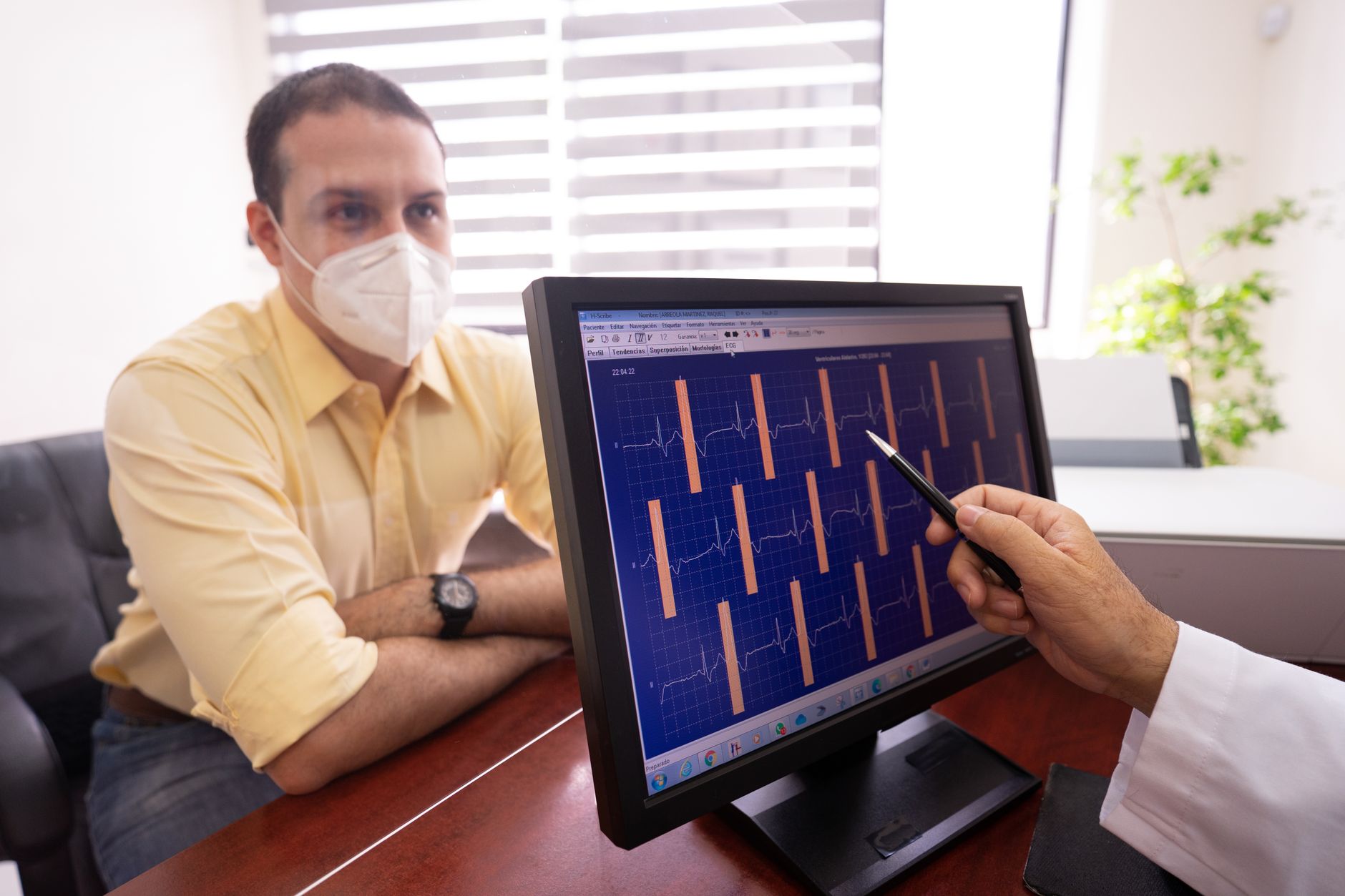
What Is a Nuclear Stress Test?
If your doctor has recommended a nuclear stress test heart scan in India, you may have many questions. What does it involve? Is it safe? Why is it needed when there are other heart tests available? This article answers all of those questions in straightforward language, so you can feel confident and informed before your appointment.
A nuclear stress test — also called Myocardial Perfusion Imaging (MPI) — is a specialised heart scan that shows how well blood flows through your heart muscle. It does this both when your heart is at rest and when it is working harder (under stress). By comparing these two sets of images, a cardiologist can identify areas of the heart that may not be receiving enough blood supply.
Unlike a standard ECG or an ordinary treadmill test, a nuclear stress test provides pictures of the heart muscle itself, making it one of the most informative non-invasive cardiac investigations available today.
How Does It Work?
The test uses a small, safe amount of a radioactive tracer (a special dye that carries a tiny radioactive marker). This tracer is injected into a vein in your arm. It travels through the bloodstream and is absorbed by the heart muscle in proportion to how much blood flow that area is receiving.
A specialised camera called a gamma camera (or SPECT scanner) then takes detailed images of your heart. Areas with good blood flow appear brightly on the scan. Areas where blood flow is reduced or blocked appear darker — acting as an alert for the cardiologist to investigate further.
The test is done in two phases:
- Rest phase: Images taken while you are relaxed
- Stress phase: Images taken after your heart rate is raised — either by walking on a treadmill or, if you cannot exercise, by giving a medication that safely mimics the effect of exercise on the heart
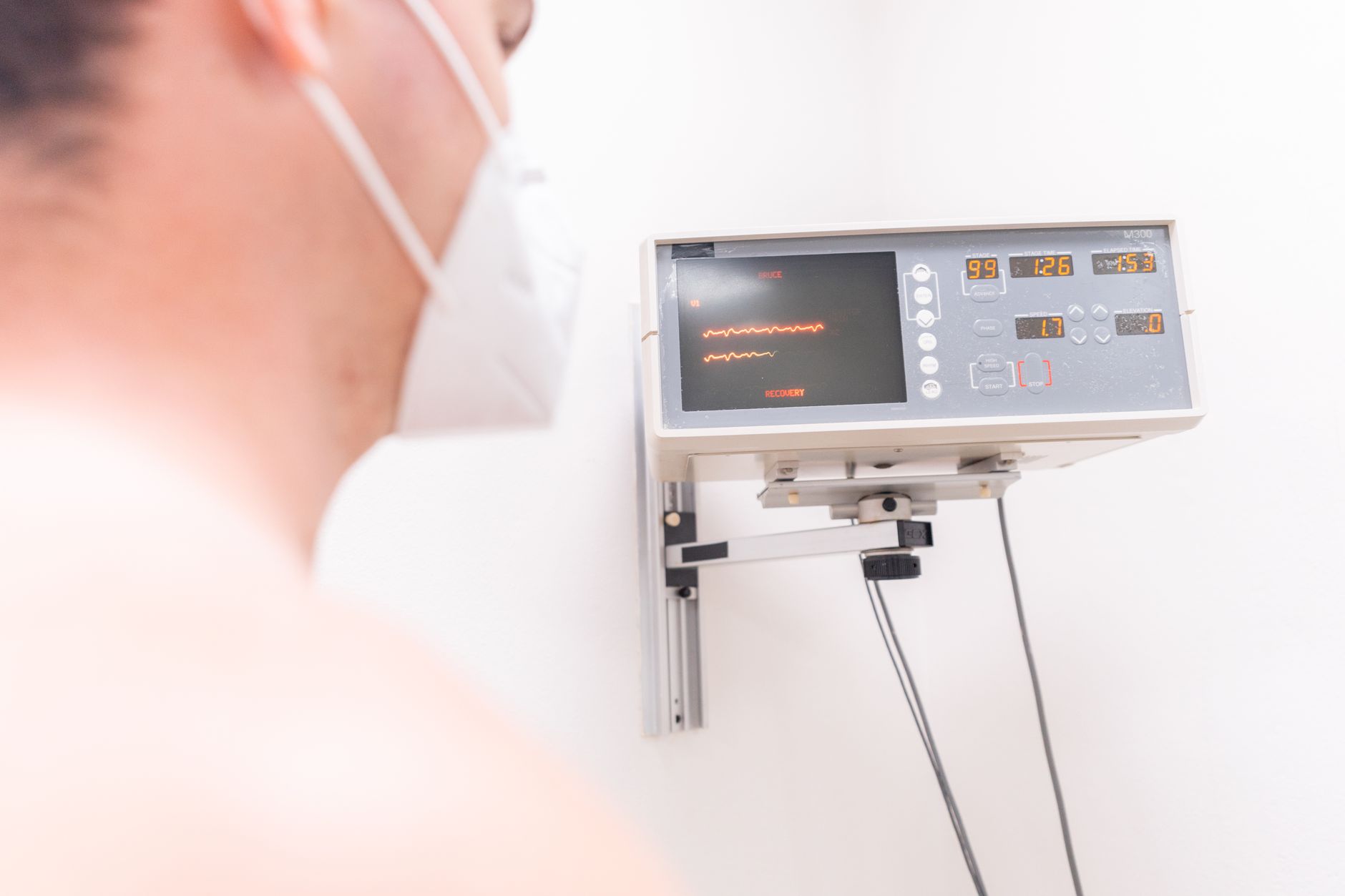
Why Is a Nuclear Stress Test Recommended?
Doctors may recommend this test for several important reasons. Here are the most common ones:
1. To Diagnose Coronary Artery Disease (CAD)
Coronary artery disease happens when fatty deposits (plaques) narrow the arteries that supply blood to the heart. In early stages, these blockages may cause no symptoms at rest but become apparent during physical activity. A nuclear stress test is sensitive enough to detect reduced blood flow during stress even before a heart attack occurs.
2. To Evaluate Chest Pain or Breathlessness
If you experience chest tightness, pressure, or unexplained breathlessness — especially during activity — this test helps determine whether the heart's blood supply is the underlying cause.
3. To Assess Heart Health After a Heart Attack
For someone who has already had a heart attack, the test helps identify which areas of the heart muscle were affected, which have recovered, and which parts may still be at risk.
4. To Check Blood Flow Before or After a Procedure
Before a bypass surgery or coronary angioplasty (stenting), or after one has been done, myocardial perfusion imaging helps assess whether blood flow to the heart muscle has improved.
5. To Assess Risk Before Major Non-Cardiac Surgery
If a patient with known heart disease needs to undergo a major operation (such as joint replacement or abdominal surgery), the nuclear stress test helps the cardiac team evaluate the risk and plan accordingly.
6. To Monitor Known Heart Conditions
For patients already diagnosed with coronary artery disease or those on ongoing treatment, periodic myocardial perfusion imaging helps track whether the condition is stable, worsening, or responding to therapy.

Who Needs This Test? Illustrative Scenarios
To make this clearer, consider these illustrative examples:
- A 55-year-old with diabetes may have blocked arteries without feeling any chest pain — a phenomenon called "silent ischaemia." A nuclear stress test can detect this hidden problem early.
- A 62-year-old who gets breathless climbing stairs but whose ECG appears normal might have areas of reduced heart blood flow that only a myocardial perfusion scan can reveal.
- A 48-year-old recovering from a heart attack may need this scan to check how much heart muscle has recovered and whether further intervention is needed.
These are illustrative scenarios for educational purposes only, not descriptions of real patients.
What Happens on the Day of the Test?
Here is a simple step-by-step overview of what to expect:
- Preparation: You will usually be asked to avoid food, caffeine, and certain medications for a few hours before the test. Your cardiologist's team will give you specific instructions.
- Tracer injection (rest phase): A small amount of radioactive tracer is injected into your vein. You wait quietly for it to be absorbed — usually 30–60 minutes.
- Rest images: You lie still on a scanning table while the gamma camera takes images of your heart. This is comfortable and takes about 15–20 minutes.
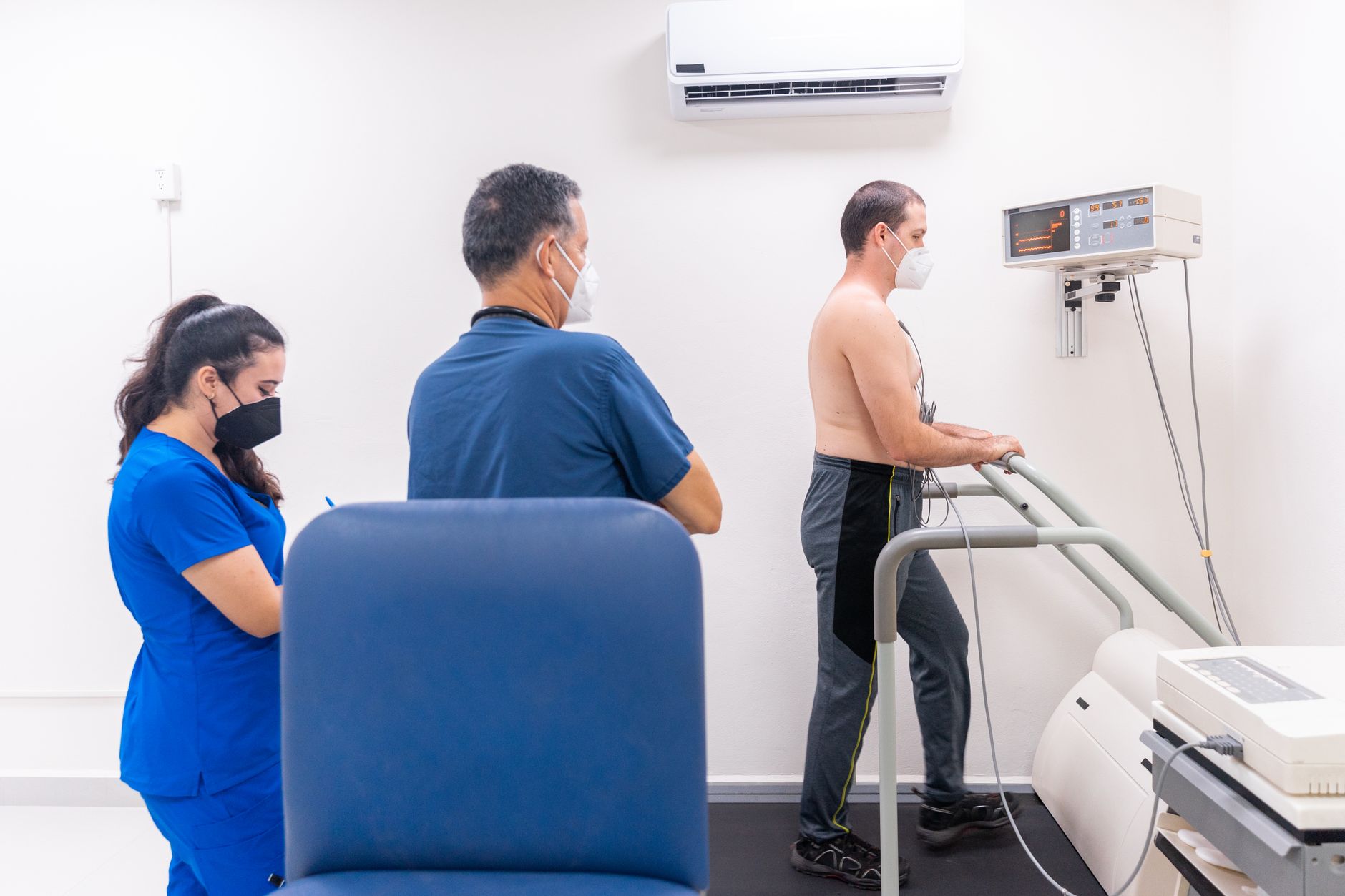
- Stress phase: You either walk on a treadmill or receive a medication to increase your heart rate. At peak stress, another dose of tracer is injected.
- Stress images: More images are taken after the stress phase.
- Review: A nuclear medicine physician and your cardiologist review both sets of images together and provide a detailed report.
The entire procedure typically takes 3–5 hours in total, though most of this time is quiet waiting time, not active testing. You remain awake and comfortable throughout.
Is It Safe?
This is one of the most common concerns patients raise — and understandably so, because the word "radioactive" can sound alarming. Here is the reassuring truth:
- The amount of radiation used is very small — comparable to or even less than some standard X-ray or CT scans.
- The tracer leaves your body naturally within a day or two, mostly through urine.
- Serious reactions to the tracer are extremely rare.
- The test is performed under medical supervision with trained staff and monitoring equipment.
For most patients, including those with diabetes, hypertension, or mild kidney concerns, this test is well-tolerated. Your cardiologist will review your full medical history before recommending it, ensuring it is appropriate for you.
Nuclear Stress Test vs. Other Heart Tests
Patients in India often wonder how the nuclear stress test compares to other options. Here is a simple comparison:
| Test | What It Shows | Limitation |
|---|---|---|
| ECG (resting) | Electrical activity of heart | May miss blood flow problems |
| Treadmill Test (TMT) | Heart's electrical response to exercise | Lower sensitivity; can give unclear results |
| Echocardiogram | Heart structure and wall motion | Does not directly measure blood flow |
| CT Coronary Angiography | Anatomy of coronary arteries | Radiation; may not show functional impact |
| Nuclear Stress Test (MPI) | Blood flow to heart muscle at rest and stress | Requires radioactive tracer; longer procedure |
The nuclear stress test is particularly valuable because it shows not just whether a blockage exists, but how much that blockage is affecting blood flow to the muscle — information that directly guides treatment decisions.
Getting a Nuclear Stress Test in India
Nuclear stress testing is now available at well-equipped cardiac centres across India, including in cities like Rajkot, Gujarat. At Dr. Nikhila Pachani's cardiology practice in Rajkot, patients are guided through the entire process with clear explanations at every step, ensuring they feel informed and at ease.
If you have been advised a nuclear stress test or are experiencing symptoms such as chest discomfort, unusual breathlessness, or palpitations, do not delay seeking a proper cardiac evaluation.
Key Takeaways
- A nuclear stress test (myocardial perfusion imaging) shows blood flow to the heart muscle at rest and during stress.
- It is used to diagnose coronary artery disease, evaluate chest pain, and monitor heart conditions.
- The radioactive tracer used is safe, in a very small dose, and leaves the body quickly.
- The test provides information that an ECG or standard treadmill test cannot — making it a valuable tool in cardiac diagnosis.
- It is available at specialised cardiac centres in India, including in Rajkot, Gujarat.
- The procedure is non-invasive, comfortable, and performed under medical supervision.
If you have been advised a nuclear stress test or have concerns about your heart health, consider speaking with a qualified interventional cardiologist. You are welcome to book a consultation with Dr. Nikhila Pachani in Rajkot to discuss your symptoms and the right investigations for your individual needs.
Frequently asked questions
- Is a nuclear stress test safe?
- Yes. A nuclear stress test uses a very small, safe amount of radioactive tracer — comparable to radiation from a standard CT scan. The tracer passes out of your body naturally within one to two days. The test is conducted under close medical supervision, and serious side effects are extremely rare.
- How long does a nuclear stress test take?
- The full procedure usually takes between 3 to 5 hours, though most of this is quiet waiting time for the tracer to be absorbed. The actual scanning sessions are comfortable and each takes about 15–20 minutes.
- What is the difference between a nuclear stress test and a regular treadmill test?
- A regular treadmill test (TMT) measures the heart's electrical response to exercise and can miss blockages in some patients. A nuclear stress test goes further by producing actual images of blood flow to the heart muscle, making it significantly more sensitive and informative, especially for patients with diabetes or atypical symptoms.
- Do I need to prepare anything before a nuclear stress test in India?
- Yes. You will typically be asked to avoid food and caffeine for several hours before the test, and some medications may need to be paused. Your cardiologist will give you a personalised checklist of instructions to follow before your appointment.