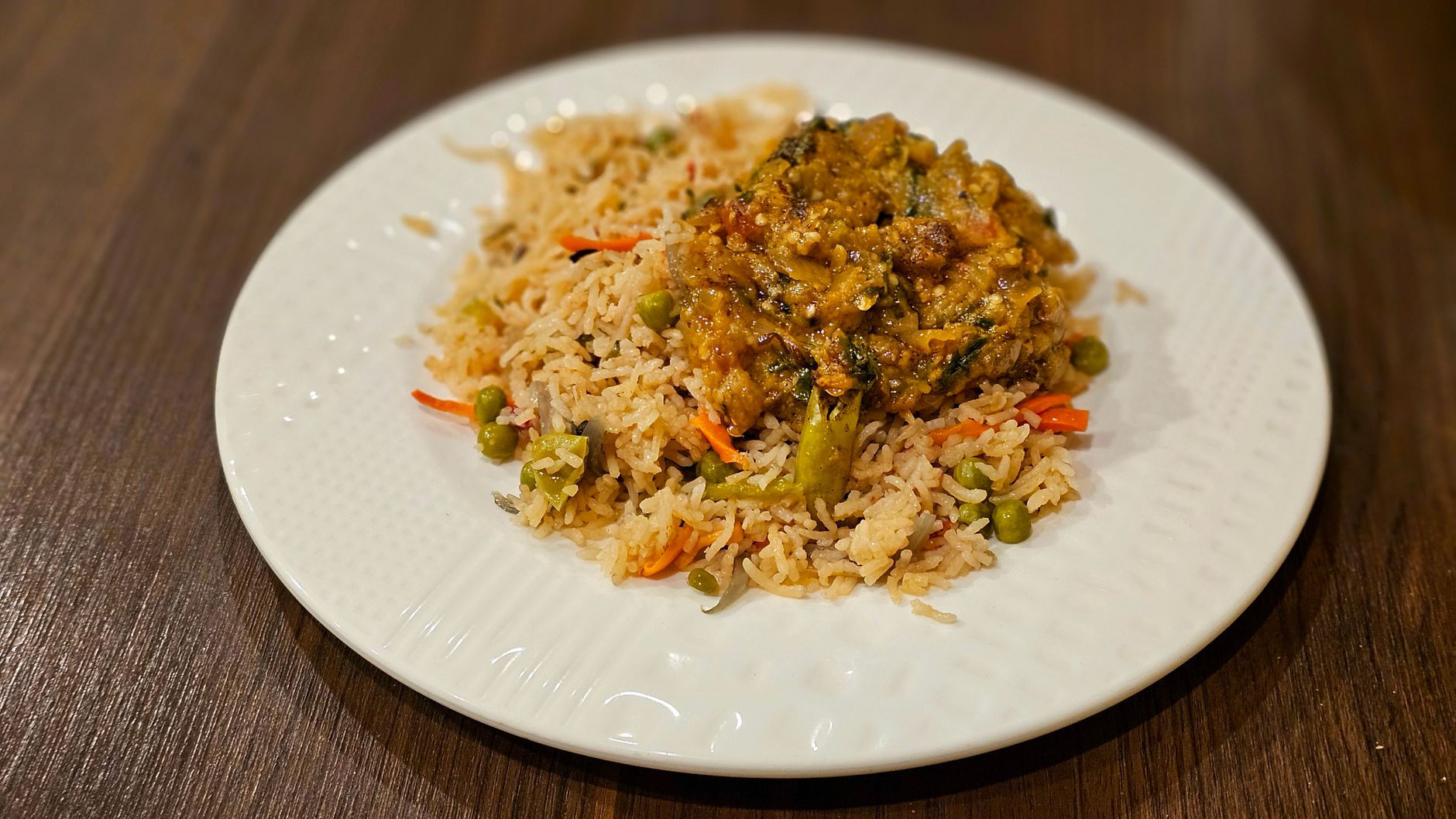
Gujarati cuisine is one of India's most beloved — vibrant, flavourful, and deeply rooted in tradition. From a steaming bowl of dal to a crisp dhokla, every dish carries the warmth of home. But many traditional recipes also carry generous amounts of oil, ghee, and sugar, which — over time — can quietly add up and put extra strain on the heart.
The good news? You do not have to give up the food you love. With a few thoughtful swaps, oil-free Gujarati cooking for a heart-healthy lifestyle is not only possible — it can be just as delicious. At our cardiology clinic in Rajkot, we often see how small changes in the kitchen make a real difference for patients managing cholesterol, blood pressure, or early heart disease.
This guide walks you through practical, everyday swaps that keep the flavours alive while looking after your heart.
Why Does Cooking Oil Matter for Heart Health?
Cooking oil is a concentrated source of fat and calories. Most Indian cooking uses 3–6 teaspoons of oil per meal, sometimes more. Over a day, this adds up fast.
Excessive intake of certain fats — particularly saturated and trans fats — raises LDL ("bad") cholesterol, a key driver of plaque build-up in the arteries. This is one of the main risk factors for heart attacks and strokes.
The goal is not zero fat forever, but to:
- Reduce total cooking oil significantly
- Replace unhealthy fats with better options where needed
- Discover cooking methods that need little or no oil at all
Even reducing oil by half can meaningfully lower your daily calorie intake and improve your lipid profile over months.
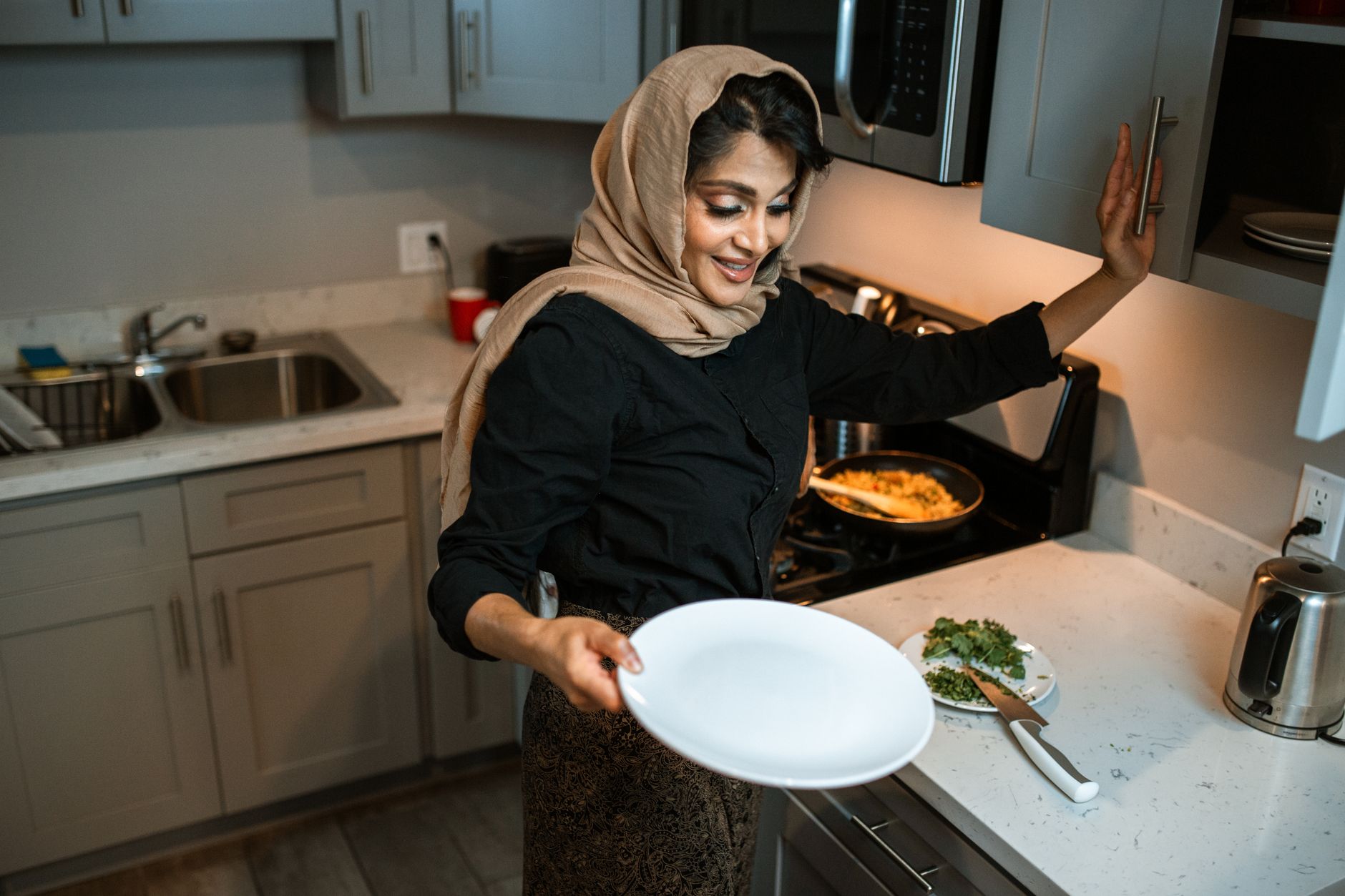
The Gujarati Kitchen: Where Oil Tends to Hide
Before we make swaps, let us look at where cooking oil quietly sneaks in:
- Tadka (tempering): Often the first step — and a generous splash of oil in a hot pan.
- Sautéing onions and tomatoes: Another big user.
- Deep frying: Mathiya, gathiya, chakli, and farsan are Gujarati staples, but deep frying uses enormous amounts of oil.
- Rotli and thepla: Applying ghee or oil while cooking and again while serving adds hidden fat.
- Sweets and mithai: Mohanthal, shiro, and ladoo are often made with substantial ghee.
Awareness is the first step. Once you know where the oil goes, it is much easier to control it.
Practical Heart-Healthy Swaps for Everyday Gujarati Meals
1. Rethink the Tadka
The tadka is sacred in Gujarati cooking — and we are not asking you to skip it. But try these changes:
- Use a non-stick or ceramic pan so that ½ teaspoon of oil does the job of 2 teaspoons in a regular pan.
- Water sauté: Heat 2–3 tablespoons of water in the pan, add mustard seeds and curry leaves, then your onions. The steam does the work.
- Dry roast cumin and mustard seeds in a pan without oil, then add them as a flavour-boost at the end.
You will be surprised — the flavour holds up beautifully with less than half the oil.
2. Steam, Don't Fry — Celebrate Dhokla More Often
Dhokla is one of Gujarati cuisine's greatest gifts to heart-healthy eating. It is steamed, protein-rich, and almost completely oil-free. The same goes for:
- Idada (white dhokla): A filling steamed breakfast with minimal oil.
- Handvo (baked version): Bake in an oven or air fryer instead of pan-frying.
- Muthia: These can be steamed rather than shallow-fried, and are just as satisfying.
Steaming preserves nutrients, keeps food moist, and completely eliminates frying oil. It is one of the smartest things you can do for your heart.
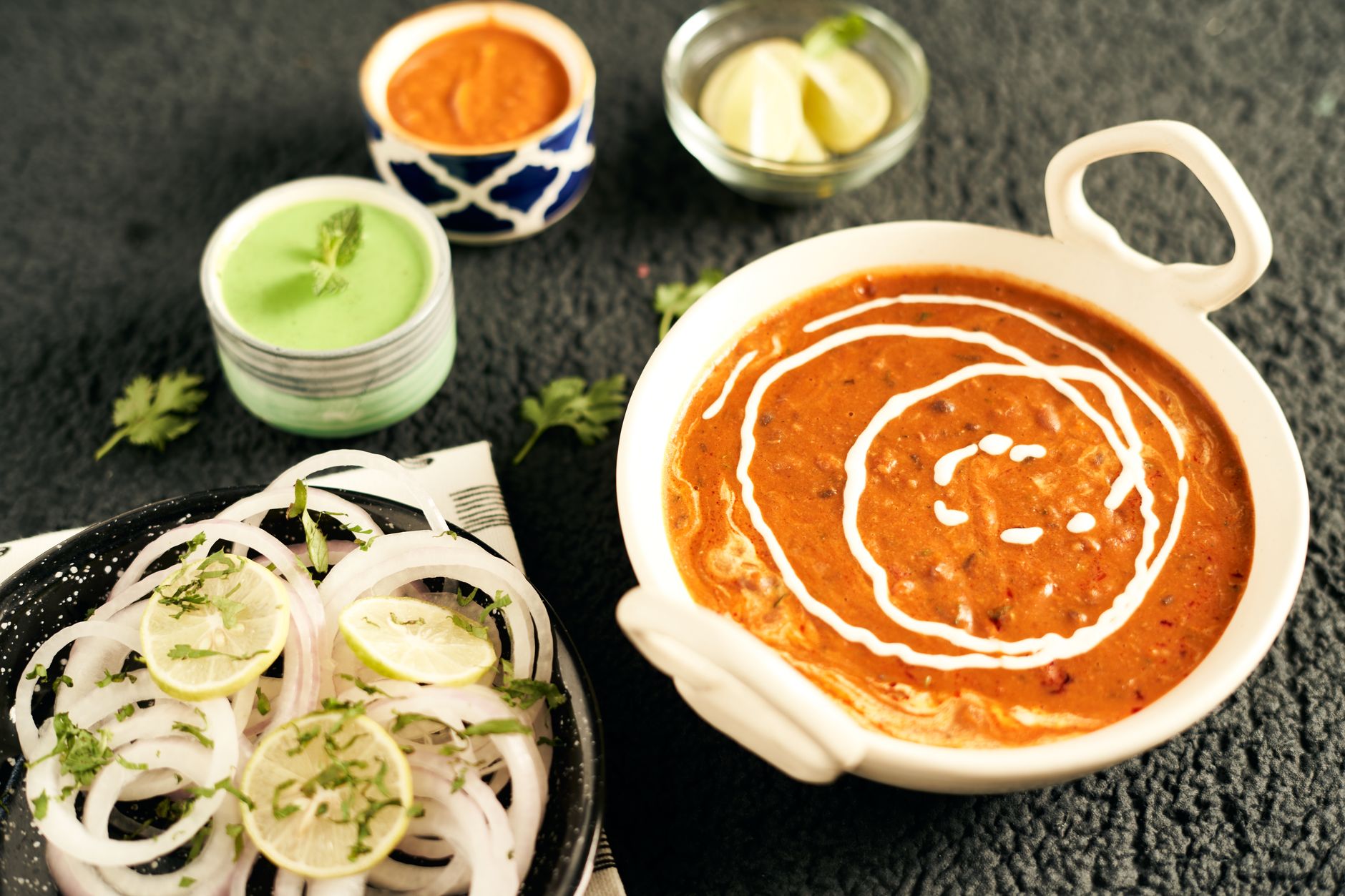
3. Upgrade Your Dal and Shaak
Dal is already a heart-friendly food — it is packed with plant protein, fibre, and minerals. The trick is in the preparation:
- Toor dal, masoor dal, and moong dal are all excellent choices. Cook them well with turmeric, ginger, and tomato for natural flavour.
- Add lemon juice at the end — it brightens flavour and reduces the need for extra oil.
- For shaak (vegetable curries), sauté onion and tomato in a light water base or use a small spray of oil rather than pouring directly from the bottle. An oil spray gives better coverage with far less quantity.
- Increase vegetables: Add spinach, methi (fenugreek), dudhi (bottle gourd), and karela (bitter gourd) — all heart-supportive vegetables popular in Gujarati cooking.
4. Rotli and Thepla: Go Easy on the Ghee
A fresh rotli with a layer of ghee is a deeply comforting part of Gujarati meals. Here is how to enjoy it more mindfully:
- Limit to one small smear of ghee (about ¼ teaspoon) per rotli, rather than a full teaspoon.
- Switch to a dry tawa: Cook rotli on a well-seasoned tawa without any oil or ghee — then apply a tiny amount on your plate if needed.
- For thepla: The dough itself can be made with just 1–2 teaspoons of oil for the whole batch (12–15 pieces), rather than per piece. Add methi generously — it is wonderful for blood sugar and cholesterol.
5. Air Fry or Bake Your Farsan
We know — Gujarati life without farsan feels incomplete. But deep frying uses 10–15 times more oil than the food actually absorbs. Some smart alternatives:
- Air fryer mathiya or chakli come out with a satisfying crunch using just a light spray of oil.
- Baked gathiya: Less traditional, but a reasonable heart-friendly version for everyday snacking.
- Roasted chana and makhana (fox nuts) make excellent crispy snacks with near-zero oil.
Reserve deep-fried farsan for festivals and special occasions — not everyday snacking.
6. Heart-Healthy Swaps at a Glance
Key takeaways:
- ✅ Use a non-stick pan and measure your oil — never pour freely from the bottle
- ✅ Try water-sautéing for tadka and onions — it works better than you think
- ✅ Steam dhokla, muthia, and handvo instead of frying
- ✅ Increase dal, legumes, and vegetables in every meal
- ✅ Limit ghee on rotli to ¼ teaspoon or less per piece
- ✅ Air fry or bake farsan for everyday snacking; deep fry only occasionally
- ✅ Use lemon juice, ginger, and fresh herbs to build bold flavour without extra fat
- ✅ Cook in smaller batches so food stays fresh — this reduces the temptation to add oil to reheat
What About Healthy Oils? Is Some Oil Okay?
Yes — not all fat is harmful. The heart actually needs small amounts of healthy unsaturated fat. When you do use oil, choose wisely:
- Cold-pressed groundnut oil (a traditional Gujarati favourite) — acceptable in moderate amounts
- Mustard oil — a reasonable choice with a good fat profile
- Extra virgin olive oil — good for salad dressings or low-heat cooking
- Avoid vanaspati (hydrogenated vegetable fat) — high in trans fats, harmful to the heart
- Limit coconut oil — high in saturated fat; best used very sparingly
The key word across all options is moderation. Aim for no more than 3–4 teaspoons of added fat per person per day, as generally recommended by Indian dietary guidelines.
A Note on Portion Size and the Whole Plate
Oil-free cooking is most effective when part of a broader heart-healthy eating pattern. In our Rajkot clinic, we encourage patients to think of the whole plate:
- Half the plate: Vegetables and salad
- Quarter of the plate: Dal or protein (legumes, low-fat paneer, egg white)
- Quarter of the plate: Whole grains (bajra rotli, jowar bhakri, brown rice)
Smaller portions of sweets, occasional use of healthy oils, and plenty of water and physical activity complete the picture.
Small Steps, Real Results
A 55-year-old person who replaces deep-fried snacks with steamed snacks and cuts oil in daily cooking from 6 teaspoons to 2 teaspoons may, over several months, see meaningful improvements in their LDL cholesterol and body weight — without any drastic change to the food they enjoy. These are the kinds of simple, sustainable shifts that add up to a healthier heart.
You do not have to cook a completely different cuisine. Gujarati food, at its heart, is already built around legumes, vegetables, fermented foods, and whole grains — all wonderful for cardiovascular health. It is the method of preparation that often needs the gentle adjustment.
If you have been diagnosed with high cholesterol, heart disease, or high blood pressure, personalised dietary guidance is an important part of your care. We invite you to book a consultation with Dr. Nikhila Pachani, Consultant Interventional Cardiologist in Rajkot, to discuss a heart-healthy plan that fits your lifestyle and your family's kitchen.
Frequently asked questions
- Can I follow a completely oil-free diet for heart health?
- A very low-oil diet can benefit heart health, but the body does need small amounts of healthy fats for essential functions. The goal is to significantly reduce cooking oil — especially unhealthy fats — rather than eliminating all fat entirely. Speak with your cardiologist or a registered dietitian for personalised guidance.
- Which cooking oil is best for someone with heart disease in India?
- Cold-pressed groundnut oil, mustard oil, and olive oil are generally considered better choices due to their unsaturated fat content. Vanaspati (hydrogenated fat) and excessive coconut oil are best avoided. The total quantity used matters as much as the type — aim for no more than 3–4 teaspoons of added fat per day.
- Is Gujarati food good for heart health?
- Gujarati cuisine has many heart-friendly elements — steamed snacks like dhokla, fibre-rich dals, and plenty of vegetables. However, some preparations involve deep frying, excess oil in tadka, and sugary dishes. With simple swaps in cooking method and portion size, Gujarati food can absolutely be part of a heart-healthy lifestyle.
- How can I reduce oil in dal and sabzi without losing flavour?
- You can water-sauté onions and tomatoes, dry-roast spices, use a non-stick pan with just ½ teaspoon of oil for tempering, and add flavour through lemon juice, ginger, garlic, and fresh herbs. These techniques preserve the aroma and taste of traditional Gujarati cooking while significantly reducing the fat content.