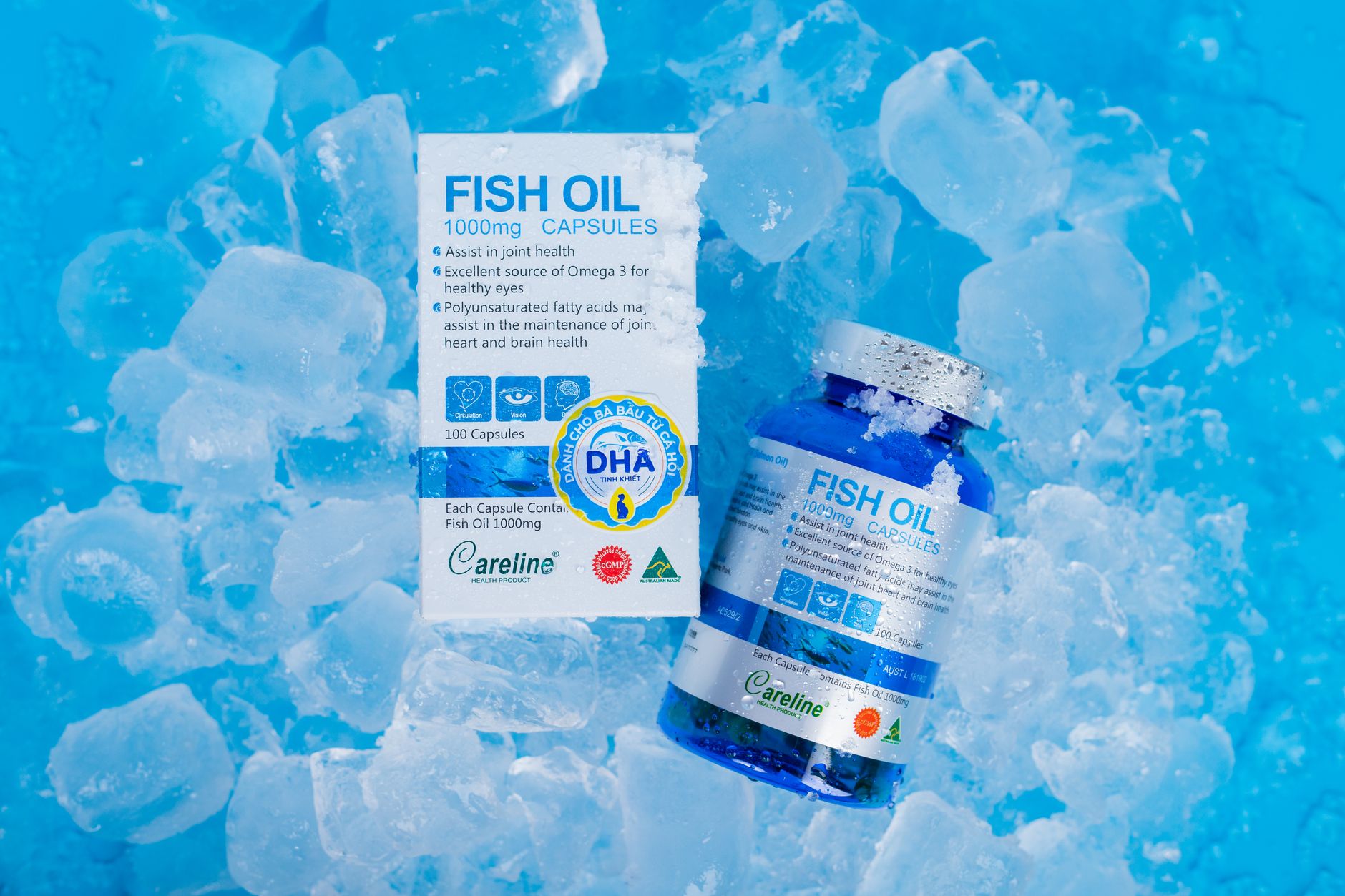
If you walk into any pharmacy in Rajkot — or anywhere in India — you will find shelves lined with fish oil capsules promising a healthier heart. Many patients ask Dr. Nikhila Pachani the same question during consultations: "Doctor, should I take omega-3 supplements?" The honest answer is nuanced, and this article will walk you through what the current evidence actually says — without hype, and without unnecessary alarm.
What Are Omega-3 Fatty Acids?
Omega-3 fatty acids are a family of polyunsaturated fats that our body cannot make on its own. We must get them from food or supplements. The three most important types are:
- ALA (Alpha-linolenic acid) — Found in flaxseeds (alsi), walnuts, and mustard oil. The plant-based form.
- EPA (Eicosapentaenoic acid) — Found mainly in oily fish and fish oil supplements. Strongly linked to heart and anti-inflammatory effects.
- DHA (Docosahexaenoic acid) — Also found in oily fish. Critical for brain function and also important for the heart.
EPA and DHA are the forms that most heart-health research focuses on. When people talk about omega-3 fish oil heart health in India, they are largely talking about EPA and DHA.
Why Are Indians Especially Worth Discussing Here?
Indians — including those in Gujarat — face a higher-than-average risk of cardiovascular disease compared to many Western populations, often developing heart disease a decade earlier. At the same time, the traditional Indian diet has been shifting: more processed foods, refined carbohydrates, and less of the omega-3-rich foods our grandparents ate.
Many Indians are vegetarian (especially in Gujarat), which means dietary EPA and DHA intake is very low, since ALA from plant foods converts to EPA and DHA only in small, inefficient amounts in the body. This makes the omega-3 conversation particularly relevant for us.

What Does the Heart Benefit from Omega-3s?
Decades of research point to several ways omega-3 fatty acids support cardiovascular health:
1. Lowering Triglycerides
This is the most well-established benefit. High triglyceride levels are a significant risk factor in Indian populations (partly driven by high carbohydrate intake and refined sugars). EPA and DHA can meaningfully reduce triglyceride levels — sometimes by 20–30% at higher doses. This is so well-proven that a prescription-strength omega-3 medication (icosapentaenoic acid, or EPA) is approved in several countries specifically for high triglycerides.
2. Reducing Inflammation
Chronic, low-grade inflammation plays a key role in the development of atherosclerosis (plaque build-up in arteries). Omega-3s help shift the body's chemistry toward less inflammation — not like a painkiller, but gently and over time.
3. Heart Rhythm Support
Some evidence suggests omega-3s may help stabilise the electrical activity of the heart, potentially reducing the risk of certain arrhythmias (abnormal heart rhythms). However, this area of research is still evolving.
4. Blood Pressure
Regular omega-3 intake is associated with a modest reduction in blood pressure. While this effect is not dramatic on its own, every small step toward lower blood pressure adds up over a lifetime.
5. Plaque Stability
Emerging research suggests EPA (specifically) may help make existing arterial plaques less likely to rupture — a key event that causes heart attacks. The landmark REDUCE-IT trial showed that high-dose purified EPA significantly reduced major cardiovascular events in people already on statins with elevated triglycerides.
But Wait — What About the Conflicting Studies?
Good science always has nuance. Several large trials of standard-dose fish oil supplements (1 gram/day) showed little to no benefit in reducing heart attacks or strokes in the general population. Here is how to make sense of this:
- Dose matters. The REDUCE-IT trial used 4 grams/day of purified EPA — far more than a typical over-the-counter supplement.
- Who takes it matters. People with already-elevated triglycerides and existing heart disease showed greater benefit than the general population.
- Quality matters. Many over-the-counter fish oil supplements are low in actual EPA+DHA content, and some have oxidation (rancidity) issues that may partially offset benefits.
- Diet context matters. In populations already eating lots of oily fish (like some coastal communities), adding supplements on top may show less additional benefit.
The takeaway: fish oil is not a magic tablet for everyone, but it is also not useless. For the right person, at the right dose, it can make a real difference.

Food First: Best Dietary Sources of Omega-3 for Indians
Before reaching for a supplement, consider whether you can increase omega-3s through food. Here are practical options that work well for Indian households:
For non-vegetarians:
- Rohu, sardines (pedvey), mackerel (bangda), and hilsa (hilsa/ilish) are among the richest Indian fish sources of EPA and DHA.
- Aim for 2–3 servings of oily fish per week.
For vegetarians and vegans:
- Flaxseeds (alsi) — grind them and add to roti dough or dal. 1 tablespoon daily is a good start.
- Walnuts — a small handful daily.
- Mustard oil — already widely used in many Indian kitchens and a reasonable ALA source.
- Algae-based omega-3 supplements — these provide EPA and DHA directly from algae (where fish get it from in the first place), making them a fully plant-based and equally effective option.
Who Might Benefit from Omega-3 Supplements?
Based on current evidence, supplements may be worth discussing with your cardiologist if you:
- Have high triglycerides (especially above 500 mg/dL) despite dietary changes
- Have established heart disease and are already on standard medications
- Are vegetarian or vegan and unable to meet omega-3 needs through food
- Have high cardiovascular risk as assessed by your doctor
This is not a list where you tick a box and start pills on your own. It is a conversation to have with a qualified cardiologist who knows your full medical history.
Practical Advice on Fish Oil Supplements
If your doctor does recommend a supplement, here is what to look for:
- Check the label for EPA + DHA content, not just "fish oil" content. A 1,000 mg capsule may only contain 300 mg of actual EPA+DHA.
- Look for third-party quality certifications (e.g., IFOS, USP, or similar) to ensure purity and freshness.
- Store them properly — in a cool, dark place. Rancid fish oil is not only unpleasant but may lose its benefit.
- Take with meals to improve absorption and reduce the "fishy burp" effect.
- Do not self-prescribe high doses. Very high doses can increase bleeding risk and may interact with blood thinners like aspirin or warfarin.

Key Takeaways
- Omega-3 fatty acids — especially EPA and DHA from fish and fish oil — have genuine, evidence-backed cardiovascular benefits, particularly for lowering triglycerides.
- The evidence is strongest for people with high triglycerides or existing heart disease, not necessarily for everyone taking a standard low-dose supplement.
- Indians face a unique risk profile: earlier onset of heart disease, dietary shifts away from traditional foods, and — especially in Gujarat — a largely vegetarian population with low EPA/DHA intake.
- Food first: fatty fish, flaxseeds, walnuts, and algae-based supplements are all valuable sources.
- Supplements should be discussed with your cardiologist — dose, purity, and your individual health profile all matter.
- Omega-3s work best as part of a heart-healthy lifestyle: a balanced diet, regular physical activity, not smoking, and managing blood pressure and blood sugar.
Heart health is never about one tablet or one food. It is about consistent, informed choices — made with the right guidance. If you have questions about your triglycerides, your cardiovascular risk, or whether omega-3 supplements make sense for you, consider booking a consultation with a qualified cardiologist who can review your individual profile and give you a personalised plan.
Frequently asked questions
- Are omega-3 fish oil supplements safe for everyone in India?
- Omega-3 supplements are generally well-tolerated, but they are not suitable for everyone at every dose. People on blood-thinning medications, those with fish allergies, or those with certain liver conditions should consult a doctor first. Very high doses can increase bleeding risk. Always speak to your cardiologist before starting any supplement.
- Can vegetarians in India get enough omega-3 for heart health?
- Vegetarians can get ALA (the plant form of omega-3) from flaxseeds, walnuts, and mustard oil. However, the body converts ALA to EPA and DHA only in small amounts. Algae-based EPA/DHA supplements are an excellent plant-based option and provide the same heart-relevant forms of omega-3 found in fish.
- How much fish oil should I take for my heart?
- The right dose depends on why you are taking it. For general health, 1 gram of EPA+DHA per day is commonly discussed, but therapeutic doses for high triglycerides can be 2–4 grams per day — and should only be taken under medical supervision. Do not self-prescribe higher doses without consulting your cardiologist.
- Is eating fish better than taking fish oil capsules?
- For most people, getting omega-3s through whole fish is preferable — you also benefit from protein, vitamins, and minerals. However, supplements can be a practical and effective alternative when dietary intake is insufficient, or for those who are vegetarian. Your doctor can help you decide the right approach for your situation.