
If your cholesterol has stayed stubbornly high despite taking statins, or if you cannot tolerate statins at all, you may have heard your cardiologist mention a newer type of medicine — PCSK9 inhibitors. These are injectable medicines given once every two to four weeks, and they can lower "bad" LDL cholesterol dramatically. In this article, we will explain what PCSK9 inhibitors are, how they work, who qualifies for them, and what patients across India — including here in Rajkot — should know before considering this option.
What Is LDL Cholesterol and Why Does It Matter?
LDL (Low-Density Lipoprotein) is often called "bad" cholesterol because high levels of it gradually build up as fatty plaques inside the walls of your arteries. Over time, these plaques can narrow the arteries, reduce blood flow to the heart, and significantly raise the risk of a heart attack or stroke.
For many people, a combination of a healthy diet, regular physical activity, and statin medicines (such as atorvastatin or rosuvastatin) is enough to bring LDL under control. But for a significant group of patients — including those with genetic conditions or established heart disease — LDL remains dangerously high even with the strongest doses of the strongest statins. This is exactly where PCSK9 inhibitor injections step in.
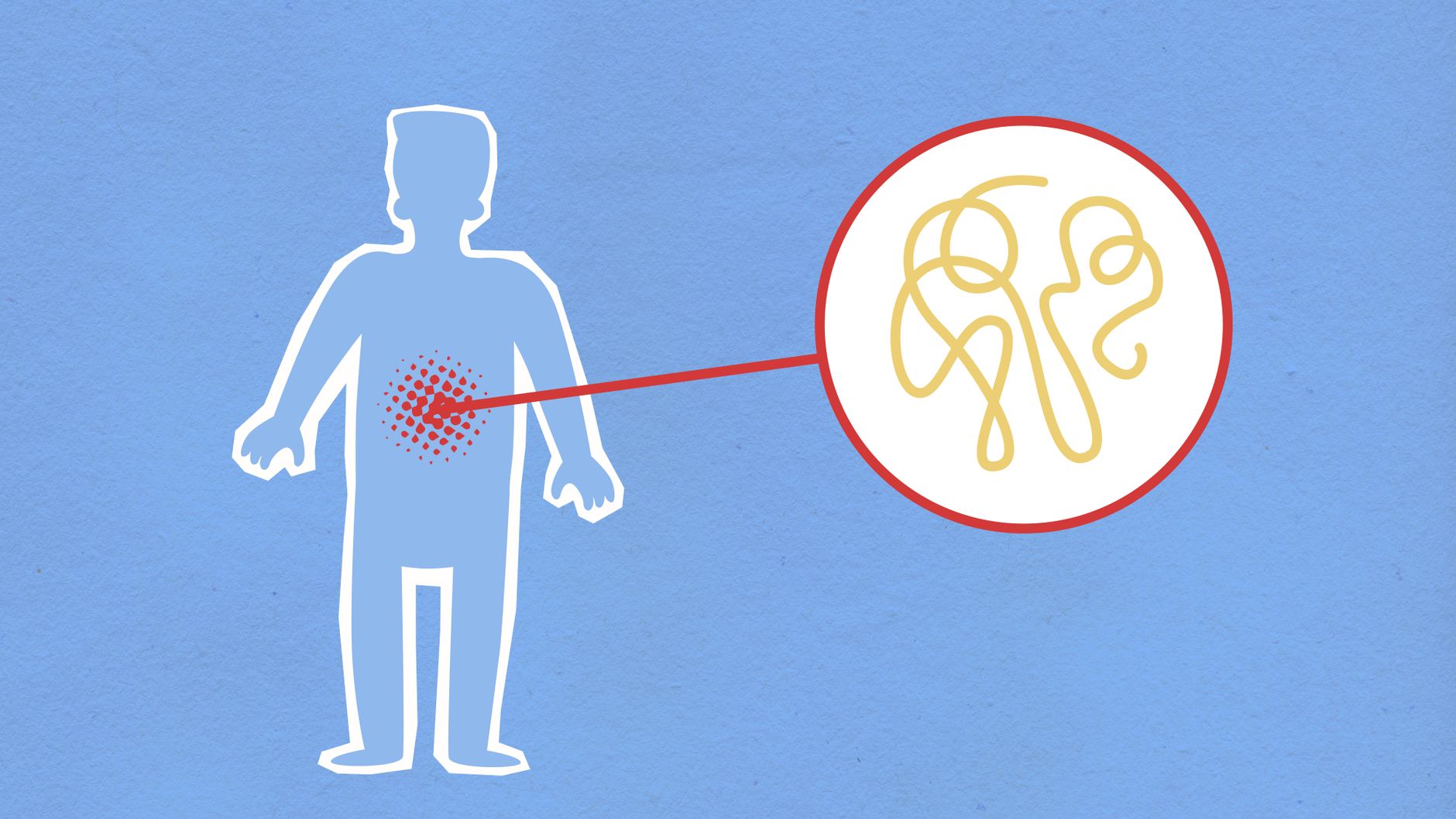
Understanding PCSK9 — The Protein That Raises Your LDL
To understand how these medicines work, it helps to know a little biology.
Your liver is the main organ that removes LDL from your blood. It does this using special "docking stations" on its surface called LDL receptors. Think of each receptor as a hand that reaches out, grabs LDL particles from the bloodstream, and pulls them inside the liver to be broken down.
Here is the problem: there is a protein called PCSK9 (Proprotein Convertase Subtilisin/Kexin type 9) that destroys these LDL receptors. The more PCSK9 your liver makes, the fewer receptors you have, and the more LDL stays floating in your blood — raising your risk.
PCSK9 inhibitors are antibody medicines (called monoclonal antibodies) that block the PCSK9 protein. When PCSK9 is blocked, your LDL receptors survive longer and work harder. The result? Your liver clears far more LDL from your blood, and your levels can drop by 50–65% compared with statins alone, according to major clinical trials.
Which PCSK9 Inhibitors Are Available?
Two PCSK9 inhibitors are most widely used and clinically studied worldwide, and both are available in India:
- Evolocumab (brand name: Repatha) — given as a subcutaneous injection once a month (140 mg) or once every two weeks (140 mg).
- Alirocumab (brand name: Praluent) — given every two weeks (75 mg or 150 mg) or once a month (300 mg).
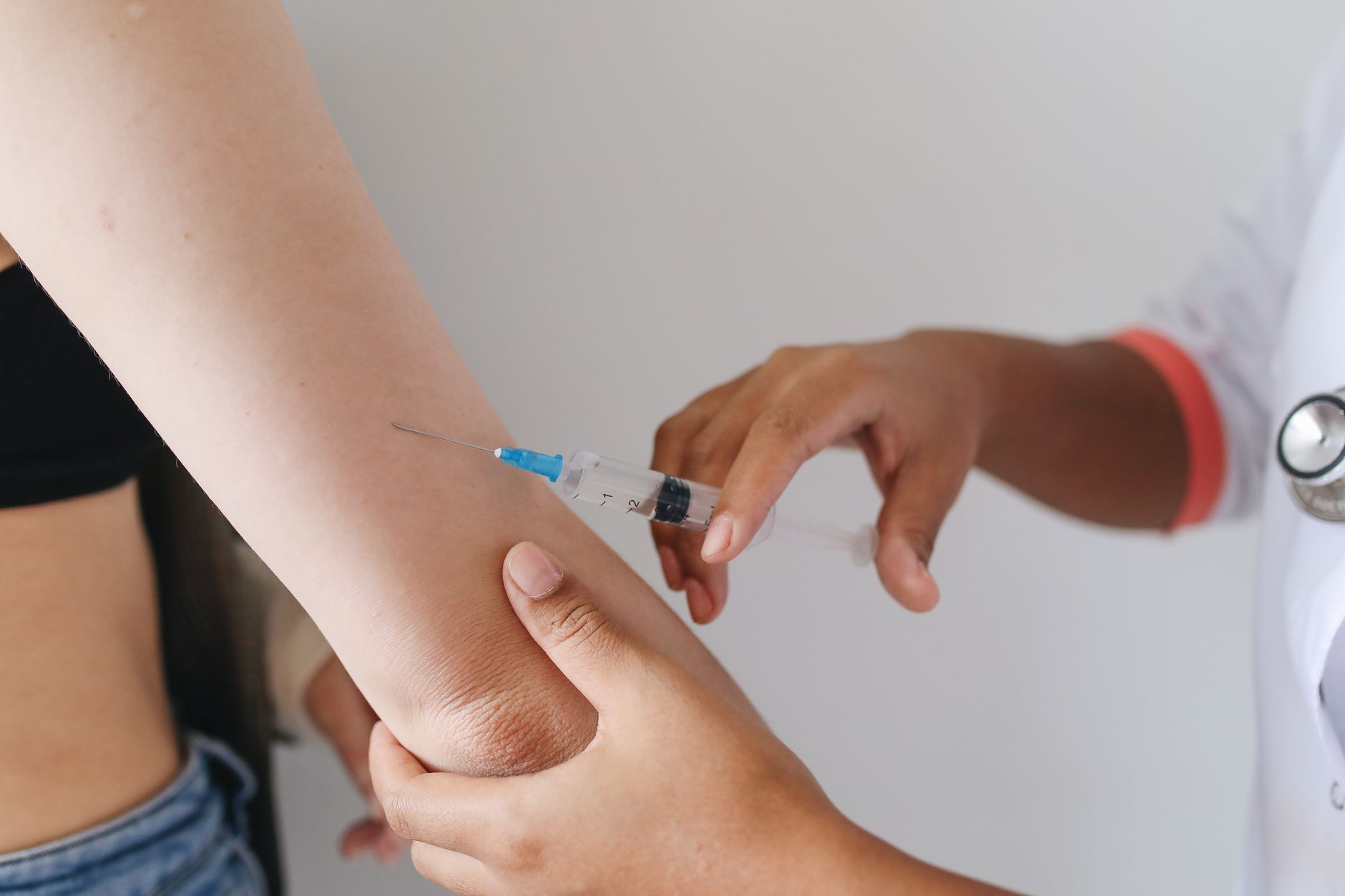
Both come in easy-to-use auto-injector pens, similar to insulin pens used by people with diabetes. After a brief training session, many patients can administer the injection themselves at home.
Who Qualifies for a PCSK9 Inhibitor Injection?
Not everyone with high cholesterol needs a PCSK9 inhibitor. These medicines are generally recommended for specific groups of patients. Your cardiologist will assess your full lipid profile, medical history, and cardiovascular risk before making a recommendation. Broadly, the candidates include:
1. Patients with Familial Hypercholesterolemia (FH)
Familial hypercholesterolemia is an inherited condition where the body produces abnormally high levels of LDL from birth. Patients with FH — especially the more severe homozygous FH — often cannot reach safe LDL targets with statins alone. PCSK9 inhibitors have shown strong results in this group.
2. Patients with Established Cardiovascular Disease
If you have already had a heart attack, undergone angioplasty (stenting), bypass surgery, or been diagnosed with peripheral artery disease or stroke, you are in a very high-risk category. Guidelines recommend an LDL target of below 55 mg/dL for such patients. If statins cannot get you there, a PCSK9 inhibitor may be advised.
3. Patients Who Are Statin-Intolerant
Some patients develop significant muscle pain or other side effects with statins that prevent them from taking an adequate dose. If multiple statins have been tried at the lowest doses and still cause problems, PCSK9 inhibitors offer an important alternative since their mechanism of action is entirely different.
4. Patients on Maximally-Tolerated Statin Therapy Who Still Miss Their Target
Even on the highest tolerated dose of a high-intensity statin (often combined with ezetimibe), some patients — particularly those with diabetes, chronic kidney disease, or multiple risk factors — still cannot reach their LDL goal. Adding a PCSK9 inhibitor can bridge that gap effectively.
Illustrative example: A 58-year-old might arrive for a follow-up in Rajkot with an LDL of 140 mg/dL even after taking rosuvastatin 40 mg and ezetimibe daily for two years, following a stent procedure for a heart attack. In such a scenario, a cardiologist would typically discuss PCSK9 inhibitor therapy as the next step in managing cardiovascular risk.
Key Takeaways
- PCSK9 is a protein that destroys the liver's LDL receptors; blocking it allows more LDL to be cleared from the blood.
- PCSK9 inhibitors (evolocumab, alirocumab) are injectable medicines given every 2–4 weeks that can cut LDL by 50–65% on top of statin therapy.
- They are not a first-line treatment for everyone — they are reserved for high-risk patients who need deeper LDL lowering.
- Main candidates are people with familial hypercholesterolemia, established heart disease, statin intolerance, or uncontrolled LDL despite maximum therapy.
- Both medicines are available in India and can often be self-administered at home after training.
- Side effects are generally mild; the most common are injection-site reactions and occasional flu-like symptoms.
- Cost and access remain a consideration in India, and your cardiologist can guide you on whether your situation warrants this option.
What to Expect: Safety and Side Effects
PCSK9 inhibitors have been studied in large clinical trials involving tens of thousands of patients — most notably the FOURIER trial (evolocumab) and the ODYSSEY OUTCOMES trial (alirocumab). Both trials showed significant reductions in heart attacks, strokes, and cardiovascular deaths in high-risk patients.
Common side effects are generally mild and include:
- Redness, mild swelling, or itching at the injection site
- Occasional cold or flu-like symptoms
- Mild joint aches (uncommon)
Serious side effects are rare. Unlike statins, PCSK9 inhibitors are not associated with muscle pain, making them particularly valuable for statin-intolerant patients.

What About Cost and Access in India?
This is an honest and important conversation to have. PCSK9 inhibitor injections are significantly more expensive than statins. In India, the monthly cost can range from several thousand to over ten thousand rupees, depending on the brand and dosage. However:
- Prices have been declining as more manufacturers enter the market.
- Some hospitals and specialty clinics in cities like Rajkot, Ahmedabad, and Mumbai have access to patient assistance or support programmes.
- For patients with familial hypercholesterolemia or very high cardiovascular risk, the clinical benefit can be substantial enough to justify the investment, especially when weighed against the cost of a repeat hospitalisation for a heart attack.
Your cardiologist can help you weigh the clinical need against the financial practicality, and explore all available options including ezetimibe combination therapy as a more affordable stepping stone.
Lifestyle Still Matters
Even with a highly effective medicine like a PCSK9 inhibitor, lifestyle habits remain the foundation of heart health. A heart-friendly diet low in saturated and trans fats, at least 30 minutes of moderate physical activity most days of the week, not smoking, and managing blood pressure and blood sugar are essential partners to any medication.
Medicines lower your numbers; habits protect your heart for life.
The Bottom Line
PCSK9 inhibitor injections represent a meaningful advance in lipid management, particularly for patients who have not been able to reach their LDL goals through statins and lifestyle changes alone. They are not for everyone, but for the right patient — someone with familial hypercholesterolemia, established heart disease, statin intolerance, or persistently high LDL despite maximum therapy — they can make a very real difference in reducing the risk of a heart attack or stroke.
If you think you might be a candidate, the most important next step is an open conversation with your cardiologist, who can review your complete lipid panel, cardiovascular history, and treatment history to decide what is right for you.
If you have concerns about your cholesterol levels or cardiovascular risk, consider booking a consultation with a qualified interventional cardiologist who can guide you with a personalised, evidence-based approach to your heart health.
Frequently asked questions
- What is a PCSK9 inhibitor injection and how does it lower cholesterol?
- A PCSK9 inhibitor is a monoclonal antibody medicine given as a subcutaneous (under-the-skin) injection every two to four weeks. It works by blocking the PCSK9 protein, which normally destroys the LDL receptors in your liver. With more receptors active, your liver can remove much more LDL ('bad' cholesterol) from your bloodstream — often reducing LDL by 50–65% on top of statin therapy.
- Who is eligible for PCSK9 inhibitor therapy in India?
- PCSK9 inhibitors are generally recommended for patients with familial hypercholesterolemia (an inherited high-cholesterol condition), those who have had a heart attack, angioplasty, bypass surgery, or stroke and still have high LDL, patients who cannot tolerate statins due to side effects, and people whose LDL remains above target despite maximum doses of statins and ezetimibe. A cardiologist assesses each patient individually before recommending this treatment.
- Are PCSK9 inhibitors safe, and what are the common side effects?
- Large clinical trials involving tens of thousands of patients have shown PCSK9 inhibitors to be generally safe. The most common side effects are mild injection-site reactions such as redness or slight swelling. Unlike statins, they are not associated with muscle pain. Serious side effects are rare. Your cardiologist will review your full medical history to confirm suitability.
- How much do PCSK9 inhibitor injections cost in India, and are they worth it?
- In India, the monthly cost of PCSK9 inhibitor injections can range from a few thousand to over ten thousand rupees depending on the brand and dose, making them more expensive than standard statin therapy. However, for high-risk patients — such as those with familial hypercholesterolemia or established heart disease who cannot reach their LDL target otherwise — the reduction in the risk of heart attack and stroke can justify the cost. Some manufacturers also offer patient support programmes. Discuss the options with your cardiologist to find the right balance for your situation.