What Is Peripheral Artery Disease?
Most people have heard of blocked arteries causing heart attacks. But arteries can become narrow or blocked in other parts of the body too — and one of the most common places is the legs. This condition is called peripheral artery disease (PAD).
PAD happens when fatty deposits called plaque build up inside the walls of arteries that carry blood to your legs and feet. Over time, this narrows the arteries and reduces blood flow. Your leg muscles and tissues then struggle to get the oxygen-rich blood they need — especially during physical activity.
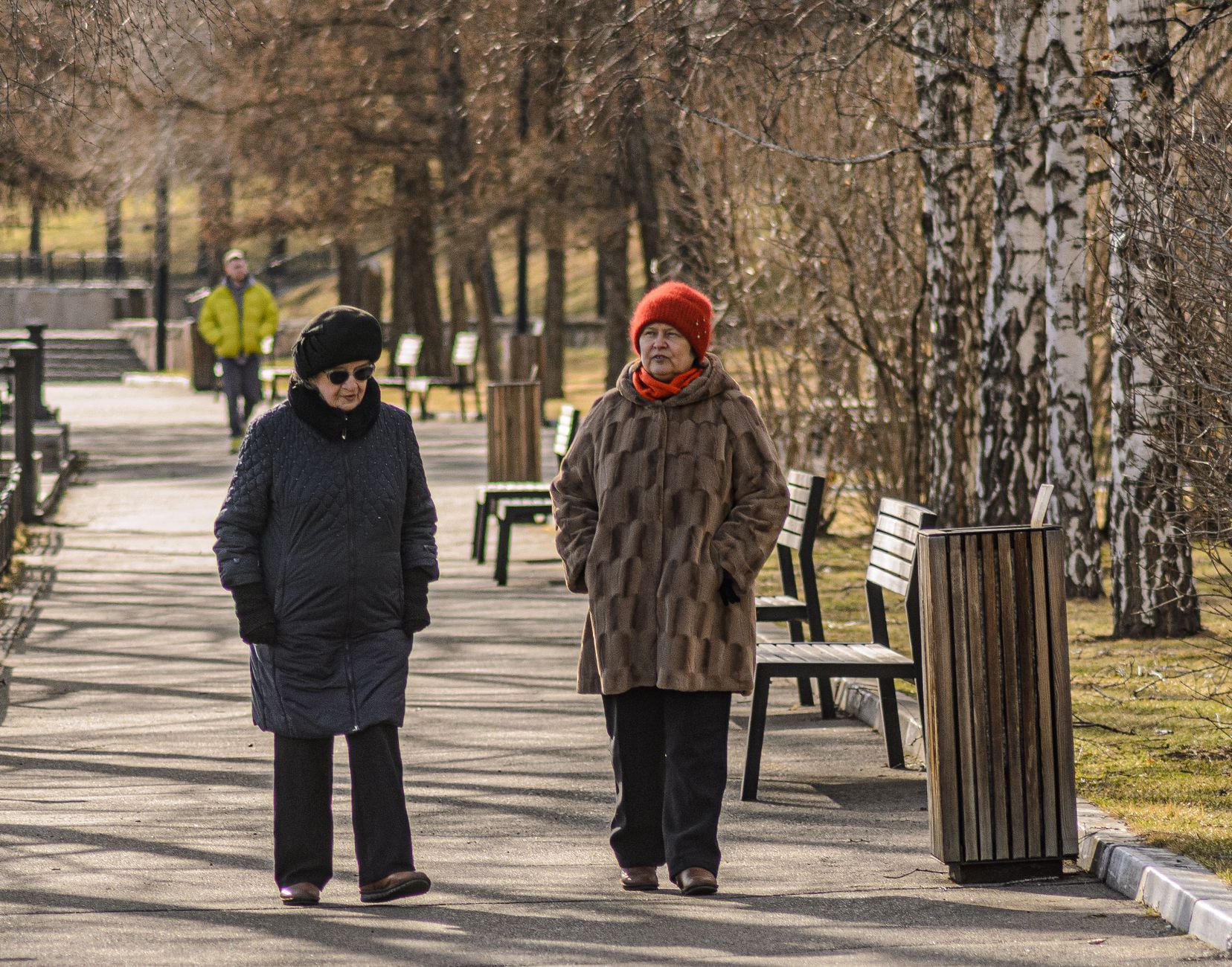
PAD is more common than many people realise. In India, it affects a significant number of adults, particularly those over 50. Because its early signs can seem mild or even "normal," it is often ignored for years. Recognising peripheral artery disease symptoms early — and getting the right treatment — can make a big difference to your quality of life and long-term health.
Who Is at Risk?
PAD shares the same underlying cause as coronary artery disease (blocked heart arteries) — a process called atherosclerosis. So the risk factors are very similar:
- Diabetes — one of the strongest risk factors, particularly common in Gujarat
- Smoking — even a few cigarettes a day significantly raises risk
- High blood pressure (hypertension)
- High cholesterol
- Obesity or a sedentary lifestyle
- Age over 50, especially with any of the above
- A family history of heart or vascular disease
Because India has high rates of diabetes and hypertension, PAD is a condition that deserves much more attention than it typically receives in our communities.
Recognising Peripheral Artery Disease Symptoms
PAD can be silent in its early stages. As it progresses, symptoms become more noticeable. Here is what to watch for:
Leg Pain or Cramping During Walking (Claudication)
The hallmark symptom of PAD is a cramping, aching, or tired feeling in the calves, thighs, or buttocks that comes on during walking or climbing stairs — and goes away after a few minutes of rest. This is called intermittent claudication. Think of it as your leg muscles "asking for more blood" that the narrowed arteries cannot supply.
For example, a 58-year-old with diabetes might notice that he can walk comfortably to the market but has to stop halfway because of calf cramps. After resting for a minute, the pain fades and he can walk again. This pattern is a classic sign worth discussing with a doctor.
Other Common Symptoms
- Numbness or weakness in the leg or foot
- Coldness in one leg or foot compared to the other
- Sores or wounds on the toes, feet, or legs that heal slowly or not at all
- A change in skin colour — leg skin may look pale, bluish, or shiny
- Weak or absent pulse felt in the feet or legs
- Hair loss or slow nail growth on the affected leg
When Symptoms Become Serious
In more advanced PAD, pain can occur even at rest — typically in the foot or toes at night. This is called critical limb ischaemia and is a medical emergency. Non-healing wounds or gangrene (tissue death) can develop if blood flow is severely restricted for too long. This is why early detection matters so much.
How Is PAD Diagnosed?
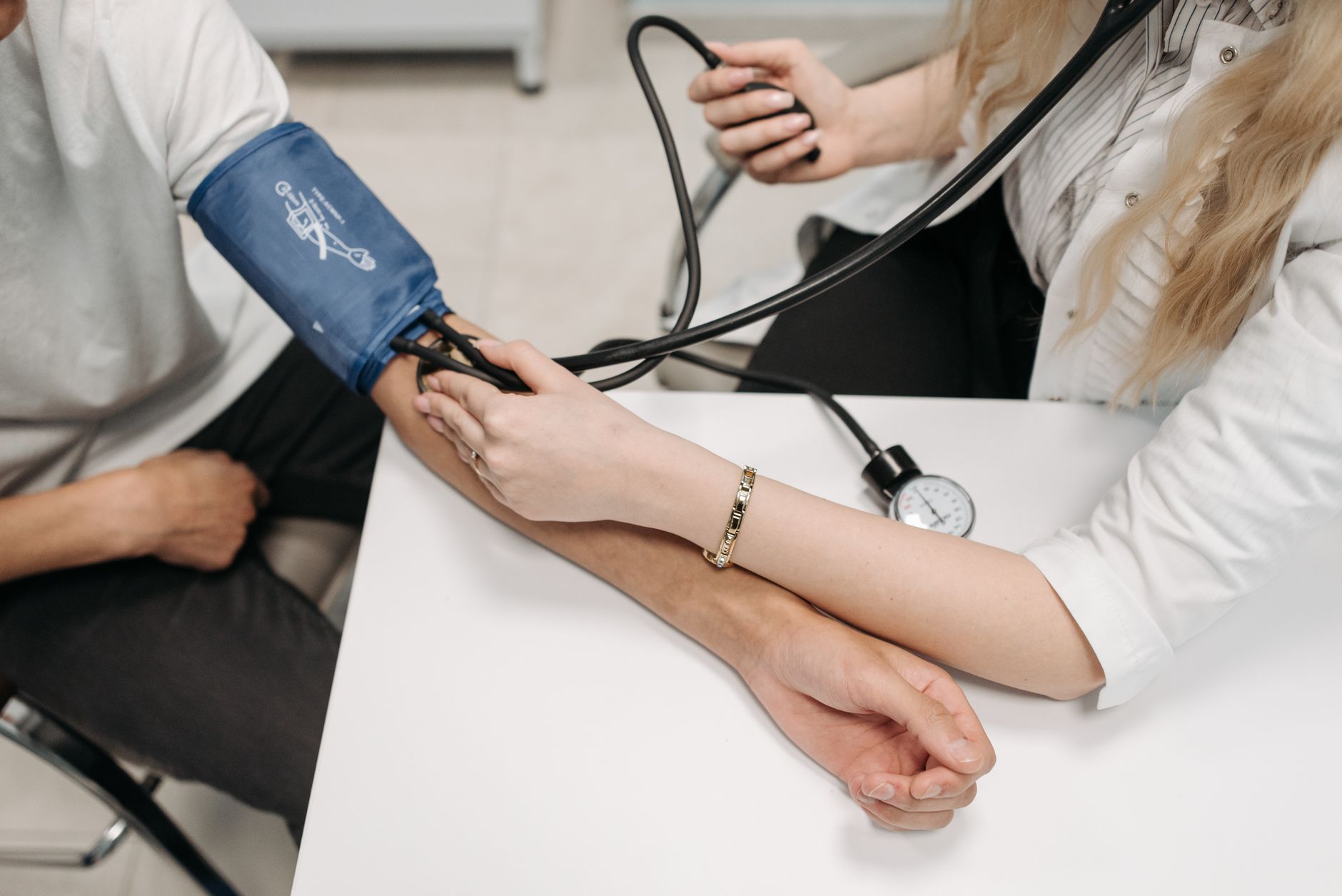
If you describe symptoms like claudication to a cardiologist, they will begin with a simple, comfortable, non-invasive test called the Ankle-Brachial Index (ABI). This compares blood pressure in the ankle with blood pressure in the arm. A lower reading in the ankle suggests reduced blood flow — a sign of PAD.
Other diagnostic tools include:
- Doppler ultrasound — uses sound waves to visualise blood flow in the arteries
- CT angiography or MR angiography — detailed imaging that maps exactly where blockages are
- Conventional angiography — a catheter-based test that gives the clearest picture of artery anatomy, often done just before a procedure
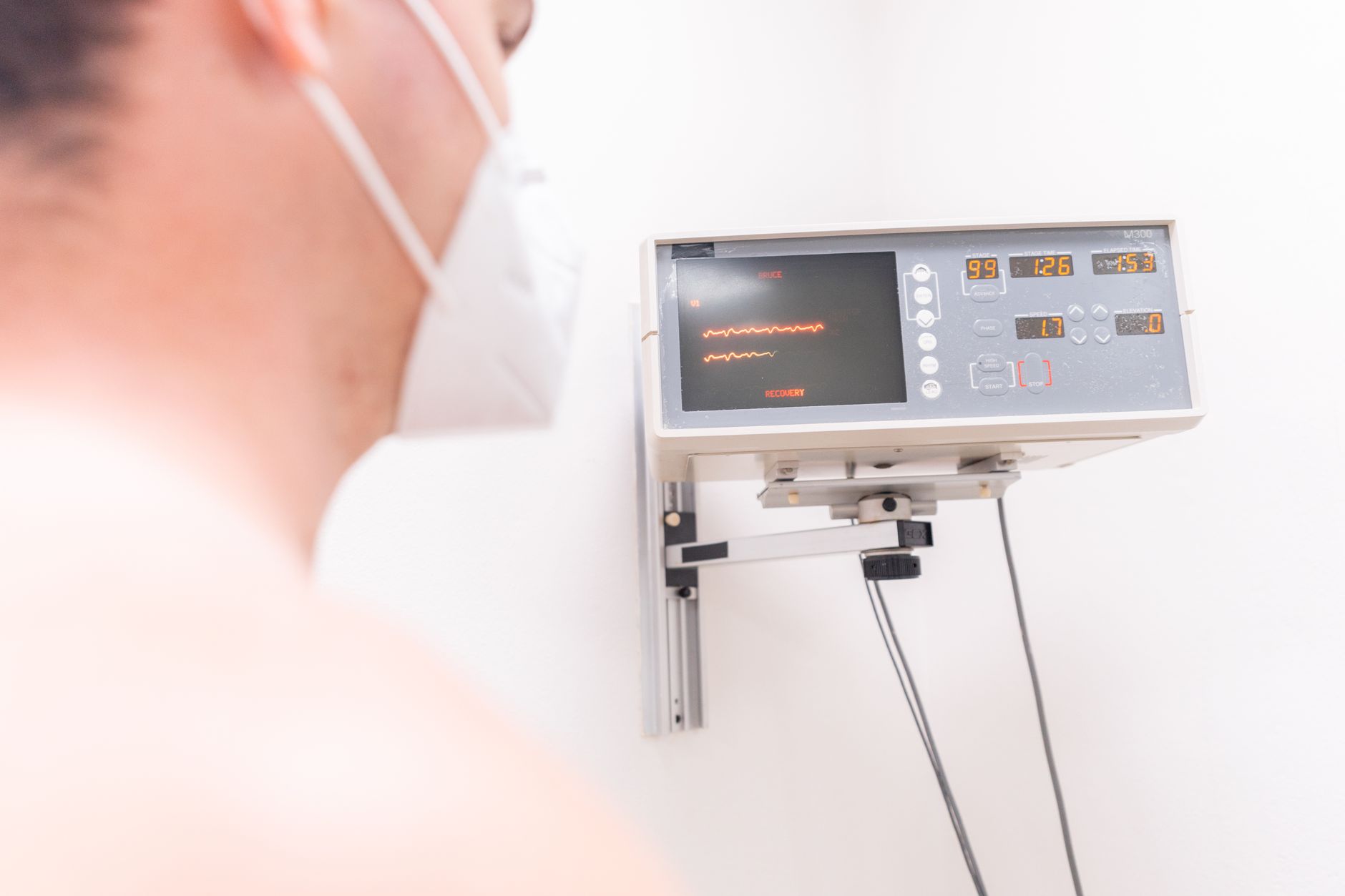
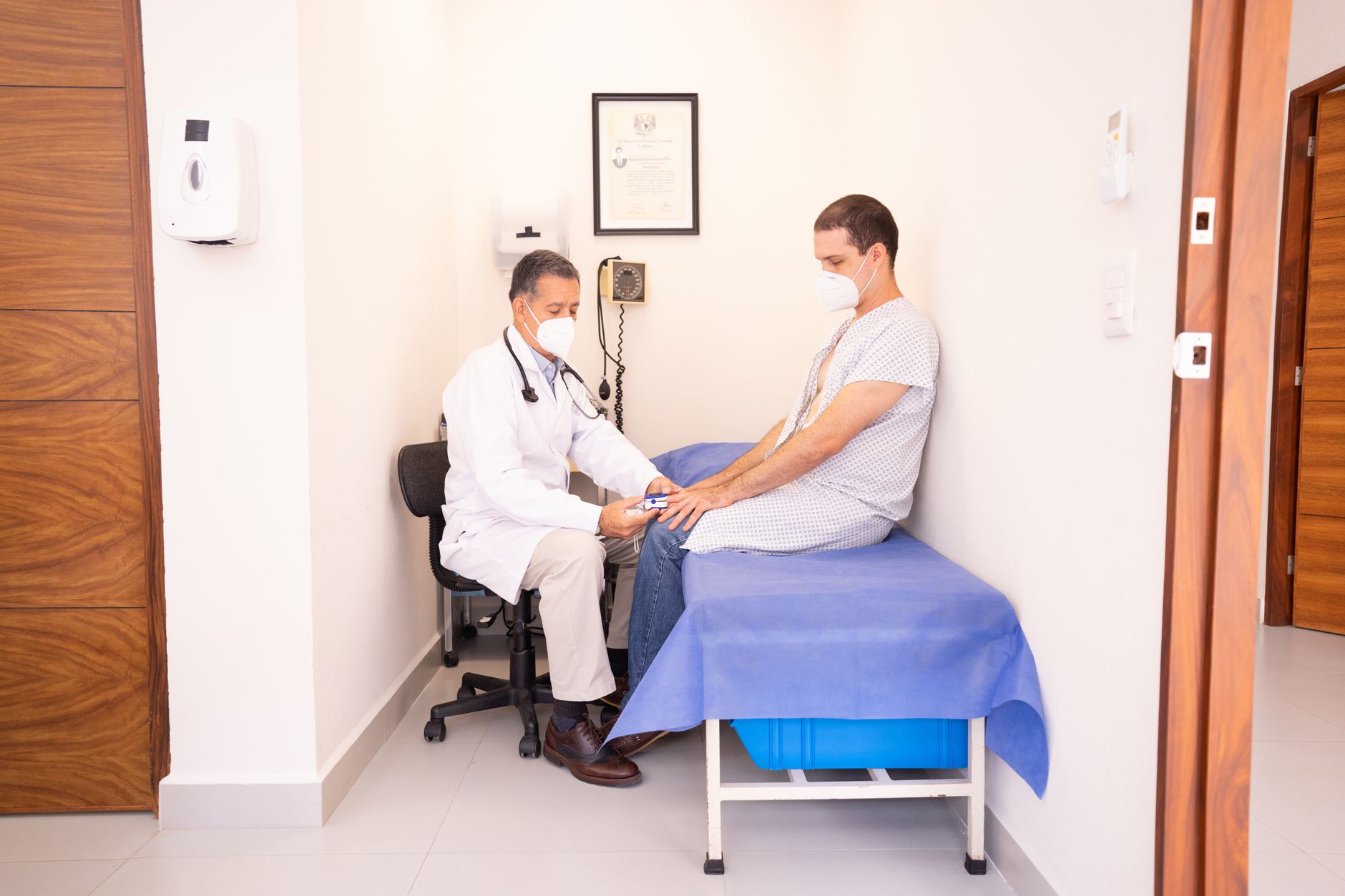
At clinics in Rajkot, these investigations are readily available and can quickly confirm whether PAD is present and how severe it is.
Peripheral Artery Disease Treatment Options
The good news is that PAD is very treatable. Treatment is tailored to how severe your condition is, your overall health, and your lifestyle. It generally falls into three broad areas:
1. Lifestyle Changes — The Foundation of Treatment
No matter the severity of PAD, lifestyle changes are always the starting point:
- Quit smoking — this is the single most important step. Smoking accelerates artery damage and dramatically worsens PAD outcomes.
- Regular supervised walking — a structured walking programme, gradually increasing distance, is evidence-backed to improve claudication symptoms. It actually encourages the body to develop small "bypass" blood vessels naturally.
- Heart-healthy eating — a diet rich in vegetables, whole grains, legumes, and low in saturated fats helps slow plaque buildup.
- Managing diabetes, blood pressure, and cholesterol — keeping these numbers controlled slows the progression of PAD significantly.
2. Medications
Several medicines play an important role in PAD treatment:
- Antiplatelet drugs (such as aspirin or clopidogrel) to reduce the risk of blood clots
- Statins to lower cholesterol and stabilise plaque in artery walls
- Blood pressure medicines as needed
- Medications to improve walking distance in claudication — your doctor will advise based on your situation
Medicines do not reverse blockages, but they reduce the risk of serious events like heart attack, stroke, and limb complications — which are real risks for people with PAD.
3. Interventional and Surgical Procedures
When lifestyle changes and medicines are not enough — or when a blockage is severe — a procedure may be recommended. This is where interventional cardiology plays a central role.
Angioplasty and Stenting: A thin, flexible tube (catheter) is guided to the blocked artery. A small balloon is inflated to open the blockage, and a metal mesh tube (stent) may be placed to keep the artery open. This is a minimally invasive procedure performed through a small puncture in the skin — no major surgery is needed in most cases.
Atherectomy: In some cases, a device is used to physically remove plaque from inside the artery.
Bypass Surgery: For complex or long blockages, a surgeon may create a new route (bypass) around the blocked artery using a vein from elsewhere in the body. This is less common now given the advances in catheter-based techniques.
Dr. Nikhila Pachani, practising as a Consultant Interventional Cardiologist in Rajkot, regularly evaluates patients with PAD and works with each individual to choose the most appropriate path — from conservative management to advanced catheter-based interventions.
Living Well with PAD
A PAD diagnosis is not the end of an active life. With the right care, many people return to comfortable walking and daily activities. Here is what helps in the long run:
- Attend all follow-up appointments — PAD requires ongoing monitoring
- Check your feet every day for sores, cuts, or colour changes (especially if you have diabetes)
- Keep wounds clean and show any slow-healing sore to your doctor promptly
- Stay as physically active as your doctor recommends
- Take all prescribed medicines regularly — do not stop without medical advice
Key Takeaways
- PAD is a circulation problem caused by plaque narrowing the arteries that supply blood to your legs.
- Classic symptoms include leg cramping during walking that eases with rest, cold feet, and slow-healing wounds.
- Risk factors include diabetes, smoking, high blood pressure, and high cholesterol — all very prevalent in our region.
- Diagnosis is often simple and non-invasive, starting with an Ankle-Brachial Index test.
- Treatment ranges from lifestyle changes and medicines to minimally invasive angioplasty or stenting.
- Early detection matters — advanced PAD can lead to serious complications including limb loss.
- Smoking cessation and supervised walking are among the most powerful tools available.
If you experience leg cramps during walks, notice cold or numb feet, or have wounds on your legs that are slow to heal, do not dismiss these signs. A consultation with a qualified cardiologist can help you get clear answers and a personalised plan — so you can keep moving forward with confidence.
Frequently asked questions
- What are the first signs of peripheral artery disease in the legs?
- The most common early sign is a cramping or aching pain in the calves, thighs, or buttocks that starts during walking and goes away after a few minutes of rest. This is called intermittent claudication. Other early signs include coldness in one foot, numbness, or noticing that leg wounds heal more slowly than usual.
- Can peripheral artery disease be treated without surgery?
- Yes, many people with PAD are managed effectively without surgery. Treatment often starts with lifestyle changes — particularly quitting smoking and a structured walking programme — combined with medicines to control cholesterol, blood pressure, and reduce clot risk. Minimally invasive procedures like angioplasty (balloon opening of the blocked artery) are also an option for more significant blockages, and involve no major surgery.
- Is peripheral artery disease related to heart disease?
- Yes, very closely. Both conditions are caused by the same underlying process — atherosclerosis, or plaque buildup in artery walls. People with PAD have a higher risk of heart attack and stroke, which is why a cardiologist manages both the leg arteries and overall cardiovascular health together.
- When should I see a cardiologist for leg pain?
- You should see a cardiologist if you notice leg pain or cramping that comes on during walking and eases with rest, persistent coldness or numbness in a foot, skin colour changes in the legs, or any wound on your foot or leg that is not healing normally. These symptoms deserve proper evaluation — early diagnosis leads to better outcomes.