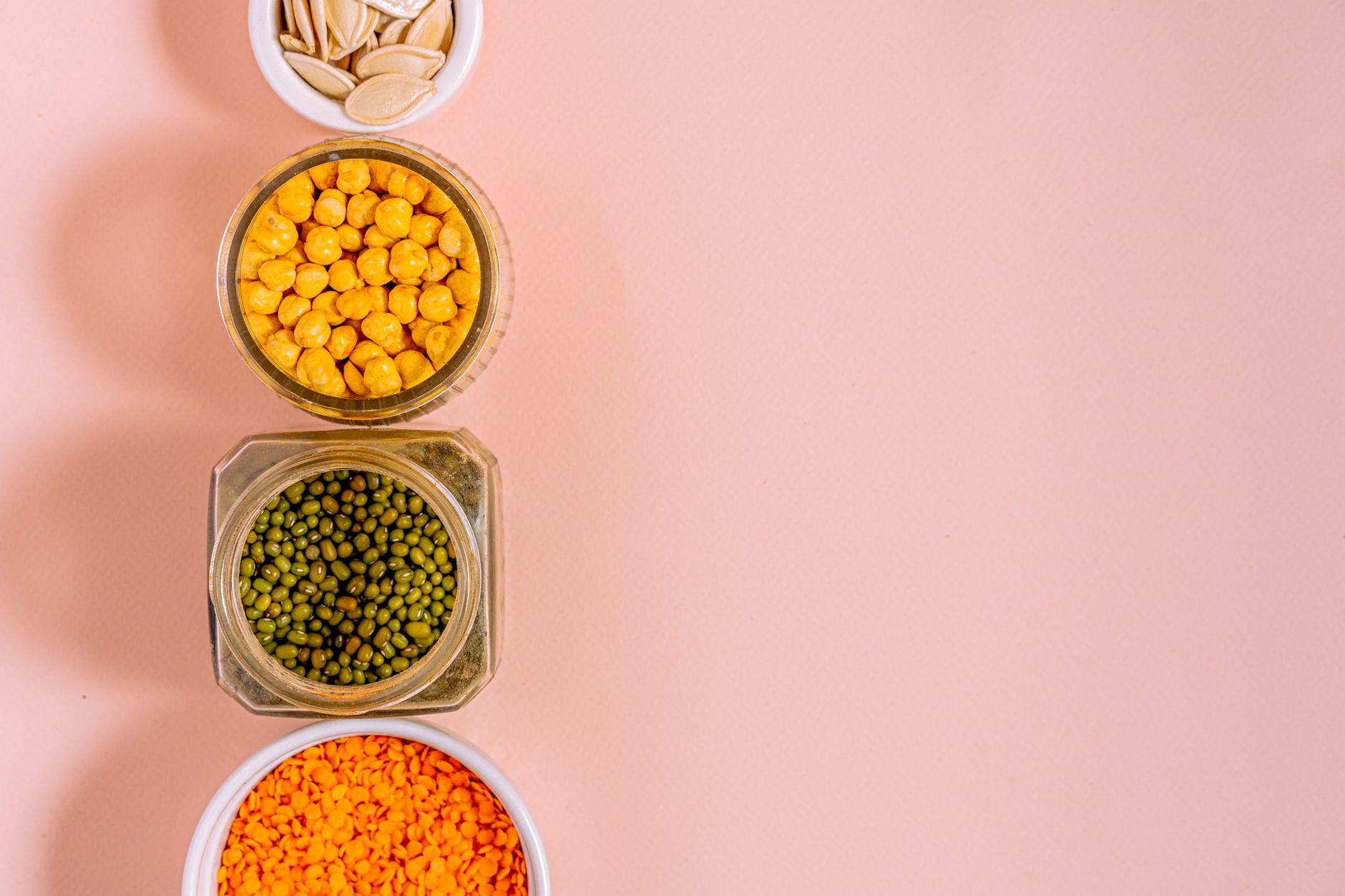
Why Protein Matters for Your Heart — and Why Plants Are a Smart Choice
When most people think of protein, they picture eggs, chicken, or paneer. But for the millions of Gujaratis who follow a predominantly vegetarian lifestyle, the kitchen already holds some of the most heart-friendly proteins on the planet — right there in the dal pot, the pressure cooker, and the sprouted salad bowl.
A plant protein heart-healthy Gujarati diet is not a modern wellness trend. It is, in many ways, the traditional Gujarati way of eating — one that cardiologists increasingly recognise as protective for the heart. The good news: you probably do not need to overhaul your thali. You may simply need to understand what is already working for you, and make a few thoughtful additions.
How Plant Proteins Protect the Heart
Plant-based proteins — unlike many animal proteins — come packaged with fibre, antioxidants, and very little saturated fat. This combination delivers several heart benefits:
- Lowers LDL ("bad") cholesterol. Soluble fibre in legumes binds cholesterol in the digestive tract and helps remove it from the body.
- Supports healthy blood pressure. Potassium and magnesium found in dal and beans help relax blood vessel walls.
- Reduces inflammation. Chronic low-grade inflammation is a key driver of heart disease; plant foods are rich in anti-inflammatory compounds.
- Helps manage weight. High protein and fibre content keep you fuller for longer, reducing the urge to snack on fried or sugary foods.
- Improves blood sugar control. A lower glycaemic response from legumes reduces the insulin spikes that, over time, damage blood vessels.
Research consistently shows that people who eat more plant proteins — particularly legumes — have a lower risk of coronary artery disease compared with those who rely heavily on red or processed meat.
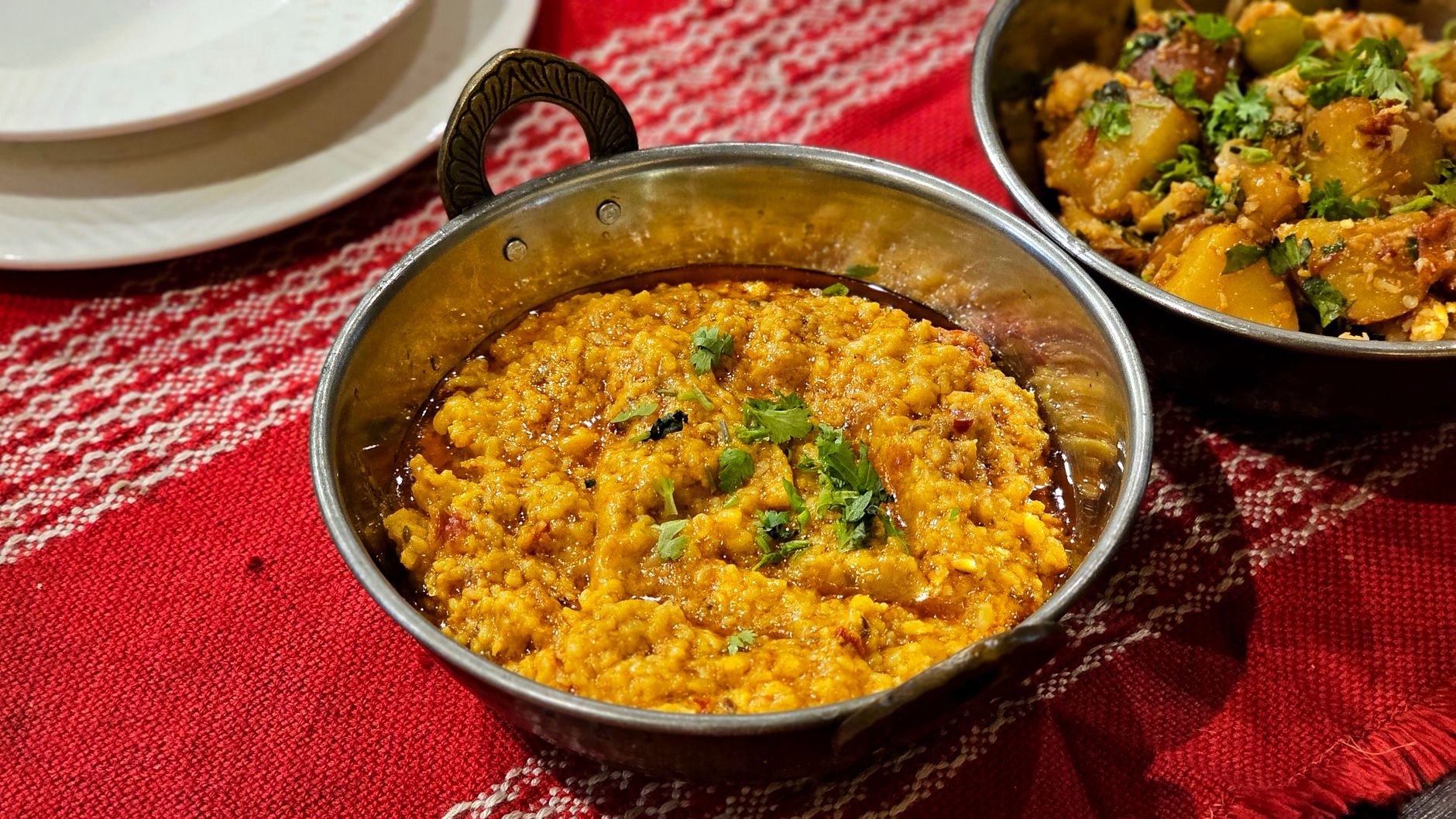
Your Gujarati Kitchen Is Already a Heart-Health Pharmacy
Let us take a closer look at the everyday ingredients that make the Gujarati thali one of the most cardioprotective meal patterns in India.
Dal — The Daily Cornerstone
In Rajkot and across Gujarat, dal is not a side dish — it is the soul of the meal. Whether it is thin toor dal with kokum, or a hearty mixed dal, each variety brings its own nutritional gift:
- Toor (Arhar) dal — rich in protein, folate, and potassium. Folate helps lower homocysteine, an amino acid that, at high levels, is linked to heart disease.
- Moong dal — one of the easiest dals to digest. Low in fat and high in antioxidants like vitexin, which may protect heart cells.
- Masoor (red lentil) dal — a good source of iron and soluble fibre; cooks quickly and is gentle on the gut.
- Urad dal — higher in calcium and magnesium; often used in breakfast dishes like dhokla and idli when combined with rice.
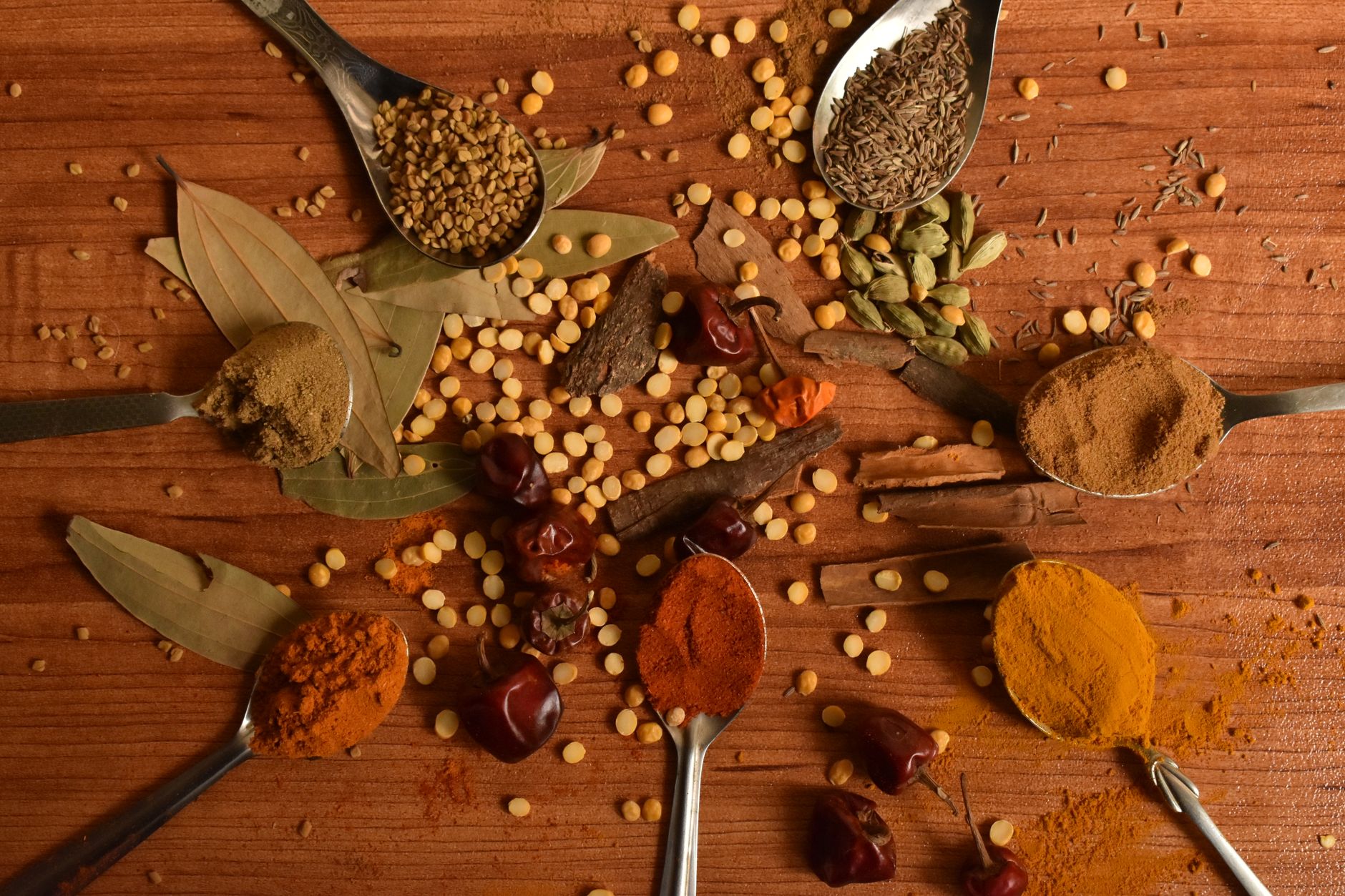
Practical tip: Cook dal with a tempering (tadka) of turmeric, cumin, and a small amount of ghee or cold-pressed groundnut oil rather than heavy butter or cream. This keeps the dish heart-friendly without sacrificing flavour.
Legumes — The Unsung Heroes of the Thali
Beyond dal, whole legumes — dried or soaked — are protein powerhouses:
- Chana (chickpeas / kala chana): A single cup provides roughly 15 g of protein and nearly 13 g of fibre. Studies link regular chickpea consumption to reduced total cholesterol.
- Rajma (kidney beans): High in plant sterols that naturally block cholesterol absorption in the gut.
- Vaal (field beans / butter beans): A Gujarat favourite, particularly in winter dishes. Rich in leucine, an amino acid important for muscle maintenance.
- Matki (moth beans): Commonly sprouted in Maharashtrian and Gujarati homes. Sprouting increases the bioavailability of nutrients and reduces compounds that interfere with mineral absorption.
- Chawli (black-eyed peas): High in folate and potassium; a great addition to sabzi or salads.
Soy — A Versatile Protein Boost
Soybean and its products (tofu, soy milk, edamame) provide a complete protein, meaning they contain all nine essential amino acids — a rarity in the plant world. Soy isoflavones have been shown to modestly reduce LDL cholesterol. In Gujarati cooking, roasted soy nuts can be added to chivda, and silken tofu blends seamlessly into gravies or smoothies.
Nuts and Seeds — Small but Mighty
- Groundnuts (peanuts): Already beloved in Gujarati snacking. When eaten unsalted and unfried, groundnuts provide heart-healthy monounsaturated fats and arginine, which supports healthy blood vessels.
- Til (sesame seeds): A staple of Gujarati cuisine — from til chikki to winter laddoos. Sesame is rich in lignans and phytosterols that support cholesterol balance.
- Flaxseeds (alsi): An excellent plant source of omega-3 fatty acids. One tablespoon of ground flaxseed stirred into roti flour or dal goes largely unnoticed in taste but adds significant cardiovascular benefit.
- Walnuts: Slightly outside traditional Gujarati cooking but easy to add to salads or morning cereal. Walnuts are consistently associated with improved blood vessel function in clinical research.
Building a Heart-Healthy Gujarati Thali — Practically
An illustrative example: a 55-year-old with mildly elevated cholesterol living in Rajkot might be advised by their cardiologist to shift just 10–15 % of their daily calories from refined carbohydrates to plant proteins. In practice, this could look like:
| Meal | Heart-Healthy Swap |
|---|---|
| Breakfast | Moong dal chilla instead of plain white bread |
| Lunch | Dal + kala chana sabzi + small portion of jowar or bajra roti |
| Evening snack | A small handful of roasted groundnuts or walnuts instead of namkeen |
| Dinner | Sprouted matki salad or vaal nu shaak with multigrain roti |
This is not deprivation — it is a return to the wisdom already embedded in Gujarati food culture, simply applied more consistently.
Watch the "Heart-Healthy" Traps
Even within a vegetarian diet, a few habits can undermine the benefits of plant proteins:
- Excess oil in dal and sabzi: Even heart-friendly groundnut oil should be measured. Aim for 2–3 teaspoons per meal preparation, not a ladleful.
- High salt in pickles and papad: These pair beautifully with dal-rice but can raise blood pressure. Enjoy in moderation.
- Refined flour (maida) in rotis or snacks: Replacing even half your maida with whole wheat, jowar, or bajra significantly improves the fibre and protein profile of your meal.
- Hidden sugar in Gujarati dal: The tradition of adding sugar or jaggery to dal is culturally rich, but those with high blood sugar or triglycerides may need to keep this minimal.
How Much Plant Protein Do You Need?
General guidance from nutrition research suggests adults need approximately 0.8–1.0 g of protein per kilogram of body weight per day — and more (up to 1.2 g/kg) if you are older or physically active. For a 65 kg adult, that is roughly 52–65 g of protein daily.
A typical Gujarati vegetarian dal-rice-sabzi meal, when portions are adequate, can meet a good part of this need. The key is variety and consistency — rotating between different dals and legumes throughout the week ensures a broader amino acid and micronutrient profile.
Key Takeaways
- Dal is a daily heart protector. Its fibre, folate, and potassium work together to lower cholesterol and blood pressure.
- Whole legumes (chana, rajma, matki, chawli) add powerful plant protein with minimal saturated fat.
- Soy, flaxseeds, walnuts, and sesame seeds are easy plant-protein additions to everyday Gujarati cooking.
- The traditional Gujarati thali is naturally heart-friendly — the goal is to protect its best elements and gently reduce excess oil, salt, and refined carbohydrates.
- Variety matters: Rotating through different legumes and dals across the week gives your body a wider range of amino acids and micronutrients.
- No single food is a magic fix. Plant proteins work best as part of an overall balanced diet, regular physical activity, and appropriate medical care.
If you have concerns about your heart health, cholesterol levels, or dietary needs, speaking with a qualified cardiologist is always a good idea. Dr. Nikhila Pachani's clinic in Rajkot offers personalised guidance to help you make the food and lifestyle changes that are right for your heart. Feel free to book a consultation — your heart will thank you.
Frequently asked questions
- Is a vegetarian Gujarati diet good for heart health?
- Yes, a well-planned vegetarian Gujarati diet can be very supportive of heart health. It is naturally rich in plant proteins from dal and legumes, dietary fibre, and antioxidants — all of which help manage cholesterol, blood pressure, and inflammation. The key is to watch excess oil, salt, and refined carbohydrates that can creep into everyday cooking.
- Which dal is best for lowering cholesterol?
- All dals offer heart benefits, but moong dal and masoor dal are particularly gentle and rich in soluble fibre, which helps reduce LDL (bad) cholesterol. Toor dal provides folate that supports healthy blood vessels. Eating a variety of dals throughout the week, rather than relying on just one, gives you the broadest nutritional coverage.
- Can eating more plant protein reduce my risk of heart disease?
- Research suggests that replacing a portion of dietary saturated fat or refined carbohydrates with plant proteins — from legumes, soy, nuts, and seeds — is associated with a lower risk of coronary artery disease. Plant proteins come with fibre and beneficial plant compounds that animal proteins generally lack. However, diet is just one part of heart disease prevention; regular check-ups, physical activity, and following your doctor's advice are equally important.
- How can I add more plant protein to my Gujarati meals without changing my cooking style too much?
- Simple, practical additions work well: swap a plain roti for a moong dal chilla at breakfast, add sprouted matki or chana to your salads, stir ground flaxseed into your roti flour, snack on a small handful of unsalted roasted groundnuts instead of fried namkeen, and rotate between at least three to four different legumes through the week. These changes are small but, done consistently, can meaningfully improve your heart-health profile.