
Have you ever stood up quickly and felt your heart suddenly pounding, your head spinning, or your legs turning weak — even though you were perfectly fine a moment ago while sitting? For most people, this passes in a second or two. But for people living with Postural Orthostatic Tachycardia Syndrome (POTS), this happens every single time they stand up, and it can be truly disabling.
POTS is more common than many people realise, yet it is frequently misunderstood or dismissed. In this article, we break down exactly what POTS is, why it causes a racing heart on standing, who it affects, and what you can do about it.
What Is POTS?
Postural Orthostatic Tachycardia Syndrome — POTS for short — is a condition that affects the body's autonomic nervous system. This system controls automatic functions you never think about: your breathing, digestion, and crucially, the way your heart rate and blood pressure respond when you change position.
The name tells you exactly what happens:
- Postural — triggered by a change in body position (lying down to standing)
- Orthostatic — relating to standing upright
- Tachycardia — an abnormally fast heart rate
In a person without POTS, standing up causes blood to briefly pool in the legs, but the body quickly compensates by slightly increasing the heart rate and tightening blood vessels to maintain blood pressure and blood flow to the brain.
In a person with POTS, this compensation system misfires. The heart rate shoots up dramatically — by 30 beats per minute or more within 10 minutes of standing — without a significant drop in blood pressure. This is the key distinguishing feature of POTS.
What Does POTS Feel Like?
The most obvious symptom of POTS syndrome is a racing heart on standing, but it rarely stops there. People with POTS often describe a cluster of symptoms that come on when they are upright and improve when they lie back down.
Common symptoms include:
- Heart pounding or palpitations immediately after standing
- Dizziness or lightheadedness
- Brain fog — difficulty thinking clearly or concentrating
- Fatigue, even after a full night's sleep
- Blurred vision
- Trembling or shakiness
- Nausea
- Headaches
- Feeling faint (pre-syncope), or occasionally fainting (syncope)
It is important to note that symptoms vary widely from person to person. Some individuals can manage a near-normal day with careful adjustments; others find that prolonged standing or physical activity is very difficult.

Who Gets POTS?
POTS can affect people of any age, but it is most commonly diagnosed in women between the ages of 15 and 50. Estimates suggest that POTS affects roughly 1 in 100 adolescents and is seen in all parts of the world, including right here in Rajkot and across Gujarat.
Several factors have been associated with the onset of POTS:
- A viral infection or illness — Many cases are triggered after a bout of infection, including viral fevers. Post-COVID POTS has received significant attention in recent years.
- Pregnancy or hormonal changes
- Surgery or physical trauma
- Prolonged bed rest or deconditioning
- Autoimmune conditions, such as lupus or Sjögren's syndrome
- Hypermobile Ehlers-Danlos syndrome (hEDS), a connective tissue disorder
POTS is also sometimes hereditary, and it can occur alongside other autonomic or connective tissue conditions.
Why Does Standing Make the Heart Race?
To understand POTS, it helps to picture what normally happens inside your body when you stand up.
When you rise from a chair or bed, gravity pulls roughly 500–800 ml of blood downward into the veins of your legs and abdomen. Your autonomic nervous system detects this drop in central blood volume and immediately sends signals to:
- Tighten blood vessels in the legs to push blood back upward
- Slightly increase the heart rate to maintain output
- Keep blood pressure stable so the brain stays well supplied
In POTS, step one — the vascular tightening — either does not happen properly or is inadequate. To compensate, the heart rate spikes dramatically, trying to make up for the shortfall. This is the racing heart on standing that defines POTS syndrome. Despite this surge, blood flow to the brain may still be reduced, which explains the dizziness and brain fog.
Several different underlying mechanisms can cause this, which is why experts now recognise several subtypes of POTS:
- Neuropathic POTS: Nerve damage to small fibres in the legs reduces vascular tightening
- Hyperadrenergic POTS: Excess adrenaline (norepinephrine) is released on standing, causing a surge in both heart rate and blood pressure
- Hypovolemic POTS: A chronically low blood volume forces the heart to compensate harder
How Is POTS Diagnosed?
If you suspect POTS, a proper evaluation by a cardiologist is essential. Many conditions can cause similar symptoms, so a clear diagnosis is important before starting any management plan.
The Tilt Table Test
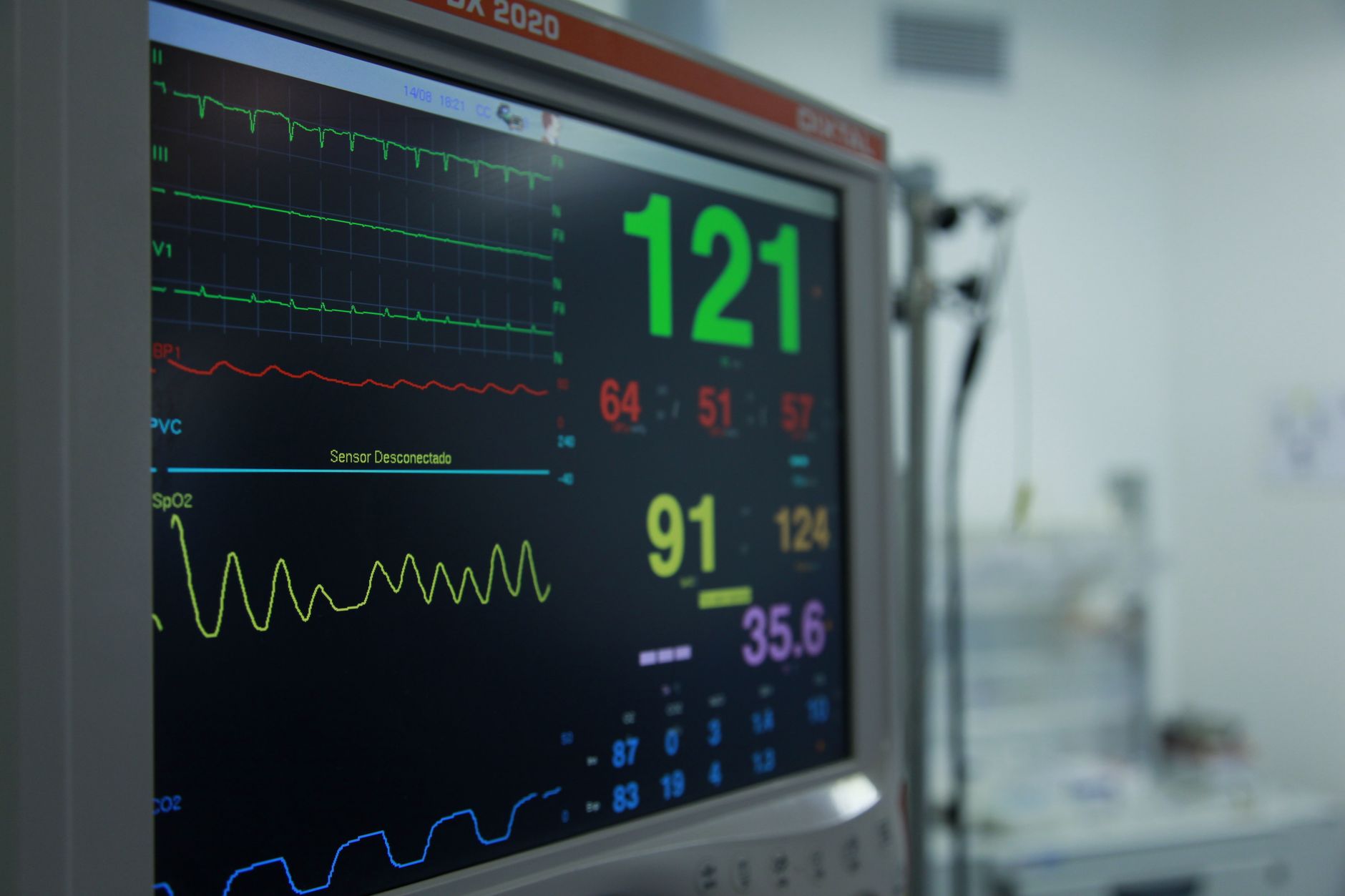
The gold standard for diagnosing POTS is the tilt table test. In this non-invasive, comfortable test, you lie flat on a motorised table, which is then gradually tilted to a near-upright position (usually 60–80 degrees). Heart rate and blood pressure are continuously monitored. A rise in heart rate of ≥30 bpm (≥40 bpm in adolescents) within 10 minutes, without a significant drop in blood pressure, confirms POTS.
Active Stand Test (NASA Lean Test)
A simpler screening test involves lying down for several minutes, then standing against a wall with heart rate measured at intervals. This can be performed in an outpatient cardiology clinic setting.
Additional Tests
- 24-hour Holter monitor to assess heart rate patterns throughout the day
- Blood tests to check for anaemia, thyroid disorders, autoimmune markers, and catecholamine levels
- Echocardiogram to rule out structural heart problems
- Autonomic function tests in specialised centres
Managing POTS: A Practical, Layered Approach
There is no single treatment that works for everyone with POTS, but most people see meaningful improvement with a combination of lifestyle changes and, where needed, medication.
Lifestyle Changes (First Line)
These are the foundation of POTS management and often make the biggest difference:
- Increase salt and fluid intake: Most POTS patients are advised to take 3–5 grams of extra sodium daily and drink 2–3 litres of water per day (unless another condition such as kidney disease requires restriction). This helps expand blood volume. Always discuss the right amount with your doctor first.
- Compression garments: Graduated compression stockings or abdominal binders help push blood from the legs back toward the heart, reducing the pooling effect.
- Elevate the head of your bed: Sleeping with the head of the bed raised by 10–20 cm helps reduce fluid shifts overnight and primes the body's morning compensation.
- Counter-manoeuvres: Simple moves like crossing your legs, squatting, or tensing your leg muscles when you feel symptoms can temporarily reduce blood pooling.
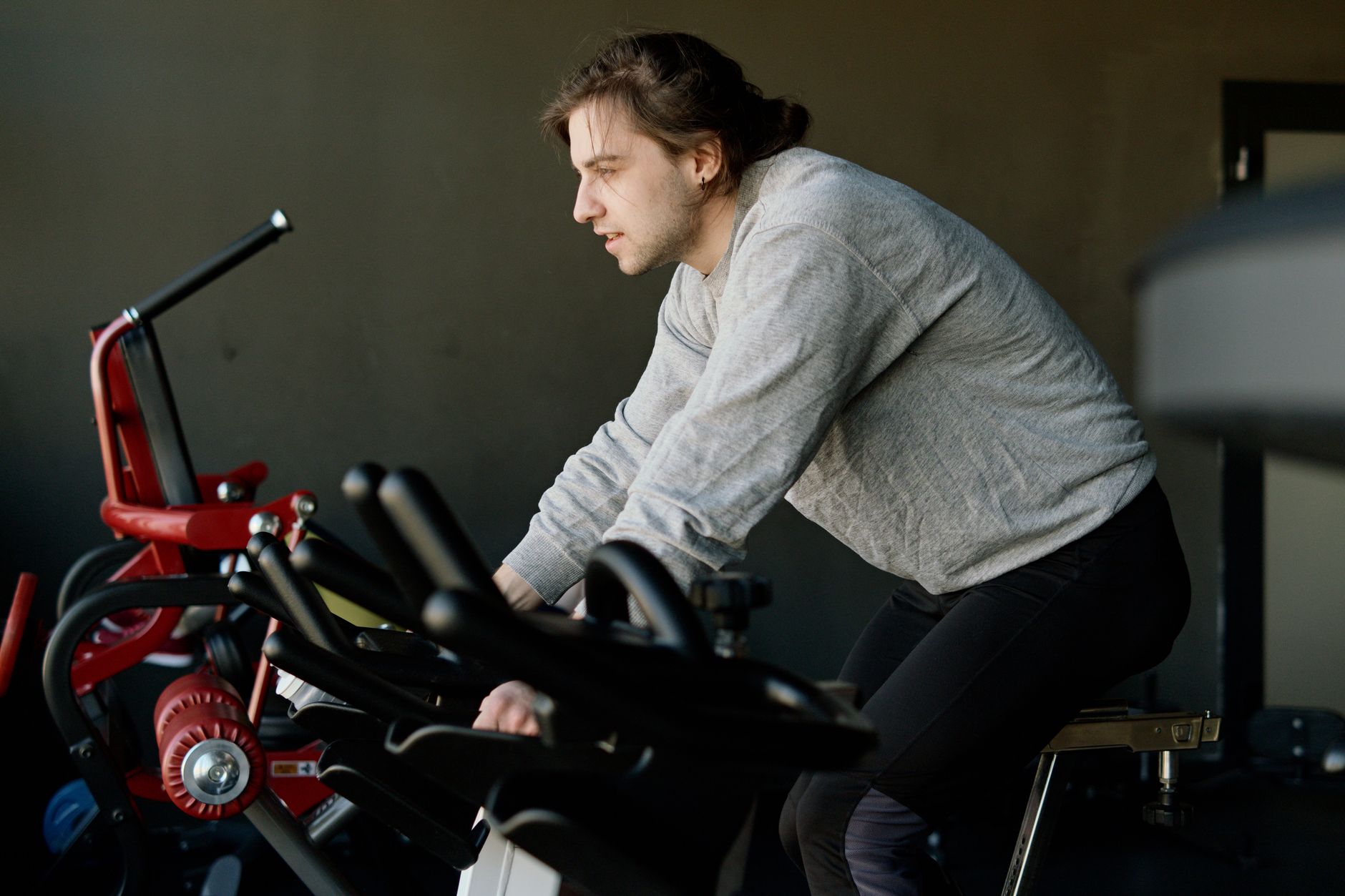
- Recumbent exercise: Swimming, cycling on a recumbent bike, and rowing are recommended because they allow exercise while horizontal or semi-reclined, gradually reconditioning the cardiovascular system without triggering severe symptoms.
- Avoid triggers: Hot environments, prolonged standing, large meals, and alcohol can all worsen symptoms.
Medication
When lifestyle measures alone are not enough, a cardiologist may recommend medication. Options discussed in the literature include:
- Beta-blockers (e.g., propranolol) — to reduce the heart rate surge on standing
- Fludrocortisone — a mineralocorticoid that helps retain sodium and expand blood volume
- Midodrine — a medication that tightens blood vessels in the legs
- Ivabradine — a newer option that slows the heart rate without lowering blood pressure
- Pyridostigmine — enhances nerve signalling in the autonomic system
The right medication depends on the subtype of POTS and individual health factors, so this must always be tailored by your doctor.
Living Well With POTS
A POTS diagnosis can feel overwhelming at first, but the outlook for most people is genuinely encouraging. Many patients — particularly younger ones — see significant improvement over months to years, especially with consistent lifestyle management.
Consider illustratively: a 28-year-old woman might notice that her racing heart on standing began a few months after a viral illness. With guidance from her cardiologist, a tailored exercise programme, adequate hydration, and compression stockings, she could regain the ability to work and exercise comfortably within a year. This kind of trajectory is seen often in clinical practice.
Mental wellbeing matters too. Living with POTS can be frustrating, and symptoms are not always visible to others. Connecting with support groups and ensuring your family understands the condition can make a real difference to your quality of life.
Key Takeaways
- POTS is a disorder of the autonomic nervous system that causes the heart rate to rise by 30 bpm or more on standing, often with dizziness, fatigue, and brain fog.
- It most commonly affects young to middle-aged women, and can be triggered by infections (including COVID-19), surgery, or prolonged rest.
- The tilt table test is the standard diagnostic tool, performed by a cardiologist.
- Lifestyle changes — extra salt and fluids, compression garments, recumbent exercise, and trigger avoidance — are the cornerstone of management.
- Medications can be added when lifestyle measures are insufficient, tailored to the subtype of POTS.
- Most people with POTS see meaningful improvement with the right, personalised care plan.
POTS symptoms can overlap with many other heart and autonomic conditions, so an accurate diagnosis is the essential first step. If you or a loved one experiences a consistently racing heart on standing, persistent dizziness, or unexplained fatigue, consider speaking with a qualified cardiologist. You are welcome to book a consultation at Dr. Nikhila Pachani's cardiology clinic in Rajkot for a thorough, compassionate evaluation.
Frequently asked questions
- What is POTS syndrome and why does it cause a racing heart on standing?
- POTS (Postural Orthostatic Tachycardia Syndrome) is an autonomic nervous system disorder where the body fails to properly tighten blood vessels when you stand up. As a result, blood pools in the legs and the heart compensates by racing — rising by 30 beats per minute or more within 10 minutes of standing — to try to maintain blood flow to the brain.
- How is POTS diagnosed?
- POTS is most reliably diagnosed with a tilt table test, in which your heart rate and blood pressure are monitored as a motorised table moves you from lying flat to an upright position. A rise in heart rate of 30 bpm or more (40 bpm in adolescents) without a significant drop in blood pressure confirms POTS. A cardiologist may also order a Holter monitor, blood tests, and an echocardiogram to rule out other conditions.
- Can POTS be treated or does it go away on its own?
- Many people with POTS, especially younger patients, improve significantly over time with appropriate management. Treatment is not one-size-fits-all: it typically starts with lifestyle changes such as increased salt and fluid intake, compression stockings, trigger avoidance, and a tailored exercise programme. Medications such as beta-blockers, fludrocortisone, midodrine, or ivabradine may be added when needed. A cardiologist should guide your individual plan.
- Is POTS a serious or life-threatening condition?
- POTS is rarely life-threatening, but it can significantly affect quality of life, making everyday tasks like standing, walking, or working very challenging. It is not a structural heart disease, and the heart itself is usually normal. With a proper diagnosis and personalised management plan, most people experience meaningful improvement in their symptoms and daily functioning.