
What Is Pre-Diabetes — and Why Should You Care?
Most people only start worrying about blood sugar the day a doctor says the word "diabetes." But here is something important to know: the damage to your heart and blood vessels can begin much earlier — in a stage called pre-diabetes.
Pre-diabetes means your blood sugar levels are higher than normal, but not yet high enough to be called Type 2 diabetes. In India, millions of people are living with pre-diabetes without knowing it, because it usually causes no obvious symptoms. In cities like Rajkot, where lifestyles have shifted toward more sedentary routines and processed foods, this silent condition is becoming increasingly common.
Understanding the pre-diabetes heart disease risk — and acting on it early — can genuinely change the course of your health.
How Is Pre-Diabetes Defined?
Doctors typically diagnose pre-diabetes using one of three blood tests:
- Fasting blood glucose: 100–125 mg/dL
- HbA1c (3-month average blood sugar): 5.7%–6.4%
- Oral glucose tolerance test (2-hour result): 140–199 mg/dL
If your numbers fall in these ranges, you have pre-diabetes. A reading above these upper limits on a confirmed test would indicate Type 2 diabetes. It is worth noting that the Indian population tends to develop insulin resistance and related complications at lower body weights compared to Western populations — making regular screening especially important.
The Heart Connection: Why Pre-Diabetes Is Already a Cardiac Risk
Here is the part that surprises many patients: pre-diabetes is not a "safe zone." Research consistently shows that cardiovascular risk begins rising well before blood sugar crosses the diabetes threshold.
Insulin Resistance and Your Arteries
At the root of pre-diabetes is a condition called insulin resistance — where your body's cells stop responding well to insulin, the hormone that moves sugar from the blood into cells. To compensate, the pancreas produces more and more insulin. Over time, these raised insulin levels promote:
- Inflammation in the walls of blood vessels
- Stiffening of the arteries (reduced flexibility)
- Higher blood pressure in many individuals
- Abnormal cholesterol patterns — often lower HDL ("good" cholesterol) and higher triglycerides
Each of these changes silently damages the delicate lining of your coronary arteries — the vessels that supply blood to the heart muscle itself.
Atherosclerosis Starts Early
Atherosclerosis is the build-up of fatty plaques inside artery walls. Studies using imaging technology have shown that people with pre-diabetes already show early signs of atherosclerosis in the coronary arteries. These plaques can, over years, narrow the vessels and restrict blood flow — increasing the risk of angina (chest pain), heart attack, or stroke.
Think of it this way: if Type 2 diabetes is a house fire, pre-diabetes is the smoke you can smell before the flames appear. The time to act is now, while the fire has not yet started.

The Role of Chronic Low-Grade Inflammation
Elevated blood sugar — even at pre-diabetic levels — triggers a state of chronic low-grade inflammation throughout the body. Inflammatory markers like C-reactive protein (CRP) are often found to be elevated in people with pre-diabetes. This ongoing inflammation accelerates the ageing of blood vessels and makes existing plaques more likely to rupture, which is what triggers most heart attacks.
Other Risk Factors That Amplify the Danger
Pre-diabetes rarely travels alone. It is commonly found alongside a cluster of conditions sometimes called metabolic syndrome, which significantly multiplies cardiac risk:
- Abdominal obesity (excess weight around the belly)
- High blood pressure (hypertension)
- High triglycerides
- Low HDL cholesterol
If you have pre-diabetes plus two or more of these, your cardiologist will want to assess your overall cardiovascular risk carefully, not just your sugar levels.
Key Takeaways
- Pre-diabetes means blood sugar is above normal but below the diabetes threshold — it is not harmless.
- Cardiovascular damage (inflammation, arterial stiffening, early plaque) begins during the pre-diabetes stage.
- Insulin resistance, abnormal cholesterol, and inflammation all raise heart disease risk together.
- Indians are at higher metabolic risk at lower body weights — screening matters more, not less.
- Lifestyle changes at this stage can reverse pre-diabetes and significantly reduce heart risk.
- A cardiologist and your primary care physician working together give you the most complete picture.
Who Should Get Screened?
Because pre-diabetes has no reliable symptoms, screening is the only way to catch it. Consider getting a blood sugar check if you:
- Are above 35 years of age
- Have a family history of diabetes or heart disease
- Carry excess weight, especially around the abdomen
- Lead a mostly sedentary lifestyle
- Have been told you have high blood pressure or abnormal cholesterol
- Are a woman who had gestational diabetes during pregnancy
- Belong to South Asian ethnicity (Indians have a naturally higher predisposition)
An illustrative example: a 48-year-old office worker might feel completely healthy, have no chest pain, and yet on routine screening be found to have an HbA1c of 6.1% along with borderline high blood pressure and low HDL. This combination quietly raises their 10-year cardiovascular risk more than any single factor alone. Early detection means early action.

What You Can Do Right Now
The encouraging truth is that pre-diabetes is one of the most reversible conditions in medicine when addressed early. Even modest lifestyle changes produce meaningful results.
1. Move More, Every Day
Physical activity helps your muscle cells use glucose more efficiently, reducing insulin resistance directly. Aim for at least 150 minutes of moderate activity per week — brisk walking in the park, cycling, swimming, or yoga. Even breaking up long sitting periods with short walks every hour makes a difference.
2. Rethink Your Plate
A diet lower in refined carbohydrates (white rice, maida, sugary drinks) and richer in fibre (vegetables, legumes, whole grains), lean proteins, and healthy fats can meaningfully lower blood sugar. The traditional Gujarati diet has many naturally wholesome elements — roti made from bajra or jowar, dal, and sabzi — that can be built upon with mindful portion control.
3. Reach and Maintain a Healthier Weight
Losing even 5–7% of your body weight — for a 70 kg person, that is just 3.5 to 5 kg — has been shown in landmark studies to reduce progression from pre-diabetes to diabetes by over 50%. Weight loss also lowers blood pressure and improves cholesterol.
4. Manage Stress and Sleep Well
Chronic stress raises cortisol, which pushes blood sugar higher. Poor sleep disrupts the hormones that regulate appetite and insulin. Prioritising 7–8 hours of quality sleep and finding sustainable ways to manage stress — whether through meditation, social connection, or hobbies — supports your metabolic health in ways that are often underestimated.
5. Quit Tobacco
Smoking accelerates every step of the cardiovascular damage process described above — inflammation, arterial stiffening, and plaque build-up. If you smoke, stopping is the single highest-impact change you can make for your heart.
When Is Medication Considered?
Not everyone with pre-diabetes needs medication, but in some cases — particularly where lifestyle changes alone are insufficient, or where overall cardiovascular risk is high — a doctor may recommend medicines such as metformin. This is always a personalised decision, made together by you and your physician after reviewing your full health picture, including heart risk assessment.
The Cardiologist's Role in Pre-Diabetes
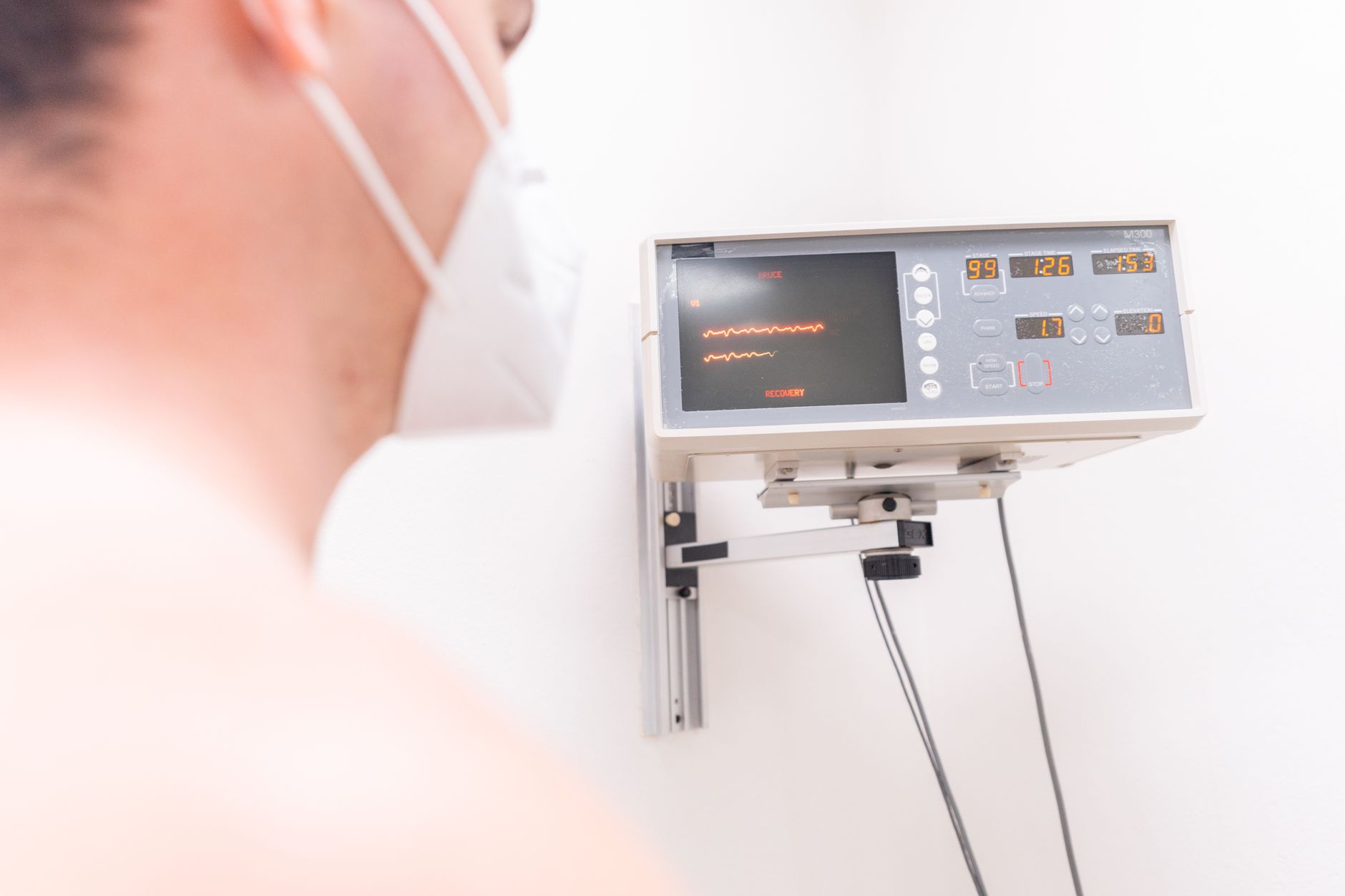
You might wonder: why would I see a cardiologist for a sugar problem? The answer is that pre-diabetes is as much a heart condition as it is a metabolic one. An interventional cardiologist can assess the early impact of insulin resistance on your coronary arteries, review your overall cardiovascular risk profile, and work alongside your general physician to create a plan that protects your heart — not just your sugar levels.
In Rajkot, where the pace of modern life has introduced new metabolic stressors alongside traditional risk factors, having a proactive conversation with a qualified cardiologist can help you stay several steps ahead of heart disease.
A Final Word
Pre-diabetes is not a sentence — it is a signal. A signal that your body is asking for a change, and that you still have a wonderful window of opportunity to make that change count. The heart risks that come with pre-diabetes are real, but they are also largely preventable with the right information, the right support, and timely action.
If you have been told your blood sugar is "borderline," or if you have any of the risk factors described here, consider booking a consultation with a qualified cardiologist to understand your complete cardiovascular risk profile — because protecting your heart means starting well before a diagnosis.
Frequently asked questions
- Can pre-diabetes cause a heart attack even without a diabetes diagnosis?
- Yes, it can contribute to that risk. Pre-diabetes promotes inflammation, arterial stiffening, and early plaque build-up in coronary arteries — all of which raise the risk of heart attack and stroke, even before blood sugar reaches the diabetic range. This is why early detection and lifestyle changes are so important.
- How do I know if I have pre-diabetes if there are no symptoms?
- Pre-diabetes usually has no noticeable symptoms, which is why a simple blood test is the only reliable way to detect it. A fasting blood glucose test, an HbA1c test, or an oral glucose tolerance test can identify it. If you are over 35, have a family history of diabetes or heart disease, or carry excess abdominal weight, ask your doctor about screening.
- Is pre-diabetes reversible?
- In many cases, yes. With consistent lifestyle changes — including regular physical activity, a balanced diet lower in refined carbohydrates, weight loss of even 5–7%, and better sleep and stress management — blood sugar levels can return to the normal range. Early action gives you the strongest chance of reversing pre-diabetes before it progresses.
- Should I see a cardiologist if I have pre-diabetes?
- It is a good idea, especially if you also have high blood pressure, abnormal cholesterol, abdominal obesity, or a family history of heart disease. A cardiologist can evaluate whether pre-diabetes has already begun to affect your heart and blood vessels, and can help create a comprehensive plan to reduce your cardiovascular risk alongside your primary care physician.