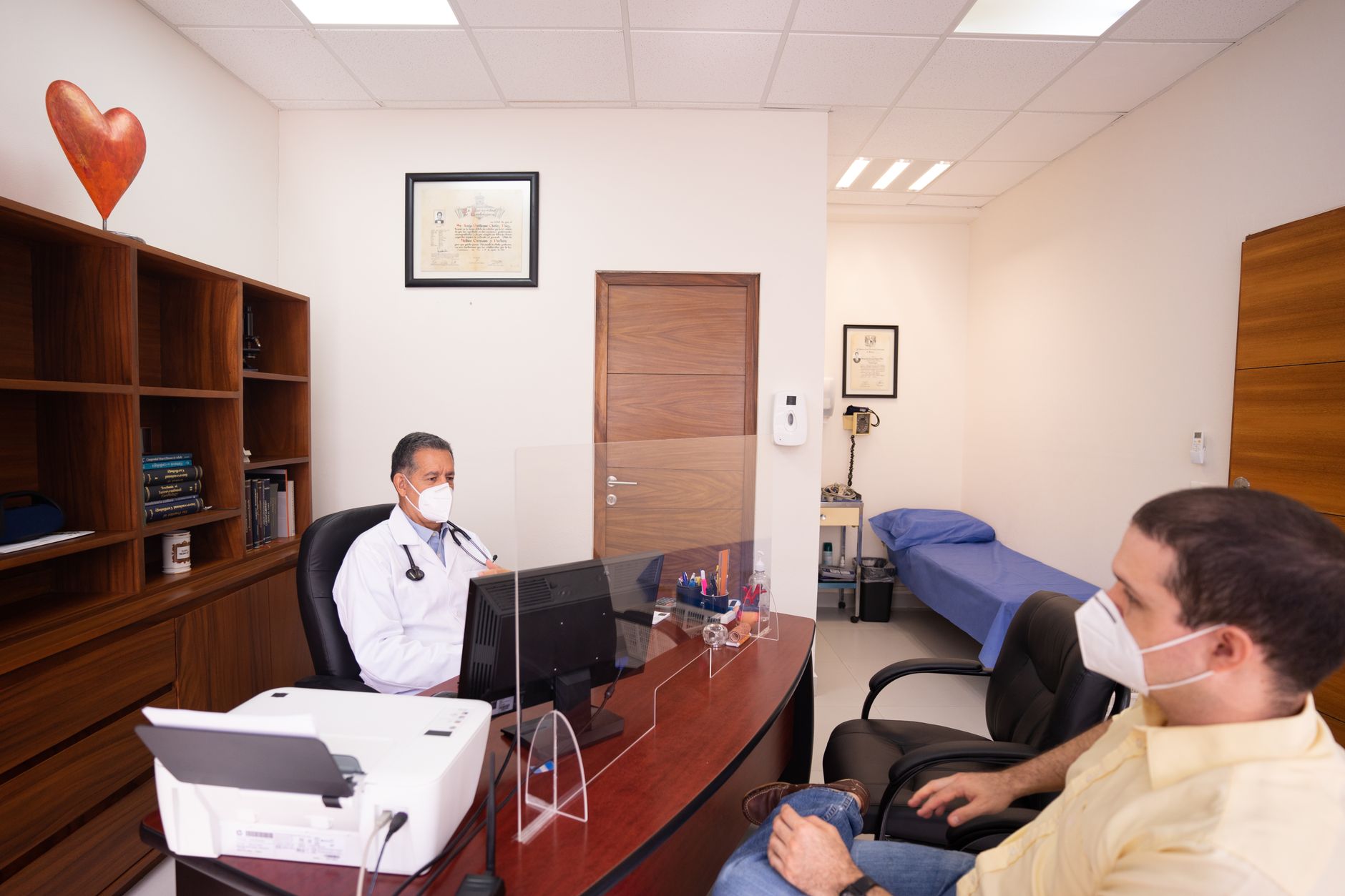
Surviving a heart attack is a turning point. For many people across India — including patients we see every week in Rajkot — the first question after leaving the hospital is a quiet, anxious one: "Will it happen again?"
The honest answer from decades of cardiovascular research is both sobering and deeply encouraging. Yes, the risk of a second heart attack (called a recurrent myocardial infarction) is real — but it is also substantially reducible. Studies show that people who follow an evidence-based secondary prevention plan can cut their risk of a second event by 50–80% compared with those who make no changes. That is not a small number. It is a life-changing one.
This article walks you through exactly what the evidence recommends — medicines, lifestyle, monitoring, and mindset.
Why Is the Risk of a Second Heart Attack Higher?
After a first heart attack, the underlying problem — atherosclerosis (fatty plaque build-up inside the arteries) — does not disappear. In fact, the arteries that weren't treated during the emergency procedure may still carry significant plaque. The heart muscle may also be slightly weaker, and the body's clotting system is on higher alert.
This is why global cardiology guidelines (including those from the American Heart Association, European Society of Cardiology, and the Cardiological Society of India) classify survivors of a heart attack as very high cardiovascular risk patients who need active, lifelong management.
The good news? Every single one of the risk factors that leads to a second heart attack is modifiable. Let's go through them one by one.
1. Take Your Medicines — Every Single Day
This is, without question, the most evidence-backed step you can take.
After a heart attack, your cardiologist will typically prescribe a combination of medicines. These usually include:
- Dual antiplatelet therapy (e.g., aspirin + a second agent like clopidogrel or ticagrelor) to prevent clots from forming inside the stents or arteries
- High-intensity statins to aggressively lower LDL ("bad") cholesterol and stabilise plaque
- Beta-blockers to reduce the heart's workload and protect against abnormal rhythms
- ACE inhibitors or ARBs to support heart function and manage blood pressure
Large clinical trials have shown that stopping these medicines — even feeling "fine" — can significantly raise the risk of a recurrent event. A common scenario we encounter: a 55-year-old might feel so well six months after a stent procedure that they quietly stop taking their tablets. Within a year, they are back in the emergency room.
Never stop or change cardiac medicines without talking to your cardiologist first.
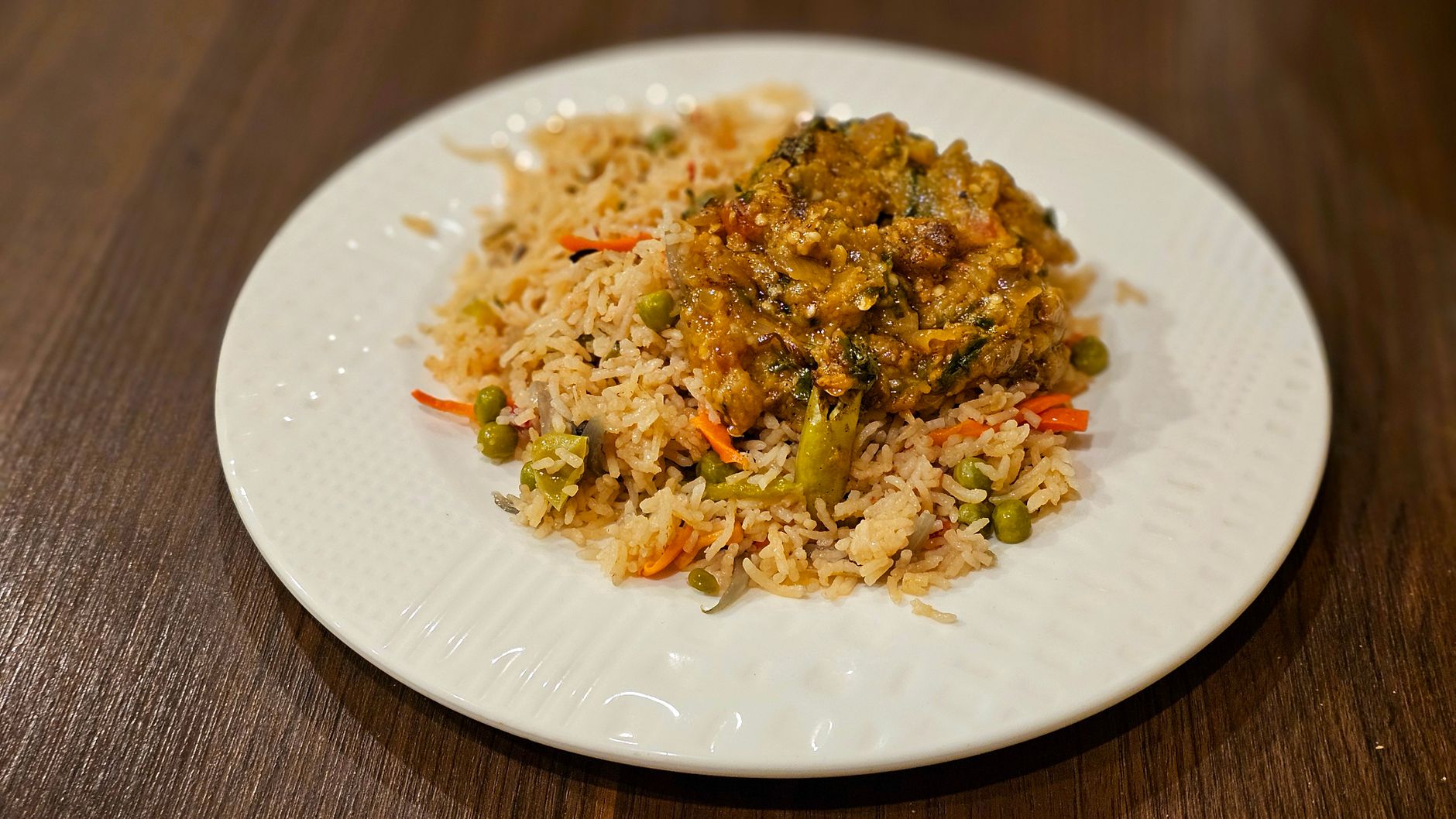
2. Rethink What Goes on Your Plate
India's traditional diet can be wonderfully heart-friendly — or it can work against you, depending on choices. Evidence strongly supports a predominantly plant-based, low-saturated-fat diet for secondary prevention.
What to eat more of:
- Vegetables, leafy greens, legumes (dal, rajma, chana)
- Whole grains (bajra, jowar, oats, brown rice) over refined flour (maida)
- Fresh fruit (especially those lower in sugar, like guava, papaya, and citrus)
- Nuts and seeds (a small fistful of walnuts or almonds daily)
- Fish (a good source of heart-protective omega-3 fatty acids)
What to reduce:
- Fried snacks, vanaspati/dalda, and packaged foods high in trans fats
- Excess salt (aim for under 5 g per day — less than one teaspoon total)
- Sugary drinks, mithai, and refined sweets
- Red and processed meats
Even modest dietary improvements — switching from white rice to millets at one meal a day, for example — have shown measurable benefits in Indian population studies.
3. Move Your Body — Safely and Consistently
Exercise after a heart attack might feel counterintuitive, even frightening. But rest assured: supervised physical activity is one of the most powerful tools for reducing recurrence risk.
The key word here is supervised, especially in the first few months.
What the evidence recommends:
- 150 minutes of moderate aerobic activity per week (e.g., brisk walking, cycling, swimming) as a long-term goal
- Start slowly — even a 10-minute gentle walk after medical clearance is a meaningful beginning
- Avoid sudden bursts of very intense exertion, especially in the early recovery phase
- Yoga and breathing exercises (pranayama) have shown benefits for blood pressure and stress in Indian patients

Cardiac Rehabilitation — India's Underused Lifesaver
Cardiac rehabilitation (cardiac rehab) is a structured, medically supervised programme of exercise, education, and emotional support for heart attack survivors. International evidence is unambiguous: cardiac rehab reduces cardiac mortality by around 20–25% and significantly improves quality of life.
Despite this, uptake in India remains low. If your hospital or cardiologist offers a cardiac rehab programme — in Rajkot or elsewhere — please consider enrolling. It is one of the highest-value steps available to you.
4. Manage Your Numbers
After a heart attack, certain measurable targets become especially important. Regular monitoring is not optional — it is part of the treatment.
| Measurement | Target for Post-Heart Attack Patients |
|---|---|
| LDL Cholesterol | < 55 mg/dL (very high-risk target per ESC guidelines) |
| Blood Pressure | < 130/80 mmHg |
| HbA1c (if diabetic) | < 7% (individualised) |
| BMI | 18.5–24.9 kg/m² |
| Waist circumference (men) | < 90 cm (South Asian threshold) |
These targets may look strict — and they are. The evidence for aggressive LDL lowering in particular is very strong: every 1 mmol/L reduction in LDL reduces the risk of a future cardiovascular event by roughly 22%, according to the landmark Cholesterol Treatment Trialists' analysis.
5. Stop Smoking — Completely
If you smoke, quitting is the single most impactful lifestyle change you can make after a heart attack.
Within 24 hours of stopping, heart rate and blood pressure begin to normalise. Within one year, the excess cardiovascular risk from smoking drops dramatically. Within 5–15 years, risk approaches that of a non-smoker.
There is no "safe" number of cigarettes. Even 1–2 cigarettes a day maintain significant cardiovascular risk. Chewing tobacco (gutka, khaini) — widely used across Gujarat and India — carries a similarly serious risk and must also be stopped completely.
Speak to your cardiologist about nicotine replacement therapy or medicines that can help you quit.
6. Protect Your Mental Health
The connection between the heart and the mind is not poetic — it is physiological. Depression affects up to 20–30% of heart attack survivors and is an independent risk factor for recurrence. Anxiety, chronic stress, and social isolation all activate the body's stress hormones, raise blood pressure, and promote inflammation in the arteries.
In Indian families, emotional health is sometimes overlooked in favour of physical symptoms. Please do not ignore feelings of persistent sadness, hopelessness, excessive worry, or social withdrawal after a cardiac event. Tell your doctor. Effective support — whether counselling, medication, or community — is available.

7. Keep Every Follow-Up Appointment
Secondary prevention is not a single conversation — it is an ongoing relationship with your cardiologist. Follow-up visits allow your doctor to:
- Check that your medicines are working (and adjust doses if needed)
- Monitor your cholesterol, blood pressure, and blood sugar
- Detect early warning signs of complications
- Keep you motivated and on track
For patients in and around Rajkot, Gujarat, regular outpatient review with an interventional cardiologist ensures your post-heart attack plan stays tailored to your specific risk profile — not a generic checklist.
Key Takeaways
- A second heart attack is not inevitable. Evidence-based prevention can substantially reduce your risk.
- Take all prescribed medicines every day, and never stop without medical advice.
- Eat a heart-healthy diet rich in vegetables, whole grains, legumes, and healthy fats.
- Exercise regularly — start gently, build gradually, and ask about cardiac rehabilitation.
- Hit your numbers: LDL, blood pressure, blood sugar, and weight all matter.
- Quit tobacco completely — cigarettes and chewing tobacco both raise risk significantly.
- Protect your mental health — depression and stress are cardiac risk factors too.
- Attend every follow-up with your cardiologist; prevention is an active, ongoing process.
A Final Word
A heart attack is a serious event, but for many people it becomes a catalyst for the most positive health changes of their lives. With the right medicines, the right habits, and the right medical team alongside you, a long and active life after a heart attack is entirely within reach.
If you have had a heart attack — or if someone in your family has — please do not delay. Speak with a qualified cardiologist to build a personalised secondary prevention plan. Early action saves lives.
To discuss your heart health with Dr. Nikhila Pachani, Consultant Interventional Cardiologist in Rajkot, Gujarat, feel free to book a consultation. Your heart deserves consistent, expert care.
Frequently asked questions
- How soon after a heart attack can I start exercising?
- Most patients can begin gentle activity — such as short, slow walks — within 1–2 weeks of a heart attack, depending on their recovery. A structured exercise programme should only be started after your cardiologist gives clearance. Cardiac rehabilitation programmes provide a safe, supervised environment to build up activity levels gradually.
- Do I have to take heart medicines for life after a heart attack?
- For most patients, yes — key medicines such as statins, antiplatelet agents, and blood pressure medications are recommended long-term because the underlying risk of plaque build-up and clotting does not disappear. Your cardiologist may adjust doses over time, but stopping medicines without medical advice can significantly increase the risk of a second event.
- What cholesterol level should I aim for after a heart attack?
- According to current international and Indian cardiology guidelines, people who have had a heart attack are considered 'very high risk' and should aim for an LDL cholesterol level below 55 mg/dL. Your cardiologist will monitor this regularly and may adjust your statin dose or add additional medication if needed.
- Is chewing tobacco (gutka or khaini) as dangerous as smoking after a heart attack?
- Yes. Chewing tobacco is associated with the same serious cardiovascular risks as cigarette smoking, including increased risk of heart attack recurrence, high blood pressure, and stroke. All forms of tobacco — smoked or smokeless — should be stopped completely after a heart attack. Your doctor can advise on support strategies to help you quit.