What Is Primary Angioplasty?
When someone has a major heart attack — the kind caused by a completely blocked artery — every single minute without treatment means more heart muscle is lost. Primary angioplasty is the procedure used to open that blocked artery as quickly as possible, restore blood flow, and limit damage to the heart.
The medical term you may hear is primary percutaneous coronary intervention, or primary PCI. It is widely recognised as the most effective emergency treatment for the most serious type of heart attack, called a STEMI (ST-Elevation Myocardial Infarction).
Understanding what this procedure involves — and, just as importantly, why speed matters so much — can genuinely help you or someone you love make faster, better decisions in a frightening moment.
The Heart Attack Clock: Why "Time Is Muscle"
Cardiologists often say "time is muscle" — and they mean it literally. The heart is supplied by coronary arteries that carry oxygen-rich blood to the heart muscle. During a STEMI, one of these arteries becomes completely blocked, usually by a blood clot forming on top of a ruptured fatty plaque.
With no blood flowing, the heart muscle that depends on that artery begins to die. This process starts within 20–30 minutes of the blockage and progresses rapidly. By 6–12 hours, a large area of muscle may be permanently damaged.
Here is a simple way to picture it:
- 0–90 minutes: Restoring blood flow can save the most muscle and offers the greatest survival benefit.
- 90–120 minutes: Significant benefit is still possible, but some muscle has already been lost.
- Beyond 12 hours: The window for full benefit narrows considerably, though treatment is still important.
This is why the global standard in cardiac care focuses on a target called "door-to-balloon time" — the time from when a patient arrives at a hospital to when the blocked artery is reopened. The goal is 90 minutes or less.
Recognising a Heart Attack: Act Without Delay
Before primary angioplasty can help, you need to reach a hospital. Recognising the warning signs early is the first, most important step.
Common symptoms of a heart attack include:
- Chest pain or pressure — often described as squeezing, heaviness, or tightness in the centre or left side of the chest
- Pain spreading to the left arm, jaw, neck, or back
- Shortness of breath, even without chest pain
- Sweating, nausea, or dizziness — especially when combined with chest discomfort
- A sense of "something is very wrong"
Important: Symptoms in women, older adults, and people with diabetes can sometimes be more subtle — nausea, fatigue, or jaw pain without classic chest pain. When in doubt, seek emergency care immediately.
In Rajkot and across Gujarat, the message is simple: do not drive yourself, do not wait to see if it passes — call for emergency help right away. Getting to a well-equipped cardiac centre quickly is the single most powerful thing you can do in those early minutes.
How Primary Angioplasty Works: Step by Step
Once you arrive at a hospital equipped for emergency cardiac intervention, the team moves swiftly and in a coordinated manner. Here is what happens:
1. Rapid Assessment
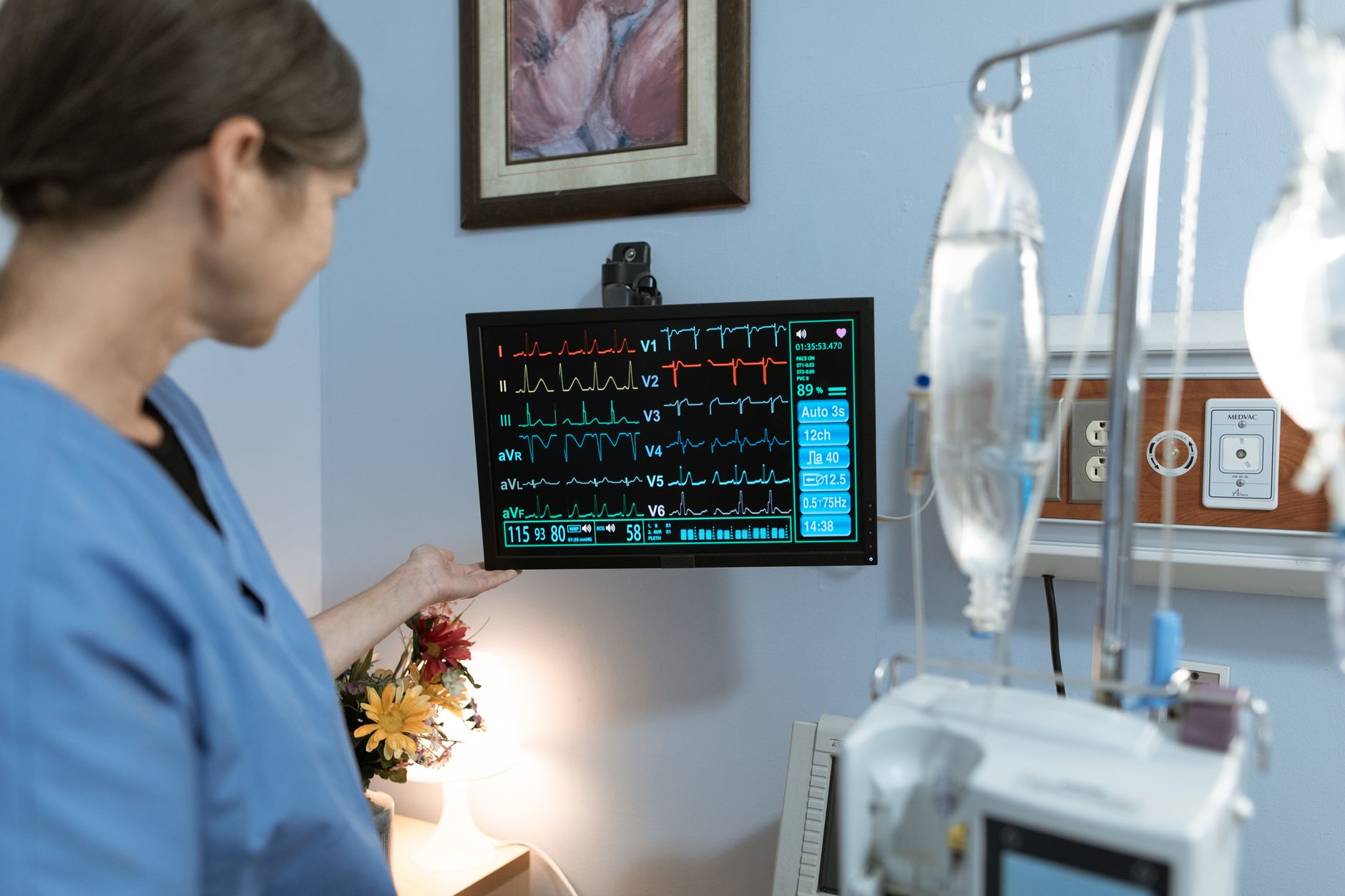
An ECG (electrocardiogram) is performed almost immediately — often within 10 minutes of arrival. If a STEMI is confirmed, the cardiac catheterisation team is activated without delay.
2. Preparation
You are taken to the catheterisation laboratory (cath lab). A small area, usually at the wrist (radial artery) or groin (femoral artery), is numbed with local anaesthesia. You remain awake but will feel comfortable throughout.
3. Inserting the Catheter
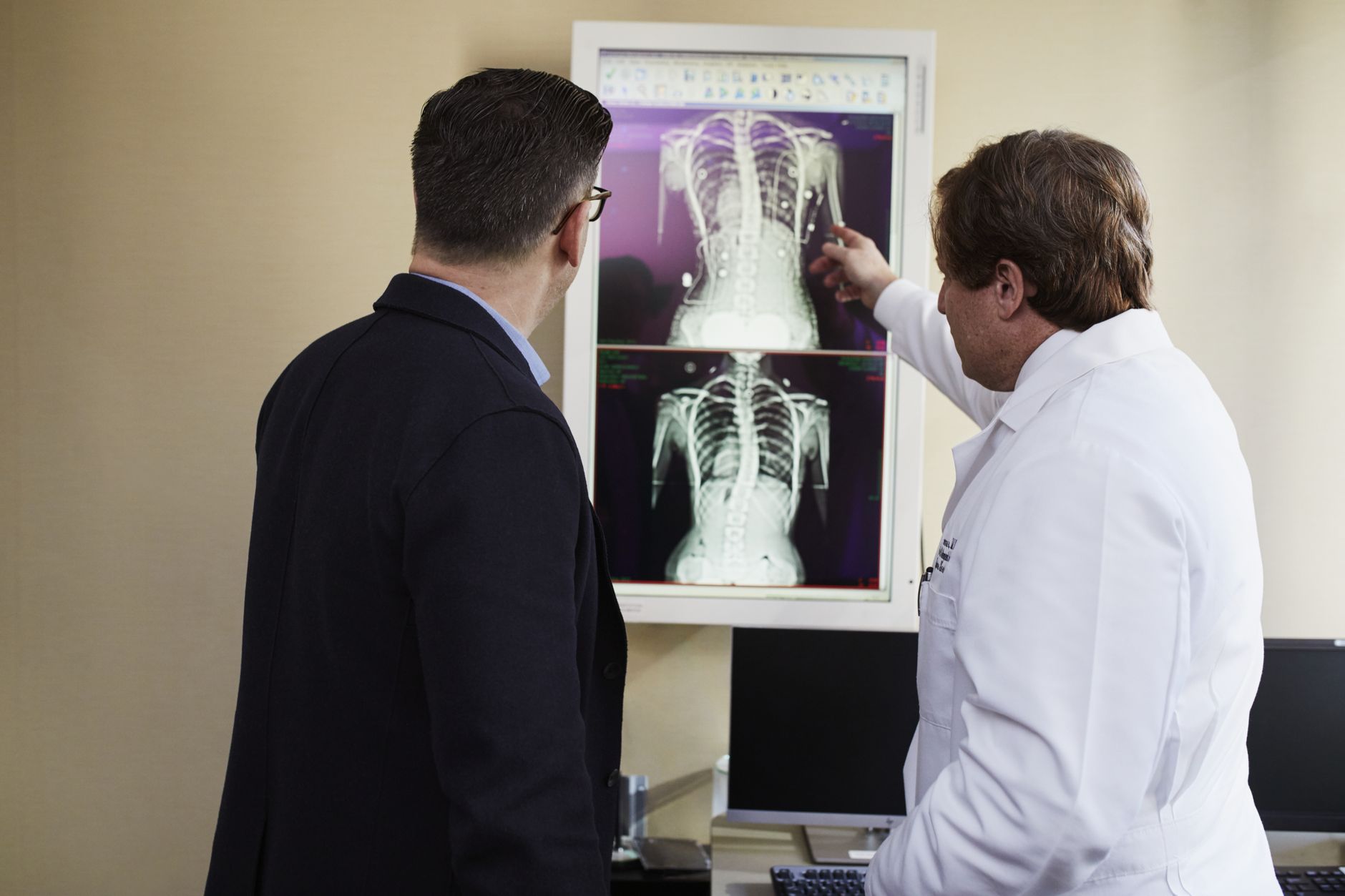
A thin, flexible tube called a catheter is gently guided through the artery, all the way up to the coronary arteries of the heart. A contrast dye is injected so the cardiologist can clearly see where the blockage is on a live X-ray screen — this part is called a coronary angiogram.
4. Opening the Blockage
A very fine wire is carefully passed through the blockage. A small balloon at the tip of a catheter is then inflated to compress the clot and plaque, opening the artery. This is the "balloon" in the term "balloon angioplasty."
5. Placing a Stent
In almost all cases, a small mesh tube called a stent is placed at the site of the blockage. The stent acts like a scaffold, keeping the artery open so blood can flow freely again. Modern stents are often drug-eluting — they release medication slowly to reduce the chance of the artery narrowing again.
6. Confirming Blood Flow
The cardiologist confirms on the screen that blood is flowing well through the artery once more. This moment — restoring TIMI 3 flow, as it is called medically — is the goal of the entire procedure.
The procedure itself typically takes 30–60 minutes, though the preparation time around it can vary.
What to Expect After the Procedure
Recovery from primary angioplasty is generally faster than many people expect.
- In hospital: Most patients are monitored in a cardiac care unit for 24–48 hours. Nurses and doctors will check your heart rhythm, blood pressure, and the catheter entry site.
- Medications: You will be prescribed a combination of blood-thinning medications (typically dual antiplatelet therapy) to keep the stent open. It is very important to take these exactly as directed and not to stop them without consulting your cardiologist.
- Going home: Many patients are discharged within 2–4 days if there are no complications.
- Activity: Light activity is usually encouraged within a week. Your cardiologist will give you a personalised plan.
- Cardiac rehabilitation: A structured rehabilitation programme — combining guided exercise, diet advice, and emotional support — significantly improves long-term outcomes and is strongly recommended.
To illustrate: a 55-year-old might arrive at a cardiac centre with a STEMI, undergo primary angioplasty within 75 minutes of arrival, and be walking short distances by the next morning. Recovery timelines vary for every individual, but this shows how effective timely treatment can be.
Risks and Realistic Expectations
Primary angioplasty is a well-established, evidence-backed procedure, but like any medical intervention, it carries some risks. These are generally low and are outweighed by the significant benefit of opening a blocked artery quickly during a heart attack.
Possible risks include:
- Bleeding at the catheter entry site
- Allergic reaction to the contrast dye
- Damage to the artery (rare)
- Irregular heart rhythms during the procedure
- Re-narrowing of the treated artery over time (reduced significantly with modern drug-eluting stents)
Your cardiologist will discuss the specific risks and benefits with you and your family before proceeding, even in an emergency setting.
How to Be Prepared Before an Emergency Happens
You do not have to wait for an emergency to think about this. Here are practical steps anyone can take:
- Know the nearest 24-hour cardiac centre in your area. In Rajkot, several hospitals are equipped with cath labs capable of performing emergency primary angioplasty.
- Save the emergency number on your phone and make sure family members know it too.
- Know the symptoms — and share this knowledge with your family, especially elders.
- Manage your risk factors proactively: control blood pressure, cholesterol, and blood sugar; avoid tobacco; stay active; and eat a heart-healthy diet.
- Attend regular cardiac check-ups if you have known risk factors such as diabetes, hypertension, a family history of heart disease, or if you smoke.

Key Takeaways
- Primary angioplasty is the emergency procedure used to open a blocked coronary artery during a STEMI (major heart attack).
- The phrase "time is muscle" is real — every minute of delay means more heart muscle at risk.
- The target is to open the blocked artery within 90 minutes of hospital arrival.
- Recognise symptoms early and call for emergency help without delay — do not wait or self-drive.
- The procedure involves a catheter, a balloon, and usually a stent; it is performed under local anaesthesia.
- Post-procedure medications must not be stopped without medical advice.
- Cardiac rehabilitation significantly improves long-term recovery.
- Knowing your nearest cardiac centre in advance can save precious minutes when it matters most.
If you have risk factors for heart disease, a family history of heart attacks, or simply want to understand your heart health better, we warmly encourage you to book a consultation with a qualified interventional cardiologist. Early conversations can make all the difference.
Frequently asked questions
- What is primary angioplasty and how is it different from regular angioplasty?
- Primary angioplasty (primary PCI) is an emergency procedure performed during an active heart attack to immediately open a blocked coronary artery. Regular or elective angioplasty is a planned procedure done in stable patients to treat narrowed arteries. The key difference is the urgency — primary angioplasty is a race against time to save heart muscle.
- How long does a primary angioplasty procedure take?
- The procedure itself typically takes 30 to 60 minutes. However, the total time from hospital arrival to completion depends on how quickly the team can prepare and how complex the blockage is. The global target is to have the artery open within 90 minutes of the patient arriving at the hospital.
- Will I be awake during a primary angioplasty?
- Yes, most patients are awake during the procedure. The area where the catheter is inserted (usually the wrist or groin) is numbed with local anaesthesia, so you should not feel sharp pain at that site. You may feel some pressure or warmth, and the team will keep you informed throughout to help you feel at ease.
- How soon can I return to normal activities after primary angioplasty for a heart attack?
- Recovery varies for each person depending on the extent of heart muscle affected and overall health. Many patients begin light activity within a week and return to routine daily tasks within 2–4 weeks. Your cardiologist will create a personalised recovery plan, and a cardiac rehabilitation programme is strongly recommended to support a safe and steady return to activity.