
Receiving a TAVI — transcatheter aortic valve implantation — is a significant milestone. You have just had a diseased aortic valve replaced through a small puncture in the groin or wrist, without open-heart surgery. That is remarkable. But the procedure itself is only the first step. What happens in the weeks and months after TAVI shapes how well your new valve serves you, and how confidently you return to everyday life.
This guide walks you through what recovery after TAVI valve procedure truly looks like — from the first hours in the hospital to long-term heart-healthy living.
The First 24–48 Hours: Waking Up to a New Valve
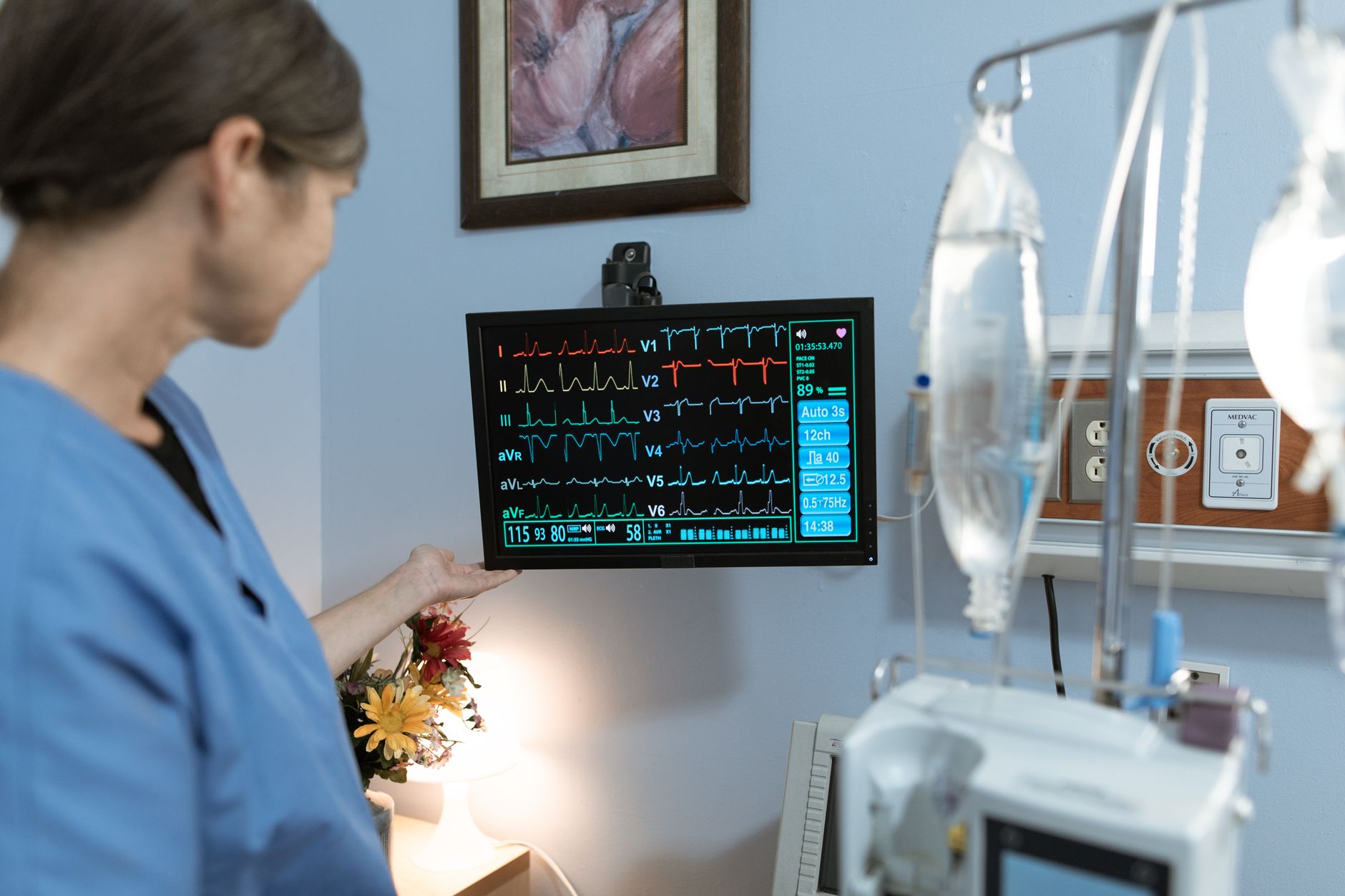
Most TAVI patients are awake or lightly sedated during the procedure. Once it is complete, you are moved to a recovery area or cardiac care unit where the team monitors your heart rhythm, blood pressure, and the access site closely.
In Rajkot and across India, most patients spend two to five days in hospital after TAVI, depending on how smoothly the procedure went and how quickly the body settles. Your care team will:
- Watch for any irregular heartbeat (arrhythmia), which can sometimes occur as the heart adjusts to its new valve
- Check the access site — usually the groin (femoral artery) — for bleeding or swelling
- Monitor kidney function, since the contrast dye used during the procedure can temporarily affect the kidneys
- Perform an echocardiogram (heart ultrasound) to confirm the new valve is sitting and opening correctly
You may be surprised at how quickly you feel better. Many patients notice their breathlessness improving within a day or two — sometimes the change feels dramatic after months or years of living with a narrowed valve.
Going Home: The First Two Weeks
Discharge is an exciting but sometimes anxious moment. A few clear guidelines make this transition much smoother.
Access Site Care
If the procedure was done through the groin, you will likely have a small wound with a closure device or stitches. Keep it clean and dry. Avoid scrubbing the area. Watch for:
- Increasing redness, warmth, or swelling
- Any fluid oozing from the site
- A new lump or bruise that is growing
These are reasons to call your cardiologist promptly. A little bruising and mild tenderness in the first week is normal.
Activity: Start Gentle, Build Slowly
Rest does not mean complete bed rest. Short, gentle walks around the home from day one or two are actually encouraged — they keep the circulation moving and prevent clots. The general guidance is:
- Week 1–2: Short walks indoors, light household activity; avoid lifting anything heavier than 2–3 kg
- Week 3–4: Gradually increase walking distance; short walks outdoors on flat ground are fine
- Week 5–6: Most patients can resume light social activities and self-care without restrictions
- After 6–8 weeks: Return to more active routines, guided by your cardiologist
Avoid driving for at least two to four weeks, or until your doctor clears you. Avoid strenuous activity, heavy lifting, and vigorous exercise until you receive specific guidance.
Diet After TAVI
There is no rigid "TAVI diet," but a heart-healthy approach matters — especially if you have accompanying conditions like high blood pressure or diabetes. Focus on:
- Fresh vegetables, fruits, whole grains, and pulses (dal, sabzi, roti made from whole wheat are excellent staples)
- Limiting salt (sodium) to protect blood pressure
- Reducing fried foods, packaged snacks, and excess sugar
- Staying well-hydrated, especially in Rajkot's warm climate

Medications: Taking Them Seriously
This is one of the most important sections of your recovery. TAVI patients are typically prescribed a combination of medicines. Do not stop or change any of them without consulting your cardiologist.
Blood Thinners (Antiplatelets / Anticoagulants)
A new valve, while life-changing, needs time to be fully covered by your body's own cells. In the meantime, blood thinners prevent clots from forming on the valve. Most patients are placed on:
- Dual antiplatelet therapy (aspirin plus clopidogrel) for three to six months, then aspirin alone — for those without atrial fibrillation
- Oral anticoagulants (such as warfarin or a newer blood thinner) — for those who also have atrial fibrillation
Never skip doses. If you need a dental procedure or any surgery, inform that doctor that you are on blood thinners and also alert your cardiologist beforehand.
Other Heart Medicines
You may also continue medicines for blood pressure, heart rate, cholesterol, or diabetes. These support the overall health of your heart, not just the new valve.
Antibiotic Cover for Dental Procedures
People with prosthetic (replacement) heart valves need to take a preventive antibiotic dose before certain dental or invasive procedures to guard against a serious infection called infective endocarditis. Your cardiologist will give you a specific protocol and a card to carry.
Follow-Up Appointments: Do Not Skip These
Regular check-ins with your cardiologist are essential during recovery after TAVI valve procedure. A typical follow-up schedule looks like this:
| Time After TAVI | What Happens |
|---|---|
| 1–2 weeks | Wound check, ECG, blood tests |
| 4–6 weeks | Echocardiogram, medication review |
| 3 months | Echo, valve function assessment |
| 6 months | Comprehensive review |
| Every year (lifelong) | Echo, ECG, clinical assessment |
These visits allow your cardiologist to spot any concerns early — such as a slight leak around the valve (paravalvular leak), pacemaker-related issues, or changes in valve gradients — all before they become problems.

Warning Signs: When to Seek Immediate Help
Most TAVI recoveries are smooth, but knowing the warning signs ensures you act quickly when it matters. Seek urgent medical attention if you experience:
- Chest pain or tightness
- Sudden breathlessness or worsening shortness of breath
- Fainting or near-fainting (syncope)
- Very slow, very fast, or irregular heartbeat that feels new
- Stroke symptoms: sudden weakness on one side of the body, facial drooping, or slurred speech
- High fever (above 38.5°C) lasting more than a day — this could indicate infection
- Significant bleeding or swelling at the access site
In Rajkot and nearby areas, do not delay — head to the nearest cardiac emergency or contact your interventional cardiologist's clinic directly.
Life After TAVI: What to Expect Long-Term
For most patients, life after a TAVI is genuinely improved. Studies consistently show that patients experience:
- Significantly less breathlessness during daily activities
- Better exercise capacity — climbing stairs, walking to the market, and completing household tasks feel easier
- Improved quality of life within weeks to months of the procedure
Consider a 72-year-old illustrative patient who, before TAVI, struggled to walk from one room to another. Three months after the procedure, with careful medication adherence and gradual walking, they are able to attend family functions and take morning walks in their neighbourhood. This kind of transformation is what the procedure is designed to make possible.
Mental and Emotional Wellbeing
It is normal to feel anxious or emotionally overwhelmed after any heart procedure. Some patients feel cautious about exerting themselves, even when medically cleared. Others may feel mild low mood or fatigue — a common phenomenon after major cardiac events.
Speak openly with your care team. Gentle yoga, breathing exercises (pranayama), and social connection with family and friends all support emotional recovery alongside physical healing.
Cardiac Rehabilitation
If cardiac rehabilitation is available to you, consider enrolling. These structured programmes include supervised exercise, diet counselling, and mental health support, and they are known to improve outcomes after valve procedures.
Key Takeaways
- Recovery after TAVI valve procedure is generally faster than open-heart surgery, with most patients home in two to five days.
- Medication adherence — especially blood thinners — is non-negotiable during the recovery period.
- Gradual, guided return to activity is the right approach; neither complete rest nor rushing back is advisable.
- Regular follow-up echocardiograms are essential to monitor valve performance over time.
- A heart-healthy diet and lifestyle support the long-term success of your new valve.
- Know the warning signs and seek help promptly if something feels wrong.
- Emotional wellbeing matters — do not hesitate to talk about how you are feeling.
Every person's recovery journey is unique. If you or a loved one has recently undergone TAVI — or is considering the procedure — speaking with a qualified interventional cardiologist is the most important next step. Dr. Nikhila Pachani's clinic in Rajkot is available to guide you through every stage of your recovery with personalised, evidence-based care. Book a consultation today and take confident charge of your heart health.
Frequently asked questions
- How long does recovery after TAVI valve procedure usually take?
- Most patients are discharged from hospital within two to five days after TAVI. Light daily activity is usually possible within one to two weeks, and many patients feel significantly better within four to six weeks. A full return to normal activities typically takes six to eight weeks, guided by your cardiologist.
- Can I stop my blood thinners once I feel better after TAVI?
- No — please do not stop blood thinners without your cardiologist's guidance. These medicines protect the new valve from clot formation while your body adjusts. Stopping them early increases the risk of serious complications, even if you feel completely well.
- Do I need to take antibiotics before dental work after TAVI?
- Yes. People with prosthetic heart valves, including those implanted via TAVI, are advised to take a preventive antibiotic dose before certain dental and invasive procedures. This protects against a rare but serious valve infection called infective endocarditis. Your cardiologist will provide a specific protocol.
- How often do I need a heart echo (echocardiogram) after TAVI?
- An echocardiogram is typically performed before discharge, then at around four to six weeks, three months, six months, and annually thereafter for life. These scans allow your cardiologist to monitor how well the new valve is working and catch any changes early.