
Rheumatic heart disease (RHD) is one of those conditions that quietly affects millions of lives — yet it is largely preventable. While wealthier parts of the world have nearly eliminated it, India continues to carry one of the highest burdens of this disease. In cities like Rajkot and across Gujarat, cardiologists still see patients — especially young adults and teenagers — whose hearts have been permanently damaged by a condition that began as a simple sore throat years earlier.
Understanding how this disease starts, how it progresses, and — most importantly — how it can be stopped is something every family in India deserves to know.
What Is Rheumatic Heart Disease?
Rheumatic heart disease is damage to one or more heart valves caused by repeated episodes of rheumatic fever. The valves — most often the mitral valve — become thickened, scarred, or stiff, and can no longer open and close properly.
When a valve does not open wide enough (called stenosis), blood flow is restricted. When it does not close tightly (called regurgitation), blood leaks backward. Over time, either problem forces the heart to work much harder, potentially leading to heart failure, abnormal heart rhythms (arrhythmias), stroke, or the need for valve surgery.
The key thing to understand is this: rheumatic heart disease does not come out of nowhere. It begins with a bacterial throat infection — and that is exactly where prevention is possible.
How Does It All Begin? The Strep Throat Connection
The story of rheumatic heart disease starts with a bacterium called Group A Streptococcus (GAS) — the germ responsible for strep throat (pharyngitis).
When a child or teenager gets a strep throat infection and it is not treated properly with antibiotics, the immune system mounts a strong response. In some people, this immune response mistakenly attacks the body's own tissues — particularly the heart, joints, brain, and skin. This overreaction is called acute rheumatic fever (ARF).
A single episode of acute rheumatic fever can inflame the heart (a condition called carditis). Repeated episodes — which are very common in areas where strep throat keeps circulating — cause worsening scar tissue to build up on the heart valves. This is how rheumatic heart disease develops over months and years.
Why Is India Still So Affected?
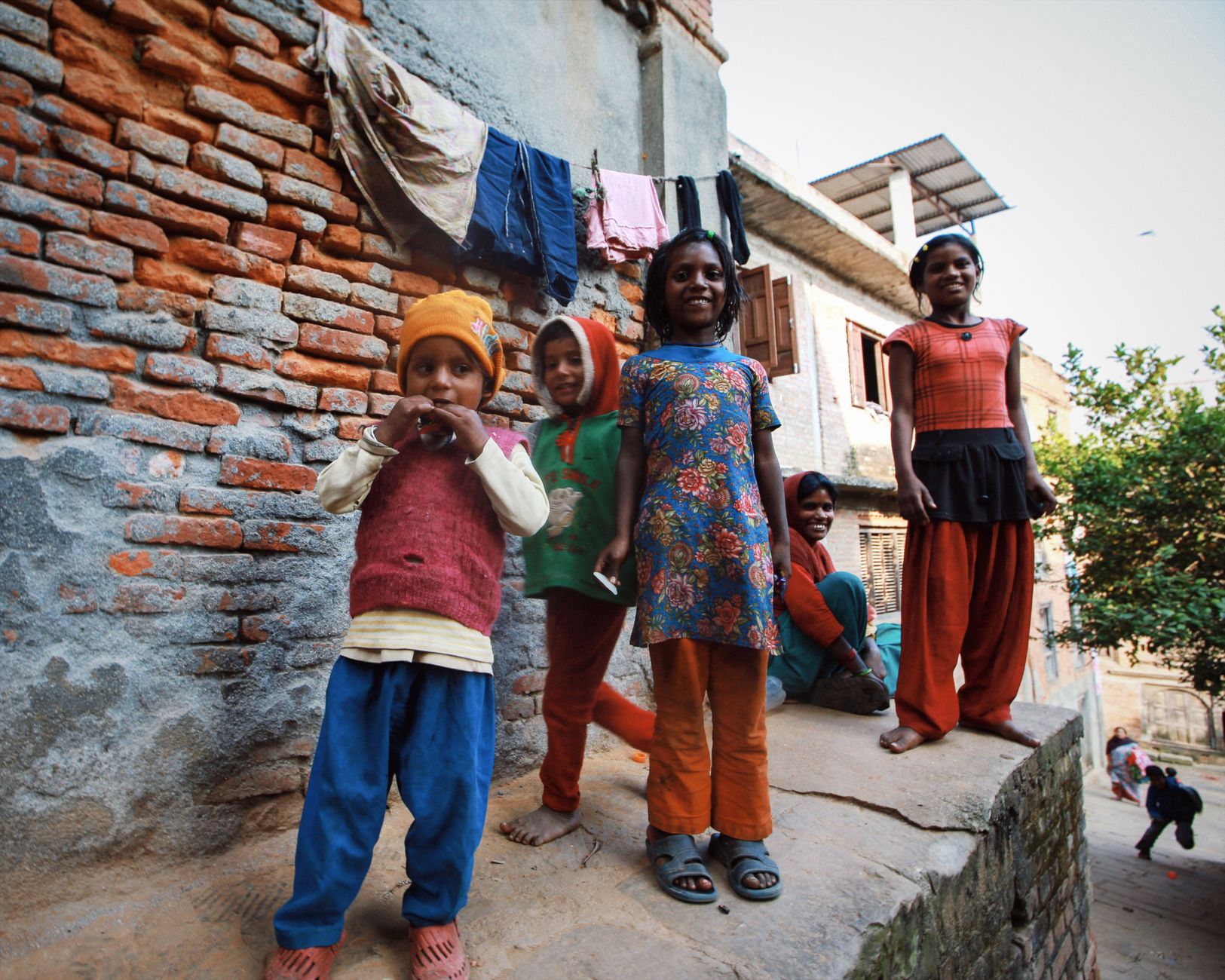
India accounts for a disproportionately large share of the global burden of rheumatic heart disease. Several factors contribute to this:
- Overcrowding: Strep throat spreads rapidly in densely populated homes, schools, and communities.
- Limited access to timely healthcare: Sore throats are often dismissed or treated with home remedies rather than tested and treated with antibiotics.
- Poor awareness: Many families do not know that a sore throat can have long-term heart consequences.
- Lack of follow-up: Even when rheumatic fever is diagnosed, long-term preventive treatment (secondary prophylaxis) is often not continued as recommended.
- Nutritional factors: Malnutrition can weaken immunity, making children more vulnerable to repeated infections.
This is not a failure of any single family — it is a systemic challenge that requires both medical and community-level solutions.
Who Is Most at Risk?
Rheumatic heart disease predominantly affects children and young adults between the ages of 5 and 25, though its consequences are often felt for life. Key risk factors include:
- Living in crowded or poorly ventilated households
- Repeated untreated throat infections in childhood
- A family history of rheumatic fever or RHD
- Low socioeconomic conditions with limited healthcare access
- Having had a confirmed previous episode of acute rheumatic fever
For illustrative purposes: a 14-year-old living in a crowded urban setting may develop recurrent sore throats every year. If none of these episodes are treated with a proper antibiotic course, they may silently accumulate damage to the mitral valve — only to present with breathlessness or heart failure in their twenties or thirties.
Recognising the Warning Signs
Acute rheumatic fever — the stage at which intervention can still prevent heart valve damage — has several recognisable features:
- Fever (often high-grade)
- Painful, swollen joints (typically the knees, ankles, elbows, or wrists), which may "migrate" from joint to joint
- Chest pain or palpitations (suggesting heart involvement)
- A skin rash with a distinctive pink, wavy border (erythema marginatum)
- Involuntary jerky movements of the hands or face (Sydenham's chorea)
- Sore throat in the days or weeks before the above symptoms
Once rheumatic heart disease has set in, patients may notice:
- Shortness of breath, especially on exertion or while lying flat
- Fatigue and reduced exercise tolerance
- Swelling in the legs or abdomen
- Heart palpitations or an irregular heartbeat

If any of these symptoms appear — particularly in a young person with a history of repeated sore throats or a prior episode of rheumatic fever — please seek a medical evaluation promptly. An echocardiogram (echo) can clearly show valve damage and is widely available in Rajkot and other cities across Gujarat.
Prevention: Where the Real Victory Lies
The encouraging news is that rheumatic heart disease is largely preventable — at every stage.
Primary Prevention: Treating Strep Throat Early
The very first line of defence is treating strep throat promptly with a full course of antibiotics, typically penicillin or amoxicillin for 10 days. This clears the infection before the immune system can cause collateral damage to the heart.
What families can do:
- Take throat pain and fever seriously, especially in children
- Visit a doctor for any severe or persistent sore throat — do not rely solely on home remedies
- Complete the full antibiotic course even if the child feels better after a few days
Secondary Prevention: Stopping Recurrences
Once a child has had one episode of acute rheumatic fever, they are at high risk of repeat episodes with each new strep infection — and each recurrence risks further heart damage.
Secondary prophylaxis involves regular injections of benzathine penicillin (usually once every three to four weeks) for a number of years — sometimes into adulthood, depending on whether heart involvement occurred. This is one of the most cost-effective interventions in all of medicine.
It requires commitment and good follow-up, but it genuinely works. Families and patients who maintain this regimen consistently protect themselves from progressive valve damage.

Tertiary Prevention: Managing Established Disease
For those already living with rheumatic heart disease, the goal shifts to managing symptoms, slowing progression, and preventing complications. This may involve:
- Medications to control heart rate, reduce fluid retention, or prevent blood clots
- Regular echocardiographic monitoring to track valve function over time
- Valve intervention — either balloon valvuloplasty (a non-invasive procedure to open a narrowed valve) or valve repair/replacement surgery — when the condition becomes severe
Interventional cardiologists play an important role at this stage. Procedures like balloon mitral valvotomy can significantly improve quality of life for patients with mitral stenosis due to RHD, often without the need for open-heart surgery.
Living Well With Rheumatic Heart Disease
A diagnosis of RHD does not have to mean a diminished life. With the right care:
- Symptoms can be effectively managed
- Disease progression can be slowed or halted
- Many patients return to active, fulfilling daily routines
- Women with RHD can often have safe pregnancies under close cardiological supervision
The key is regular follow-up, adherence to medication, and staying alert to any change in symptoms.
Key Takeaways
- Rheumatic heart disease begins with untreated strep throat and is still a major public health challenge in India.
- It primarily affects children and young adults, and can cause permanent heart valve damage.
- Primary prevention (treating strep throat with antibiotics) and secondary prevention (regular penicillin injections after a rheumatic fever episode) can stop the disease in its tracks.
- Early symptoms like joint pain, fever, and breathlessness in young people should never be ignored.
- An echocardiogram is the key diagnostic tool — and is readily accessible in Rajkot and across Gujarat.
- Established RHD can be well-managed with medications, monitoring, and, when needed, minimally invasive cardiac procedures.
- Awareness, timely treatment, and consistent follow-up are the most powerful tools we have.
If you or a family member have a history of rheumatic fever, unexplained breathlessness, or any concerns about heart valve health, please consult a qualified cardiologist. Early evaluation can make a profound difference — feel free to book a consultation with Dr. Nikhila Pachani's clinic in Rajkot.
Frequently asked questions
- What is the main cause of rheumatic heart disease in India?
- Rheumatic heart disease is caused by repeated episodes of acute rheumatic fever, which itself is triggered by untreated or inadequately treated Group A Streptococcal (strep) throat infections. In India, overcrowding, limited healthcare access, and low awareness mean that many strep throat cases go untreated, leading to higher rates of rheumatic fever and subsequent heart valve damage.
- At what age does rheumatic heart disease usually develop?
- Rheumatic fever — the precursor to rheumatic heart disease — most commonly affects children and teenagers between 5 and 15 years of age. However, the resulting heart valve damage often becomes symptomatic in young adults in their twenties or thirties, which is why prevention during childhood is so important.
- Can rheumatic heart disease be prevented?
- Yes, rheumatic heart disease is largely preventable. Treating strep throat promptly with a full course of antibiotics (primary prevention) stops the immune response that damages the heart. For those who have already had rheumatic fever, regular penicillin injections (secondary prophylaxis) prevent recurrences and protect the heart valves from further damage.
- What treatment options are available for established rheumatic heart disease?
- Treatment depends on the severity of valve damage. Options range from medications to manage symptoms and prevent complications, to procedures such as balloon mitral valvotomy (a minimally invasive procedure to open a narrowed valve) or, in more advanced cases, valve repair or replacement surgery. Regular monitoring with echocardiography is an essential part of ongoing management.