
"Just One Flight of Stairs" — Why Are You So Breathless?
You step out of the lift — or maybe the lift is out of order — and you take the stairs instead. By the time you reach the second floor, your heart is pounding, your breathing is heavy, and you need a moment to recover. You brush it off: "I'm just a little unfit."
Maybe. But maybe not.
Feeling shortness of breath while climbing stairs is something many people in Rajkot and across India quietly ignore for months — sometimes years — before finding out a heart condition was quietly developing in the background. This article explains the difference between normal exertion and a potential cardiac warning sign, so you know when it is time to take that symptom seriously.
Why Do We Get Breathless on Stairs at All?
Climbing stairs is genuinely hard work for your body. In just a few seconds, your leg muscles demand a rapid surge of oxygen. Your heart has to pump faster, your lungs have to work harder, and your blood vessels need to deliver oxygen-rich blood where it is needed — and do it quickly.
For a healthy person, this process works smoothly. You may feel slightly winded after several flights, recover within a minute or two, and carry on without a second thought.
The concern arises when:
- Breathlessness comes on after very little effort — even one floor, or a few steps
- Recovery takes longer than it used to — sitting down for five minutes does not help
- The symptom is getting worse over weeks or months
- It is accompanied by other warning signs (more on this below)
When Is the Heart Likely Involved?
The medical term for breathlessness triggered by physical activity is exertional dyspnea. It is one of the earliest and most important symptoms of several heart conditions. Here is how different cardiac problems can cause it:
1. Coronary Artery Disease (CAD)
When fatty deposits (plaque) narrow the arteries that supply blood to your heart muscle, the heart does not get enough oxygen during exertion. This can cause breathlessness, chest tightness, or both when you push yourself — like climbing stairs. Many people in their 40s and 50s first notice this on a staircase before they ever experience a classic "chest pain."
2. Heart Failure
In heart failure, the heart muscle becomes too weak (or too stiff) to pump blood efficiently. Fluid can back up into the lungs, making breathing feel laboured — especially when you exert yourself. A person with early heart failure might manage daily life comfortably but find that climbing even one flight leaves them significantly breathless.
3. Valve Problems
Heart valves control the direction of blood flow inside the heart. A narrowed or leaking valve (such as aortic stenosis or mitral regurgitation) makes the heart work against extra resistance. Breathlessness on exertion — often accompanied by fatigue or a slight dizziness — can be among the first noticeable signs.
4. Abnormal Heart Rhythms (Arrhythmias)
A heart that beats too fast, too slowly, or irregularly cannot pump blood as efficiently as it should. If you notice your heart "racing" or "skipping" along with your breathlessness on stairs, an arrhythmia may be contributing.

Red Flags: Symptoms That Should Not Wait
If your breathlessness on stairs is accompanied by any of the following, please seek medical attention promptly — do not wait for a "convenient" appointment:
- Chest pain, pressure, or tightness — even mild, even brief
- Pain radiating to your left arm, jaw, neck, or upper back
- Palpitations — a fluttering, racing, or irregular heartbeat
- Swelling in your ankles or feet, especially towards the end of the day
- Feeling faint or light-headed after mild exertion
- Breathlessness when lying flat at night, causing you to prop yourself up on pillows
- Sudden, severe breathlessness at rest
An illustrative example: a 55-year-old with mild diabetes and a family history of heart disease might notice, over three months, that climbing two floors leaves him winded — something that never bothered him before. He may also notice mild ankle puffiness in the evenings. Both together are signals worth investigating promptly at a cardiology clinic.
It Is Not Always the Heart — Other Causes to Know
To be clear: not every case of breathlessness on stairs is cardiac in origin. A thorough doctor will consider all possibilities, including:
- Anaemia — low haemoglobin means less oxygen delivered to muscles; very common in women in India
- Asthma or COPD — lung conditions that reduce airflow, especially with exertion
- Obesity — extra body weight increases the cardiac and respiratory workload significantly
- Deconditioning — a prolonged sedentary lifestyle genuinely makes stairs harder
- Thyroid disorders — an underactive or overactive thyroid can affect heart rate and energy
- Anxiety and panic — can mimic breathlessness powerfully
The key difference is that a cardiologist can run simple, non-invasive tests to rule cardiac causes in or out — and give you a clear answer.
What Tests Might a Cardiologist Suggest?
When you visit a cardiologist in Rajkot with a complaint of breathlessness on exertion, a structured evaluation typically includes:
Basic Tests (usually done at the first visit)
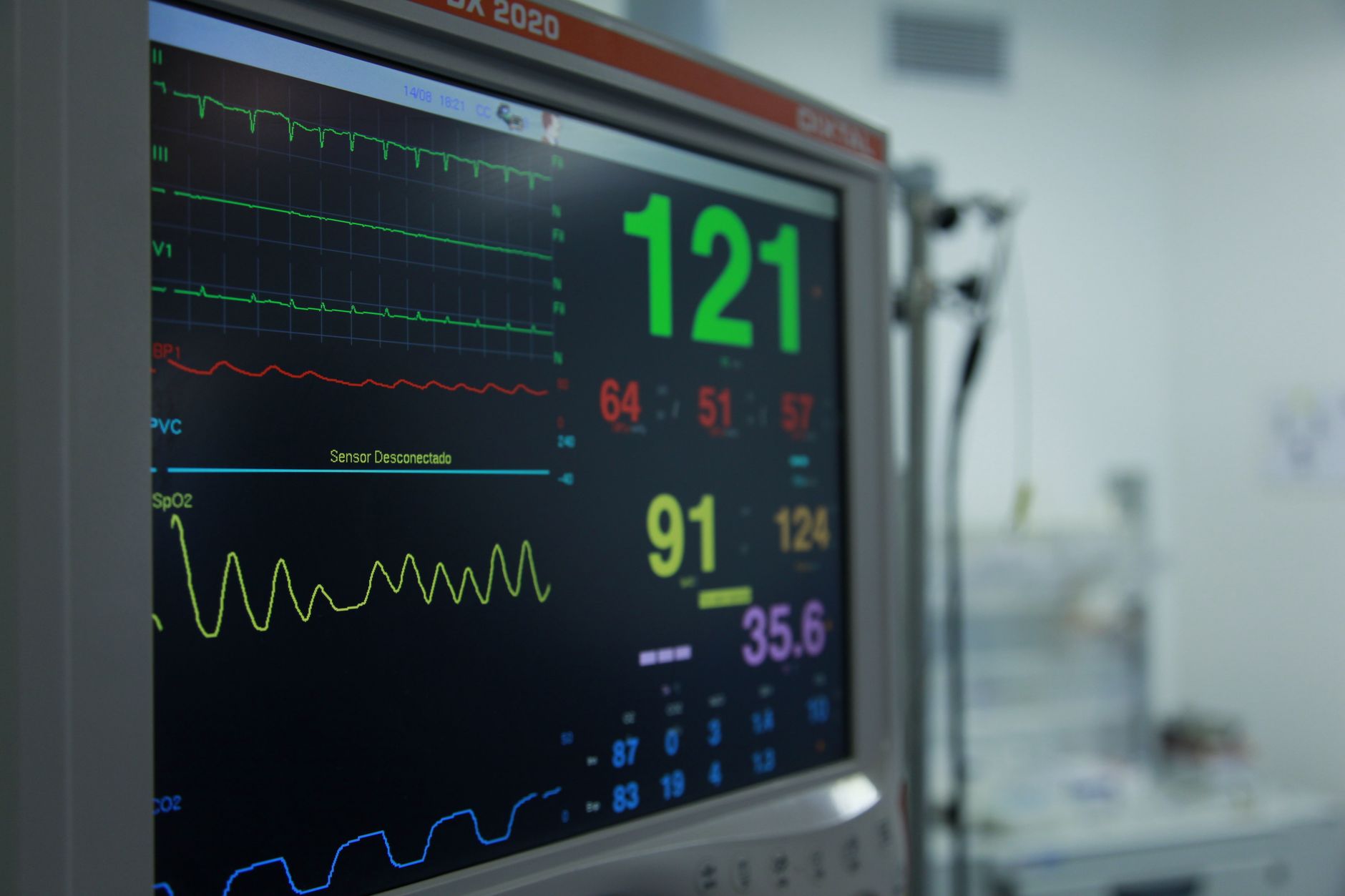
- ECG (Electrocardiogram) — a quick, comfortable recording of your heart's electrical activity. Detects rhythm problems and signs of past heart events.
- Echocardiogram (Echo) — an ultrasound of the heart. Checks pumping function, valve health, and chamber sizes.
- Blood tests — full blood count (for anaemia), thyroid function, blood sugar, kidney function, and BNP (a marker that rises when the heart is under strain).
Further Tests (if needed)
- Treadmill Stress Test (TMT) — monitors your heart's response to controlled exercise. Helps detect coronary artery disease triggered by exertion.
- Holter Monitor — a wearable ECG recorder worn for 24–48 hours to catch intermittent arrhythmias.
- CT Coronary Angiography or Cardiac Catheterisation — detailed imaging of coronary arteries, recommended when blockages are suspected.
None of these initial tests require surgery or hospitalisation. Most can be completed in a single outpatient visit.
What Can You Do Right Now?
While you arrange your appointment, these steps are sensible and safe:
- Note your symptoms — when does the breathlessness happen, how long does it last, what makes it better or worse? A symptom diary is genuinely useful for your doctor.
- Avoid pushing through severe breathlessness — if climbing stairs leaves you very breathless or dizzy, use a lift or take breaks. This is not "giving in"; it is being sensible.
- Check your known risk factors — do you have high blood pressure, diabetes, high cholesterol, or a family history of heart disease? These increase the urgency of getting checked.
- Do not self-medicate — avoid self-prescribing inhalers, tonics, or supplements without a diagnosis.
A Note on Heart Health in Rajkot and Gujarat
Cardiovascular disease is diagnosed at younger ages in South Asians compared to many other populations globally — a well-documented pattern seen across Gujarat and the rest of India. Factors like a genetic predisposition to coronary artery disease, rising rates of diabetes and metabolic syndrome, and high-sodium diets contribute to this trend. This makes it especially important for people in our region not to dismiss symptoms like breathlessness on stairs as "normal ageing."
Catching a heart condition early — before a heart attack or a hospitalisation — makes a significant difference in treatment options, recovery, and long-term quality of life.
Key Takeaways
- Shortness of breath while climbing stairs can be a normal response to exertion — but it becomes a warning sign when it is new, worsening, out of proportion to the effort, or accompanied by other symptoms.
- Several heart conditions — including coronary artery disease, heart failure, valve problems, and arrhythmias — can first show up as breathlessness on exertion.
- Non-cardiac causes (anaemia, lung disease, thyroid issues, deconditioning) must also be considered and can be ruled out with simple tests.
- Red flags such as chest pain, palpitations, ankle swelling, or dizziness alongside breathlessness warrant prompt medical attention.
- Simple, non-invasive tests like an ECG, echocardiogram, and basic blood work can often provide a clear diagnosis quickly.
- South Asians, including those in Gujarat, have a higher genetic risk for heart disease — making early evaluation especially worthwhile.
- Do not wait and watch for months. A single consultation can bring clarity and peace of mind.
If you have been noticing breathlessness on stairs or any of the symptoms described above, consider booking a consultation with a qualified cardiologist. Early evaluation is always a wiser choice than waiting. Dr. Nikhila Pachani's cardiology clinic in Rajkot offers a caring, thorough approach to understanding your heart health — reach out today to take that first step.
Frequently asked questions
- Is it normal to be short of breath after climbing stairs?
- Mild breathlessness after climbing several flights of stairs can be normal, especially if you are not physically active. However, if you feel significantly breathless after just one floor, if the symptom has worsened over time, or if it is accompanied by chest pain, palpitations, or ankle swelling, it is worth getting a cardiac evaluation to rule out an underlying heart condition.
- What heart conditions can cause shortness of breath on climbing stairs?
- Several heart conditions can cause breathlessness on exertion, including coronary artery disease (narrowed heart arteries), heart failure (weakened or stiff heart muscle), heart valve problems such as aortic stenosis, and abnormal heart rhythms (arrhythmias). A cardiologist can identify or rule out each of these with non-invasive tests.
- What tests will a cardiologist do for breathlessness on exertion?
- A typical cardiac evaluation for breathlessness on exertion includes an ECG, an echocardiogram (ultrasound of the heart), and blood tests. Depending on the findings, a treadmill stress test or a Holter monitor may also be recommended. Most of these tests are non-invasive and can be completed during an outpatient visit.
- When should I go to the emergency room for shortness of breath?
- Seek emergency care immediately if your breathlessness is sudden and severe, occurs at rest, or is accompanied by chest pain or pressure, pain radiating to your arm or jaw, fainting, or blue-tinged lips or fingertips. These can be signs of a serious cardiac event requiring urgent treatment.