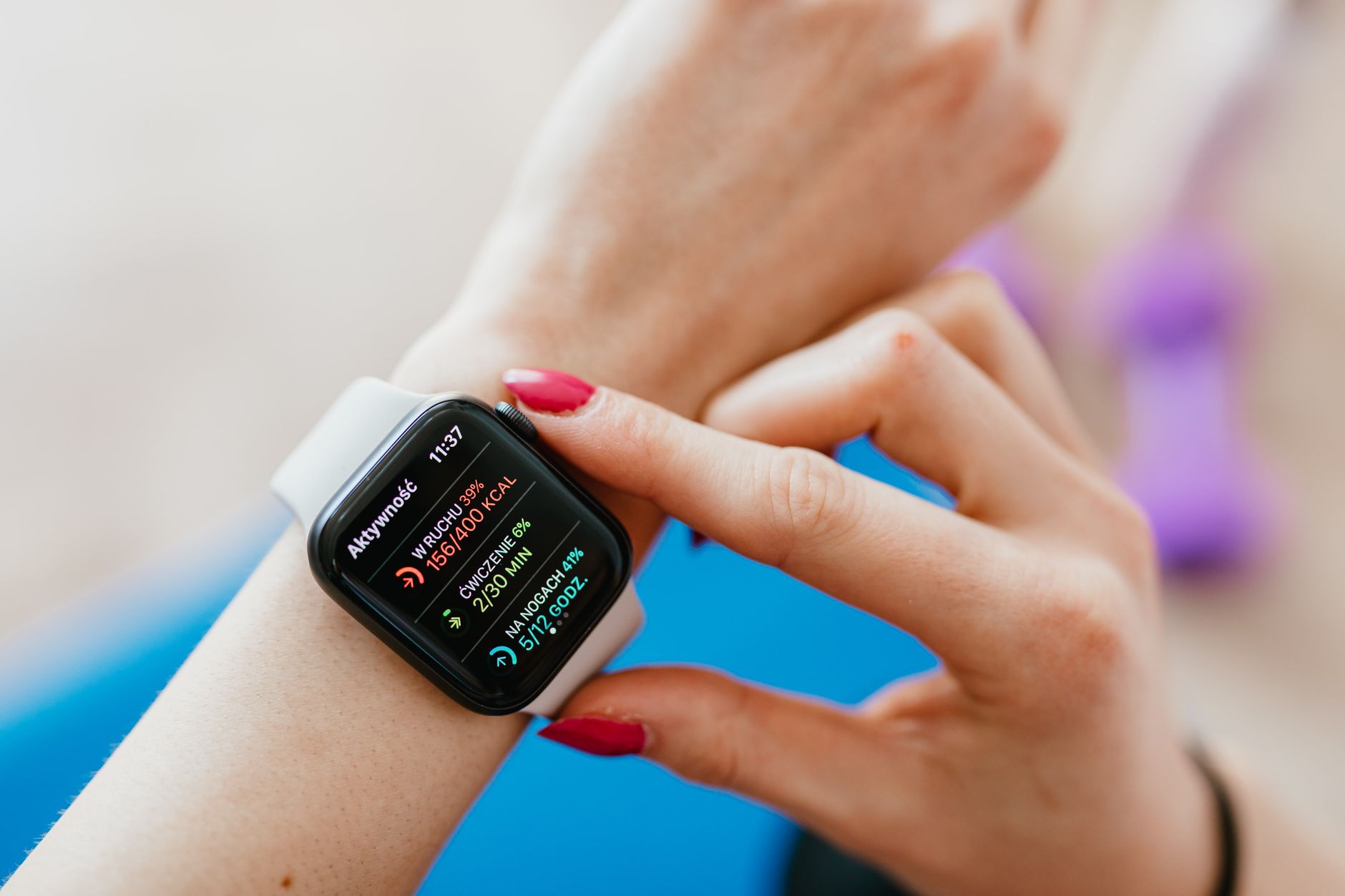
Smartwatches have come a long way from simply telling the time. Today, millions of people across India — including many patients in Rajkot and across Gujarat — are wearing devices that can record a single-lead ECG, track heart rate around the clock, and even alert them when something seems unusual. It is genuinely exciting technology. But it also raises important questions: How accurate are these readings? Can my smartwatch diagnose a heart problem? And when should I stop looking at my wrist and start talking to a cardiologist?
This article answers all of those questions in plain language, so you can make the most of your wearable device without placing too much — or too little — trust in it.
What Exactly Does a Smartwatch ECG Do?
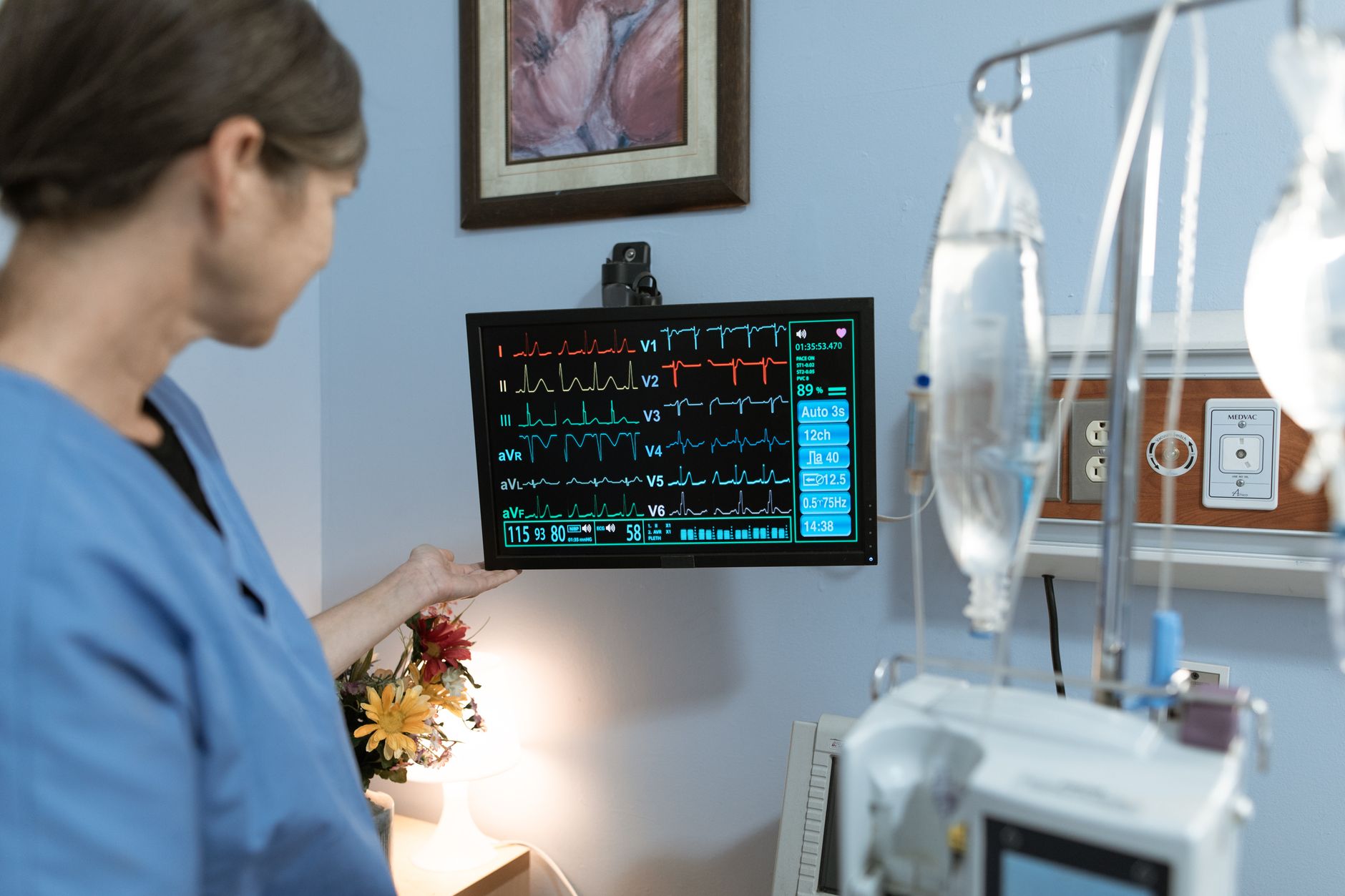
A traditional ECG (electrocardiogram) performed in a clinic uses 12 leads — 10 electrodes placed on your chest, arms, and legs — to capture the heart's electrical activity from 12 different angles. This gives your cardiologist a rich, detailed picture.
A smartwatch ECG works very differently. You press your fingertip against a sensor on the watch crown or back, and the device records a single-lead ECG — essentially one electrical "view" of your heart, similar to Lead I on a standard 12-lead ECG. The recording typically lasts 30 seconds.
That single tracing is then analysed — either on the device itself or via a connected app — and you receive a result, usually categorised as:
- Sinus rhythm (your heart is beating regularly — reassuring, but not a complete health check)
- Atrial fibrillation (AFib) detected (an irregular rhythm that warrants medical attention)
- Inconclusive (the signal was not clear enough to classify)
- Low or high heart rate (a notification based on continuous background monitoring)
Where Smartwatch ECGs Genuinely Help
Let's be fair — wearable heart monitors have delivered real clinical value. Here is where research and clinical experience suggest they perform well:
1. Detecting Atrial Fibrillation (AFib)
This is the standout strength of consumer ECG watches. Several large studies, including the Apple Heart Study involving over 400,000 participants, found that irregular pulse notifications from smartwatches had a reasonable positive predictive value for AFib. AFib is one of the most common sustained heart rhythm disorders, and because it can come and go (paroxysmal AFib), catching it during a brief symptomatic episode at home is genuinely useful.
For someone in their 50s or 60s who notices their heart "fluttering" for a few minutes while sitting at home in Rajkot, a smartwatch that captures that moment and flags an irregular rhythm gives their cardiologist a valuable starting point.
2. Continuous Heart Rate Tracking
Smartwatches use optical sensors (photoplethysmography, or PPG) to estimate heart rate continuously throughout the day. This can reveal patterns — a persistently elevated resting heart rate, for example — that might not show up during a 30-second clinic visit.
3. Motivating Healthy Behaviour
Activity reminders, step counts, and sleep tracking all contribute to cardiovascular health awareness. Many patients find that wearables motivate them to walk more, sit less, and pay attention to their bodies — all of which support heart health.
4. Logging Symptoms in Real Time
If you feel palpitations, dizziness, or chest discomfort and can record an ECG at that very moment, the tracing can be far more informative than one taken hours later in a clinic, when the episode has passed.
Where Smartwatch ECGs Have Real Limitations
Understanding the limitations is just as important as appreciating the benefits.

1. Single-Lead vs. 12-Lead: A Significant Difference
A single-lead ECG simply cannot reveal what a 12-lead ECG can. Conditions like ST-elevation myocardial infarction (heart attack), bundle branch blocks, ventricular hypertrophy, and many other important findings require multiple leads to identify. A normal smartwatch ECG reading does not rule out a heart attack, coronary artery disease, or most structural heart problems.
2. Smartwatch ECG Heart Monitor Accuracy Varies
Studies on smartwatch ECG heart monitor accuracy show that while AFib detection sensitivity is reasonably high, false positives do occur — meaning the device may flag an irregular rhythm in a perfectly healthy heart. Motion artefact (movement, tremors, or even loose watch fit) can produce noisy tracings that are misread. For people with other arrhythmias, the watch may misclassify the rhythm.
A 55-year-old might, for example, receive an AFib alert while cycling vigorously, only for a clinic ECG to confirm entirely normal sinus rhythm. The reverse — a missed true abnormality — can also happen.
3. Not Validated for All Populations
Most clinical studies on consumer ECG watches were conducted on predominantly younger, healthier, and non-South-Asian populations. Skin tone, wrist anatomy, and body mass index can all influence optical sensor accuracy. Validation data specifically for Indian patients remains limited.
4. Anxiety and Over-Interpretation
Constant monitoring can sometimes create health anxiety. Patients occasionally arrive at cardiology clinics distressed by a watch notification that, after proper evaluation, turns out to be entirely benign. It is worth remembering: a wearable device is a screening tool, not a diagnostic instrument.
5. No Replacement for Professional Context
An ECG tracing means very little without the clinical context — your symptoms, medical history, physical examination, blood pressure, and often additional tests. Numbers on a watch screen, without that context, can be misinterpreted.
How to Use Your Wearable Wisely: Practical Tips
Getting the most out of your smartwatch without over-relying on it is all about balance. Here are some practical suggestions:
- Wear the watch correctly. A snug but comfortable fit on your wrist, about one finger-width above the wrist bone, improves optical sensor accuracy.
- Stay still during ECG recordings. Movement creates artefact. Sit quietly, rest your arm on a flat surface, and breathe normally.
- Share the data with your doctor. Most apps allow you to export PDF reports. Bring these to your cardiology appointment — they can be a useful supplement to a proper ECG.
- Do not act on a single reading alone. One inconclusive or abnormal result should prompt a call to your doctor, not an emergency room visit — unless you have accompanying symptoms like chest pain, severe breathlessness, or fainting.
- Keep up with scheduled check-ups. A wearable does not replace a periodic cardiovascular health review, especially if you are over 40, have diabetes, high blood pressure, or a family history of heart disease.
When Should You See a Cardiologist Regardless of What Your Watch Says?
Your smartwatch is not the final word. Seek a prompt cardiology consultation if you experience:
- Chest pain or pressure, even briefly
- Breathlessness at rest or with minimal activity
- Palpitations that are frequent, prolonged, or accompanied by dizziness
- Unexplained fainting (syncope) or near-fainting episodes
- Persistent fatigue without a clear cause
- An AFib alert on your smartwatch — even if you feel fine
At our cardiology practice in Rajkot, we regularly see patients who bring in weeks of smartwatch data. It forms a helpful starting point for conversation, but the evaluation always continues with a proper 12-lead ECG, a thorough history, and — when needed — a Holter monitor, echocardiogram, or other investigations tailored to your individual situation.

Key Takeaways
- Smartwatch ECGs record a single-lead tracing — useful, but far less detailed than a clinical 12-lead ECG.
- They are most reliable for detecting atrial fibrillation (AFib) during symptomatic episodes.
- Smartwatch ECG heart monitor accuracy is affected by movement, watch fit, skin characteristics, and individual variation — false positives and false negatives both occur.
- A normal reading on your watch does not rule out serious heart conditions like coronary artery disease or a heart attack.
- Use your wearable as a helpful screening tool, not as a substitute for professional cardiac evaluation.
- Always share your wearable data with your cardiologist — it adds context, but clinical assessment remains essential.
The information in this article is intended for general health education and is not a substitute for personalised medical advice. If your smartwatch has flagged a concern, or if you have any symptoms that worry you, please consult a qualified cardiologist. We welcome you to book a consultation at Dr. Nikhila Pachani's cardiology clinic in Rajkot for a thorough, professional evaluation of your heart health.
Frequently asked questions
- How accurate is a smartwatch ECG compared to a hospital ECG?
- Smartwatch ECGs record a single electrical lead and are reasonably accurate for detecting atrial fibrillation (AFib), but they cannot match the detail of a 12-lead hospital ECG. They can miss many heart conditions and occasionally produce false-positive results due to movement or signal interference. Always have abnormal or suspicious readings confirmed by a cardiologist with a proper clinical ECG.
- Can a smartwatch detect a heart attack?
- No. Current consumer smartwatch ECGs cannot reliably detect a heart attack (myocardial infarction). Identifying a heart attack requires a 12-lead ECG and blood tests performed by medical professionals. If you experience chest pain, breathlessness, or arm/jaw discomfort, seek emergency medical care immediately — do not wait for your smartwatch to confirm anything.
- My smartwatch showed an AFib alert but I feel fine. What should I do?
- Even if you feel no symptoms, an AFib alert on a smartwatch should be evaluated by a cardiologist. AFib can be asymptomatic and still carry risks such as stroke if left unmanaged. Your doctor will perform a clinical ECG and assess your individual risk to determine whether any treatment or monitoring is needed.
- Is it worth buying a smartwatch with ECG features for heart health monitoring?
- A smartwatch with ECG capability can be a useful addition to your heart health awareness, particularly for logging palpitation episodes and detecting irregular rhythms like AFib. However, it should complement — not replace — regular check-ups with a cardiologist. People over 40, or those with risk factors like diabetes, high blood pressure, or a family history of heart disease, benefit most from professional periodic cardiac evaluations alongside any wearable monitoring.