
The Connection Between Smoking and Heart Disease
Most people know that smoking is harmful. Yet the link between smoking and heart disease often feels abstract — something that "might" happen decades later. The truth is both sobering and encouraging: smoking damages your heart from the very first cigarette, but the moment you quit, your heart begins repairing itself — sometimes within hours.
In India, cardiovascular disease is the leading cause of death, and smoking is one of the most significant — and most preventable — contributors. In busy cities like Rajkot, cardiologists regularly see patients who were unaware of just how directly their smoking habit was straining their heart. Understanding this connection is the first, powerful step toward protecting yourself.
How Does Smoking Actually Damage the Heart?
When you light a cigarette, you inhale over 7,000 chemicals. Several of these act almost immediately on your cardiovascular system:
- Carbon monoxide displaces oxygen in your blood, forcing your heart to work harder to deliver enough oxygen to your organs.
- Nicotine triggers a surge of adrenaline, raising your heart rate and blood pressure within seconds.
- Free radicals and toxins damage the inner lining of your blood vessels (the endothelium), making them stiff and inflamed over time.
- Oxidised LDL ("bad" cholesterol) builds up faster in damaged vessel walls, accelerating the formation of plaques — a condition called atherosclerosis.
These plaques narrow the arteries that supply your heart muscle. When a plaque ruptures, it triggers a blood clot that can block the artery completely, causing a heart attack. Smoking dramatically increases this risk. Smokers are two to four times more likely to develop coronary artery disease than non-smokers, and they tend to develop it at a younger age.
Smoking, Blood Clots, and Arrhythmias
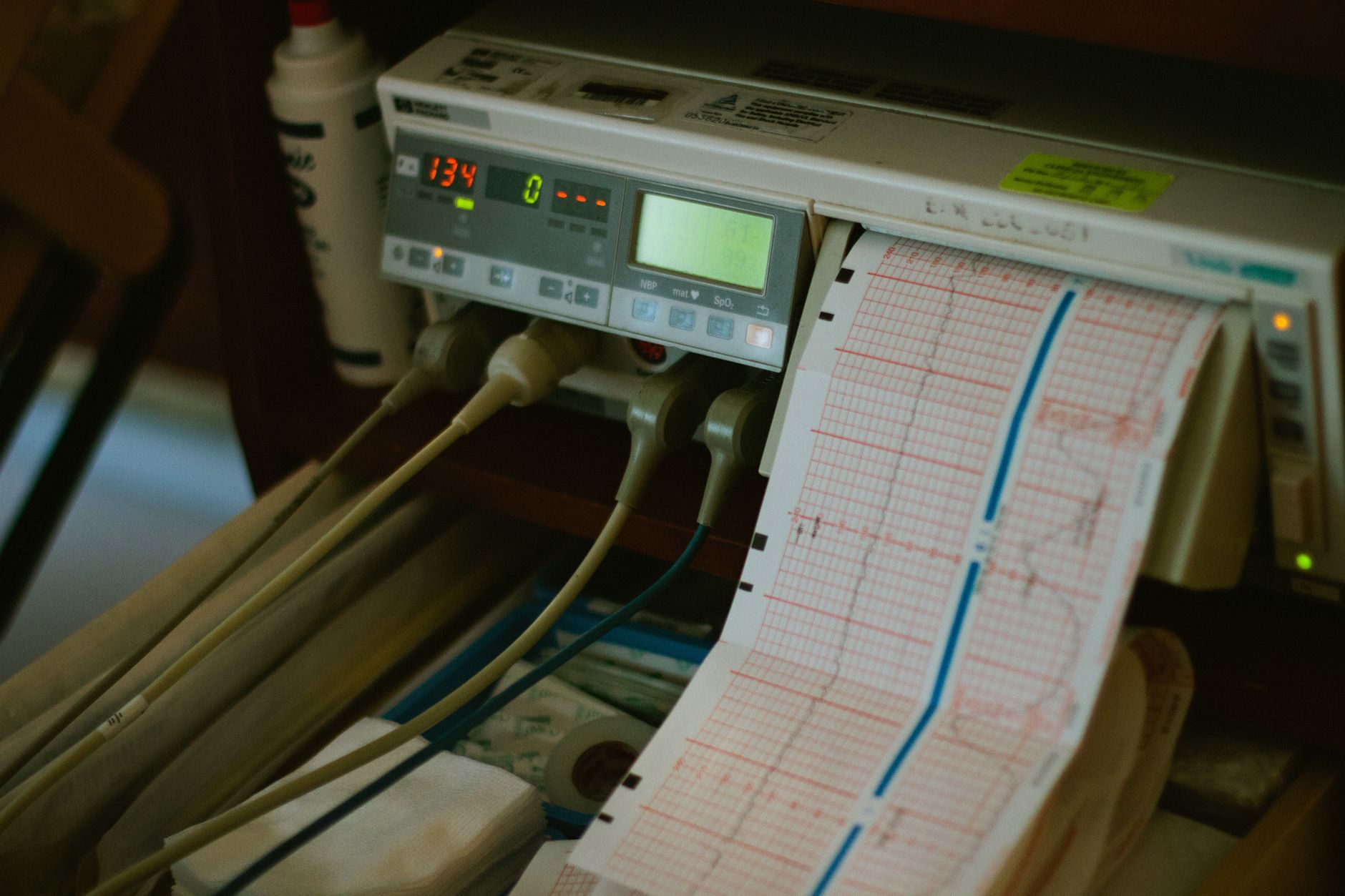
The damage goes beyond blocked arteries. Smoking makes your blood "stickier" by increasing the number of platelets and promoting clot formation. It also irritates the electrical system of the heart, increasing the risk of arrhythmias (irregular heartbeats), including serious ones like atrial fibrillation.
Even passive (second-hand) smoking carries real risk. Research shows that non-smokers regularly exposed to cigarette smoke at home or at work face a significantly elevated risk of heart disease — a reminder that this is not just a personal health issue.
How Much Does Smoking Increase Your Heart Risk?
To put it in plain numbers:
- Smoking 1 pack per day roughly doubles your risk of a heart attack compared to a non-smoker.
- The risk increases with the number of cigarettes smoked and the number of years of smoking.
- Smokers who have a heart attack tend to have it 10 years earlier on average than non-smokers.
- Even "light" or "social" smoking (as few as 1–4 cigarettes a day) meaningfully raises cardiovascular risk — there is no truly "safe" level.
Consider an illustrative scenario: a 45-year-old man who has smoked a pack a day since his twenties may already have significant arterial stiffening and early plaque deposits, even if he feels perfectly fine. This is exactly why regular cardiac screening matters — many of these changes are silent until a major event occurs.
The Good News: Your Heart Starts Healing the Moment You Quit
This is the part that many smokers don't hear enough — and it is genuinely remarkable. The cardiovascular benefits of quitting begin almost immediately and continue to compound over the years.
Here is a rough timeline of what happens after your last cigarette:
| Time after quitting | What changes in your heart and vessels |
|---|---|
| 20 minutes | Heart rate and blood pressure begin to drop |
| 12 hours | Carbon monoxide levels in blood normalise; oxygen delivery improves |
| 2–12 weeks | Circulation improves; heart attack risk begins to fall |
| 1 year | Risk of coronary artery disease drops by roughly half compared to a smoker |
| 5 years | Stroke risk approaches that of a non-smoker |
| 10–15 years | Risk of heart disease approaches that of someone who never smoked |
These numbers come from large, long-term population studies and are well accepted in cardiology. The message is clear: it is never too late to quit, and every day without smoking counts.

What Happens to Your Arteries When You Stop?
Within days of quitting, the endothelium — that delicate inner lining of your arteries — starts to function better. It becomes more flexible and produces more nitric oxide, a natural molecule that keeps vessels relaxed and open. Blood pressure and heart rate stabilise. The "stickiness" of your blood decreases, reducing clot risk.
Over months and years, some of the plaque burden may even partially stabilise or reduce, though this depends on other risk factors like diet, physical activity, and blood pressure control. The key point is that the trajectory changes — from worsening to improving — the moment smoking stops.
Quitting Is Hard — But It Is Achievable
Nicotine is a highly addictive substance, and the difficulty of quitting is real. It is important to approach this without judgment. Most people who successfully quit have tried more than once before succeeding. Here are evidence-supported strategies that improve the odds:
- Nicotine Replacement Therapy (NRT): Patches, gums, and lozenges reduce withdrawal symptoms and are available at most pharmacies in Rajkot and across Gujarat.
- Prescription medications: Certain medicines (like varenicline or bupropion) prescribed by a doctor can significantly improve quit rates. These require a consultation.
- Behavioural support: Counselling, support groups, and quit-smoking helplines (India's national helpline: 1800-11-2356) provide structured motivation.
- Identifying triggers: Stress, after meals, social situations — identifying personal triggers helps build coping strategies.
- Setting a quit date: Choosing a specific day and telling friends and family creates accountability.
Combining medication with behavioural support gives the highest chance of long-term success. Talk to your doctor about which approach is right for you.
Heart-Healthy Habits to Build After Quitting
Quitting smoking is a powerful first step, but combining it with other healthy habits multiplies the benefit:
- Regular physical activity — even 30 minutes of brisk walking most days has measurable cardiovascular benefits.
- A balanced diet rich in vegetables, legumes, whole grains, and healthy fats (think of the traditional Gujarati diet with plenty of dal, vegetables, and minimal processed food).
- Blood pressure and blood sugar monitoring — especially important if you have smoked for several years.
- Managing stress through yoga, meditation, or simply spending time with loved ones.

A Note on Smokeless Tobacco
In Gujarat and many parts of India, tobacco use often takes the form of gutka, khaini, or mawa rather than cigarettes. Smokeless tobacco carries a very real cardiovascular risk as well — it raises blood pressure, increases heart rate, and contributes to atherosclerosis. The advice to quit applies equally to all forms of tobacco use.
Key Takeaways
- Smoking is one of the strongest, most preventable risk factors for heart disease and heart attack.
- Every cigarette raises heart rate, blood pressure, and clot risk — even "light" smoking causes harm.
- Within 20 minutes of quitting, heart rate and blood pressure begin to fall. Within one year, heart attack risk drops by roughly half.
- Nicotine replacement therapy, prescription medicines, and behavioural counselling all improve quit success rates.
- It is never too late — quitting at any age brings meaningful heart health benefits.
- Smokeless tobacco products common in Gujarat carry cardiovascular risk just as cigarettes do.
If you are a smoker — or if you have already quit and are concerned about your heart health — speaking with a qualified cardiologist can help you understand your personal risk and create a plan tailored to you. Book a consultation with Dr. Nikhila Pachani, Interventional Cardiologist in Rajkot, to take the next step toward a healthier heart.
Frequently asked questions
- How quickly does heart disease risk drop after quitting smoking?
- The benefits begin within minutes. Heart rate and blood pressure start to normalise within 20 minutes. After one year of not smoking, the risk of coronary artery disease drops by roughly half compared to a current smoker. After 10–15 years, the risk approaches that of someone who has never smoked.
- Is light or occasional smoking really bad for the heart?
- Yes. Even smoking just 1–4 cigarettes a day raises cardiovascular risk meaningfully. There is no completely safe level of tobacco smoking when it comes to heart health, as each cigarette causes transient spikes in heart rate and blood pressure and contributes to arterial damage over time.
- Does smokeless tobacco like gutka or khaini also cause heart disease?
- Yes. Smokeless tobacco products — which are widely used in Gujarat and across India — contain nicotine and other harmful substances that raise blood pressure, increase heart rate, and promote atherosclerosis (plaque build-up in arteries). Quitting all forms of tobacco is important for heart health.
- What is the most effective way to quit smoking?
- Combining behavioural support (counselling, quit-smoking helplines) with medical treatments — such as nicotine replacement therapy (patches, gums) or prescription medicines like varenicline — gives the highest chance of success. A doctor can help create a personalised quit plan based on your medical history and smoking pattern.