
When a Heart Attack Strikes Someone You Least Expect
When most people picture a heart attack, they imagine an older man with high blood pressure or blocked arteries. But what about a 35-year-old woman, recently postpartum, with no history of heart disease, suddenly experiencing severe chest pain? This scenario — though uncommon — is real, and one of the reasons behind it is a condition called spontaneous coronary artery dissection, or SCAD.
SCAD is a rare but serious cause of heart attack that disproportionately affects younger women. Because it looks different from a typical heart attack, it is often missed or misunderstood — both by patients and, sometimes, even by healthcare teams. Raising awareness about spontaneous coronary artery dissection in young women is therefore not just important; it can be life-saving.
What Exactly Is SCAD?
A coronary artery is one of the blood vessels that supplies your heart muscle with oxygen-rich blood. In SCAD, a small tear develops in the inner wall of one of these arteries. Blood then seeps into the middle layer of the artery wall, forming a pocket of blood (called a haematoma). This bulging pocket squeezes the artery from within, partially or fully blocking blood flow to the heart — causing a heart attack.
Crucially, this happens without the fatty plaque build-up (atherosclerosis) that causes most heart attacks. The artery walls themselves are otherwise structurally normal. This is why SCAD is sometimes called a "non-atherosclerotic" heart attack, and why standard heart attack risk factors — like high cholesterol or diabetes — are less relevant here.

Who Is Most at Risk?
SCAD is estimated to account for roughly 1–4% of all heart attacks overall, but among women under 50, it is responsible for up to 25–35% of heart attacks. That is a striking difference.
Research and clinical registries from around the world show that SCAD patients share some common characteristics:
- Female sex — over 90% of SCAD cases occur in women
- Younger age — most commonly between 30 and 55 years
- Peripartum period — the weeks around childbirth are a well-recognised high-risk time
- Hormonal influences — some cases are linked to oral contraceptive use or hormonal therapies
- Fibromuscular dysplasia (FMD) — a non-inflammatory disease of blood vessel walls, found in many SCAD patients
- Connective tissue disorders — conditions like Marfan syndrome or Ehlers-Danlos syndrome can increase risk
- Intense physical or emotional stress — a sudden extreme emotional event or vigorous physical exertion can be a trigger
It is important to note that many SCAD patients have no traditional cardiovascular risk factors. They may be otherwise healthy, physically active individuals. This is part of what makes the diagnosis so surprising — and so easy to overlook.
Recognising the Symptoms
The symptoms of SCAD are similar to those of a classic heart attack and should be taken seriously. They may include:
- Chest pain or pressure — often described as a squeezing, tightening, or heavy sensation
- Pain radiating to the arm, jaw, neck, or back
- Shortness of breath
- Sweating, nausea, or light-headedness
- Sudden fatigue or a sense that "something is very wrong"
For a young woman — especially someone who has recently given birth, or who has been under significant emotional or physical stress — these symptoms should prompt immediate medical attention. Do not wait to see if it passes. Time is muscle, as cardiologists say.
In Rajkot and across Gujarat, there is sometimes a tendency to attribute chest symptoms in younger women to anxiety or acidity. While those causes are far more common, SCAD is a reminder that heart disease can affect anyone, at any age, and that women's cardiac symptoms deserve prompt evaluation.
How Is SCAD Diagnosed?
Diagnosing SCAD requires a high index of suspicion and the right investigations.
Initial Tests
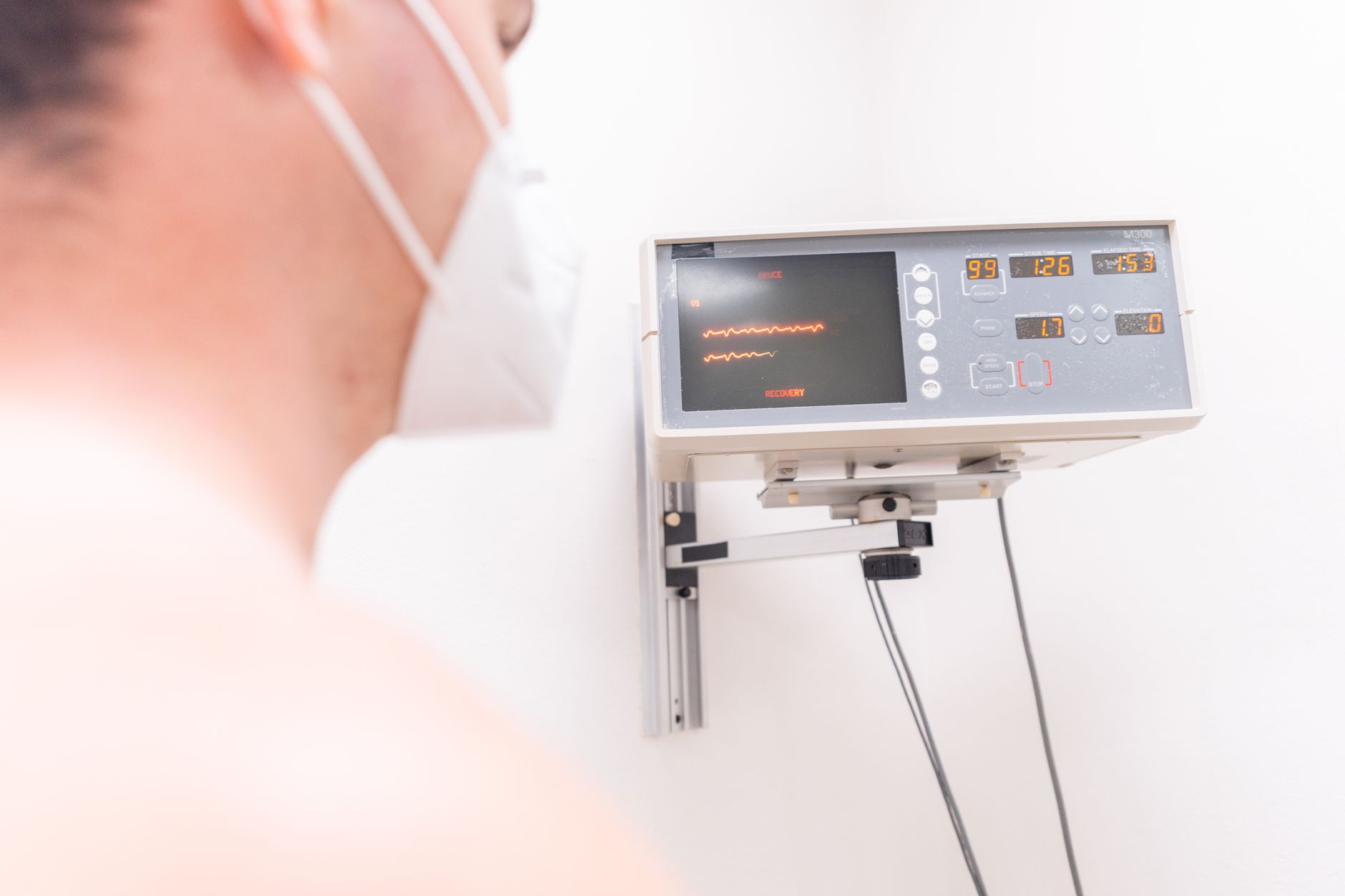
- ECG (electrocardiogram) — may show changes consistent with reduced blood flow to the heart
- Blood tests (cardiac troponins) — elevated troponin levels indicate heart muscle injury
Coronary Angiography
The gold standard for diagnosing SCAD is a coronary angiogram — a procedure where a thin, flexible tube (catheter) is passed through the wrist or groin to visualise the coronary arteries using X-ray dye. SCAD has a characteristic appearance on angiography, with a smooth, tapering narrowing or a "haziness" inside the artery — different from the irregular blockages seen in typical heart attacks.
Advanced Imaging
In some cases, additional imaging tools are used inside the artery itself:
- Optical coherence tomography (OCT) — a light-based imaging technique that can clearly show the torn inner layer and the haematoma
- Intravascular ultrasound (IVUS) — uses sound waves to image the artery wall from within
These advanced tools are available in specialised catheterisation laboratories and are particularly valuable when SCAD is suspected but the standard angiogram picture is not entirely clear.
Treatment: A Different Approach
Here is where SCAD management differs significantly from typical heart attack care. In a standard heart attack caused by a clot blocking a fatty plaque, doctors usually open the artery immediately with a stent. In SCAD, a conservative (non-interventional) approach is often preferred, especially when blood flow is only partially reduced.
Why Conservative Management?
The torn artery wall in SCAD is fragile. Passing wires and stents through it can worsen the tear. Remarkably, in most cases, the haematoma reabsorbs on its own within weeks to months, and the artery heals naturally. Studies show that conservative management leads to good outcomes in the majority of SCAD patients.
Conservative treatment typically includes:
- Hospital monitoring — close observation in a cardiac care setting
- Medications — aspirin and other blood-thinning medicines (selected carefully), beta-blockers to reduce heart stress, and pain relief
- Avoiding strenuous activity during the healing phase
When Is Intervention Needed?
If blood flow is severely compromised, or if the patient is in haemodynamic instability (the heart is under dangerous strain), intervention may be necessary. This can include:
- Percutaneous coronary intervention (PCI) — careful stenting, though technically challenging in SCAD
- Coronary artery bypass grafting (CABG) — surgery to route blood flow around the affected segment, in complex cases
The decision is always individualised, weighing the risks and benefits for each patient.
Recovery and Life After SCAD
Recovery from SCAD can feel bewildering. Many patients describe emotional distress — shock, anxiety, and a fear of recurrence. These feelings are entirely valid and deserve attention.
Key aspects of recovery include:
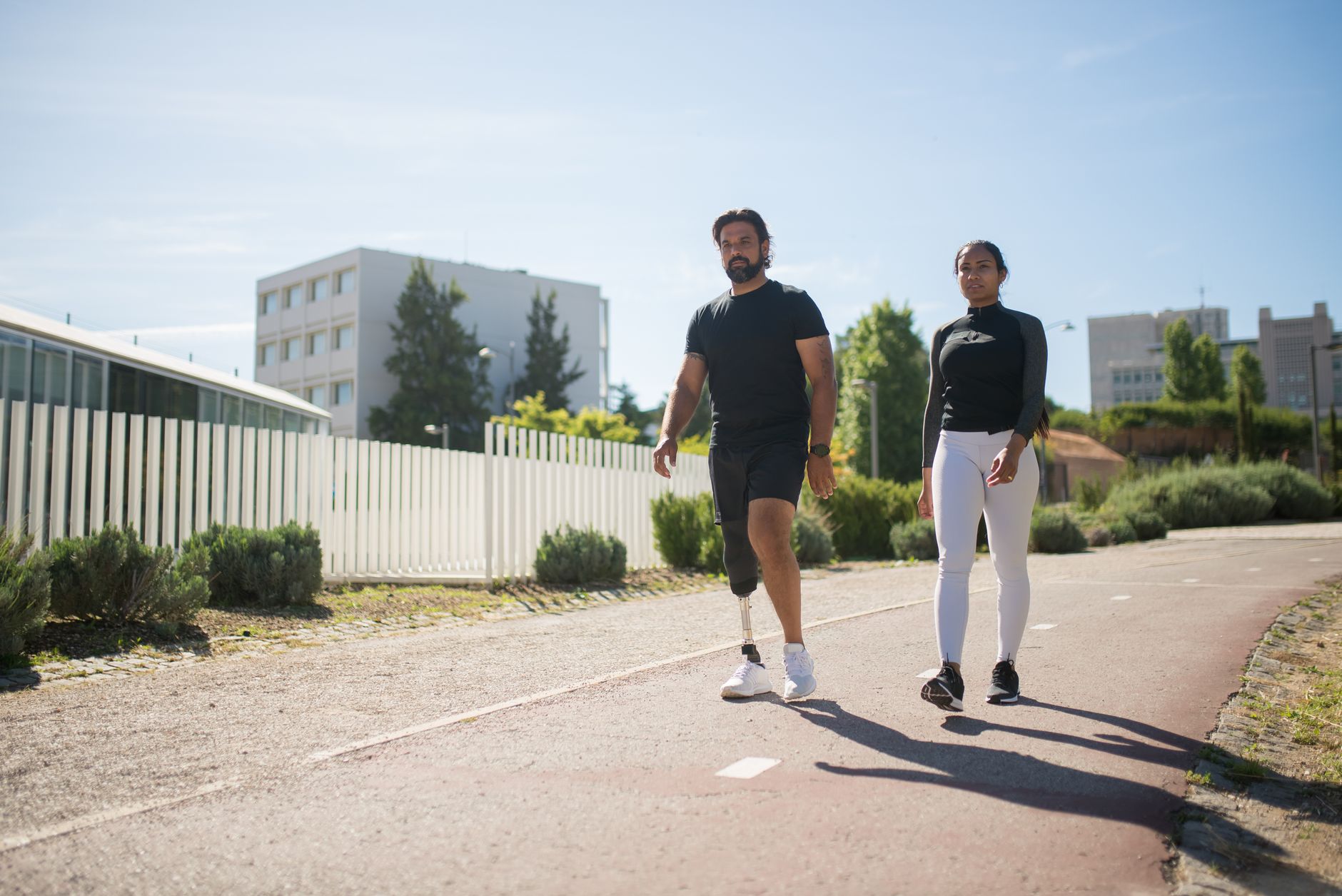
- Cardiac rehabilitation — a supervised, gradual exercise programme that helps the heart heal safely and builds physical and emotional confidence
- Psychological support — counselling or support groups can be very beneficial; SCAD survivors often find comfort in connecting with others who understand the experience
- Lifestyle adjustments — managing stress, getting adequate sleep, and maintaining a balanced diet
- Ongoing follow-up — regular cardiology reviews, repeat imaging if recommended, and screening for associated conditions like FMD
- Pregnancy planning — women who have had SCAD and wish to become pregnant in future should discuss this carefully with their cardiologist, as pregnancy carries a recurrence risk
The recurrence rate for SCAD is estimated at around 10–30% over several years, which underscores the importance of long-term follow-up. However, with the right support and monitoring, many SCAD survivors go on to lead full, active lives.
Key Takeaways
- SCAD is a rare but important cause of heart attack, particularly in younger women without traditional risk factors.
- It is caused by a tear in the coronary artery wall, not by fatty plaque build-up.
- Common triggers include the peripartum period, intense stress, and connective tissue conditions.
- Symptoms mirror a typical heart attack — chest pain, breathlessness, and sweating — and require immediate emergency care.
- Diagnosis relies on coronary angiography, sometimes supplemented by OCT or IVUS.
- Conservative management (watchful waiting with medicines) is often the preferred treatment, as the artery can heal on its own.
- Long-term follow-up and cardiac rehabilitation are essential for a safe recovery.
- Women in Rajkot and across Gujarat should feel empowered to seek timely cardiac care if they experience concerning symptoms — age is not a reason to dismiss chest pain.
If you or someone you know is experiencing chest pain, sudden breathlessness, or other heart-related symptoms, please seek emergency medical care immediately. For personalised guidance on heart health, risk assessment, or follow-up after a cardiac event, consider booking a consultation with a qualified interventional cardiologist.
Frequently asked questions
- Can a young, healthy woman really have a heart attack from SCAD?
- Yes. Spontaneous coronary artery dissection (SCAD) can occur in women who are otherwise young and healthy, with no traditional heart disease risk factors such as high cholesterol or diabetes. It is one of the leading causes of heart attack in women under 50.
- Is SCAD the same as a regular heart attack?
- Not exactly. While SCAD causes a heart attack (reduced blood flow to the heart muscle), it happens because of a tear in the coronary artery wall — not because of fatty plaque build-up. This is why its treatment can differ from a standard heart attack approach.
- What should I do if I suspect SCAD?
- Treat the symptoms as a cardiac emergency. Call for emergency help or go to the nearest hospital immediately if you experience chest pain, breathlessness, sweating, or radiating arm or jaw pain. Do not wait. Early diagnosis and management are critical.
- Can SCAD happen again after recovery?
- Yes, recurrence is possible — studies estimate a recurrence rate of around 10–30% over several years. This is why long-term cardiology follow-up is important. Your cardiologist will advise on medications, lifestyle modifications, and how frequently you should be reviewed.