
When a Healthy Heart Stops Without Warning
Losing a family member suddenly — a young son, a sister, a parent who seemed perfectly healthy — is one of the most devastating experiences imaginable. When no obvious cause is found even after a thorough investigation, doctors may use the term Sudden Unexplained Death Syndrome (SUDS). In younger individuals, particularly those under 40, this is sometimes called Sudden Arrhythmic Death Syndrome (SADS).
These are not rare tragedies that only happen to other families. In India, sudden cardiac deaths in young and apparently healthy individuals are being recognised with increasing frequency. The good news — and this is genuinely reassuring — is that many of these events are linked to inherited heart conditions that can be identified, monitored, and managed before they ever cause harm.
This article is written for families who have experienced such a loss, or who simply want to understand whether their own hearts could be at risk.
What Is Sudden Unexplained Death Syndrome?
SUDS refers to a sudden, unexpected death — most often during sleep or at rest — in an individual who appeared healthy, where standard post-mortem examination finds no structural cause such as a blocked artery or physical damage to the heart.
In many of these cases, the true culprit is an inherited arrhythmia disorder: a condition, often written into a person's genes, that causes the heart's electrical system to malfunction. The heart does not look abnormal on the outside, but under certain triggers — stress, fever, certain medications, or sometimes nothing at all — it can fall into a dangerously abnormal rhythm.
Key point: When the heart beats in an uncoordinated rhythm (ventricular fibrillation), it can no longer pump blood to the brain and body. Without immediate resuscitation, this is fatal within minutes.
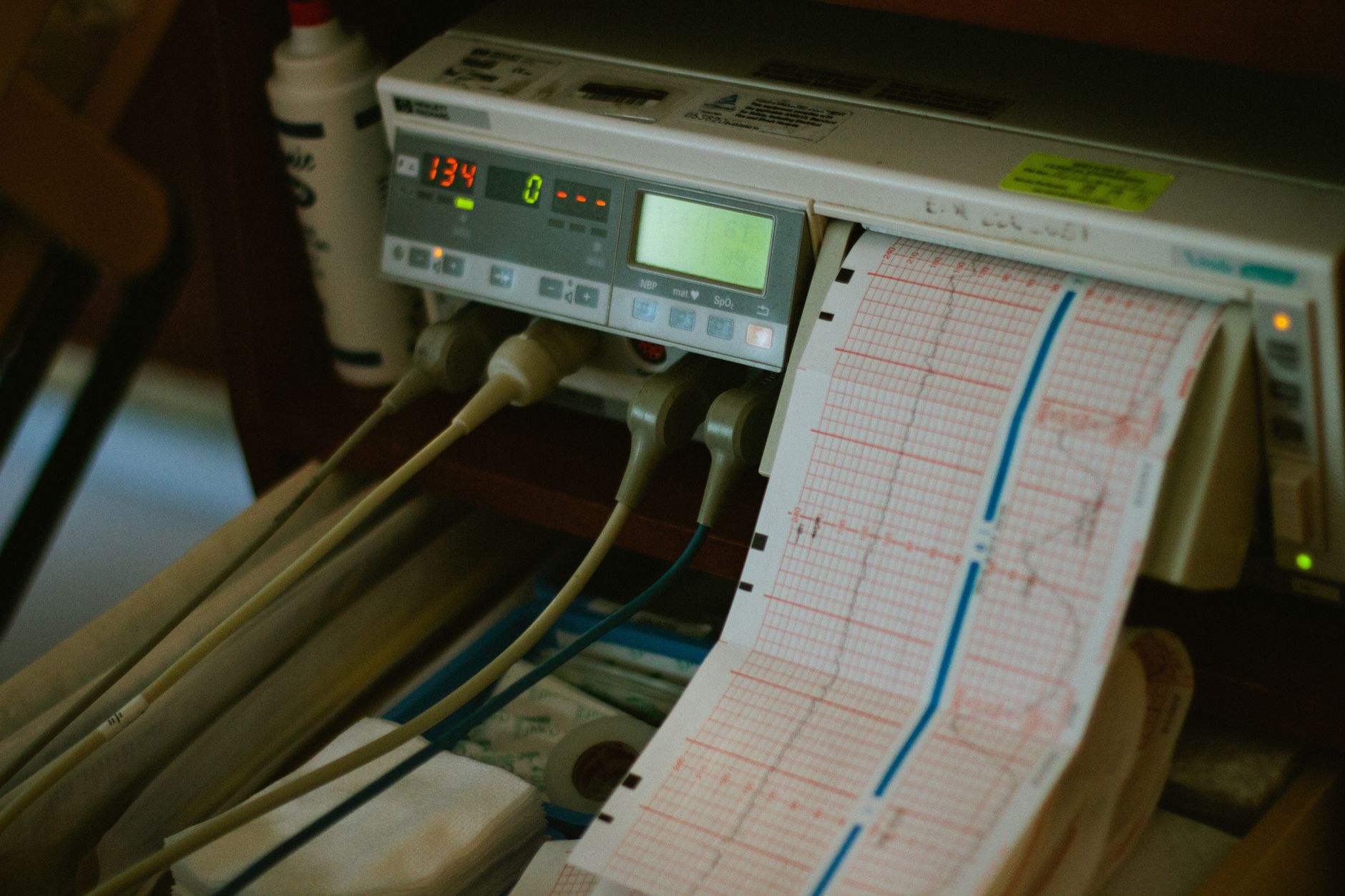
The Inherited Arrhythmia Disorders Behind SUDS
Several well-studied genetic conditions are known to cause sudden unexplained death syndrome and inherited heart condition risks within families. Here are the most important ones:
1. Long QT Syndrome (LQTS)
This condition affects the heart's electrical "recharging" between beats. The QT interval — visible on an ECG — is abnormally prolonged. This makes the heart vulnerable to a dangerous rhythm called Torsades de Pointes. Triggers can include sudden loud noises, swimming, or even certain common medicines (some antibiotics and antihistamines). LQTS is inherited in an autosomal dominant pattern — meaning one copy of the faulty gene from one parent is enough to pass it on.
2. Brugada Syndrome
More common in South and Southeast Asian populations, Brugada syndrome involves a distinctive pattern on an ECG and carries a risk of sudden cardiac arrest — often during sleep or rest. A 35-year-old man might have no symptoms at all and a completely normal routine examination, yet carry a mutation in the SCN5A gene that places him at risk. This is precisely why family screening matters so much.
3. Catecholaminergic Polymorphic Ventricular Tachycardia (CPVT)
CPVT is triggered by exercise or emotional stress, when adrenaline surges through the body. The heart responds with chaotic, rapid rhythms. Young people with CPVT may faint during sports or emotional upset — events that are sometimes dismissed as anxiety or dehydration.
4. Hypertrophic Cardiomyopathy (HCM)
Though this condition does involve structural changes (thickening of the heart muscle), it is one of the most common causes of sudden cardiac death in young athletes. It is inherited and can run silently through families for generations.
5. Short QT Syndrome & Early Repolarisation Syndromes
Less common but increasingly recognised, these conditions also alter the heart's electrical stability and can predispose to fatal rhythms.
Warning Signs That Should Never Be Ignored
These inherited arrhythmia disorders often give subtle clues before a serious event. If you or anyone in your family has experienced any of the following, it is worth speaking to a cardiologist promptly:
- Unexplained fainting (syncope) — especially during exercise, swimming, or strong emotion
- Palpitations — a racing, fluttering, or pounding heartbeat that comes on suddenly
- Seizure-like episodes with no neurological cause found
- Near-drowning incidents in otherwise good swimmers
- A family history of sudden or unexplained death in a young or middle-aged relative
- Collapse during physical activity in a child or teenager
It is important to understand: many people with these conditions have no symptoms at all until a cardiac event occurs. This is why family screening — not just waiting for symptoms — is the cornerstone of prevention.
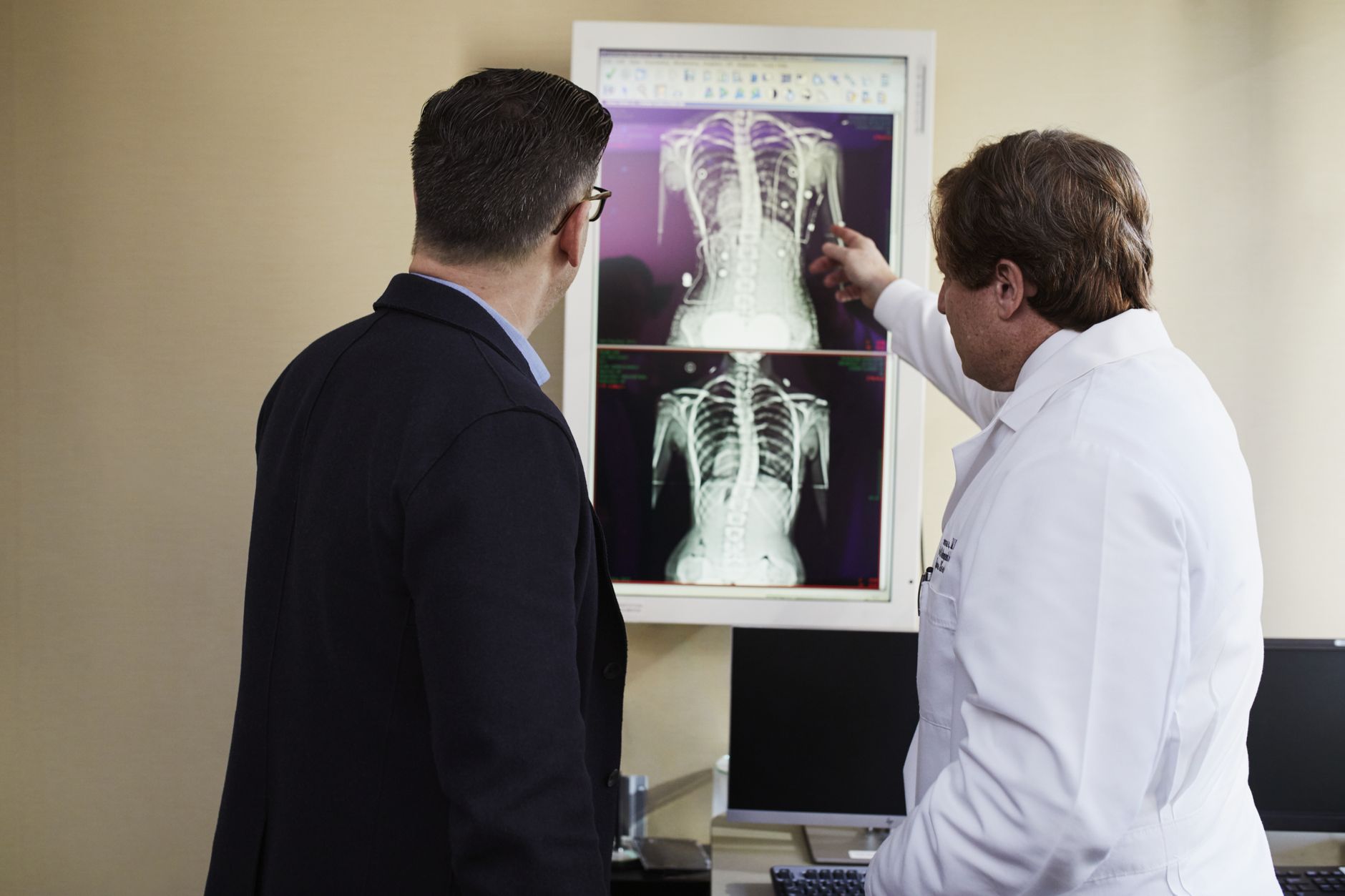
What Happens After a Family Loss? The Role of Cardiac Autopsy & Family Screening
If a family member dies suddenly and unexpectedly, a thorough cardiac autopsy and molecular autopsy (genetic testing on stored tissue or blood) can sometimes identify the underlying cause. This is a deeply personal and difficult process, but it can provide answers — and potentially save the lives of surviving relatives.
Even without a molecular autopsy, surviving first-degree relatives (parents, siblings, children) of someone who died of sudden unexplained death syndrome should consider:
Cardiac Evaluation for Family Members
- A detailed personal and family history
- Resting 12-lead ECG — can reveal patterns consistent with Brugada, Long QT, or Short QT syndromes
- Echocardiogram (Echo) — to assess heart structure and rule out HCM
- Exercise stress test — particularly useful for detecting CPVT
- Holter monitoring — a 24–48 hour recording of heart rhythm during daily activities
- Genetic testing — if a causative mutation is identified in the index case, targeted testing of relatives becomes highly informative
In Rajkot, where Dr. Pachani sees patients from across Saurashtra and beyond, many families first present after a tragic loss in the family, unaware that their own hearts may carry the same inherited risk. A thorough evaluation can bring both answers and peace of mind.
Can These Conditions Be Managed?
Absolutely — and this is a message of genuine hope. Identifying a sudden unexplained death syndrome inherited heart condition in a living family member is not a sentence; it is an opportunity.
Depending on the specific diagnosis and individual risk profile, management may include:
- Lifestyle modifications — avoiding specific triggers (e.g. certain medicines, competitive sports in some cases, fever management)
- Medications — beta-blockers are highly effective for LQTS and CPVT; quinidine is used in some cases of Brugada syndrome
- Implantable Cardioverter-Defibrillator (ICD) — a small device placed under the skin that continuously monitors heart rhythm and delivers a life-saving shock if a dangerous rhythm occurs; recommended for those at higher risk
- Genetic counselling — helping families understand inheritance patterns and the implications for children and other relatives
The goal of care is to allow people to live full, active, meaningful lives — attending school, working, raising families — with appropriate safeguards in place.

Key Takeaways
- SUDS and SADS refer to sudden unexpected deaths where no structural cause is found; inherited arrhythmia disorders are a major underlying cause
- Conditions like Long QT syndrome, Brugada syndrome, CPVT, and HCM are genetic and can run silently through families
- Warning signs include unexplained fainting, palpitations during exercise, or collapse — but many affected individuals have no prior symptoms
- After a sudden unexplained death in the family, all first-degree relatives should undergo cardiac evaluation
- These conditions are identifiable and manageable — early detection can be lifesaving
- Genetic testing and family screening are key tools; a cardiologist can guide the right pathway for your family
- Certain triggers — specific medications, high fever, intense exercise — should be discussed with your doctor if you have a known or suspected inherited arrhythmia
A Word on Stigma and Anxiety
In Indian families, discussions around genetic conditions can sometimes carry unspoken fears — about marriage, career, or social perception. It is important to know that most people with these conditions live completely normal lives. A diagnosis is a tool for protection, not a label. Cardiologists and genetic counsellors are trained to support families through these conversations with sensitivity and clarity.
If your family has experienced a sudden or unexplained cardiac death, or if you have symptoms or a family history that concerns you, please do not wait. An early consultation with a qualified cardiologist is the first and most important step you can take for yourself and for your loved ones. Dr. Nikhila Pachani and her team in Rajkot are available to guide you through evaluation, answers, and a plan that fits your family's needs.
Frequently asked questions
- What is Sudden Unexplained Death Syndrome (SUDS) and how is it different from a heart attack?
- Sudden Unexplained Death Syndrome (SUDS) refers to a sudden unexpected death where no structural cause — such as a blocked artery (heart attack) — is found during post-mortem examination. It is most often caused by an inherited electrical disorder of the heart (arrhythmia) rather than a blockage. In a heart attack, a coronary artery is blocked, starving the heart muscle of blood. In SUDS-related arrhythmias, the heart muscle itself may look normal, but its electrical system malfunctions, causing a fatal rhythm disturbance.
- If someone in my family died suddenly without explanation, do I need to get my heart checked?
- Yes, it is strongly advisable. First-degree relatives — parents, siblings, and children — of someone who died of sudden unexplained death should undergo a cardiac evaluation. This typically includes an ECG, echocardiogram, and possibly further tests such as a Holter monitor or exercise stress test. In some cases, genetic testing may be recommended. Many inherited arrhythmia conditions cause no symptoms before a cardiac event, making proactive screening especially important.
- Are inherited arrhythmia conditions like Brugada syndrome common in India?
- Brugada syndrome, in particular, is recognised as being more prevalent in South and Southeast Asian populations compared to Western populations. Other conditions like Long QT syndrome and hypertrophic cardiomyopathy are also seen across India. Awareness among the general public and even among healthcare providers is growing, which is why family screening after a sudden unexplained death is increasingly recommended in clinical guidelines.
- Can a person with an inherited arrhythmia disorder live a normal life?
- In most cases, yes. With proper diagnosis, personalised risk assessment, and appropriate management — which may include medication, lifestyle adjustments, or an implantable device (ICD) — most people with inherited arrhythmia disorders can lead full, active lives. Early identification is key. A qualified cardiologist can help determine the right level of monitoring and intervention for each individual based on their specific condition and risk profile.