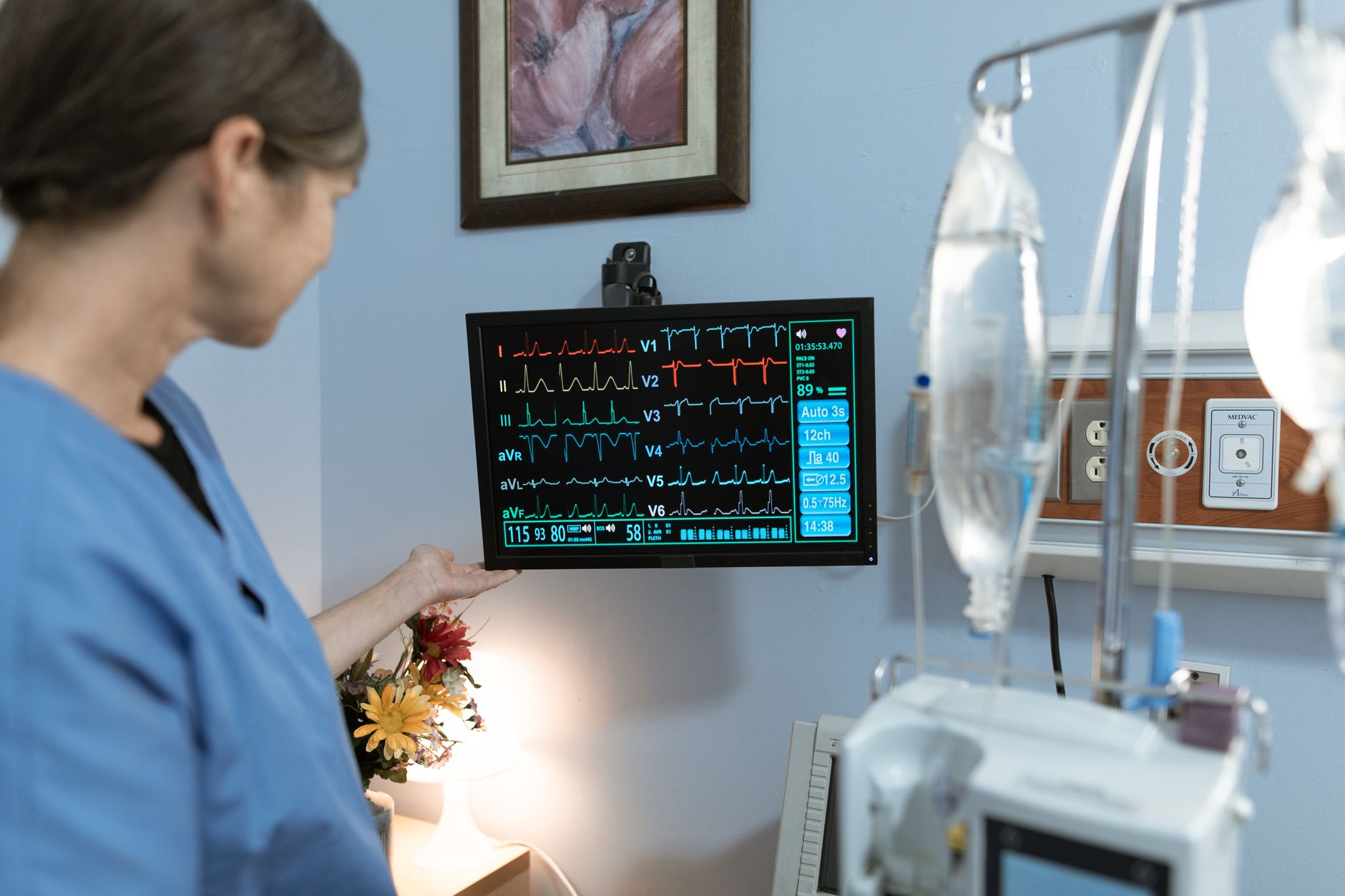
When Your Heart Suddenly Races — What Is SVT?
Imagine sitting quietly at home in Rajkot on a warm afternoon, and out of nowhere your heart starts pounding at what feels like double or triple its normal speed. It can be alarming — even terrifying. But if you have been told you have supraventricular tachycardia (SVT), there is reassuring news: this condition, while uncomfortable, is rarely life-threatening and responds very well to treatment.
SVT is a broad term for a group of heart-rhythm problems (arrhythmias) that begin in the upper chambers of the heart — the atria — or in the electrical pathways just above the ventricles. The word literally means "fast heartbeat originating above the ventricles." During an episode, the heart can suddenly jump from its normal 60–100 beats per minute to anywhere between 150 and 250 beats per minute — and then, just as suddenly, return to normal.
Understanding what is happening inside your heart, and knowing that effective supraventricular tachycardia SVT treatment exists, can make a big difference to how you feel about living with this condition.
How Does the Normal Heart Electrical System Work?
Your heart beats because of a tiny electrical signal that starts in the sinoatrial (SA) node — the heart's natural pacemaker — travels through the atria, pauses briefly at the atrioventricular (AV) node, and then spreads to the ventricles to pump blood. This happens around 70 times a minute in a healthy resting adult.
In SVT, an extra or abnormal electrical pathway — or a short-circuit loop — causes rapid, repetitive signals that override the normal pacemaker. The heart beats fast but usually in a regular rhythm. Blood is still pumped, which is why SVT is rarely immediately dangerous for otherwise healthy individuals, though it can feel very frightening.

The Most Common Types of SVT
There are several forms of SVT. The three you are most likely to hear about are:
- AVNRT (AV Nodal Re-entrant Tachycardia): The most common type. A re-entry circuit forms around the AV node itself. It tends to affect otherwise healthy people, including young women.
- AVRT (AV Re-entrant Tachycardia): Involves an extra electrical connection between the atria and ventricles. Wolff-Parkinson-White (WPW) syndrome is a well-known example.
- Atrial Tachycardia: Rapid signals fire from one spot in the atria repeatedly, unrelated to the AV node.
Knowing the type matters because it guides the choice of supraventricular tachycardia SVT treatment for each individual.
Who Gets SVT?
SVT can affect people of any age — from teenagers to older adults. In Rajkot and across Gujarat, we see patients across the full age spectrum. Some common patterns include:
- Young, otherwise healthy adults — especially with AVNRT
- People with congenital heart conditions
- Those with thyroid problems, anaemia, or electrolyte imbalances that can trigger episodes
- Individuals who consume large amounts of caffeine, energy drinks, or tobacco
- Pregnant women, due to hormonal and circulatory changes
It is worth noting that SVT is not always caused by a "bad" heart. Many people with SVT have a completely structurally normal heart.
Recognising the Symptoms of SVT
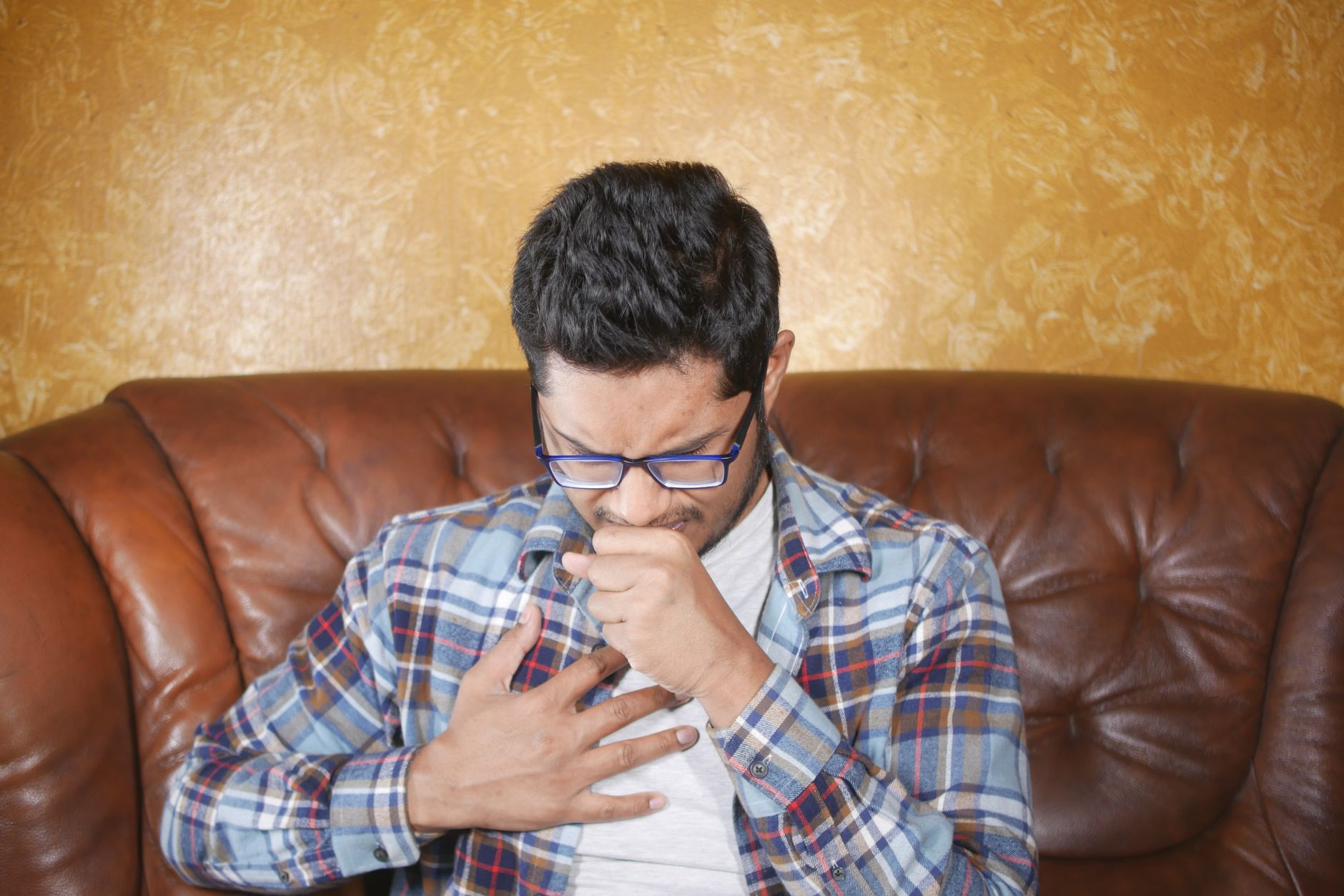
Episodes can last anywhere from a few seconds to several hours. Common symptoms include:
- A sudden, rapid, pounding heartbeat (palpitations)
- A fluttering or "flip-flopping" feeling in the chest
- Dizziness or lightheadedness
- Shortness of breath
- Mild chest discomfort or tightness
- Fatigue
- Rarely, a brief fainting spell (syncope)
Important: If you experience chest pain, prolonged fainting, or severe breathlessness, seek emergency care immediately. These could point to a more serious condition that needs urgent evaluation.
How Is SVT Diagnosed?
A cardiologist will combine your symptom history with several tests:
ECG (Electrocardiogram)
The single most important test. If you happen to be in SVT during the recording, the fast, narrow-complex rhythm pattern gives the diagnosis away. Catching an episode on an ECG is the goal.
Holter Monitor or Event Recorder
A small wearable device records your heart rhythm over 24–72 hours (Holter) or even weeks (event recorder). This is very useful when episodes are infrequent.
Echocardiogram
An ultrasound of the heart to check its structure and rule out underlying heart disease.
Electrophysiology (EP) Study
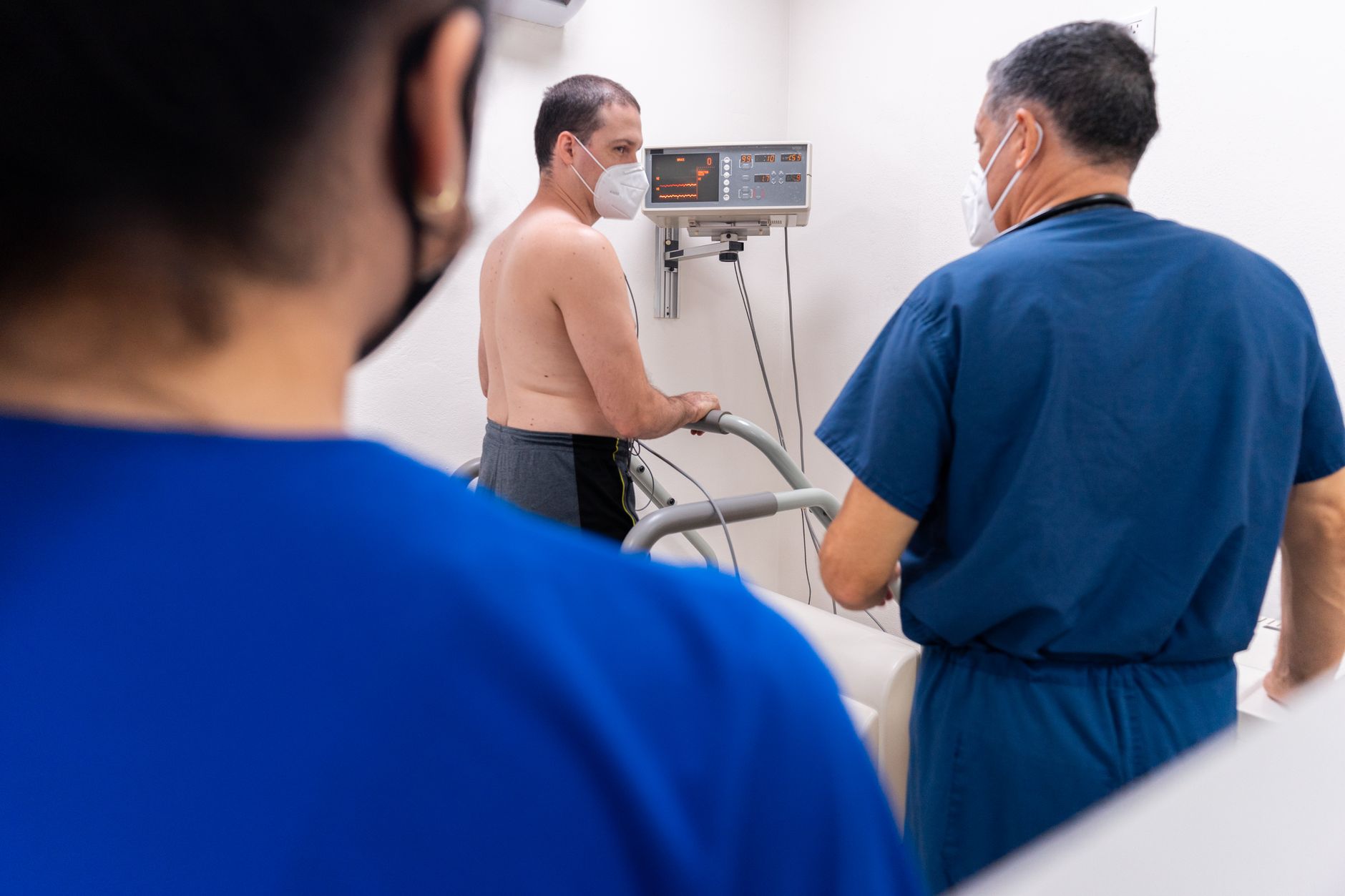
A specialised procedure where thin, flexible wires are guided to the heart to map its electrical pathways precisely. This is both diagnostic and, in many cases, immediately therapeutic.
Supraventricular Tachycardia SVT Treatment: Your Options
The right treatment depends on how often episodes occur, how severe symptoms are, your age, overall health, and personal preference. Here is a clear overview.
1. Vagal Manoeuvres — First Aid During an Episode
These are simple techniques that stimulate the vagus nerve and slow the heart naturally. A cardiologist or trained nurse will teach you these:
- Valsalva manoeuvre: Bearing down as if you are straining, or blowing hard against a closed airway for 15 seconds
- Modified Valsalva: Doing the above while lying down with legs raised — studies show this version is more effective
- Cold water immersion: Splashing cold water on the face
These work surprisingly well for many people and can stop an AVNRT episode within seconds. They are always worth trying first.
2. Medications
If vagal manoeuvres do not work, or for longer-term prevention, medications are the next step:
- Adenosine (given intravenously in a clinic or emergency setting): Extremely effective at stopping acute SVT episodes. It works within seconds but causes a brief, odd feeling of chest heaviness that passes quickly.
- Beta-blockers (e.g., metoprolol, atenolol): Taken daily to reduce the frequency of episodes. They slow the heart rate and dampen electrical triggers.
- Calcium channel blockers (e.g., verapamil, diltiazem): Similar effect; used when beta-blockers are not suitable.
- Flecainide or propafenone: Stronger rhythm-control medications for more frequent or troublesome episodes.
Medications manage SVT effectively for many patients — but they do not eliminate the underlying abnormal pathway.
3. Catheter Ablation — A Long-Term Solution
For patients who want freedom from medications, have frequent or distressing episodes, or find that medicines are not controlling their SVT well, catheter ablation is an excellent and well-established option.
In this procedure:
- Thin, flexible tubes (catheters) are inserted through a vein in the groin and guided to the heart under X-ray guidance.
- The electrophysiologist locates the abnormal electrical pathway or trigger point.
- Radiofrequency energy (or cryotherapy — extreme cold) is delivered through the catheter to carefully disable the problem area.
- The procedure typically takes 1–3 hours. Most patients go home the same day or the next morning.
Success rates for AVNRT ablation are very high, with a low chance of recurrence. It is considered a curative procedure for most types of SVT, meaning many patients need no further medication afterwards. As an interventional cardiologist, Dr. Pachani performs electrophysiology studies and ablation procedures, offering patients in Rajkot and the surrounding region access to this advanced, comfortable, and highly effective treatment.
4. Implantable Devices
In rare cases where other treatments are not appropriate, a small implantable device may be considered. However, for typical SVT, this is uncommon.
Living Well With SVT: Everyday Tips
While you explore treatment options with your cardiologist, a few lifestyle adjustments can help reduce episode frequency:
- Limit or avoid caffeine and energy drinks — common triggers
- Reduce or quit tobacco — nicotine can provoke arrhythmias
- Manage stress — yoga, walking, and mindful breathing are popular and accessible in Rajkot's parks and community spaces
- Stay well-hydrated — dehydration and electrolyte loss can trigger episodes
- Get adequate sleep — fatigue lowers the threshold for arrhythmias
- Inform your doctor about all supplements — some herbal products affect heart rhythm
Key Takeaways
- SVT is a group of fast heart-rhythm conditions starting above the ventricles — uncomfortable, but rarely life-threatening in otherwise healthy people.
- It can affect anyone, at any age, even with a structurally normal heart.
- Episodes cause sudden palpitations, dizziness, and breathlessness that start and stop abruptly.
- An ECG captured during an episode is the key diagnostic tool; a Holter monitor helps when episodes are infrequent.
- Supraventricular tachycardia SVT treatment ranges from simple vagal manoeuvres and medications to catheter ablation — a highly effective, minimally invasive procedure.
- Catheter ablation offers most patients long-term relief and, in many cases, freedom from ongoing medication.
- Lifestyle changes such as reducing caffeine, managing stress, and staying hydrated can reduce how often episodes occur.
If you or a loved one experiences sudden episodes of rapid heartbeat, please do not ignore them or simply "wait and see." Early evaluation by a qualified cardiologist can clarify the diagnosis and open the door to a treatment plan that fits your life. Book a consultation with Dr. Nikhila Pachani, Consultant Interventional Cardiologist in Rajkot, to discuss your symptoms and explore the right SVT treatment approach for you.
Frequently asked questions
- Is SVT dangerous or life-threatening?
- For most people with a structurally normal heart, SVT is not life-threatening. Episodes are uncomfortable and can be frightening, but they rarely cause lasting heart damage. However, it is important to get a proper diagnosis from a cardiologist to rule out any underlying conditions and to receive appropriate treatment.
- Can SVT go away on its own without treatment?
- Some episodes of SVT do stop on their own within seconds to minutes. However, if episodes are frequent, prolonged, or significantly affecting your quality of life, treatment — ranging from medication to catheter ablation — is advisable. A cardiologist can help you decide based on your specific situation.
- What is catheter ablation for SVT and how effective is it?
- Catheter ablation is a minimally invasive procedure in which thin tubes are guided to the heart to locate and disable the abnormal electrical pathway causing SVT. For the most common type (AVNRT), success rates are very high and most patients experience long-term relief, often without needing ongoing medication.
- What triggers an SVT episode and how can I reduce them?
- Common triggers include caffeine, energy drinks, tobacco, stress, fatigue, dehydration, and certain medications or supplements. Reducing caffeine intake, managing stress, staying well-hydrated, and getting regular sleep can help lower the frequency of SVT episodes while you work with your cardiologist on a longer-term treatment plan.