
Navratri fills the streets of Rajkot with garba music, the warm glow of diyas, and a deep sense of devotion. Across Gujarat — and among Jain communities throughout India — these sacred days are often observed with fasting as an act of spiritual discipline. For most healthy people, a short religious fast is perfectly safe. But if you are a heart patient taking daily medicines, fasting raises some very practical questions.
Should I skip my tablets today? Can I take my medicine on an empty stomach? What if I feel dizzy or weak during garba?
This guide is here to answer those questions in simple, clear language — so you can honour your faith and keep your heart safe at the same time.
Important note: This article provides general patient-education information only. It is not a substitute for personalised medical advice. Please speak with your cardiologist before changing how or when you take your medicines.
Why Heart Medicines Must Not Be Skipped — Even During a Fast
Heart medicines work by maintaining a steady level of the drug in your bloodstream. Whether it is a blood-pressure tablet, a blood thinner like aspirin or warfarin, a cholesterol medicine, or a beta-blocker for your heart rate — missing even one dose can upset that careful balance.
Here is what can happen when heart medicines are stopped suddenly or irregularly:
- Blood pressure can spike, raising the risk of a stroke or heart attack.
- Heart rate may become irregular if beta-blockers are skipped.
- Blood thinners (anticoagulants) become ineffective quickly, increasing clot risk in patients with stents or artificial valves.
- Cholesterol medicines (statins) need daily consistency to keep inflammation in the arteries low.
The spiritual merit of a fast is never lost by taking a small tablet with a sip of water. Most religious scholars — including Jain acharyas — acknowledge that medicines taken for health preservation are permitted. If you are unsure, speak with your religious guide as well as your doctor.
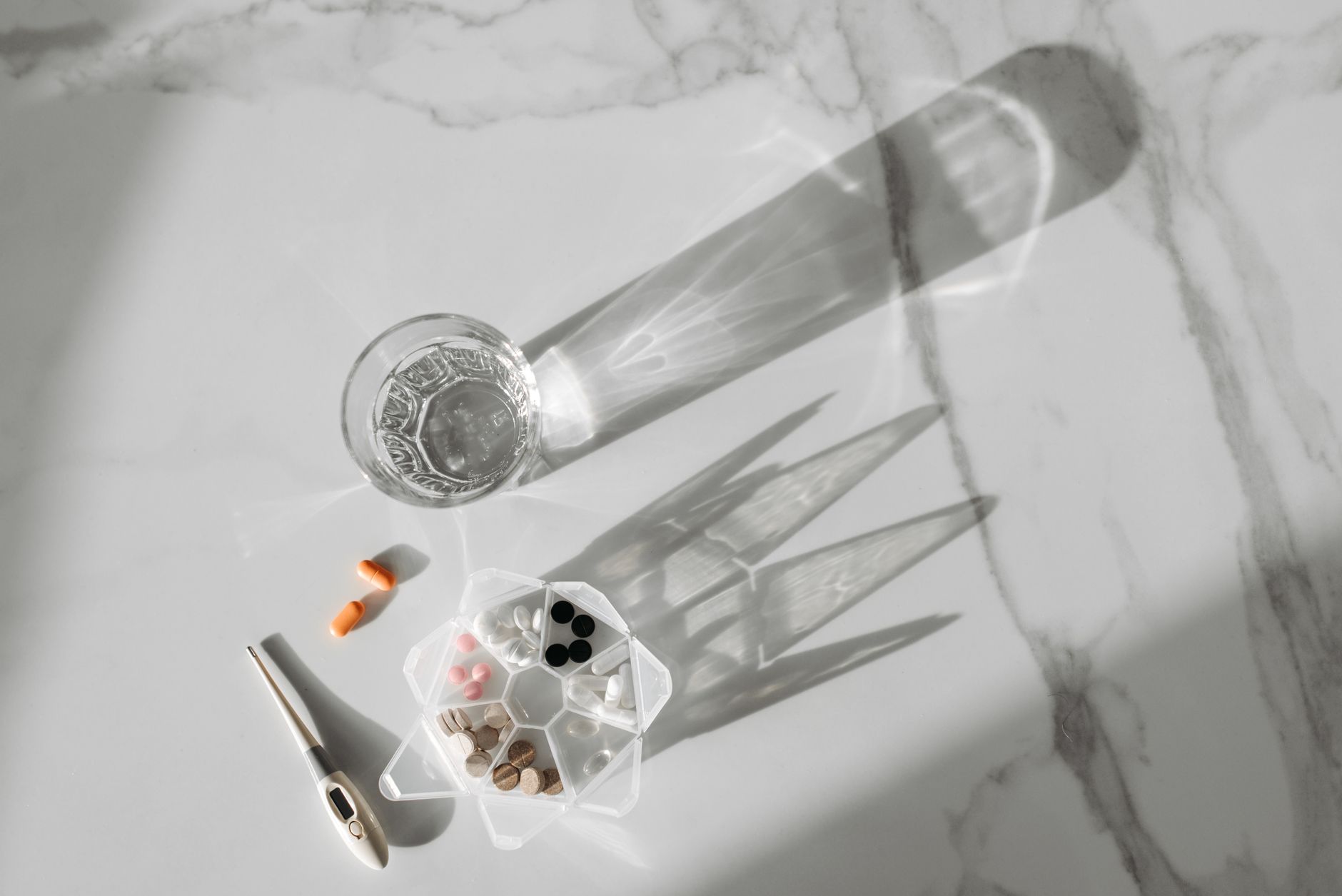
How Different Types of Fasting Affect Your Heart
Not all fasts are the same. Understanding your specific fast helps you and your cardiologist plan together.
Navratri Fasting (Partial / Phalahar Fast)
Most Navratri fasts allow fruits, milk, yoghurt, sendha namak (rock salt), sabudana, and specific grains like rajgira (amaranth) or water chestnut flour (singhare ka atta). This means:
- You can eat something light before taking your morning medicine.
- You have fluid intake (milk, coconut water, fruit juice) that helps tablets absorb properly.
- The risk of very low blood sugar is lower than a complete water-only fast.
Jain Fasting (Ekasana, Biyasana, Upvas, Attham, Ayambil)
Jain fasts range from eating only one meal a day (ekasana) to consuming only boiled water (paryushan paryusana upvas). The stricter the fast, the more careful the planning required.
- On a water-only Jain fast, some medicines — especially those that irritate an empty stomach — need special attention.
- Patients on insulin or multiple blood-pressure medicines need closer monitoring during extended strict fasts.
Intermittent or Sunrise-to-Sunset Fasting
Common in many communities, this style usually allows eating in the morning and evening. Timing your medicines around those two windows is generally straightforward with a little planning.
A Medicine-by-Medicine Guide for Fasting Patients
Below is a general overview of common heart medicines and how to manage them during fasting. Always confirm the plan with your own doctor — doses and timing vary by individual.
Blood Pressure Medicines (Antihypertensives)
- Never skip these. Uncontrolled blood pressure during physically active festivals (like dancing garba) is risky.
- Most once-daily blood-pressure tablets can be taken with a small sip of water or a spoonful of yoghurt.
- If you normally take two doses (morning and evening), ask your cardiologist whether a once-daily long-acting version can be used during the fast period.
Beta-Blockers (e.g., metoprolol, carvedilol)
- Stopping beta-blockers suddenly can cause a "rebound" effect — rapid heart rate and palpitations.
- These are usually taken with or after food; a light fruit snack or a glass of milk counts and makes it easier on the stomach.
Aspirin and Blood Thinners (e.g., clopidogrel, warfarin, newer anticoagulants)
- Aspirin on a completely empty stomach can cause acidity or gastric irritation. A banana or a few almonds before the tablet can help.
- Never stop blood thinners if you have a coronary stent, mechanical heart valve, or atrial fibrillation. The risk of a clot is serious.
- If you take warfarin, fasting changes your diet significantly — fewer greens, different foods — which can alter your INR (blood clotting level). Inform your cardiologist and get your INR checked if you plan a prolonged fast.
Statins (Cholesterol Medicines, e.g., atorvastatin, rosuvastatin)
- Most statins are taken at night and do not require food. Fasting rarely disrupts these.
- Continue them as prescribed throughout the festival period.
Diuretics (Water Pills, e.g., furosemide, torsemide)
- Diuretics make you urinate more, which can worsen dehydration during a fast — especially in Rajkot's warm October weather.
- Discuss with your cardiologist whether the dose or timing needs adjustment. Do not stop them without advice, but do increase your fluid intake within the limits your doctor has set.
Diabetes Medicines (for heart patients with diabetes)
- Insulin and sulphonylureas (glipizide, glimepiride) can cause low blood sugar (hypoglycaemia) during a fast — this is one of the biggest risks.
- Your endocrinologist or cardiologist may reduce the dose on fasting days. Always keep glucose tablets or a sweet fruit handy.
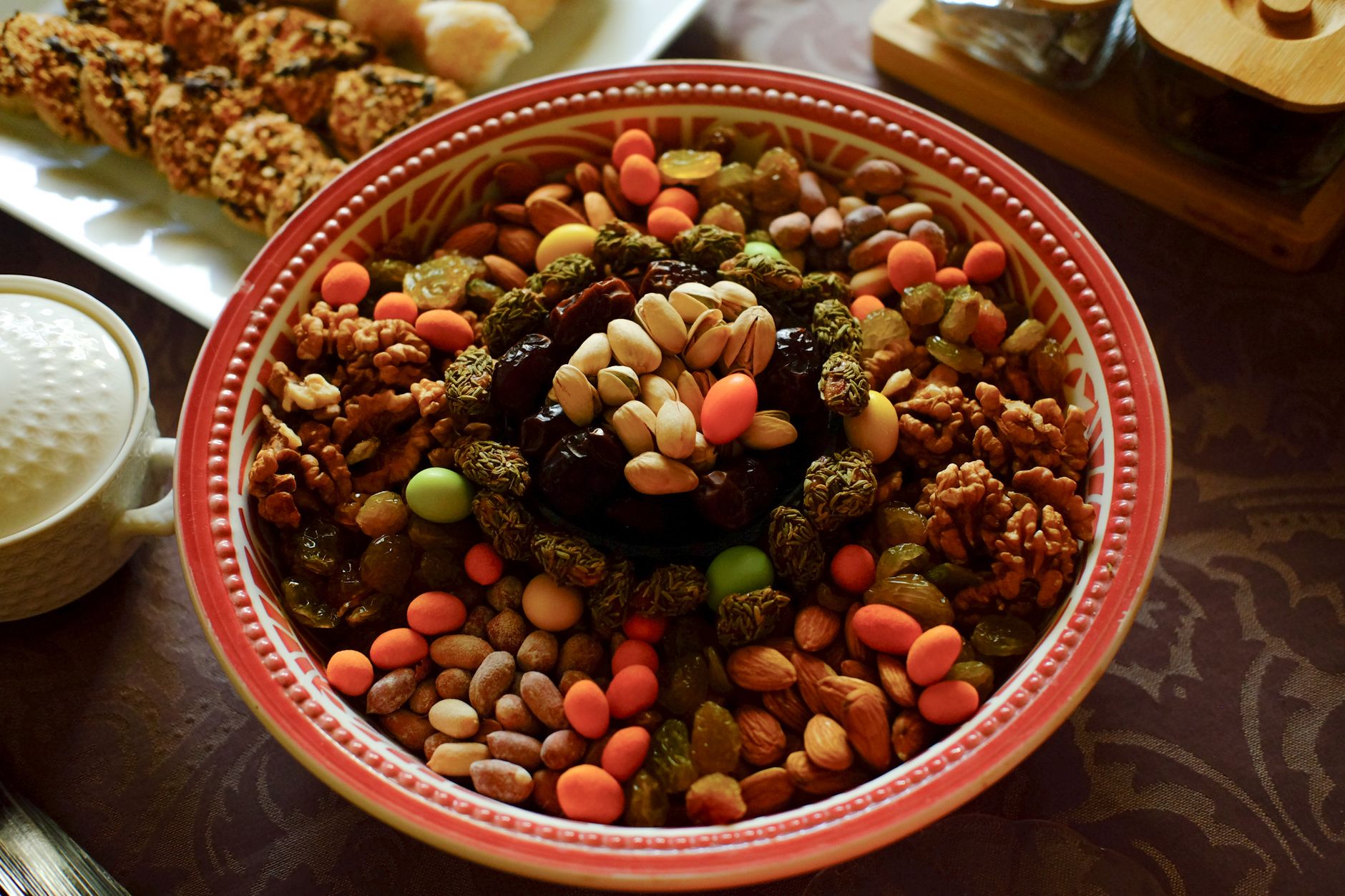
Practical Tips: Managing Your Medicines During Navratri and Jain Fasts
Here are some simple, actionable steps you can follow:
- Plan ahead — visit your cardiologist before the festival begins. A 10-minute consultation can help you create a personalised medicine schedule for fasting days.
- Use a pill organiser. Set it up the night before so you never lose track of which tablets you have taken.
- Take medicines with a small allowable food item. A teaspoon of yoghurt, a sip of milk, or a small fruit is usually enough to coat the stomach and help absorption — and most fasts permit these.
- Stay well hydrated. Dehydration thickens the blood and stresses the heart. Drink water, coconut water, or diluted fruit juice as your fast allows.
- Avoid excessive garba dancing if you have advanced heart disease. Gentle participation is fine for most stable heart patients; intense, prolonged activity without eating is not.
- Keep your emergency medicines accessible. If you use a nitroglycerine spray or tablet for angina, keep it with you at all times during garba nights.
- Monitor blood pressure at home if you have a home BP device. Check once in the morning and once in the evening on fasting days.
- Know the warning signs. Chest tightness, severe dizziness, palpitations, breathlessness, or fainting are signs to stop activity immediately and seek medical help.
Warning Signs That Need Immediate Attention
During any fast, if you experience any of the following, do not wait — seek emergency care right away:
- Chest pain or pressure, even mild
- Sudden shortness of breath
- Palpitations that do not settle within a few minutes
- Fainting or near-fainting
- One-sided weakness or slurred speech (possible stroke)
- Very high or very low blood pressure reading
Rajkot has good emergency cardiac care available — do not hesitate to reach out if something feels wrong.

Key Takeaways
- Never skip heart medicines during a fast — the risks of missing doses far outweigh any concern about breaking the fast rules.
- Most religious traditions permit medicines taken for health preservation; confirm with your religious guide if unsure.
- Different fasts have different rules — partial fasts (Navratri phalahar) are generally easier to manage than strict water-only Jain fasts.
- Speak to your cardiologist before the festival, not during a health scare in the middle of it.
- Stay hydrated, monitor your BP, and keep emergency medicines handy throughout the festive season.
- Know the warning signs and act quickly if they appear.
A Note From Our Clinic in Rajkot
We see many devoted patients in Rajkot who want to fast sincerely during Navratri and Paryushan — and we deeply respect that. Our goal is never to discourage your faith practice, but to make sure your heart stays safe while you observe it. A small, thoughtful adjustment in the timing of your medicines can make a big difference.
If you are a heart patient preparing to fast this festive season, we warmly encourage you to schedule a consultation so we can review your medicines together and create a safe fasting plan tailored just for you. Your devotion and your health can absolutely go hand in hand.
Frequently asked questions
- Can I take my heart medicines during Navratri fasting?
- Yes, heart medicines should be taken even during Navratri fasting. Skipping them can cause dangerous spikes in blood pressure, irregular heart rhythms, or clotting events. Most Navratri fasts allow milk, yoghurt, or fruit, which can be taken alongside your tablets to help with absorption. Always confirm the exact timing with your cardiologist before the festival begins.
- Is it safe to take blood pressure tablets on an empty stomach during a Jain fast?
- Most blood-pressure tablets can be safely taken with a small sip of water even on a stricter Jain fast. Some tablets that irritate the stomach (like aspirin) benefit from a small allowable food item such as a banana or a few almonds. For prolonged water-only fasts, please consult your cardiologist to adjust your medicine schedule safely.
- What should I do if I feel dizzy or have palpitations during garba?
- Stop dancing immediately, sit down in a cool, shaded area, and drink water or coconut water if your fast permits it. Check your blood pressure if you have a home device. If the dizziness or palpitations do not settle within a few minutes, or if you have any chest discomfort or breathlessness, seek emergency medical help right away — do not wait.
- Do I need to see my cardiologist before fasting during Navratri or Paryushan?
- Yes, a brief pre-festival check-up is strongly recommended for any heart patient planning to fast. Your cardiologist can review all your current medicines, adjust timing or doses for fasting days if needed, and give you a clear plan so you can observe your fast safely and confidently.