Why Do Some People Faint Without a Clear Reason?
Waking up on the floor with no memory of falling. Suddenly feeling the room spin, then everything goes dark. Unexplained fainting — also called syncope (pronounced sin-koh-pee) — is more common than most people realise. In fact, roughly one in three people will experience at least one fainting episode in their lifetime.
For most people, fainting is a one-off event. But when blackouts happen more than once, happen during physical activity, or cause injury, they deserve a thorough investigation. The challenge is that fainting is brief — by the time a person reaches a clinic, their heart rhythm and blood pressure may look completely normal.
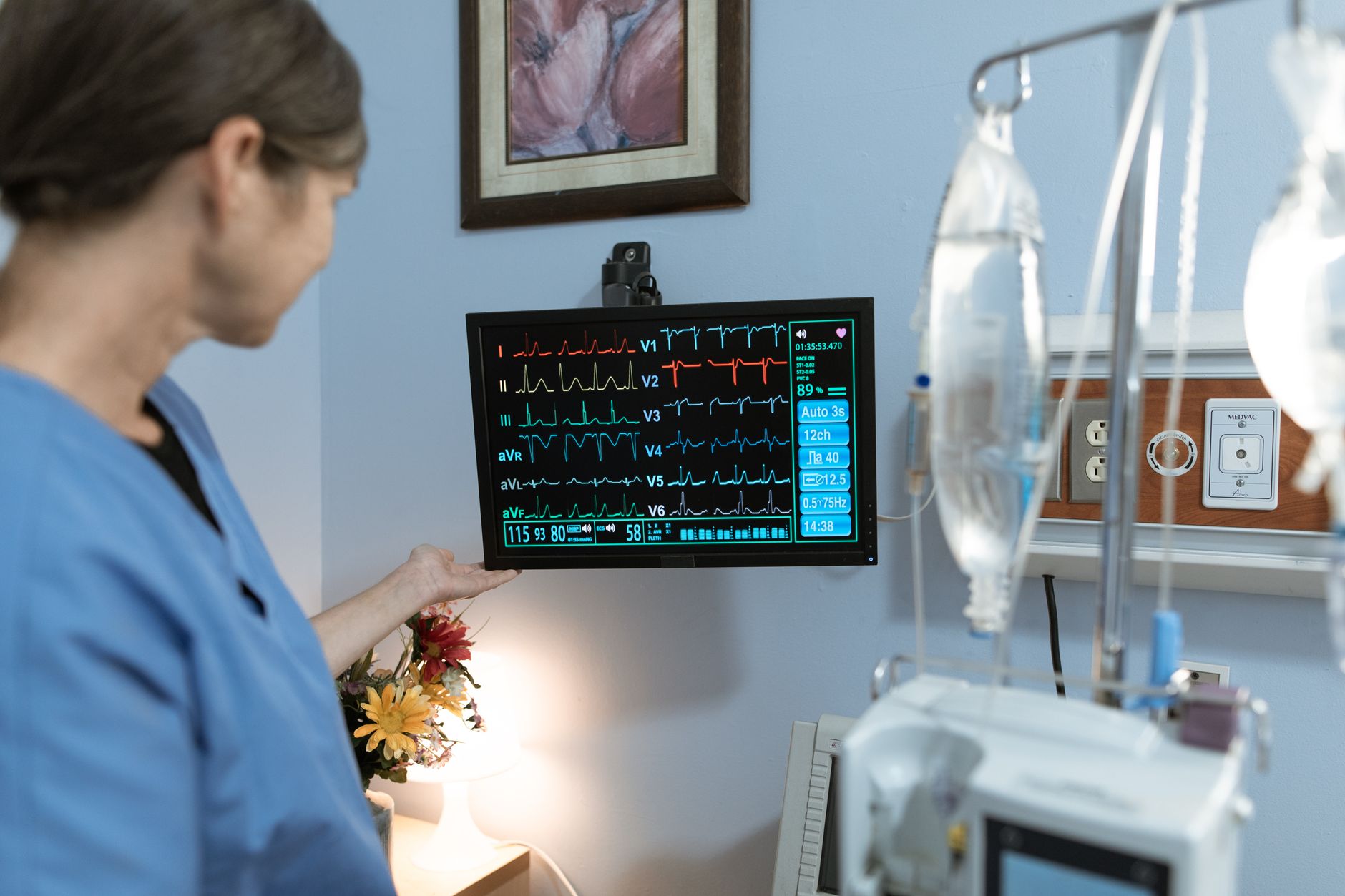
This is exactly why the tilt table test for fainting diagnosis exists. It is a safe, non-invasive way to reproduce and study the conditions that cause a person to faint — while the medical team monitors every heartbeat and blood-pressure reading in real time.
What Is a Tilt Table Test?
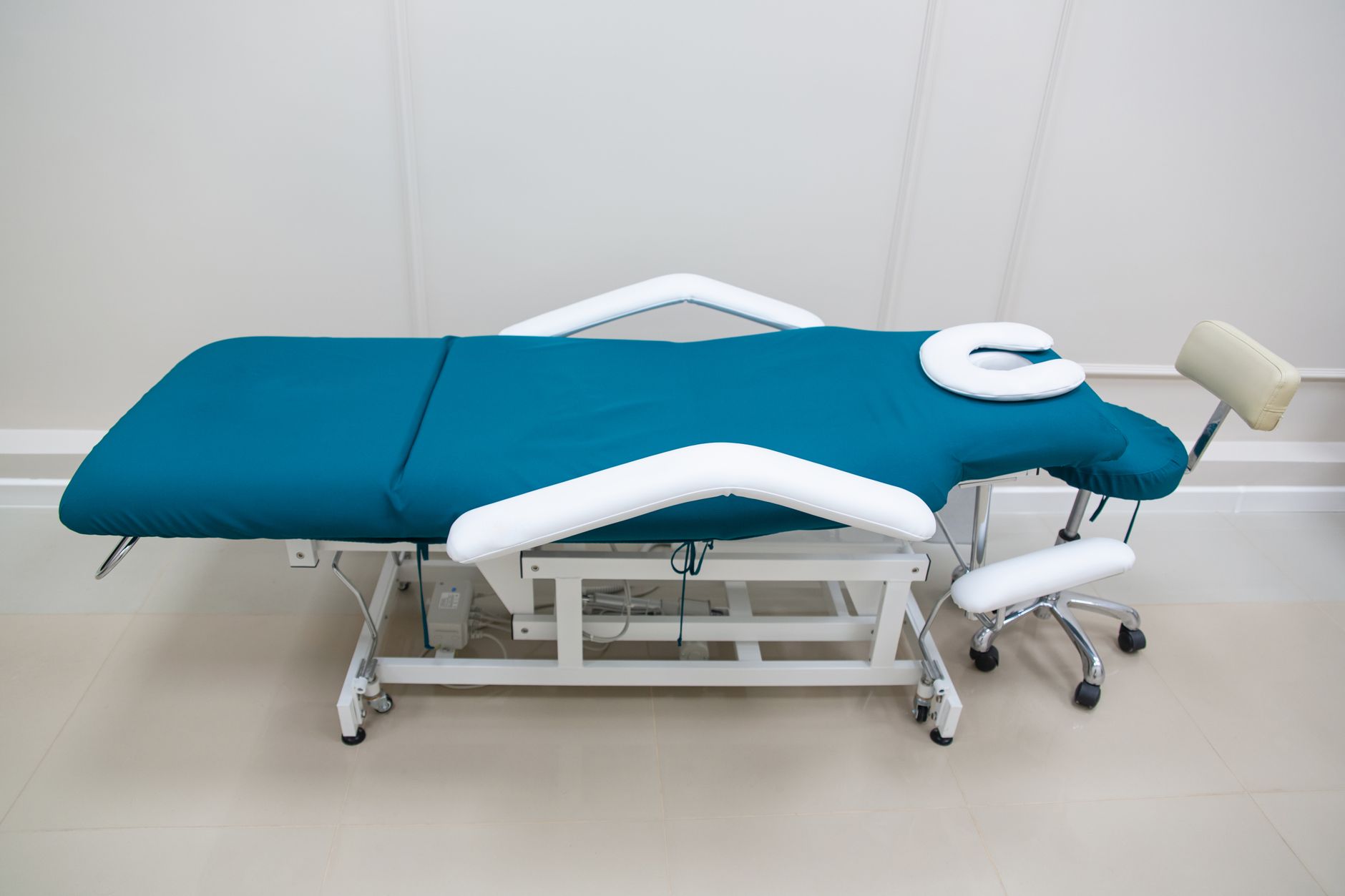
A tilt table test — formally called a Head-Up Tilt (HUT) test — is a specialised cardiology investigation. The patient lies on a motorised table that slowly tilts upright to roughly 60–80 degrees. Gravity then causes blood to shift downward toward the legs, mimicking the body's response to standing up.
In a healthy person, the nervous system instantly compensates: the heart beats a little faster, blood vessels tighten slightly, and blood pressure stays steady. In some people, this automatic adjustment fails — causing a sudden drop in blood pressure, a slowing of the heart rate, or both. The result is reduced blood flow to the brain, and the person feels faint or actually faints.
By replicating this challenge in a controlled, monitored environment, the cardiologist can see exactly what the heart and blood vessels are doing at the moment symptoms occur.
Who Should Have a Tilt Table Test?
A cardiologist may recommend this investigation if you:
- Have had two or more unexplained fainting episodes
- Fainted and cannot remember falling (suggesting a sudden loss of consciousness)
- Experience warning signs before fainting — such as light-headedness, blurred vision, nausea, or sweating
- Have had a blackout during exercise or while standing for long periods
- Are a driver, pilot, or work at heights, where a single episode poses serious risk
- Have had a fainting episode and a standard ECG, echocardiogram, and blood tests came back normal
It is also useful in people who feel dizzy or nearly faint (pre-syncope) repeatedly, even if they have never lost consciousness fully.
Common Causes the Test Helps Identify
Vasovagal Syncope
This is the most frequent cause of fainting overall. The vagus nerve over-reacts to triggers such as prolonged standing, heat, emotional stress, or the sight of blood. The heart slows, blood pressure drops, and consciousness is briefly lost. It is generally not dangerous, but it is distressing and can cause injuries from falls.
Orthostatic Hypotension
Blood pressure drops significantly within a few minutes of standing up. This is more common in older adults and in people taking certain blood-pressure or Parkinson's medications.
Postural Orthostatic Tachycardia Syndrome (POTS)
Instead of a blood-pressure drop, the heart rate rises excessively on standing — by 30 beats per minute or more. This leaves the person feeling dizzy, breathless, and fatigued rather than fully fainting.
Other Reflex Syncope Patterns
Carotid sinus hypersensitivity and situational syncope (triggered by coughing, swallowing, or urination) can sometimes be evaluated in the same laboratory setting.
What Happens During the Test? A Step-by-Step Guide
Understanding each stage of the procedure helps reduce any anxiety about the test.
Before the test You will typically be asked to fast (no food or water) for at least 4 hours beforehand. Wear comfortable clothing. Arrange for someone to accompany you, as you may feel tired afterward.
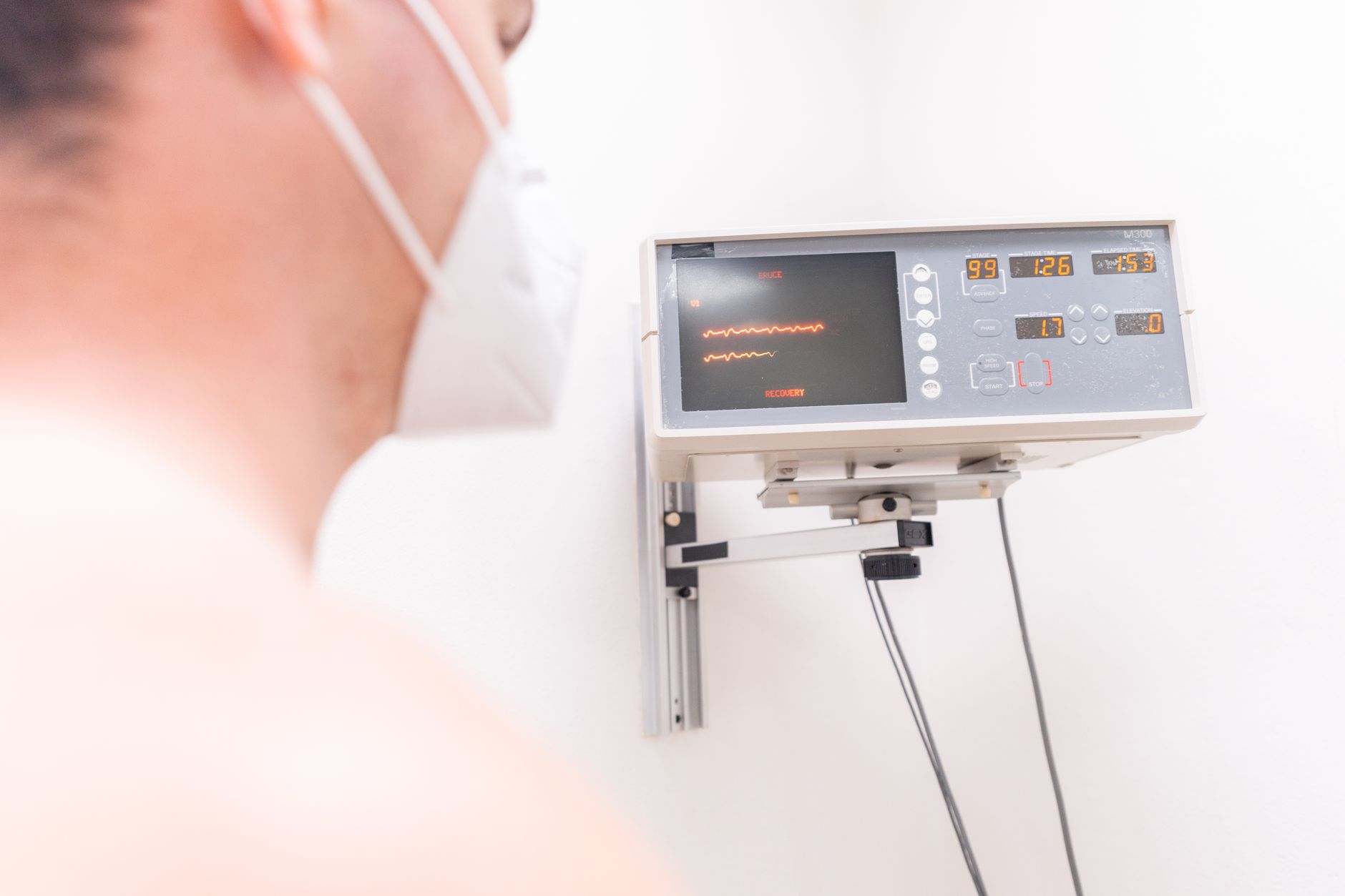
Arriving at the laboratory You will be greeted by a cardiac technician and nurse. Sticky electrode patches (ECG leads) are placed on your chest, and a blood-pressure cuff is fitted — usually a finger-cuff that records pressure continuously, beat by beat.
The resting phase (10–20 minutes) You lie flat on the table while the team records your baseline heart rate and blood pressure. This helps them see clearly what is "normal" for you before any tilt begins.
The tilt phase (20–45 minutes) The table tilts you upright to 60–80 degrees. You remain as still as possible, with footrests supporting your feet. Your readings are watched closely throughout.
Medication phase (if needed) If the passive tilt does not reproduce symptoms, a small amount of a medication (commonly glyceryl trinitrate, or GTN, sprayed under the tongue) may be given to gently stress the cardiovascular system further. This increases the sensitivity of the test.
If symptoms occur If you feel faint, dizzy, or experience your usual warning signs, tell the team immediately. The table is promptly returned to flat, and symptoms usually resolve within seconds to a couple of minutes. The goal is not to make you suffer — the moment the team records the response they need, the test stops.
After the test You rest for 15–30 minutes before leaving. Most people feel completely normal within an hour. Results are usually discussed with you on the same day or at a follow-up appointment.
Is the Tilt Table Test Safe?
Yes. It is considered a very low-risk, non-invasive investigation. Serious complications are extremely rare. The most likely outcome, if the test is "positive," is that you feel briefly faint — which is managed immediately by the team.
It is not recommended if you have had a recent heart attack, severe aortic stenosis, or certain other heart conditions. Your cardiologist will review your medical history carefully before ordering the test.
Key Takeaways
- Syncope (fainting) can have many causes — not all of them dangerous, but all of them worth understanding.
- A tilt table test for fainting diagnosis safely recreates the conditions that trigger blackouts while monitoring your heart and blood pressure.
- It is non-invasive, relatively comfortable, and takes around 60–90 minutes from start to finish.
- The test is most helpful when standard ECGs and blood tests have not found an answer.
- A positive result is not a reason to panic — most reflex syncope conditions are manageable with lifestyle adjustments and, where needed, medication or other therapies.
- Knowing the cause of your fainting episodes puts you — and your cardiologist — in a much stronger position to keep you safe.
What Happens After a Positive Result?
A positive tilt table test confirms that your fainting is caused by a specific circulatory or nervous-system response. This is actually good news: it means the cardiologist can now tailor a treatment plan for you.
Depending on the type and severity of your response, management may include:
- Lifestyle measures — increasing fluid and salt intake (where appropriate), learning to recognise early warning signs, sitting or lying down quickly when symptoms begin, physical counter-pressure manoeuvres (crossing legs, tensing thigh muscles)
- Medication — in selected cases, medications to stabilise blood pressure or heart rate
- Cardiac pacing — in a small group of patients with severe pauses in heart rate, a pacemaker may be discussed
- Driving advice — your cardiologist will guide you on any temporary restrictions for your safety
For patients in Rajkot and across Saurashtra, having access to tilt table testing locally means you no longer need to travel far to get answers to distressing, sometimes disabling, episodes of blackouts.

A Note on Living With Recurrent Fainting
If you or someone in your family experiences repeated blackouts, it is easy to feel anxious, frustrated, or dismissed — especially when initial tests come back normal. You are not imagining your symptoms. Unexplained syncope is a real medical condition, and the right diagnostic workup, starting with a thorough cardiovascular assessment, can make an enormous difference to quality of life.
An illustrative example: a 42-year-old teacher might experience three fainting episodes over six months, each happening while standing in class. Her ECG and echocardiogram are normal. A tilt table test reveals a classic vasovagal pattern. Once she understands her triggers and learns simple counter-manoeuvres, her episodes reduce significantly — and she regains her confidence.
That kind of clarity is what careful, patient-centred cardiac investigation is all about.
If you have experienced unexplained fainting, near-blackouts, or are concerned about your heart rhythm, please speak with a qualified cardiologist. Early assessment leads to better answers and better care. To book a consultation with Dr. Nikhila Pachani, Interventional Cardiologist in Rajkot, please contact the clinic — we are here to help you find answers.
Frequently asked questions
- What is a tilt table test used for?
- A tilt table test is used to diagnose the cause of unexplained fainting (syncope) or recurrent blackouts. It safely tilts the patient from lying flat to an upright position while continuously monitoring heart rate and blood pressure, helping the cardiologist identify conditions such as vasovagal syncope, orthostatic hypotension, or POTS.
- Is the tilt table test painful or uncomfortable?
- The tilt table test is non-invasive and generally well-tolerated. You may experience the light-headedness or dizziness that mirrors your usual symptoms — this is actually the intended response that gives the cardiologist the information they need. The table is immediately returned to flat if you feel unwell, and symptoms typically resolve within seconds to a couple of minutes.
- How long does a tilt table test take?
- The full procedure, including preparation, the resting baseline phase, the tilt phase, and a short recovery period, usually takes between 60 and 90 minutes. You should plan to have someone accompany you and avoid driving immediately after the test.
- What does a positive tilt table test result mean?
- A positive result means the test successfully reproduced your fainting symptoms and identified the underlying cardiovascular or nervous-system response causing them. This is an important and reassuring finding — it gives your cardiologist clear information to plan appropriate treatment, which may range from simple lifestyle adjustments to medication or, in rare cases, a pacemaker.