Why Type 1 Diabetes and Heart Disease Deserve Special Attention
When most people think about heart disease and diabetes, they picture Type 2 diabetes. But if you or someone you love lives with Type 1 diabetes (T1D), the relationship between blood sugar and heart health is just as important—and in some ways, quite different.
People with Type 1 diabetes are diagnosed earlier in life, often in childhood or young adulthood. This means the heart and blood vessels are exposed to the effects of fluctuating blood sugar for many more years compared to someone who develops Type 2 diabetes in middle age. The good news is that with the right approach to type 1 diabetes and heart disease management, it is entirely possible to live a long, active, and heart-healthy life.
This article explains what makes T1D unique from a heart health perspective, what warning signs to watch for, and what steps you can take starting today.
How Does Type 1 Diabetes Affect the Heart?
In Type 1 diabetes, the immune system mistakenly attacks the insulin-producing cells in the pancreas. Without insulin, glucose cannot enter the body's cells properly, and blood sugar rises. Over time, consistently high blood glucose can damage blood vessels and nerves—including those that supply and regulate the heart.
Here is how this damage unfolds:
- Atherosclerosis (artery hardening): High blood sugar, combined with inflammation, causes fatty deposits to build up inside artery walls. This narrows the arteries and reduces blood flow to the heart.
- Diabetic cardiomyopathy: The heart muscle itself can become stiff or weakened over years of poor blood sugar control, even without blocked arteries.
- Autonomic neuropathy: Diabetes can damage the nerves that control heart rate and blood pressure. This sometimes leads to a faster resting heart rate and an inability to sense chest pain normally.
- Silent heart attacks: Because of nerve damage, some people with long-standing T1D may not feel the typical chest pain during a heart attack. The warning signs can be subtle—unusual tiredness, mild breathlessness, or nausea.
Studies show that people with T1D have a two to four times higher risk of cardiovascular disease compared to those without diabetes. Women with T1D, in particular, may carry an even higher relative risk than men with the condition.
What Makes T1D Heart Disease Management Different?
1. Earlier and More Frequent Monitoring
Because T1D begins young, heart risk assessment should start earlier than in the general population. A cardiologist may recommend:
- Lipid (cholesterol) tests from early adulthood, or sooner if there are other risk factors
- Blood pressure checks at every medical visit
- Kidney function tests, since kidney disease and heart disease often go hand in hand in diabetes
- Echocardiogram (heart ultrasound) to assess heart muscle function
- ECG (electrocardiogram) to detect any rhythm disturbances or silent changes
For an illustrative example: a 28-year-old with T1D since childhood might already benefit from a baseline cardiac evaluation, even with no symptoms, simply because of the years of blood sugar exposure.
2. Blood Sugar Control Is Central—But Hypoglycaemia Matters Too
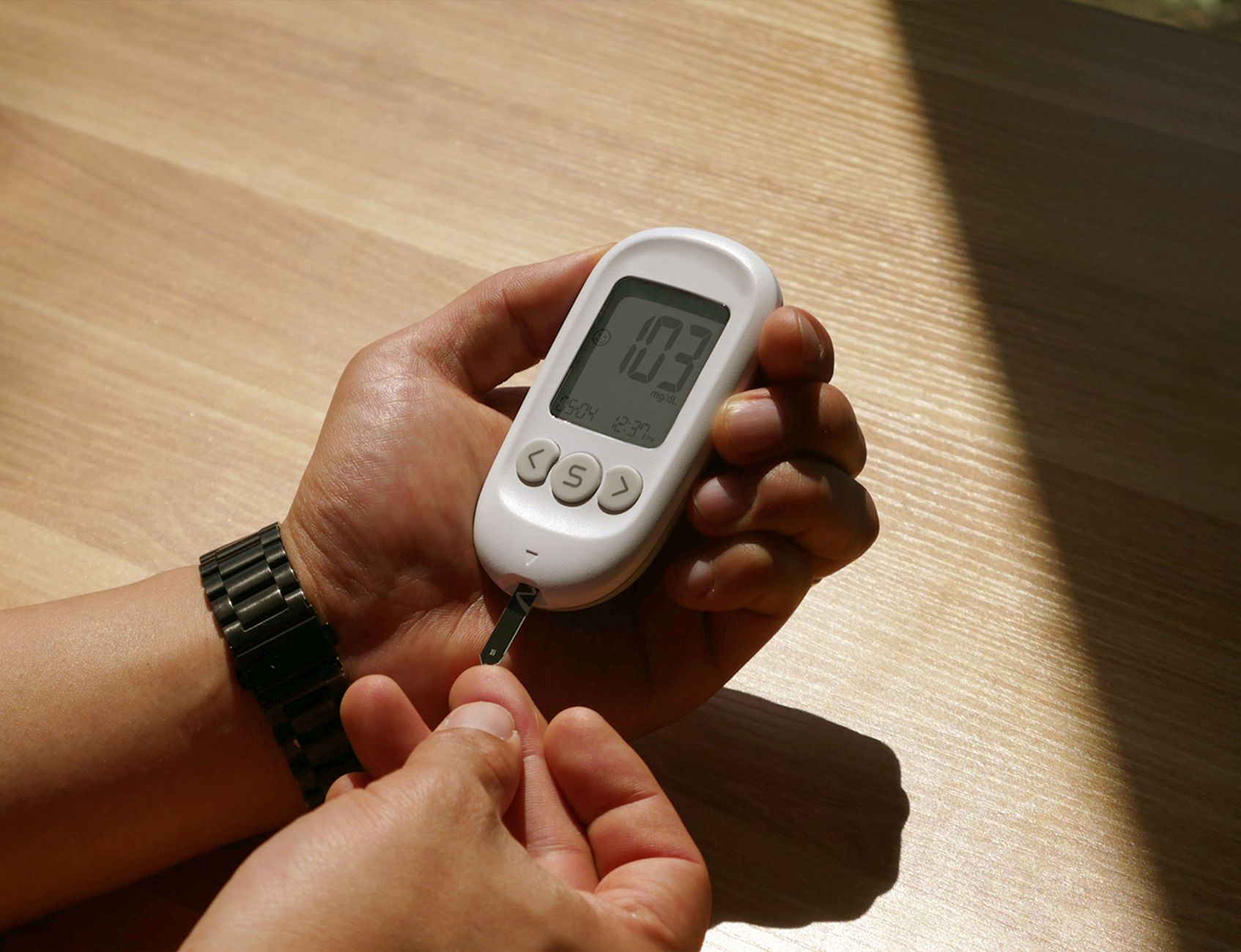
Keeping HbA1c (average blood sugar over 3 months) in the target range reduces long-term cardiovascular damage. However, in Type 1 diabetes, the risk of hypoglycaemia (low blood sugar) is a constant reality because of insulin therapy.
Severe low blood sugar events can:
- Trigger abnormal heart rhythms (arrhythmias)
- Cause a sudden spike in blood pressure
- Increase adrenaline release, stressing the heart
This is why T1D management is not simply about "getting blood sugar as low as possible." It is about finding a safe, stable range with the guidance of your diabetes and cardiac care team. Modern tools like continuous glucose monitors (CGMs) and insulin pumps have made this balance much more achievable.
3. Cholesterol and Blood Pressure Targets May Be Stricter
People with T1D and existing heart disease, or multiple risk factors, may be advised to aim for:
- LDL ("bad") cholesterol below 70 mg/dL (or even lower in high-risk individuals)
- Blood pressure below 130/80 mmHg
- Triglycerides kept within the normal range through diet and, if needed, medication
Statins (cholesterol-lowering medicines) are commonly prescribed, and in many T1D patients with high cardiovascular risk, they are recommended from a relatively young age.
4. Some Heart Medicines Behave Differently in T1D
Certain medications used for heart conditions need careful thought in Type 1 diabetes:
- Beta-blockers (used for heart failure, arrhythmias, or high blood pressure) can mask the symptoms of low blood sugar, such as a racing heart. Your doctor will weigh the benefits carefully.
- ACE inhibitors or ARBs (blood pressure medicines) are often preferred because they also protect the kidneys—a double benefit for people with diabetes.
- SGLT2 inhibitors, widely used in Type 2 diabetes for heart protection, are being studied for T1D but carry a small risk of diabetic ketoacidosis (DKA) and are not yet universally recommended—always discuss with your doctor.

Lifestyle: The Foundation of Heart Protection in T1D
No medicine works as powerfully as consistent, heart-friendly daily habits. For people with T1D in Rajkot and across Gujarat, here are evidence-backed lifestyle steps:
Eat a Heart-Smart Diet
- Favour whole grains, dals, vegetables, and fruits over refined carbohydrates and processed foods.
- Limit fried snacks, high-sodium pickles, and trans fats found in many packaged foods.
- Choose healthy fats like those in nuts, seeds, and mustard or olive oil.
- Keep portion sizes consistent to help stabilise blood sugar levels.
- A registered dietitian familiar with diabetes can create a meal plan that balances glucose control with heart health.
Move More, Safely
Regular physical activity is one of the most powerful tools for heart protection. Aim for at least 150 minutes of moderate activity per week—brisk walking, swimming, cycling, or yoga all count. A morning walk in one of Rajkot's parks can be a wonderful start.
Important: People with T1D should monitor blood glucose before, during, and after exercise, as activity affects insulin sensitivity significantly. Carry a fast-acting glucose source (like glucose tablets or fruit juice) during workouts.
Quit Smoking
Smoking dramatically accelerates artery damage in anyone, but in people with diabetes the harm is compounded. If you smoke, quitting is the single most impactful step you can take for your heart.
Manage Stress
Chronic stress raises blood sugar and blood pressure. Simple practices like pranayama (breathing exercises), meditation, and adequate sleep (7–8 hours a night) can meaningfully support both glycaemic and cardiac health.
Warning Signs That Need Immediate Attention
Because silent heart disease is more common in T1D, it is important to know the less obvious warning signs, not just the classic crushing chest pain:
- Unusual breathlessness during light activity or at rest
- Unexplained fatigue or feeling "drained" for no clear reason
- Palpitations or a noticeably irregular heartbeat
- Swelling in the feet or ankles
- Dizziness or fainting spells
- Pain or discomfort in the jaw, neck, shoulders, or upper back
If you experience any of these symptoms, especially if you have had T1D for many years, seek medical attention promptly. Do not wait and watch.

Key Takeaways
- People with Type 1 diabetes face a higher cardiovascular risk, often beginning at a younger age than the general population.
- Heart disease in T1D can be "silent"—regular screening tests are essential even without symptoms.
- Balancing blood sugar carefully (avoiding both highs and lows) is a cornerstone of heart protection.
- Cholesterol, blood pressure, and kidney function need regular monitoring and may require stricter targets.
- A heart-healthy lifestyle—balanced diet, regular activity, no smoking, and stress management—is the foundation of good outcomes.
- Work closely with both your endocrinologist and cardiologist as a team; T1D heart care works best when both specialists are on the same page.
Partnering With Your Cardiologist
Living with Type 1 diabetes is a lifelong journey, and so is protecting your heart. The relationship between the two conditions is complex, but it is not unmanageable. With the right monitoring plan, medication strategy, and daily habits, many people with T1D maintain excellent heart health well into older age.
If you have T1D and have not yet had a dedicated cardiac evaluation, or if you have concerns about symptoms you have been experiencing, consider reaching out to a qualified interventional cardiologist. A proactive conversation today can make a meaningful difference for your heart's future.
To discuss your cardiovascular risk and get a personalised heart health plan, book a consultation with Dr. Nikhila Pachani, Consultant Interventional Cardiologist, Rajkot.
Frequently asked questions
- Does Type 1 diabetes increase the risk of heart disease?
- Yes. People with Type 1 diabetes have a two to four times higher risk of cardiovascular disease compared to those without diabetes. This is because prolonged exposure to fluctuating blood sugar levels can damage blood vessels, promote artery hardening, and affect the heart muscle and its nerve supply.
- Can a person with Type 1 diabetes have a heart attack without chest pain?
- Yes. Diabetic autonomic neuropathy—nerve damage caused by long-standing diabetes—can reduce the ability to feel typical chest pain. Heart attacks in people with Type 1 diabetes may present as unusual fatigue, breathlessness, nausea, or discomfort in the jaw, neck, or back. This is why regular cardiac screening is important even without obvious symptoms.
- At what age should someone with Type 1 diabetes start heart screening?
- Because Type 1 diabetes often begins in childhood or early adulthood, cardiac risk assessment may be recommended earlier than for the general population—sometimes in the mid-twenties or thirties, depending on how long the person has had diabetes and whether other risk factors like high blood pressure or cholesterol are present. Your cardiologist can advise the right timing for you.
- Is exercise safe for people with Type 1 diabetes who also have heart disease?
- In most cases, yes—regular moderate exercise is actually beneficial for both blood sugar control and heart health. However, people with Type 1 diabetes need to monitor their blood glucose before, during, and after exercise, carry a fast-acting glucose source, and get medical clearance from their cardiologist before starting a new exercise programme, especially if heart disease is already present.