
Leaving the hospital after a heart procedure is a moment filled with relief — and, often, a little confusion. The nurse hands you a folded set of papers just before you walk out, and somewhere in that bundle is your discharge summary. It is dense with medical terms, abbreviations, and numbers that can feel overwhelming at a time when you are already tired and eager to get home.
You are not alone. Many patients seen at cardiology clinics in Rajkot — and across Gujarat — arrive for their first follow-up visit holding a discharge summary they have never fully understood. This guide will walk you through each section of a typical discharge summary after a heart procedure, in plain, simple language, so you can take charge of your own recovery.
Important note: This article provides general education only. Your own discharge summary may differ. Always follow the specific instructions your cardiologist has given you.
What Is a Discharge Summary?
A discharge summary is an official medical document prepared by your hospital team when you are released from care. Think of it as a "story of your hospital stay" — what brought you in, what was found, what was done, and what you must do next.
After procedures such as a coronary angiography, angioplasty (PCI), or stent placement, this document becomes your recovery roadmap. Keep it safe. You will need it at every follow-up appointment.
Breaking Down the Key Sections
1. Patient Details and Admission Information
At the top of the page you will usually find:
- Your name, age, and hospital ID
- Date of admission and date of discharge
- The name of your consultant cardiologist
- The ward or unit where you were treated (e.g., Cardiac ICU, Cath Lab Recovery)
Why it matters: Always check that your name and date of birth are correct. Errors here, though rare, should be corrected before you leave the hospital.
2. Diagnosis / Final Diagnosis
This section tells you what was found. Common terms you may see include:
- CAD (Coronary Artery Disease): Narrowing of the arteries that supply blood to the heart muscle.
- ACS (Acute Coronary Syndrome): An umbrella term that includes unstable angina and heart attacks (STEMI or NSTEMI).
- STEMI / NSTEMI: Types of heart attack. STEMI involves a complete blockage; NSTEMI a partial one.
- Stable Angina: Chest discomfort that happens predictably, usually with exertion.
Do not be alarmed by the clinical language. Ask your doctor to explain your specific diagnosis at your follow-up visit.
3. Procedure Performed
Here you will see exactly what was done during your hospital stay. Some examples:
- Coronary Angiography (CAG): A special X-ray test to look inside your heart arteries using a dye.
- Percutaneous Coronary Intervention (PCI) / Angioplasty: A procedure to open a blocked or narrowed artery, usually with a small balloon, followed by placement of a stent.
- Stent Placement (DES or BMS): A tiny metal mesh tube placed inside the artery to keep it open. DES stands for Drug-Eluting Stent; BMS stands for Bare-Metal Stent.
- CABG (Bypass Surgery): Open-heart surgery to reroute blood around blocked arteries (if referred for surgery).
The summary may also mention the access site — the small entry point used for the procedure, most often the wrist (radial access) or groin (femoral access).
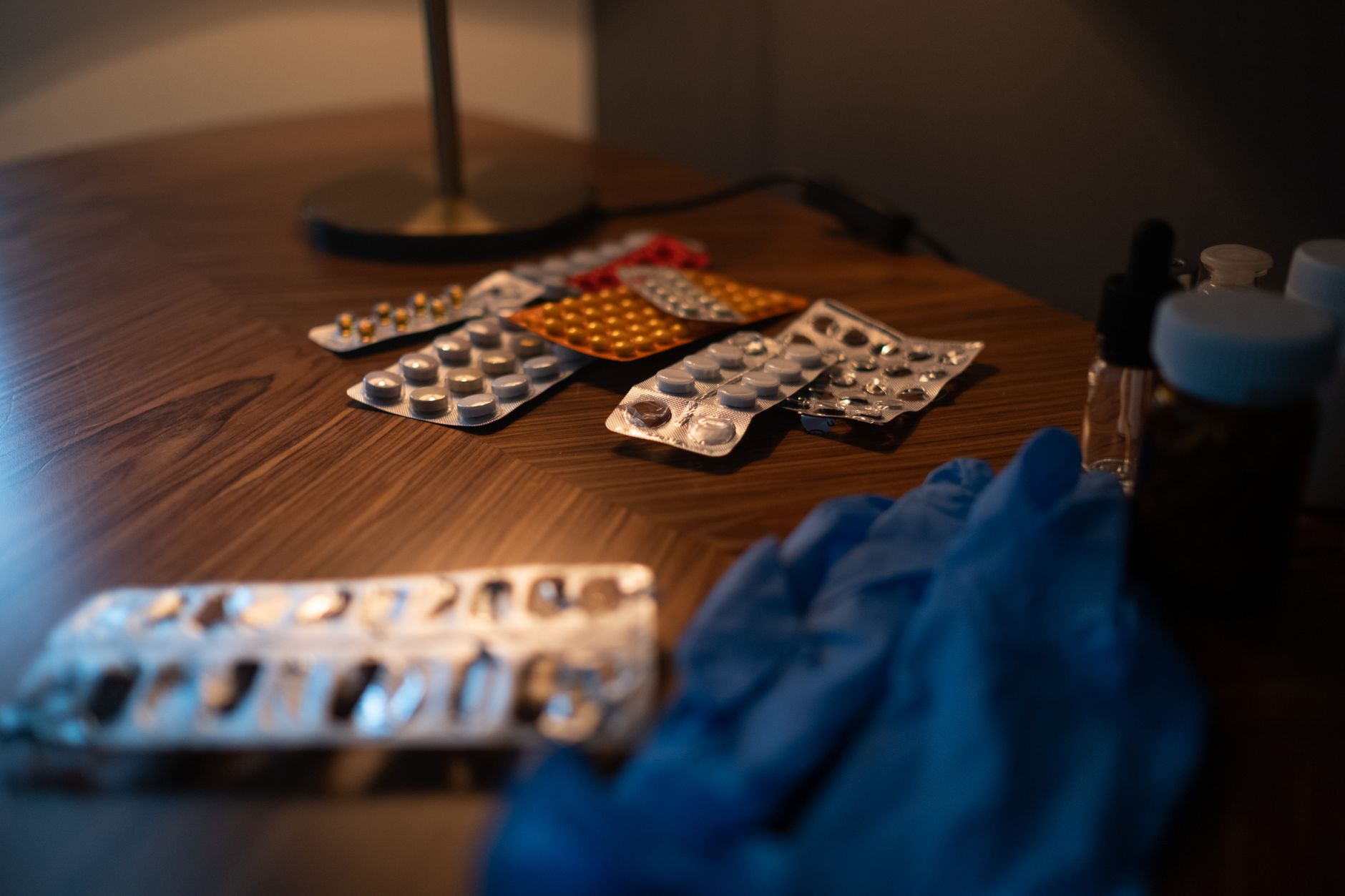
4. Medications on Discharge (Your New Medicine List)
This is arguably the most important section of your discharge summary. It lists every medicine you must take, along with the dose and timing. After a stent procedure, for example, a 55-year-old patient might typically be prescribed:
- Dual Antiplatelet Therapy (DAPT): Usually a combination of Aspirin and Clopidogrel (or a similar drug). These medicines prevent blood clots from forming inside your new stent. Do not stop these without consulting your cardiologist — stopping them early is one of the most common reasons stents block again.
- Statin (e.g., Atorvastatin, Rosuvastatin): Lowers LDL ("bad") cholesterol and helps stabilise artery walls.
- Beta-Blocker (e.g., Metoprolol, Bisoprolol): Reduces the heart's workload and helps regulate the heartbeat.
- ACE Inhibitor or ARB (e.g., Ramipril, Telmisartan): Protects the heart muscle and helps manage blood pressure.
- Medications for Diabetes or Blood Pressure: If you have these conditions, your existing medicines may be continued or adjusted.
Tips for managing your medicines:
- Use a weekly pill organiser (available at most medical stores in Rajkot and across Gujarat).
- Set a phone alarm for each dose.
- Never skip a dose, and never stop any medicine on your own.
- Carry your medicine list with you wherever you go.
5. Investigations / Test Results
This section summarises key tests done during your stay:
- ECG (Electrocardiogram): Records the electrical activity of the heart. Your summary may mention changes like "ST elevation resolved" — a positive sign after a heart attack treated with angioplasty.
- Echo (Echocardiogram): An ultrasound of the heart. Look for the term EF (Ejection Fraction) — this is a percentage that shows how well your heart is pumping. A normal EF is generally 55% or above. Your cardiologist will explain what your specific number means for you.
- Blood Tests: May include troponin (a marker of heart muscle stress), creatinine (kidney function), HbA1c (blood sugar control), and a lipid profile (cholesterol levels).
Do not compare your numbers to a neighbour's or to values you find online. Your cardiologist interprets these results in the context of your whole health picture.

6. Condition at Discharge
This brief note describes how you were feeling when you left the hospital — for example, "haemodynamically stable," "afebrile," "ambulating well." These are reassuring phrases confirming that you were in a safe, stable condition at the time of discharge.
7. Discharge Instructions / Advice Given
This section outlines what you should and should not do at home. Common instructions include:
Activity:
- Start with gentle walking — even 10 minutes twice a day is a fine beginning.
- Avoid lifting heavy objects (usually more than 5 kg) for the first few weeks.
- Climbing stairs slowly is generally permitted unless advised otherwise.
- Driving restrictions may apply, especially if your access site was the wrist; ask your doctor specifically.
Diet:
- Reduce salt (sodium) intake — use less pickle, papad, and processed foods.
- Choose whole grains, fresh vegetables, fruits, and lean proteins.
- Limit deep-fried and high-fat foods common in festive Gujarati cuisine.
- Stay well hydrated unless you have been told to restrict fluids.
Access site care (wrist or groin):
- Keep the area clean and dry.
- A small bruise or mild tenderness is normal and usually fades within a week.
- Report significant swelling, bleeding, or a lump to your doctor promptly.
Warning signs to watch for:
- Chest pain or pressure, especially at rest
- Severe breathlessness
- Palpitations or a very fast or irregular heartbeat
- Swelling of the legs or feet
- Dizziness or fainting
- Excessive bleeding or swelling at the procedure site
If any of these occur, go to the nearest emergency department or call your cardiologist immediately. Do not wait for your scheduled appointment.
8. Follow-Up Appointment
Your discharge summary will specify when to come back — often within one to two weeks after a procedure. Do not miss this visit. It is a critical checkpoint where your cardiologist will:
- Review your ECG and symptoms
- Check your blood pressure and heart rate
- Adjust medications if needed
- Answer all your questions
In Rajkot, follow-up visits can often be scheduled conveniently, so there is no reason to delay.

A Quick Reference: Common Abbreviations Decoded
| Abbreviation | Full Form | What It Means Simply |
|---|---|---|
| CAD | Coronary Artery Disease | Narrowed heart arteries |
| PCI | Percutaneous Coronary Intervention | Angioplasty / stent procedure |
| DES | Drug-Eluting Stent | Stent coated with medicine |
| EF | Ejection Fraction | How well your heart pumps (%) |
| DAPT | Dual Antiplatelet Therapy | Two clot-prevention medicines |
| BP | Blood Pressure | Force of blood against artery walls |
| HR | Heart Rate | Number of heartbeats per minute |
| ECG | Electrocardiogram | Electrical tracing of the heart |
Key Takeaways
- Your discharge summary is your recovery roadmap — read it carefully and keep it safe.
- The medication list is the most critical section; never stop medicines without your doctor's approval.
- Know the warning signs that need immediate attention.
- Your ejection fraction (EF) is a useful measure of heart function — ask your cardiologist what yours means.
- Keep your follow-up appointment — it is not optional.
- Bring your discharge summary to every doctor visit, including visits to a general physician or dentist.
- Simple lifestyle steps — gentle walking, a heart-friendly diet, no smoking — support your medicines and your recovery.
You Are Not Alone on This Journey
Understanding your discharge summary is the first step toward an informed, confident recovery. If any term confuses you, write it down and ask at your next appointment. No question is too small when it comes to your heart health.
If you have recently undergone a heart procedure and would like personalised guidance on your recovery, consider booking a consultation with a qualified interventional cardiologist to review your discharge summary together.
Frequently asked questions
- What should I do if I lose my discharge summary after a heart procedure?
- Contact the medical records department of the hospital where your procedure was performed. They are required to keep copies and can usually provide a duplicate. Also ask your cardiologist's clinic, as they often receive a copy directly.
- Can I stop my blood thinners (antiplatelet medicines) if I feel fine after a stent?
- No. Stopping antiplatelet medicines such as Aspirin or Clopidogrel without your cardiologist's approval can increase the risk of a clot forming inside your stent. Always consult your cardiologist before making any changes to these medicines, even if you feel completely well.
- What does ejection fraction (EF) mean, and what is a normal value?
- Ejection fraction is a percentage that shows how much blood your heart pumps out with each beat. A normal EF is generally 55% or above. A lower value may indicate that the heart muscle needs extra support, which your cardiologist will manage with appropriate medicines and lifestyle advice.
- How soon after a heart procedure should I see my cardiologist for a follow-up?
- Most patients are advised to follow up within one to two weeks after discharge. Your specific discharge summary will mention the recommended timeframe. It is important not to skip this visit, as it allows your doctor to check your recovery, review test results, and adjust treatment if needed.