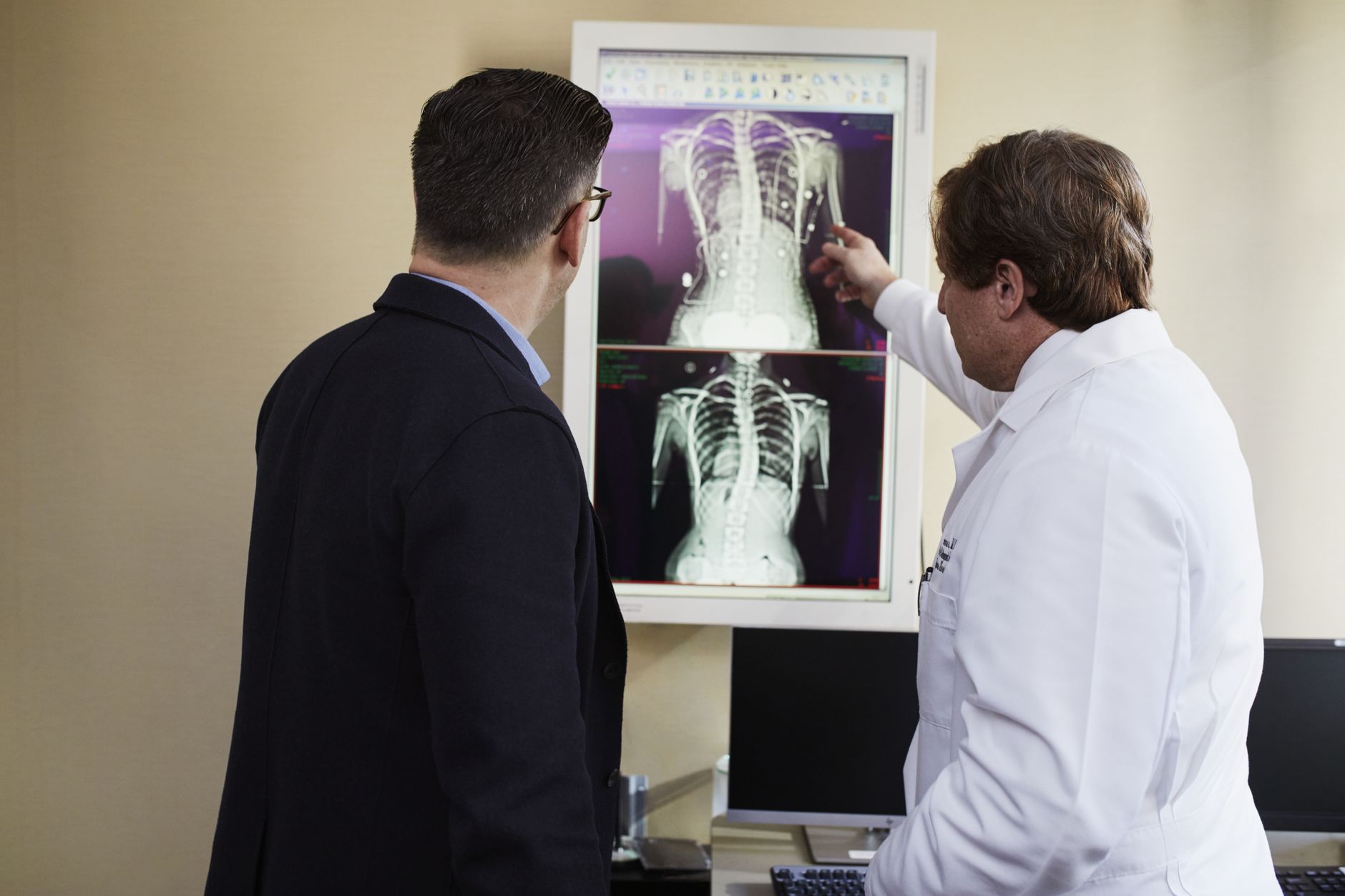
When most people think of a heart attack, they picture someone clutching their chest in sudden, dramatic pain. While that does happen, it is far from the full picture. Many heart attacks — especially in women, people with diabetes, and older adults — announce themselves with symptoms that feel nothing like the classic Hollywood version.
Recognising unusual heart attack warning signs could be the difference between acting quickly and waiting too long. This article walks you through the less obvious signals your heart may send, and why you should always take them seriously.
Why Heart Attacks Don't Always Feel Like Heart Attacks
The heart is supplied by a network of coronary arteries. When one of these arteries becomes blocked — usually by a buildup of plaque — the heart muscle is starved of oxygen. That distress signal travels through nerves that overlap with other parts of the body. This is called referred pain, and it explains why a heart attack can be "felt" in the jaw, arm, back, or stomach rather than — or in addition to — the chest.
In Rajkot and across Gujarat, many patients who visit Dr. Nikhila Pachani's cardiology clinic describe symptoms they had previously dismissed as acidity, a pulled muscle, or simple fatigue. By the time they arrived, precious time had already been lost. Understanding what to look for can help you act faster.
The Classic Symptom — And Why It's Not the Only One
Chest Discomfort
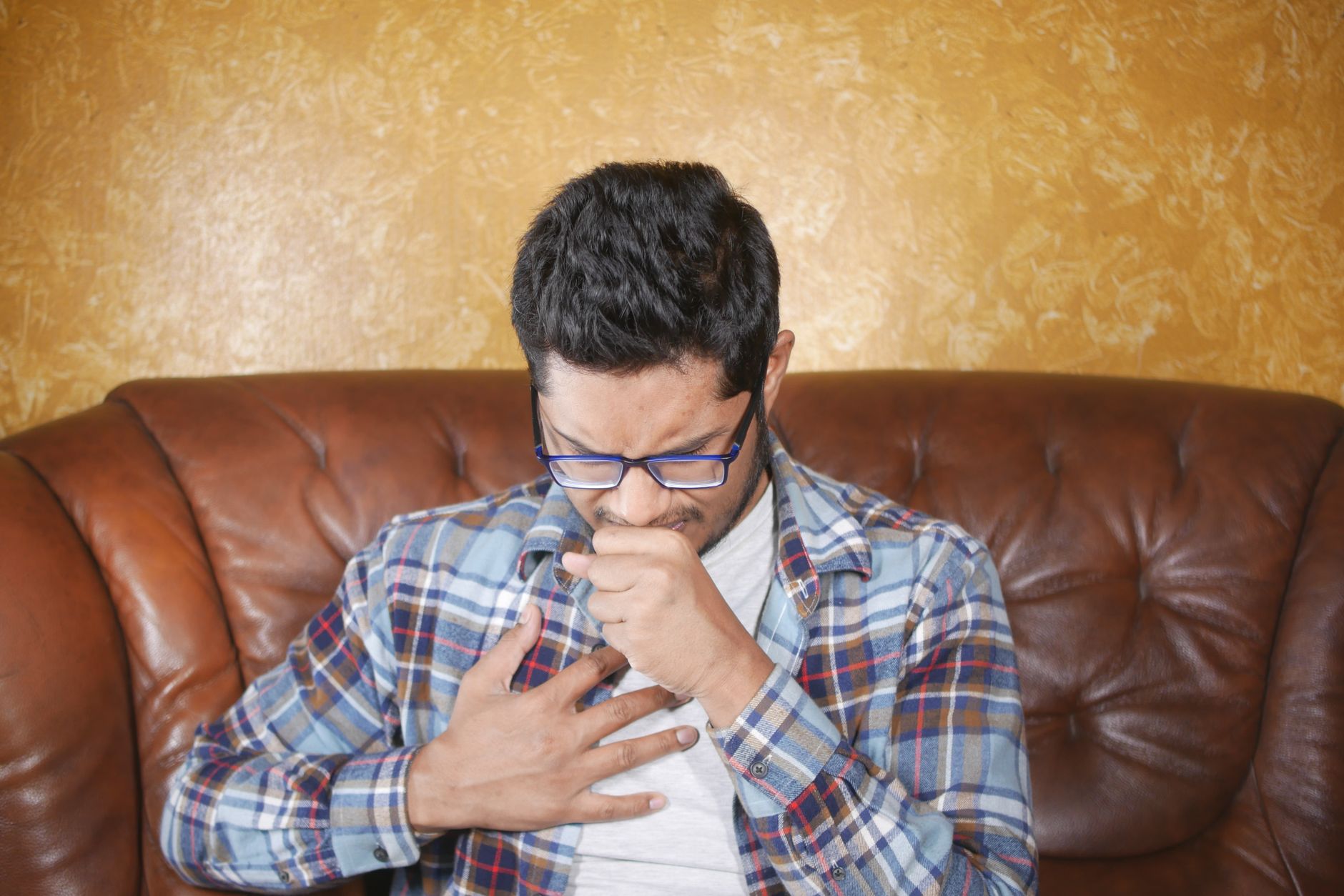
Yes, chest pain or pressure remains the most commonly reported heart attack symptom. Patients often describe it as:
- A heavy weight or "elephant sitting on the chest"
- A tight squeezing sensation
- A burning feeling (which is frequently mistaken for heartburn)
- Dull pressure that comes and goes
However, some heart attacks occur with very mild chest discomfort, or none at all. These are sometimes called "silent" heart attacks, and they are more common than most people realise.
Unusual Heart Attack Warning Signs to Know
1. Jaw Pain or Toothache-Like Discomfort
One of the most overlooked unusual heart attack warning signs is pain or pressure in the lower jaw, often on the left side. It can feel exactly like a toothache or a sore jaw muscle. Some people even visit a dentist first, only to be referred back for cardiac evaluation.
The shared nerve pathways between the heart and the jaw make this referral pattern medically well understood. If jaw discomfort appears alongside any other symptoms on this list — especially exertion or sweating — seek emergency care immediately.
2. Left Arm Pain or Numbness
Pain, heaviness, tingling, or numbness that radiates down the left arm (and sometimes the right arm or both arms) is a well-known but frequently underestimated warning sign. Many people assume they have slept awkwardly or strained a muscle.
A key difference: muscle strain pain usually has a clear physical cause and improves with rest or position changes. Cardiac arm pain often appears without an obvious cause, may come and go, and can be accompanied by chest tightness or breathlessness.
3. Neck, Shoulder, or Upper Back Pain
Discomfort that spreads to the neck, shoulders, or upper back — sometimes described as an ache between the shoulder blades — can be another way the heart signals distress. This is particularly noted in women, who are statistically more likely to experience atypical symptoms during a cardiac event.

4. Nausea, Indigestion, or Stomach Pain
A heart attack can mimic a stomach upset, causing nausea, vomiting, or a feeling of indigestion. Because these symptoms are so common and seemingly harmless, many people take an antacid and wait. If upper abdominal discomfort is sudden, unexplained, or accompanied by sweating or dizziness, do not assume it is simply acidity.
5. Unusual Fatigue
Feeling exhausted beyond what your activity level explains — especially if it comes on suddenly or has lasted several days — can be a warning sign. This is particularly common in women in the days or weeks before a heart attack. It is the kind of tiredness that makes simple tasks like climbing stairs feel remarkably difficult.
6. Shortness of Breath
Feeling breathless while resting, or with very light activity that never troubled you before, deserves prompt attention. Breathlessness can accompany chest discomfort, but it can also appear entirely on its own as a cardiac symptom.
7. Cold Sweats and Light-Headedness
Breaking into a cold sweat for no clear reason — not from heat or exercise — along with dizziness or a feeling of faintness, can signal that your heart is under serious stress. This combination, especially when sudden, warrants an emergency call.
8. Heart Palpitations
Feeling your heart flutter, race, skip a beat, or pound unusually hard can occasionally be linked to cardiac events, particularly if it occurs with breathlessness or chest discomfort. While palpitations are often harmless, new or persistent ones should always be evaluated.
Who Is Most at Risk of Atypical Symptoms?
Unusual heart attack warning signs are more likely to occur in:
- Women — Research consistently shows women experience more atypical presentations. Jaw pain, fatigue, nausea, and back pain are reported more frequently in women having heart attacks.
- People with diabetes — Nerve damage (neuropathy) from diabetes can blunt chest pain, making silent or atypical heart attacks more common.
- Older adults — The sensation of chest pain may be less pronounced, with breathlessness or fatigue being more prominent.
- People who have had a prior heart attack — Subsequent events do not always feel the same as the first.
Key Takeaways
- Heart attacks do not always cause dramatic chest pain. Jaw, arm, neck, back, and stomach symptoms can all be cardiac in origin.
- Women and people with diabetes are especially likely to experience atypical or "silent" symptoms.
- Referred pain is real and medically recognised — your heart's distress can be felt far from your chest.
- Do not self-diagnose or wait it out. If multiple symptoms appear together, especially with sweating or breathlessness, call emergency services immediately.
- Time is heart muscle. The sooner a blocked artery is opened, the less damage is done.
- A feeling of "something is not right" — even without clear pain — is worth reporting to your doctor.
What to Do If You Suspect a Heart Attack
- Stop all activity and sit or lie down.
- Call emergency services (112 in India) immediately — do not drive yourself.
- Chew a regular aspirin (325 mg) if available and you are not allergic — only if advised to do so by a medical professional or emergency operator.
- Stay calm and keep someone with you while help arrives.
- Note the time your symptoms started — this information is critical for the treating team.
In Rajkot, interventional cardiology facilities are equipped to open blocked arteries quickly through a procedure called primary angioplasty. Every minute counts, which is why recognising symptoms early matters so much.
A Note on Heartburn vs. Heart Attack
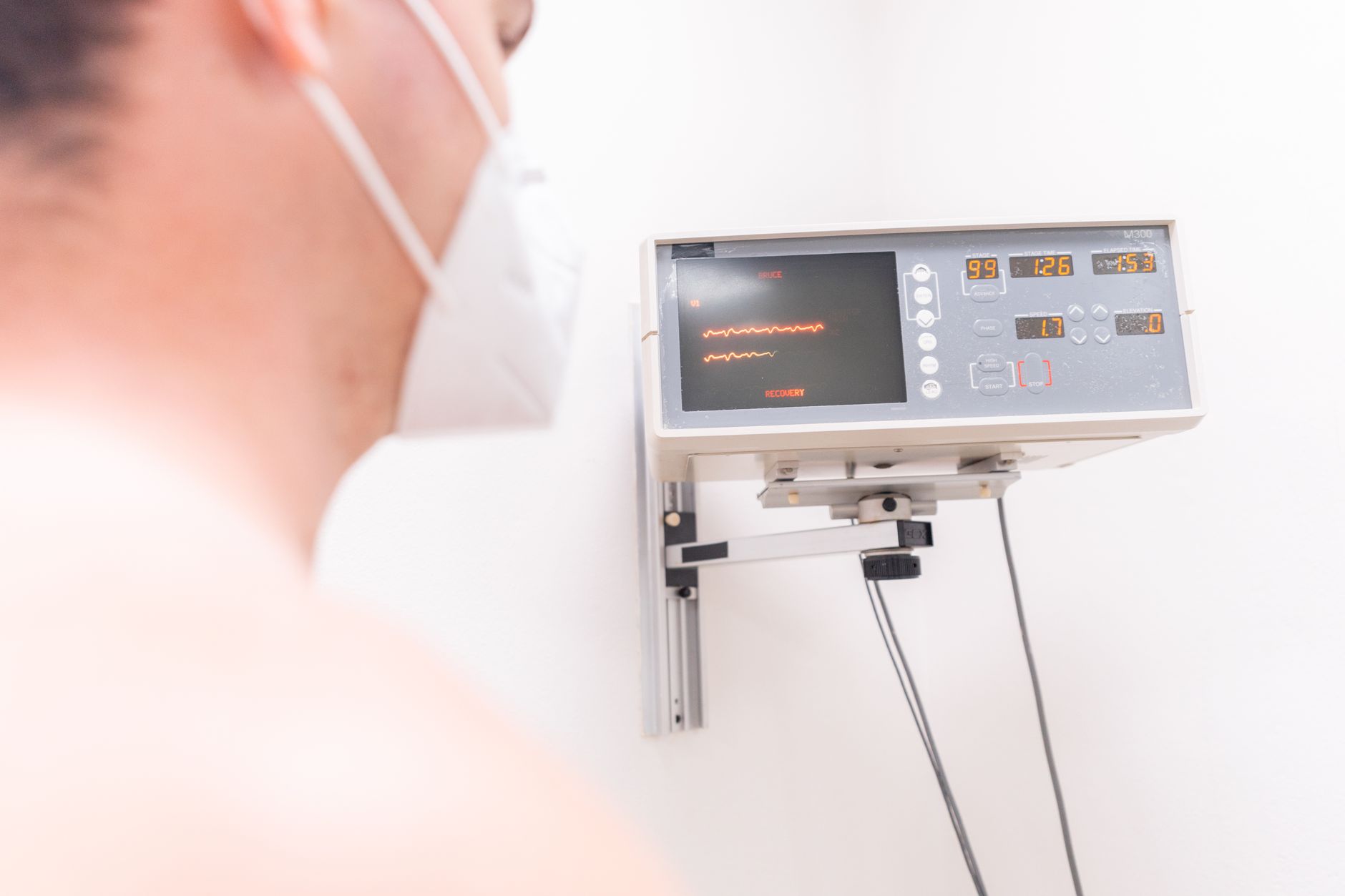
Because both can cause a burning sensation in the chest and upper abdomen, they are often confused. A helpful (though not foolproof) distinction: heartburn typically worsens after eating and improves with antacids, while cardiac discomfort is often triggered by physical or emotional exertion and is not relieved by antacids. When in doubt — and especially if you have risk factors like high blood pressure, diabetes, smoking history, or a family history of heart disease — always get evaluated. An ECG takes only minutes and can provide valuable information.
When to See a Cardiologist
You do not need to be in the middle of an emergency to speak with a cardiologist. Consider scheduling a consultation if you:
- Experience any of the symptoms described above, even mildly
- Have risk factors such as hypertension, high cholesterol, diabetes, or a family history of heart disease
- Feel episodes of unexplained fatigue, breathlessness, or palpitations
- Want to understand your personal cardiac risk and how to reduce it
Your heart sends signals. Learning to listen to them — and acting on them promptly — is one of the most important things you can do for your long-term health.
If you are experiencing any of these symptoms or would like a thorough cardiac evaluation, consider consulting a qualified cardiologist. You are welcome to book a consultation with Dr. Nikhila Pachani, Consultant Interventional Cardiologist in Rajkot, to discuss your heart health in a calm, supportive environment.
Frequently asked questions
- Can a heart attack really cause jaw or tooth pain?
- Yes. Jaw pain, particularly in the lower jaw, is a recognised but often overlooked heart attack symptom. It occurs because the nerves that carry pain signals from the heart overlap with those from the jaw. If jaw pain appears alongside breathlessness, sweating, or arm pain, seek emergency care right away.
- Are heart attack symptoms different in women?
- Yes. Women are more likely to experience atypical heart attack warning signs such as unusual fatigue, nausea, upper back pain, and jaw discomfort, sometimes with little or no chest pain. These differences mean women's symptoms are more frequently dismissed or delayed — making awareness especially important.
- How do I tell the difference between heartburn and a heart attack?
- Heartburn usually follows a meal and often improves with antacids, while cardiac chest discomfort is commonly triggered by exertion or stress and does not respond to antacids. However, the two can feel very similar. If you have any cardiac risk factors or the discomfort is accompanied by other symptoms like sweating or arm pain, seek medical evaluation immediately rather than waiting.
- What should I do if I think I am having a heart attack?
- Stop all activity, sit or lie down, and call emergency services (112 in India) immediately. Do not drive yourself to hospital. If advised by an emergency operator and you are not allergic, chewing a 325 mg aspirin tablet may help. Note when your symptoms started — this is critical information for the medical team treating you.