Why Leg Veins Matter More Than You Think
Many people in Rajkot and across Gujarat notice swollen, ropy veins on their legs and wonder: "Is this serious? Is it related to my heart?" The short answer is — it depends. Two conditions are often confused with each other: varicose veins and deep vein thrombosis (DVT). While both involve leg veins, they are very different in cause, risk level, and treatment. Understanding the difference — and knowing when the heart may be involved — can genuinely save lives.
This article explains both conditions in plain language, helps you spot warning signs early, and guides you on when to seek a cardiologist's advice.
What Are Varicose Veins?
Varicose veins are enlarged, twisted veins that appear just under the skin — usually on the legs and feet. They look like blue or purple cords bulging beneath the surface. They form when the small one-way valves inside veins stop working properly.
Normally, these valves push blood upward toward the heart and prevent it from flowing backward. When valves weaken, blood pools in the vein, causing it to stretch and bulge outward.
Who Gets Varicose Veins?
Varicose veins are very common. They are more likely in people who:
- Stand or sit for long hours (teachers, security staff, office workers, vendors)
- Are pregnant or have had multiple pregnancies
- Are overweight or obese
- Have a family history of the condition
- Are above 40 years of age
In many cases across our region, people dismiss varicose veins as a cosmetic issue and delay seeking care. While they are rarely life-threatening on their own, they can cause real discomfort and, in some situations, lead to complications.
Common Symptoms of Varicose Veins
- Visible, bulging, twisted veins on the legs
- Aching, heaviness, or tiredness in the legs — especially after standing
- Mild swelling around the ankles by evening
- Itching or skin discolouration near the ankle
- Occasional cramps at night

What Is Deep Vein Thrombosis (DVT)?
Deep vein thrombosis is a blood clot that forms inside a deep vein, usually in the calf, thigh, or pelvis. Unlike varicose veins, DVT is not visible from the outside. The clot forms in veins that lie well beneath the skin and muscle.
DVT is a more urgent medical condition because the clot can partially or fully block blood flow. More importantly, a piece of the clot can break off, travel through the bloodstream, and reach the lungs — causing a pulmonary embolism (PE), which is a medical emergency.
Who Is at Risk for DVT?
DVT can affect anyone, but certain factors increase the risk significantly:
- Long periods of immobility (long flights, bed rest after surgery, hospitalisation)
- Recent surgery, especially on the hip, knee, or abdomen
- Cancer and its treatments
- Dehydration (a real concern in Gujarat's summer heat)
- Hormone therapy or birth control pills
- Inherited blood-clotting disorders
- Obesity, smoking, or advanced age
- A previous history of DVT
Symptoms of DVT
DVT can sometimes be silent, with no symptoms at all. When symptoms do appear, they may include:
- Swelling in one leg (usually one-sided, unlike varicose veins)
- Pain or tenderness in the calf or thigh — often described as a cramp that doesn't go away
- Warmth and redness over the affected area
- Skin that appears tight or shiny
Varicose Veins vs Deep Vein Thrombosis: Key Differences at a Glance
Understanding the varicose veins vs deep vein thrombosis heart connection starts with knowing what separates these two conditions.
| Feature | Varicose Veins | Deep Vein Thrombosis |
|---|---|---|
| Location | Superficial (under skin) | Deep veins (inside muscle) |
| Visible? | Yes — seen on skin surface | No — cannot be seen |
| Main cause | Faulty vein valves | Blood clot blocking the vein |
| Pain level | Mild ache or heaviness | Can be severe, throbbing |
| Swelling | Mild, both legs possible | Often sudden, one leg |
| Life-threatening? | Rarely | Yes, if clot reaches the lungs |
| Heart involvement | Indirect | Direct — clot can reach the heart/lungs |
One helpful way to think of it: varicose veins are like a slow drain in a sink that is a nuisance; DVT is like a sudden blockage in a pipe that can cause serious damage if not cleared quickly.
When Does the Heart Get Involved?
This is the most important part of the conversation — and one that is often overlooked.
DVT and the Heart: The Pulmonary Embolism Connection
When a blood clot from DVT breaks off and travels through the veins, it passes through the right side of the heart and then into the pulmonary arteries — the blood vessels supplying the lungs. This is called a pulmonary embolism (PE).
A large PE can:
- Block blood from reaching the lungs
- Cause the right side of the heart to suddenly overwork and strain
- Drop oxygen levels dangerously
- In severe cases, be life-threatening
Symptoms of pulmonary embolism to recognise immediately:
- Sudden shortness of breath with no obvious reason
- Sharp chest pain that worsens when you breathe in deeply
- Rapid heartbeat (palpitations)
- Coughing up blood (in some cases)
- Feeling faint, dizzy, or losing consciousness
If you or someone near you experiences these symptoms, seek emergency medical care immediately. Do not wait.
Can Varicose Veins Affect the Heart?
Varicose veins do not directly cause heart problems. However, they can be an early sign that venous circulation is under stress. In some patients, particularly those with:
- Right-sided heart failure (where the heart struggles to pump blood back from the body), fluid backup can worsen leg swelling and vein congestion.
- Pulmonary hypertension (high pressure in lung blood vessels), increased backpressure can make venous problems in the legs worse over time.
So while varicose veins themselves don't threaten the heart, they can sometimes be a window into a bigger circulatory picture — one that a cardiologist is well-placed to evaluate.
The Overlap: Superficial Thrombophlebitis
There is a middle ground worth knowing: superficial thrombophlebitis — a clot forming inside a varicose vein just under the skin. This is not DVT, but it causes a red, painful, warm, cord-like vein on the leg. In most cases it settles with treatment, but in some instances, the clot can extend into deep veins, creating a DVT. This is why any new, painful, red vein should be evaluated promptly.
How Are These Conditions Diagnosed?
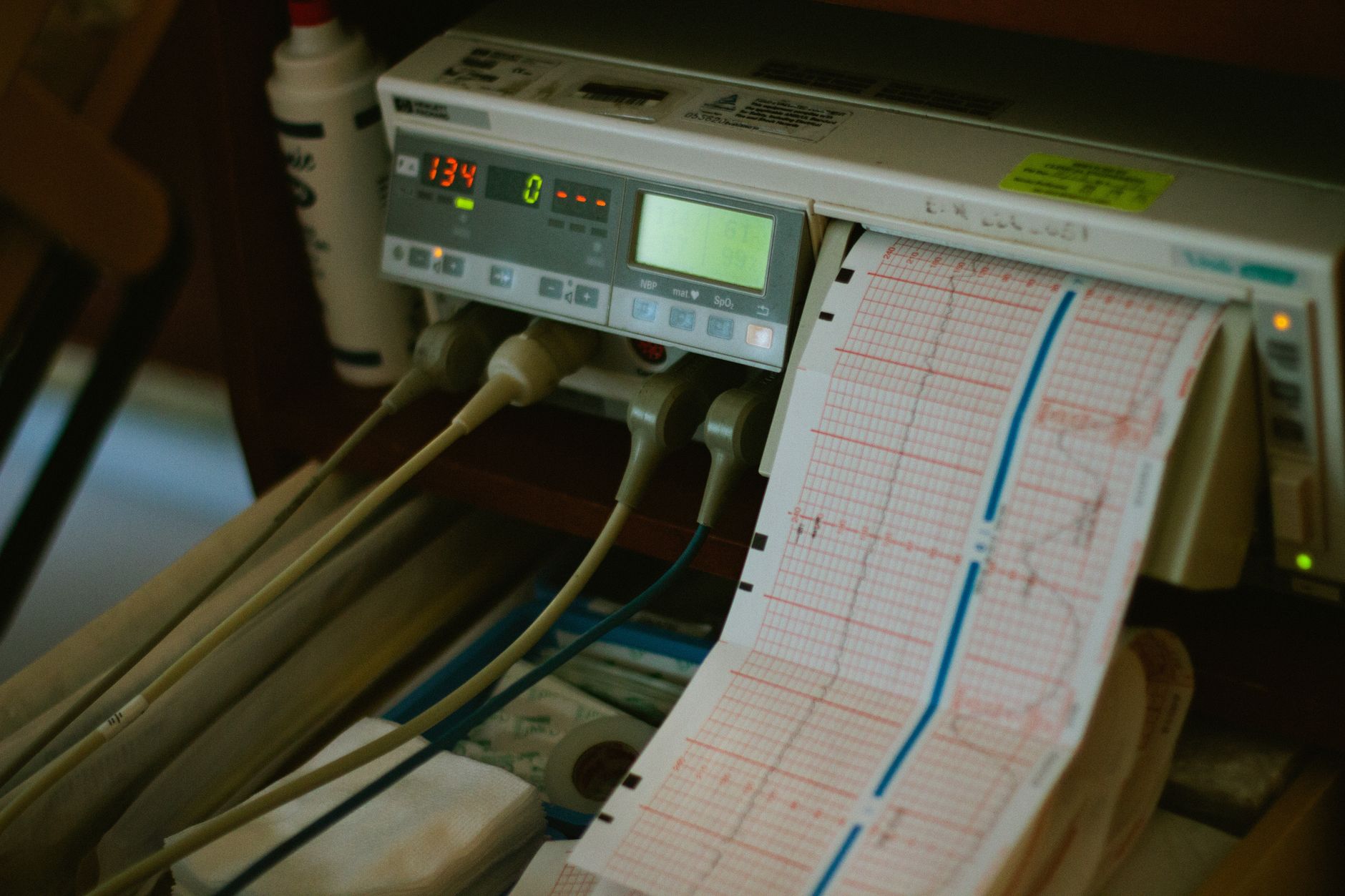
For varicose veins, a doctor will usually examine the leg visually and may order a venous duplex ultrasound — a non-invasive scan that maps blood flow through the veins.
For DVT, the same duplex ultrasound is the standard first test. Blood tests (such as D-dimer) and imaging like CT pulmonary angiography may be needed if a pulmonary embolism is suspected.
A cardiologist's role is particularly important when:
- DVT is complicated by suspected pulmonary embolism
- There is concern about right heart strain on an ECG or echocardiogram
- The patient has underlying heart disease that affects management
Treatment: What to Expect
Varicose Veins
- Compression stockings to support vein walls and reduce swelling
- Lifestyle changes: regular walking, leg elevation, weight management
- Minimally invasive procedures such as sclerotherapy or laser treatments to close affected veins (performed by vascular specialists)
DVT
- Anticoagulant (blood-thinning) medications to prevent the clot from growing and allow the body to dissolve it gradually
- Compression therapy to reduce swelling
- In high-risk cases of pulmonary embolism, procedures to remove or break down the clot may be considered
Cardiology input is essential for DVT with heart or lung involvement, both to guide treatment and to monitor the heart's response.
Key Takeaways
- Varicose veins are swollen, visible veins caused by faulty valves — common, uncomfortable, but rarely dangerous on their own.
- DVT is a blood clot in a deep vein — less visible, but potentially life-threatening if the clot travels to the lungs.
- The critical heart connection lies in pulmonary embolism — a DVT complication that directly strains the right side of the heart.
- Sudden breathlessness, chest pain, and rapid heartbeat after leg swelling are red-flag symptoms that need emergency attention.
- Varicose veins can occasionally signal underlying circulatory issues, including heart conditions worth evaluating.
- Early diagnosis with duplex ultrasound is safe, comfortable, and highly informative.
- If you are unsure about leg swelling or pain — especially if it is one-sided, sudden, or comes with breathing difficulty — do not self-medicate or wait it out.
When Should You See a Cardiologist in Rajkot?
If you have been diagnosed with DVT, if your varicose veins are worsening despite treatment, or if you experience any symptoms that involve your breathing or heart rate — these are clear signals to consult a cardiologist. In a city like Rajkot, where lifestyle factors such as prolonged sitting, summer dehydration, and dietary habits can contribute to vein and heart health challenges, being proactive is always the right choice.
A detailed evaluation — including an ECG, echocardiogram, and vascular ultrasound — can give a complete picture of both your venous and cardiovascular health.
This article is for general educational purposes only and does not constitute personal medical advice. If you have concerns about your vein health or heart, please consult a qualified cardiologist. You are welcome to book a consultation with Dr. Nikhila Pachani, Consultant Interventional Cardiologist, Rajkot, for a thorough and personalised assessment.
Frequently asked questions
- What is the main difference between varicose veins and deep vein thrombosis (DVT)?
- Varicose veins are enlarged, twisted veins visible just under the skin, caused by weakened vein valves. DVT is a blood clot that forms in a deep vein — usually in the leg — and cannot be seen from the outside. DVT is potentially more serious because the clot can travel to the lungs and affect the heart.
- Can varicose veins turn into deep vein thrombosis?
- Varicose veins themselves do not directly become DVT, but a related condition called superficial thrombophlebitis — where a clot forms in a varicose vein — can sometimes extend into deeper veins. Any suddenly painful, red, or hardened vein should be evaluated by a doctor promptly.
- What are the warning signs that a DVT may have affected the heart or lungs?
- Key warning signs include sudden shortness of breath, sharp chest pain that worsens when breathing in, a rapid or irregular heartbeat, dizziness, or coughing up blood. These may indicate a pulmonary embolism — a medical emergency where a clot has travelled from the leg to the lungs or heart. Seek emergency care immediately if these occur.
- When should I see a cardiologist for leg vein problems?
- You should consult a cardiologist if you have been diagnosed with DVT, if you experience breathing difficulty or chest pain alongside leg swelling, or if your varicose veins are worsening despite treatment. A cardiologist can assess whether your heart or lungs are involved and guide appropriate treatment.