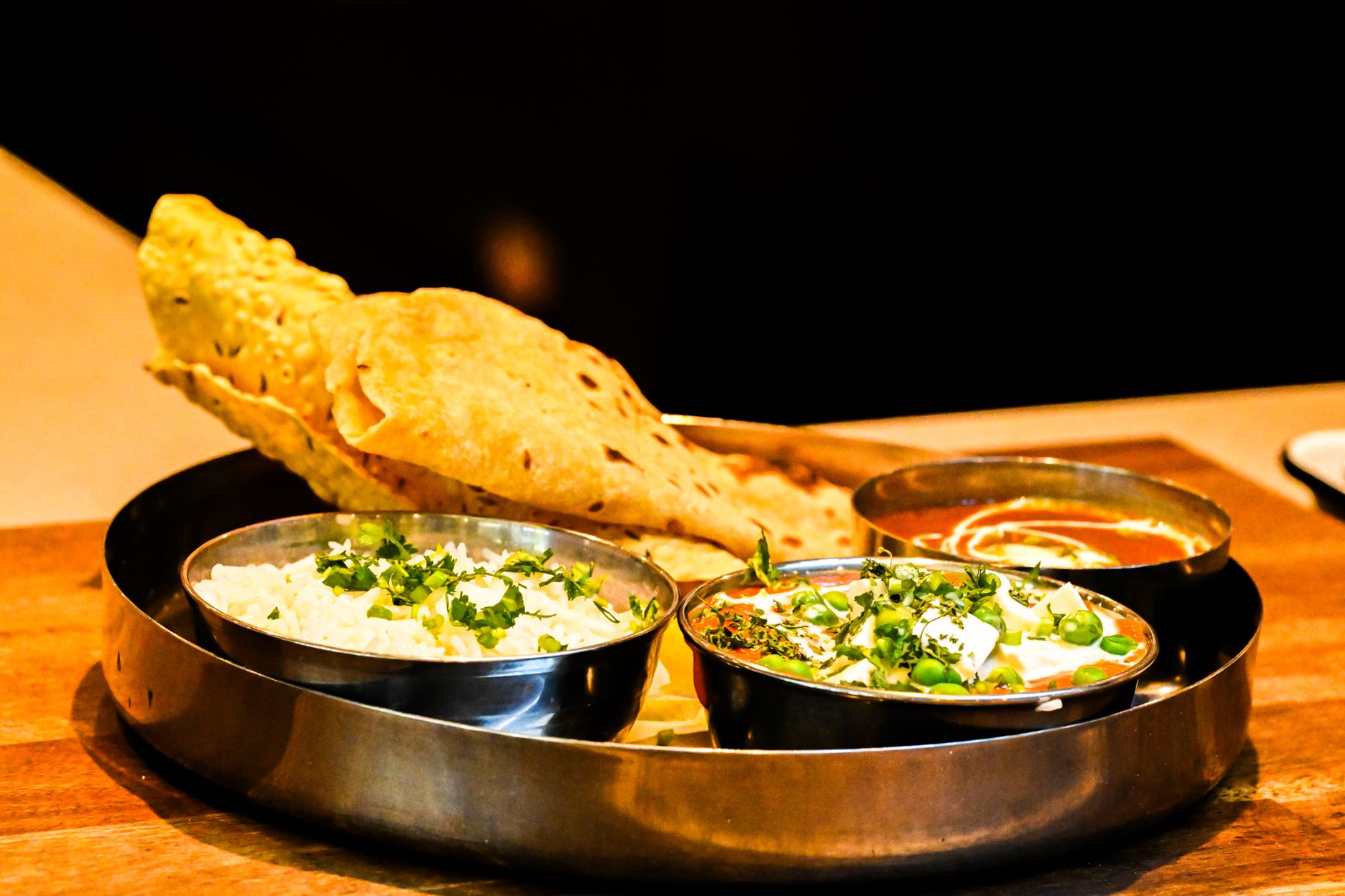
A Proud Tradition — With a Few Nutritional Watch-Points
Gujarat has one of the highest rates of vegetarianism in India — and indeed, in the world. From the humble dal-bhaat of a weekday lunch to the festive sweetness of a Diwali thali, Gujarati cuisine is a rich, time-honoured tradition built almost entirely on plant-based foods.
The good news? A well-planned vegetarian diet is genuinely good for your heart. Decades of research confirm that plant-rich diets are linked to lower cholesterol, healthier blood pressure, and reduced risk of cardiovascular disease. If you grew up in Rajkot or anywhere across Gujarat, your dietary roots already give you a head start.
But here's what many people don't realise: a vegetarian diet that is not carefully balanced can still leave your heart short of certain key nutrients. Getting enough protein, iron, vitamin B12, and omega-3 fatty acids requires some thought — especially as you get older or if you have an existing heart condition.
This article explains what to watch, what to eat, and how to keep your heart strong for years to come.
Why Vegetarian Diet and Heart Health Go Well Together
Multiple large studies — including research from India — show that vegetarians tend to have:
- Lower LDL ("bad") cholesterol levels
- Lower blood pressure on average
- Lower Body Mass Index (BMI)
- Reduced rates of type 2 diabetes, a major heart-risk factor
Plant foods are naturally rich in soluble fibre, antioxidants, and phytonutrients that protect the arteries. Foods like oats, barley, legumes, and vegetables actively lower cholesterol and reduce inflammation in the blood vessels.
So if you are a lifelong vegetarian, take heart — quite literally. Your diet is working in your favour.

The Nutrients That Need Extra Attention
Even within a heart-healthy vegetarian diet, there are a few nutrients that require conscious planning. Let's look at each one.
1. Protein — The Building Block Your Heart Needs
Your heart is a muscle, and like all muscles it needs adequate protein to stay strong. Protein also helps maintain healthy blood vessels and supports repair after any stress on the cardiovascular system.
How much do you need? A general guideline for adults is approximately 0.8–1.0 g of protein per kilogram of body weight per day. For a 60 kg person, that is roughly 48–60 g of protein daily.
Top vegetarian protein sources for heart health:
- Legumes: Moong dal, chana dal, toor dal, rajma, chole — these are staples in Gujarati kitchens and excellent protein sources
- Low-fat dairy: Dahi (yoghurt), paneer (in moderation), skimmed milk
- Nuts and seeds: Almonds, walnuts, flaxseeds, chia seeds — these also add healthy fats
- Soy products: Tofu, edamame, soy milk — high-quality, complete proteins
- Whole grains: Jowar, bajra, and whole wheat add modest but meaningful protein
A simple tip: combine grains with legumes at the same meal (like dal and roti, or khichdi). This provides all essential amino acids your body needs.
⚠️ Watch out for: High-fat dairy (full-cream ghee in excess, fried paneer dishes) and heavily sugared protein sources. In traditional Gujarati food, sugar is sometimes added generously even to dals — this can quietly raise blood sugar and triglycerides over time.
2. Vitamin B12 — The Silent Gap in Plant-Based Diets
Vitamin B12 is found almost exclusively in animal products. Even lacto-vegetarians (who consume dairy) can be surprisingly low in B12, because the amounts in milk and yoghurt are modest.
Why does B12 matter for the heart? Low B12 raises levels of a compound called homocysteine in the blood. High homocysteine is an independent risk factor for heart attack and stroke. In Indian adults, B12 deficiency is extremely common — studies suggest that over 60–70% of vegetarians in India may have suboptimal levels.
How to get enough B12:
- Consume dairy products (milk, curd, paneer) daily
- Consider B12-fortified foods — some breakfast cereals and plant milks are now available in larger Indian cities
- Speak to your doctor about a B12 supplement — a simple, affordable tablet or injection can make a significant difference

3. Omega-3 Fatty Acids — Protecting Your Arteries
Omega-3 fatty acids reduce inflammation, lower triglycerides, and help keep the heart rhythm steady. Oily fish is the richest source — but for vegetarians, plant-based options exist.
Plant sources of omega-3 (ALA form):
- Flaxseeds (alsi): Add ground flaxseeds to roti dough, smoothies, or curd
- Walnuts: A small handful daily is a heart-friendly habit
- Chia seeds: Easy to add to water, lassī, or oats
- Mustard oil: Commonly used in parts of India; contains some omega-3
Note: Plant-based omega-3 (ALA) is not as readily used by the body as the EPA/DHA found in fish. If your cardiologist feels your omega-3 levels need a boost, an algae-based omega-3 supplement (vegan-friendly) may be recommended.
4. Iron — Keeping Your Blood — and Heart — Oxygen-Rich
Iron-deficiency anaemia puts extra strain on the heart, as the heart must pump harder to circulate oxygen-poor blood. Over time, this added burden can worsen existing heart conditions.
Vegetarian iron (non-heme iron) is less easily absorbed than meat-based iron, but you can improve absorption significantly.
Good vegetarian iron sources:
- Green leafy vegetables: Methi (fenugreek), palak (spinach), drumstick leaves
- Legumes: Lentils, kidney beans, chickpeas
- Fortified cereals and breads
- Dried fruits: Dates, raisins (in modest amounts)
- Seeds: Pumpkin seeds, sesame seeds (til — a Gujarati favourite!)
Tip to boost absorption: Always pair iron-rich foods with vitamin C — a squeeze of lemon on your dal, or a small glass of amla juice alongside a meal, can double or even triple iron absorption.
5. Zinc, Vitamin D, and Iodine — The Often-Forgotten Three
- Zinc (found in legumes, nuts, seeds, whole grains) supports immune function and vascular health. Soaking and sprouting legumes improves zinc absorption.
- Vitamin D deficiency is extremely common across all of India — including sunny Gujarat. Low vitamin D is linked to higher cardiovascular risk. Safe sun exposure and a supplement (as advised by your doctor) can help.
- Iodine is needed for thyroid function, which in turn affects heart rate and rhythm. Use iodised salt and include dairy for adequate iodine.
Building a Heart-Healthy Gujarati Thali
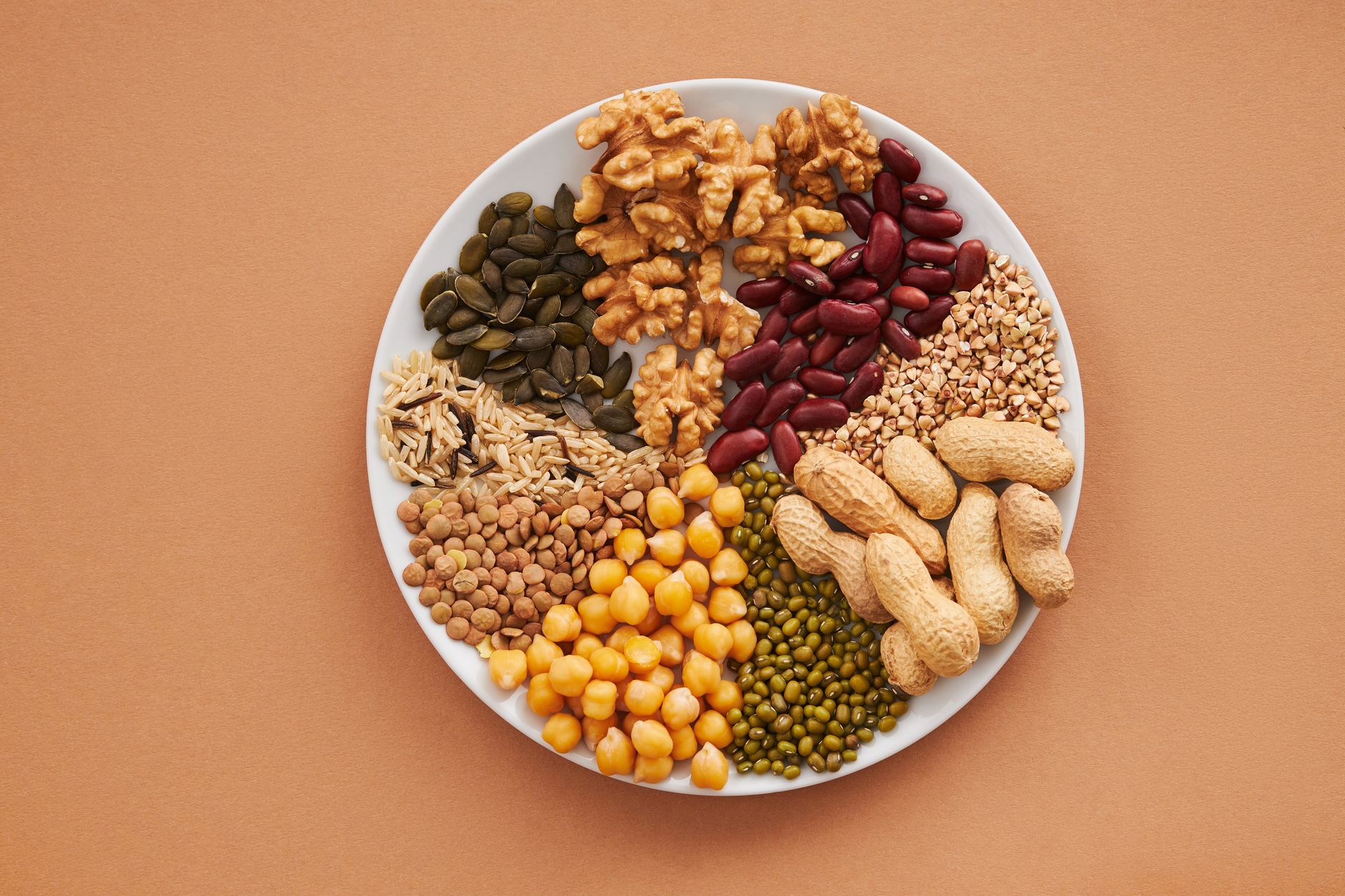
A thoughtfully built Gujarati thali can cover most of your heart-health nutritional needs. Here is what an ideal plate might look like:
| Component | What to include |
|---|---|
| Dal or kadhi | Toor, moong, or chana dal — light on sugar and salt |
| Sabzi (vegetable) | 1–2 seasonal vegetables, lightly cooked in minimal oil |
| Roti/bhakri | Whole grain — jowar, bajra, or whole wheat |
| Rice | Brown rice or limited white rice |
| Curd (dahi) | Low-fat, plain — excellent for protein and gut health |
| Salad/kachumber | Raw vegetables with a squeeze of lemon |
| A small handful of nuts | Almonds or walnuts |
Simple changes to make today:
- Reduce added sugar in dals and vegetables
- Switch to cold-pressed or filtered mustard/groundnut oil; limit coconut oil
- Avoid deep-frying; opt for steaming, sautéing, or baking
- Replace refined flour (maida) snacks with whole-grain alternatives
Key Takeaways
- A vegetarian diet is genuinely supportive of vegetarian diet heart health in India when properly planned
- Combine grains and legumes for complete protein at most meals
- Get your vitamin B12 checked — deficiency is common and easy to address
- Include flaxseeds and walnuts daily for plant-based omega-3
- Pair iron-rich foods with vitamin C to improve absorption
- Ask your doctor to check Vitamin D and B12 levels at your next visit
- Reduce hidden sugar in traditional Gujarati recipes — your heart will thank you
When Should You See a Cardiologist?
Even with the best diet, some heart conditions need professional evaluation. If you experience chest discomfort, unexplained fatigue, breathlessness, or palpitations — or if you have a family history of heart disease — a consultation with a cardiologist is important.
In Rajkot, many patients are surprised to learn that simple blood tests (checking B12, iron, lipid profile, blood sugar, and vitamin D) can give a very clear picture of cardiovascular risk — and that dietary changes alone can bring remarkable improvements.
This article is for general educational purposes only and does not replace personalised medical advice. If you have concerns about your heart health or nutritional status, please consult a qualified cardiologist. To book a consultation with Dr. Nikhila Pachani, Consultant Interventional Cardiologist in Rajkot, please use the appointment booking option on this website.
Frequently asked questions
- Is a vegetarian diet good for heart health in India?
- Yes. A well-planned vegetarian diet is associated with lower cholesterol, healthier blood pressure, and a reduced risk of cardiovascular disease. However, it is important to ensure adequate intake of protein, vitamin B12, iron, and omega-3 fatty acids, which can be low in some vegetarian diets.
- Which vegetarian foods are high in protein and good for the heart?
- Excellent heart-friendly vegetarian protein sources include legumes (moong dal, chana, rajma), low-fat dairy (dahi, paneer in moderation), soy products (tofu), nuts (almonds, walnuts), seeds, and whole grains like jowar and bajra. Combining a grain with a legume at the same meal provides all essential amino acids.
- Can vitamin B12 deficiency affect heart health?
- Yes. Low vitamin B12 raises homocysteine levels in the blood, which is an independent risk factor for heart attack and stroke. B12 deficiency is very common in Indian vegetarians. A simple blood test can check your levels, and your doctor may recommend a supplement or dietary changes.
- How can vegetarians get enough omega-3 for heart health?
- Plant-based omega-3 (ALA) can be obtained from ground flaxseeds, walnuts, chia seeds, and mustard oil. If your cardiologist recommends a higher omega-3 intake, an algae-based omega-3 supplement is a vegan-friendly option that provides EPA and DHA directly.